




East Africa Media Consolidation | Digital Advertising Shift Creates Seller Opportunities
- 62M+ digital users across Kenya, Uganda, Tanzania, Rwanda now under single commercial owner; digital monetization strategy opens advertising channels for cross-border sellers targeting young African demographics







)










Overview
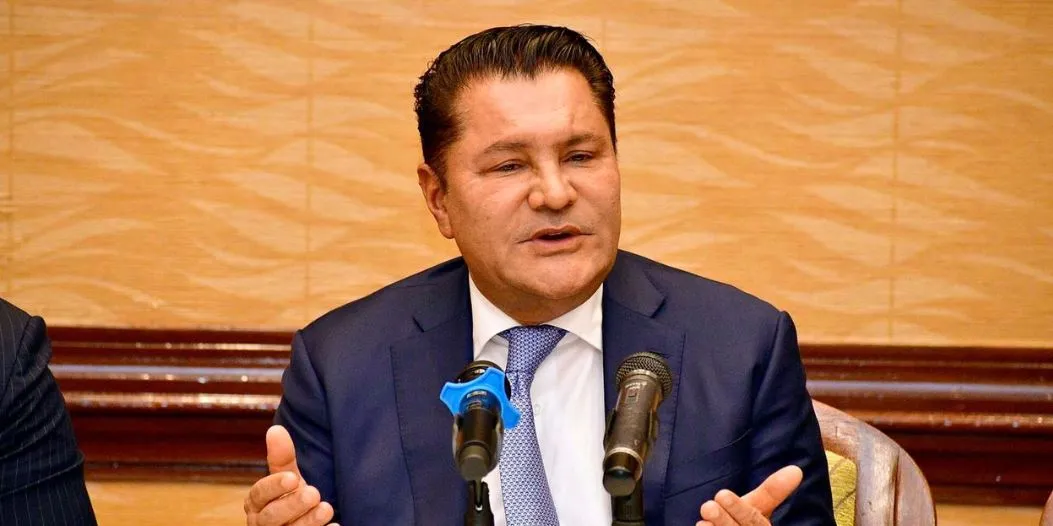
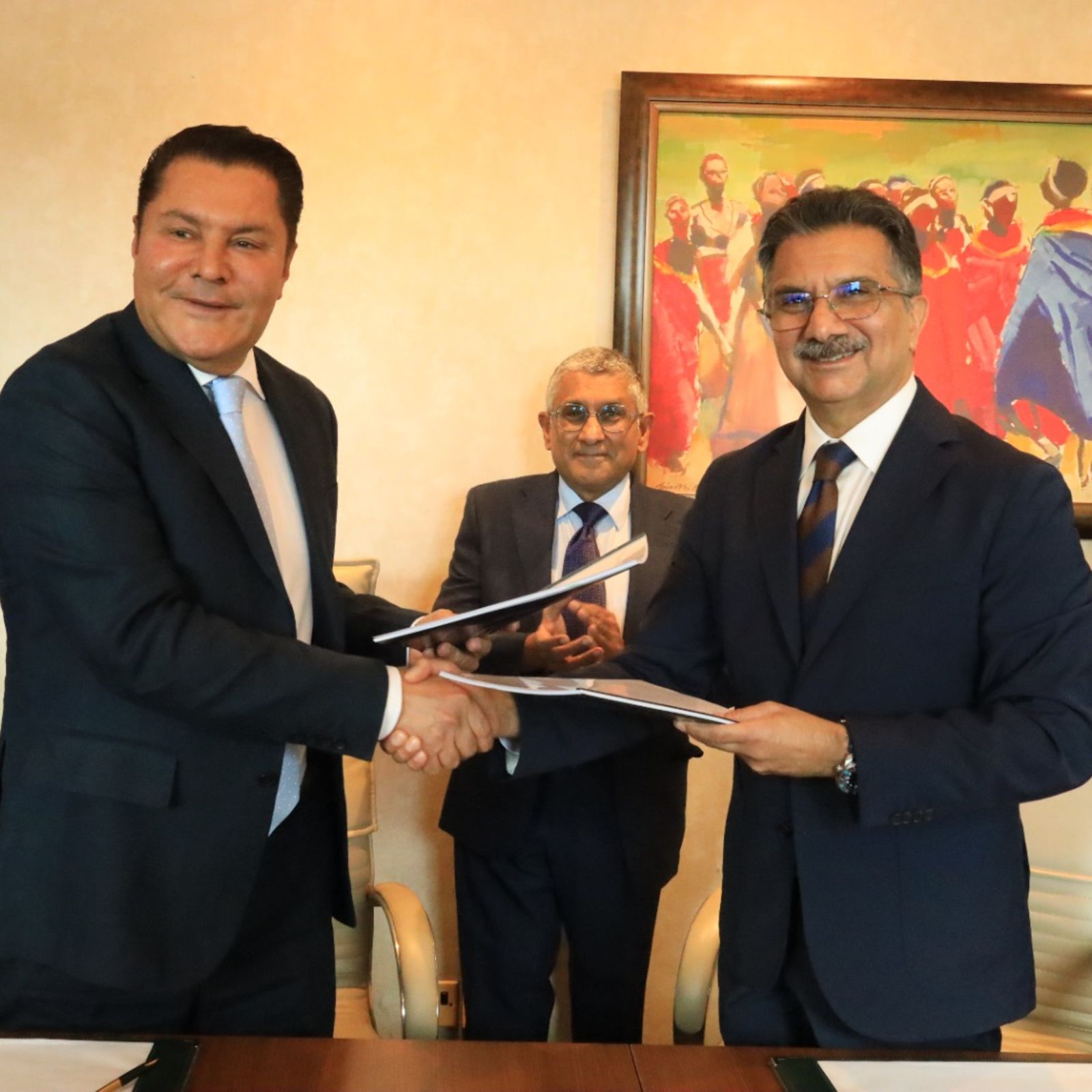
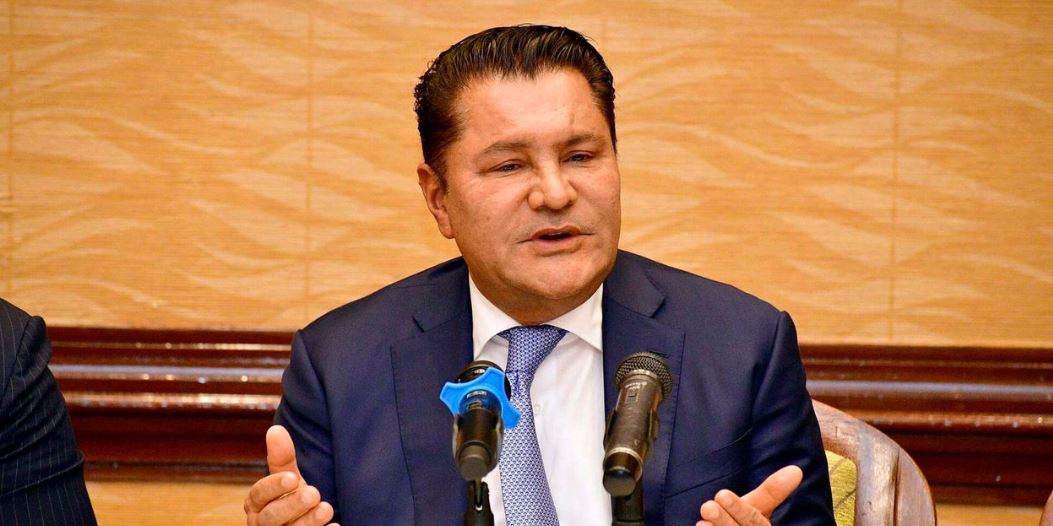
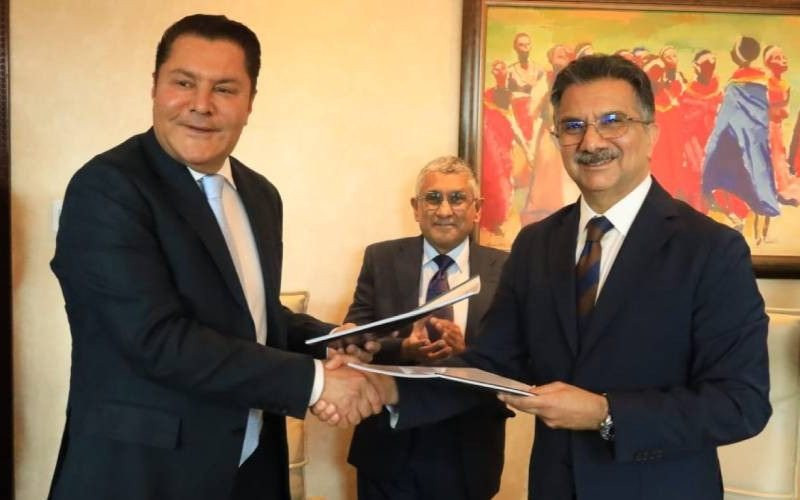
Tanzanian billionaire Rostam Aziz's acquisition of Nation Media Group (54.08% stake finalized March 10, 2026) represents a structural shift in East African media ownership from philanthropic to commercial control, with direct implications for sellers targeting the region's 62+ million digital users. The transaction transfers control of 30 distinct media brands—including Kenya's Daily Nation, Uganda's Daily Monitor, and Tanzania's Mwananchi—to a single commercial operator pursuing aggressive digital monetization through content personalization, data analytics, and paywall optimization strategies.
For cross-border sellers, this consolidation creates both advertising opportunities and market intelligence advantages. Aziz explicitly identified a strategic gap: limited reach among audiences under 30 years old despite Kenya's median age being among the world's youngest. This demographic targeting focus signals NMG's planned investment in youth-oriented digital content and advertising infrastructure. Sellers of consumer electronics, fashion, beauty, and lifestyle products targeting Gen Z and millennial African consumers can expect improved programmatic advertising capabilities and audience segmentation tools as NMG modernizes its digital infrastructure. The 28.3% stock price surge in two trading days indicates investor confidence in capital investment and platform expansion—suggesting accelerated digital infrastructure deployment within 3-4 months post-regulatory approval.
The commercial ownership model fundamentally changes advertising dynamics compared to the previous philanthropic stewardship. Under Aga Khan Fund for Economic Development's 66-year ownership (1959-2026), NMG prioritized editorial independence and public service journalism. Aziz's mandate emphasizes "media strength achieved through wider coverage and larger audiences naturally attracts both private and government advertising"—explicitly positioning advertising revenue as a core business driver. This shift creates opportunities for sellers to access premium advertising inventory across 30 media brands simultaneously, with unified audience data and targeting capabilities. Sellers currently using fragmented regional media buys across Kenya, Uganda, Tanzania, and Rwanda can consolidate campaigns through a single commercial operator, reducing transaction costs and improving campaign efficiency. The group's commitment to maintaining Nairobi Securities Exchange listing ensures financial transparency and ongoing capital access for platform modernization.
Regulatory approval timeline (3-4 months from March 2026) creates a critical window for sellers to prepare advertising strategies. Kenya's Capital Markets Authority and Communications Authority must approve the transition, with Aziz committing to maintain the group's public listing. This regulatory process typically includes conditions on editorial independence and advertising standards. Sellers should monitor regulatory filings for advertising policy changes, audience data access terms, and pricing structures. The acquisition's framing as "East African economic integration" and "complementary regional development" suggests Aziz may pursue cross-border advertising packages and regional audience aggregation—creating opportunities for sellers to reach multiple markets through unified campaigns. Historical precedent from Aziz's previous media acquisitions (Mwananchi Communications in late 1990s, Habari Corporation in 2006) indicates he typically pursues aggressive digital transformation and monetization, suggesting rapid platform upgrades and new advertising product launches within 6-12 months post-acquisition.
Questions 8
How does NMG's ownership change affect advertising opportunities for cross-border sellers?
The shift from philanthropic to commercial ownership under Rostam Aziz creates direct advertising opportunities across 30 media brands and 62+ million digital users. Aziz explicitly prioritizes advertising revenue as a business driver and identified youth audiences (under 30) as a strategic gap, indicating planned investment in digital advertising infrastructure. Sellers targeting Gen Z and millennial African consumers can expect improved programmatic advertising capabilities, unified audience targeting across Kenya, Uganda, Tanzania, and Rwanda, and consolidated media buying options. The 28.3% stock price surge indicates investor confidence in capital investment and platform modernization, suggesting rapid advertising product launches within 6-12 months. Sellers currently using fragmented regional media buys can consolidate campaigns through a single operator, reducing transaction costs and improving campaign efficiency.
Which seller categories benefit most from NMG's youth-focused digital strategy?
Aziz identified limited reach among audiences under 30 as a strategic gap, despite Kenya's median age being among the world's youngest. This signals planned investment in youth-oriented content and advertising. Sellers in consumer electronics, fashion, beauty, lifestyle, gaming, mobile apps, and digital services targeting Gen Z and millennials are best positioned to benefit. The 62+ million digital users across Kenya, Uganda, Tanzania, and Rwanda represent a young, growing consumer base with increasing purchasing power. Sellers of trending products, social commerce items, and mobile-first offerings should prioritize NMG advertising as the platform modernizes. The commercial ownership model emphasizes audience growth and advertising revenue, suggesting aggressive expansion in youth-targeted advertising products and influencer partnerships.