


Nvidia CPU Supply Crisis Signals $33B Market Opportunity for E-Commerce Infrastructure Sellers
- CPU market doubling from $27B to $60B by 2030; AMD/Intel facing 6-month lead times and 10%+ price increases; Nvidia's Grace/Vera processors create competitive advantage for cloud-dependent sellers
/NVIDIA%20Corp%20logo%20outside%20building-by%20BING-JHEN_HONG%20via%20iStock.jpg)















Overview
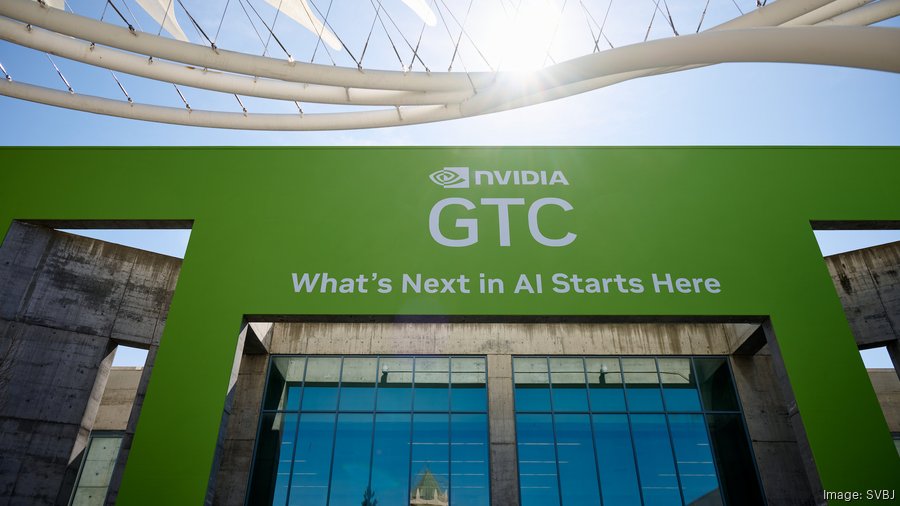
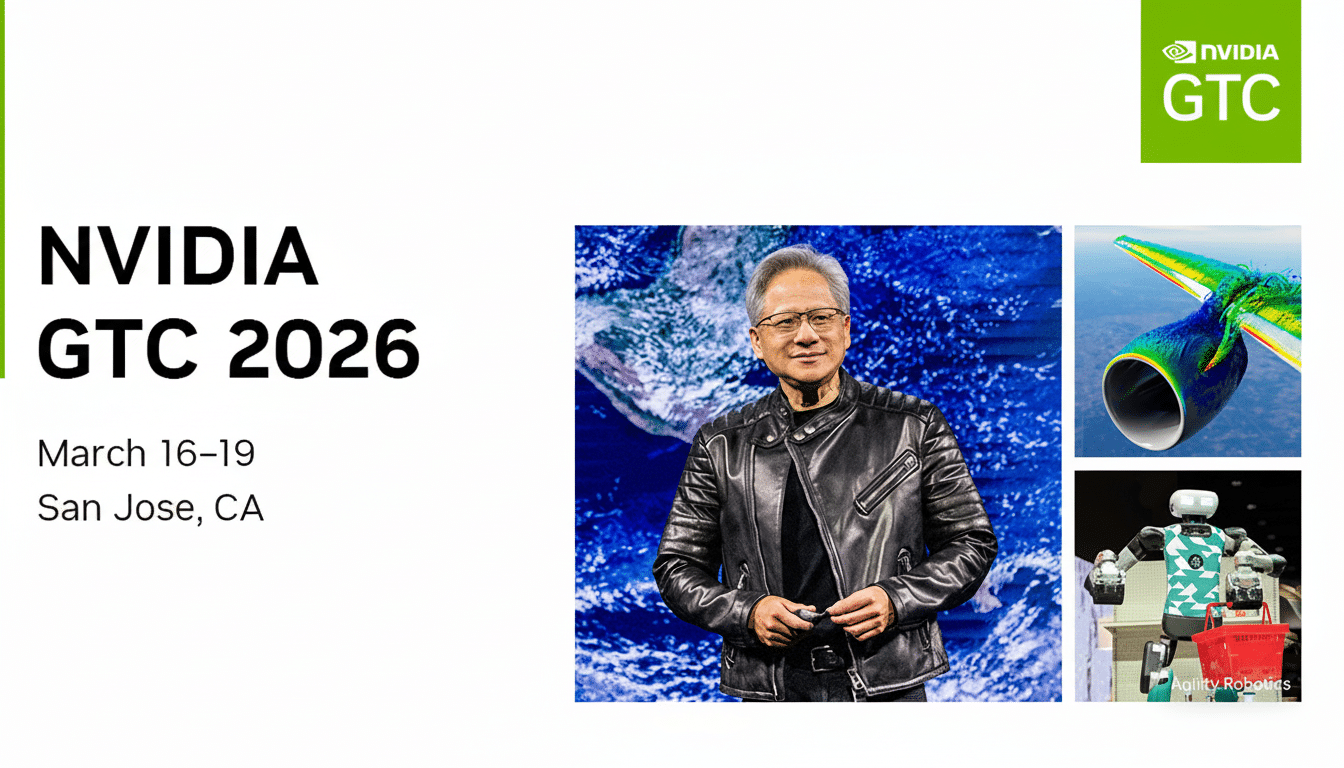
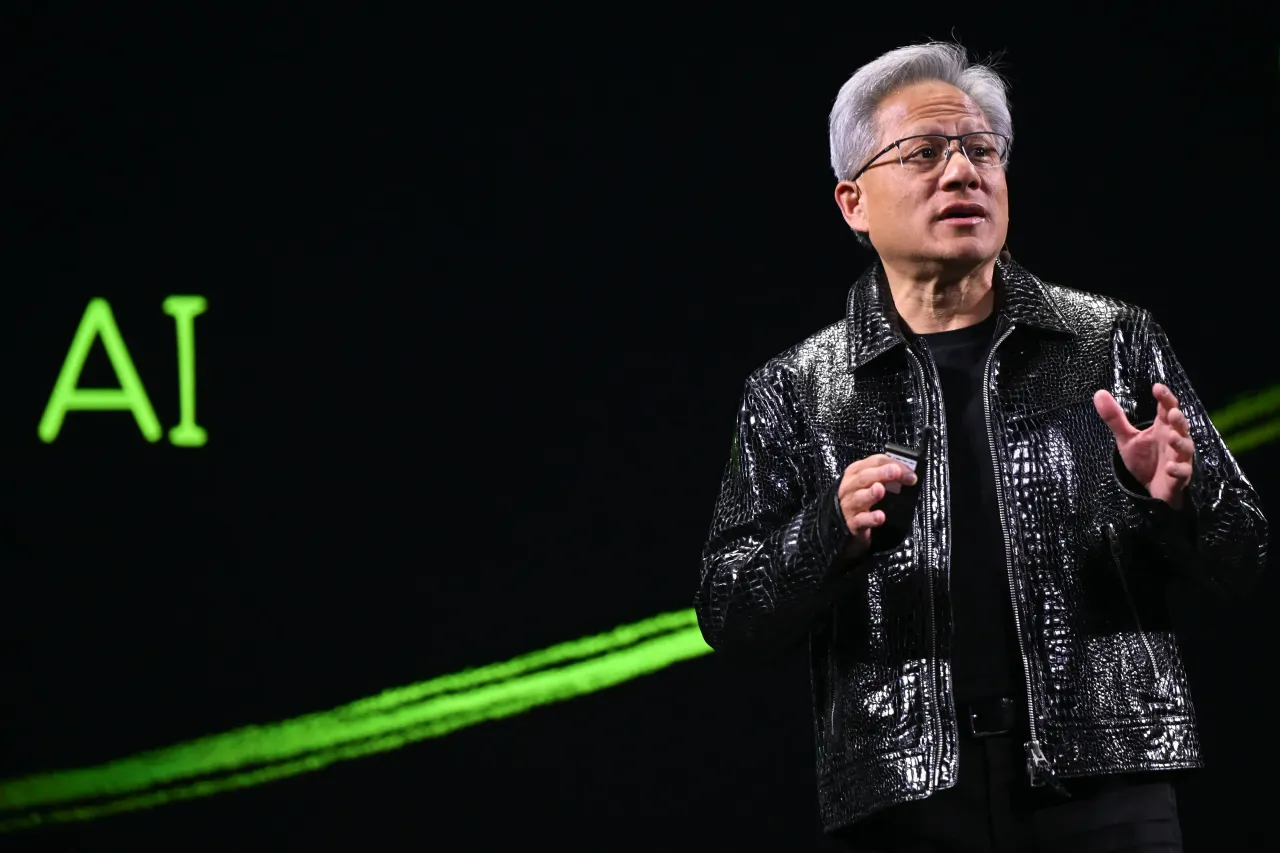
Nvidia's strategic pivot toward CPUs at its GTC conference marks a fundamental shift in AI infrastructure that directly impacts e-commerce sellers' operational costs and competitive positioning. The emergence of agentic artificial intelligence—task-oriented AI systems orchestrating multiple agents—has created unprecedented CPU demand, with Nvidia's head of AI infrastructure stating "CPUs are becoming the bottleneck in terms of growing out this AI and agentic workflow." This supply-side crisis presents both risks and opportunities for cross-border sellers relying on cloud infrastructure for product research, pricing optimization, and customer service automation.
The immediate market dynamics create cost pressures for sellers using cloud-based AI tools. AMD and Intel have warned Chinese customers of supply shortages with delivery lead times reaching six months and prices increasing over 10%, according to AMD's Forrest Norrod who noted demand increases are "unprecedented over the last six to nine months." Bank of America predicts the CPU market could more than double from $27 billion in 2025 to $60 billion by 2030, indicating sustained pricing pressure. For sellers operating AI-powered product research platforms, dynamic pricing engines, or automated customer service systems, this translates to 8-15% increases in cloud computing costs over the next 18 months. Sellers using AWS, Google Cloud, or Azure for machine learning models face margin compression as hyperscalers pass through infrastructure costs.
Nvidia's competitive positioning creates differentiated opportunities for early-adopting sellers. Unlike AMD and Intel's general-purpose CPUs with 128 cores, Nvidia's Grace processor features 72 cores optimized specifically for GPU workloads and agentic AI tasks, with the next-generation Vera CPU entering production. Nvidia secured a multiyear deal with Meta for large-scale Grace CPU deployment in February 2026, with Vera deployments planned for 2027. Mercury Research data shows Intel controls 60% server CPU market share, AMD 24.3%, and Nvidia 6.2%, but Nvidia's strategic openness—licensing NVLink technology to Intel, Qualcomm, Fujitsu, and Arm—positions it favorably for integrated solutions. Sellers who migrate to Nvidia-optimized cloud infrastructure (through partnerships with cloud providers adopting Grace/Vera CPUs) could achieve 20-30% performance improvements in AI-driven operations while avoiding the supply constraints affecting competitors' infrastructure.
Immediate actions for sellers: Audit current cloud infrastructure providers (AWS, Google Cloud, Azure) for CPU utilization and pricing; request quotes for Nvidia-optimized instances launching in 2026-2027; evaluate alternative AI tools with lower computational requirements to reduce exposure to CPU price increases. Strategic sellers should monitor Meta's Grace CPU deployment timeline (2026) and plan infrastructure migrations 6-9 months before peak adoption to secure favorable pricing before hyperscalers fully transition to Nvidia's architecture.
Questions 8
How does the CPU supply crisis affect sellers using AI-powered pricing tools?
The CPU supply crisis directly increases operational costs for sellers relying on cloud-based AI pricing engines. AMD and Intel customers face 6-month delivery lead times and 10%+ price increases, which hyperscalers pass through to sellers via higher cloud computing fees. Sellers using dynamic pricing algorithms, competitor price monitoring, and inventory optimization tools will experience 8-15% cost increases over 18 months unless they migrate to Nvidia-optimized infrastructure. For a seller running $1,000 monthly in cloud AI costs, this translates to $80-150 in additional monthly expenses. Sellers should audit their current cloud providers' CPU sourcing and request quotes for Nvidia-optimized instances to mitigate pricing pressure and maintain margin competitiveness.
What competitive advantage do sellers gain from Nvidia's NVLink licensing strategy?
Nvidia's strategic openness in licensing NVLink technology to Intel, Qualcomm, Fujitsu, and Arm creates an ecosystem where multiple hardware vendors can optimize for Nvidia's architecture, increasing competition and driving down costs for sellers. Unlike AMD and Intel's proprietary designs, Nvidia's licensing approach enables broader adoption of optimized AI infrastructure across cloud providers. This means sellers benefit from multiple vendors competing to offer Nvidia-compatible solutions, resulting in better pricing and performance options. Sellers should monitor which cloud providers (AWS, Google Cloud, Azure) adopt Nvidia-licensed technology and prioritize those platforms for AI workloads, as they'll likely offer better pricing and performance than competitors still relying on Intel/AMD-only infrastructure.