


Bio-Computing AI Revolution | Next-Gen Pattern Recognition for E-Commerce Sellers
- Cortical Labs' 200,000-neuron CL1 system demonstrates biological AI capabilities that could transform product recommendation engines, demand forecasting, and customer behavior analysis for sellers within 18-24 months










Overview
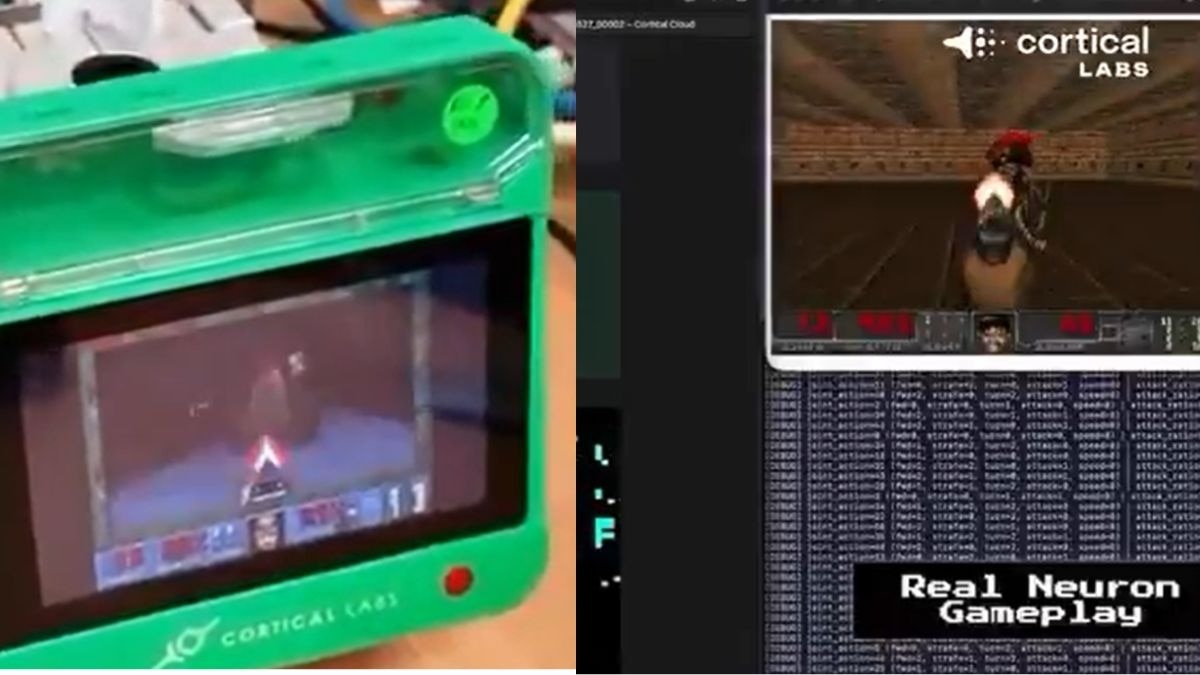
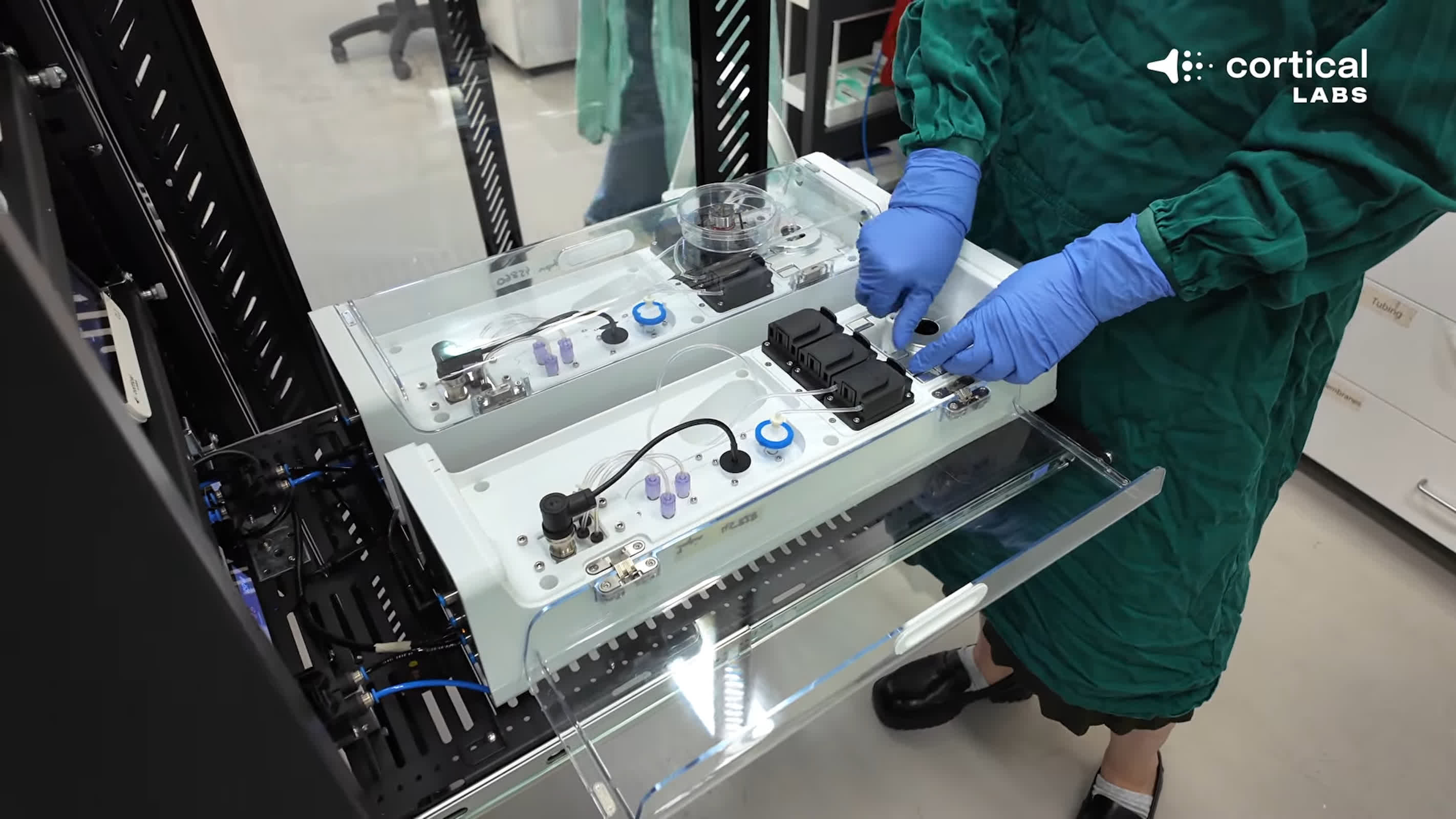
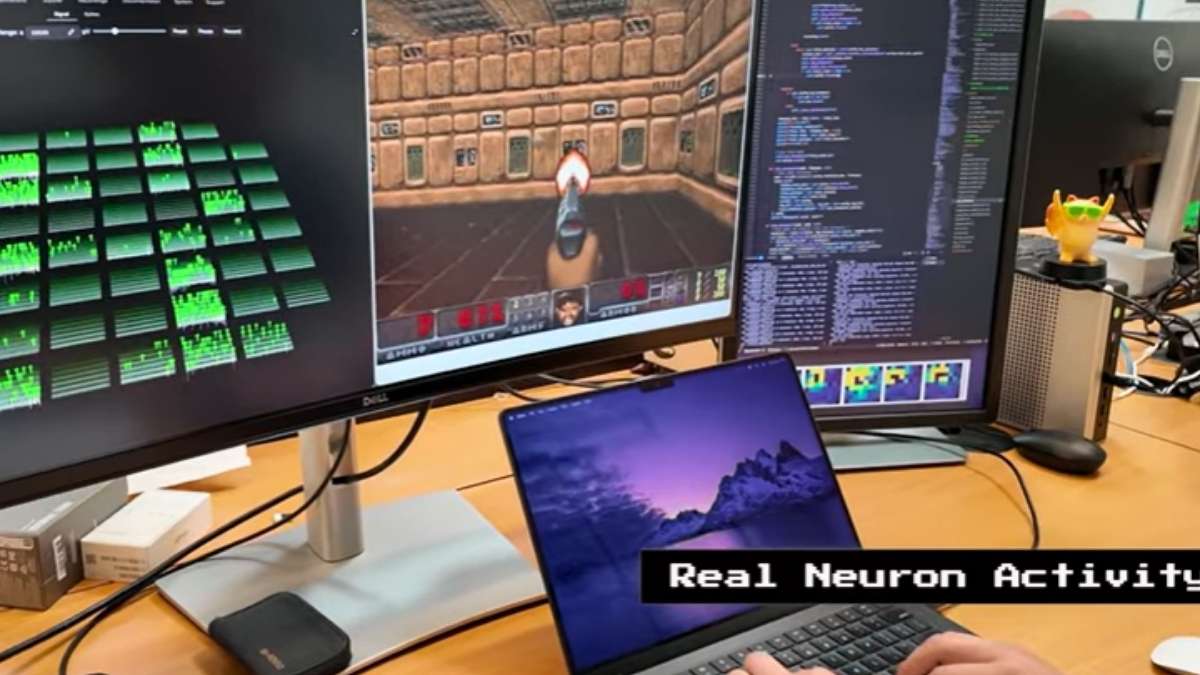
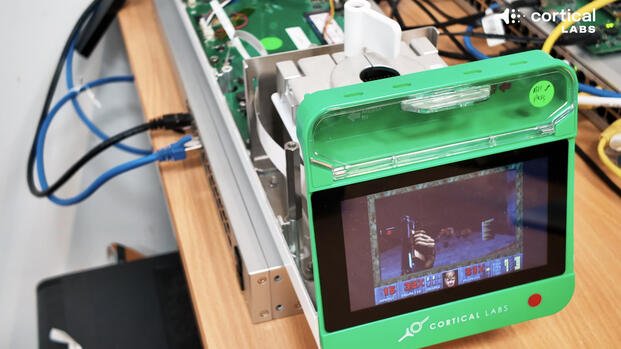
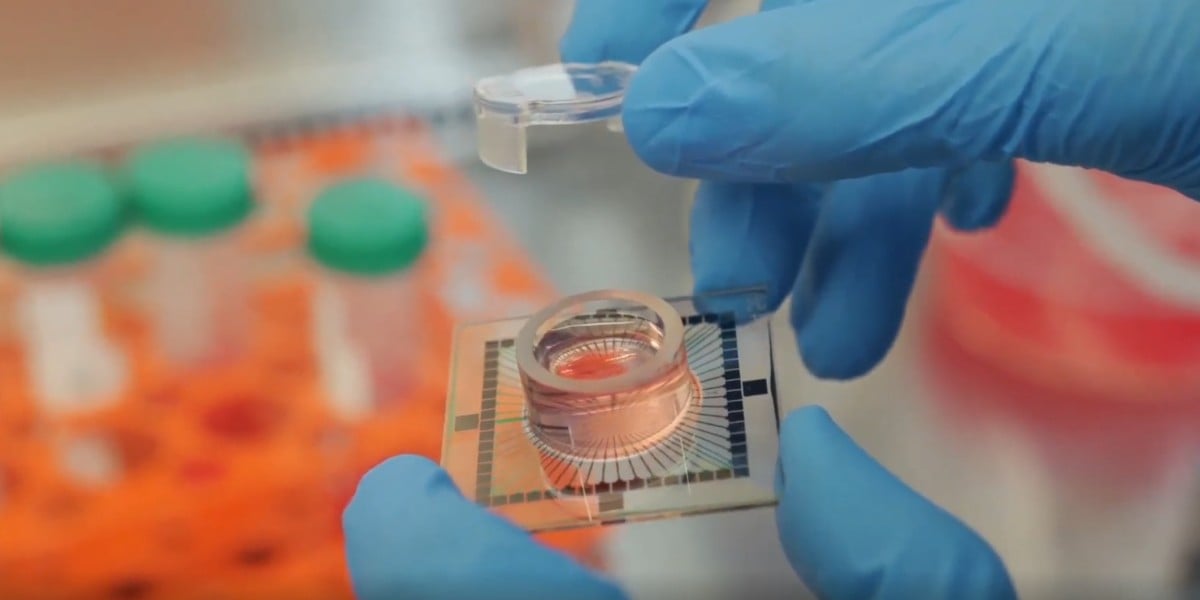
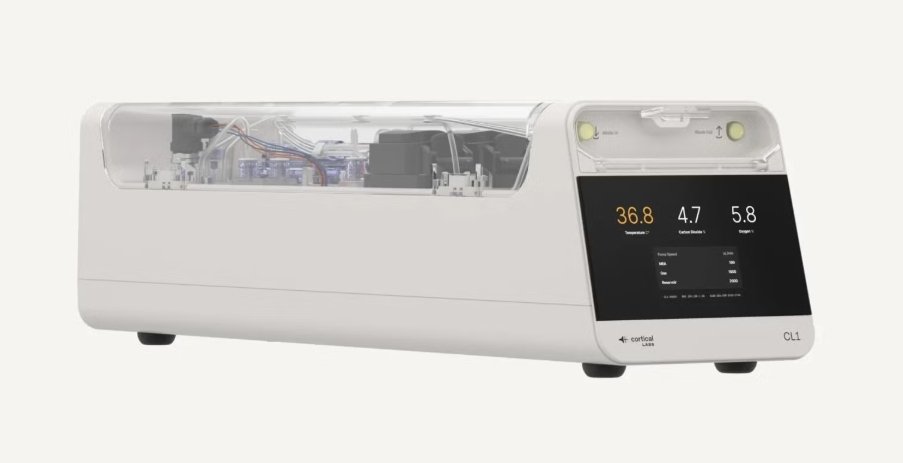
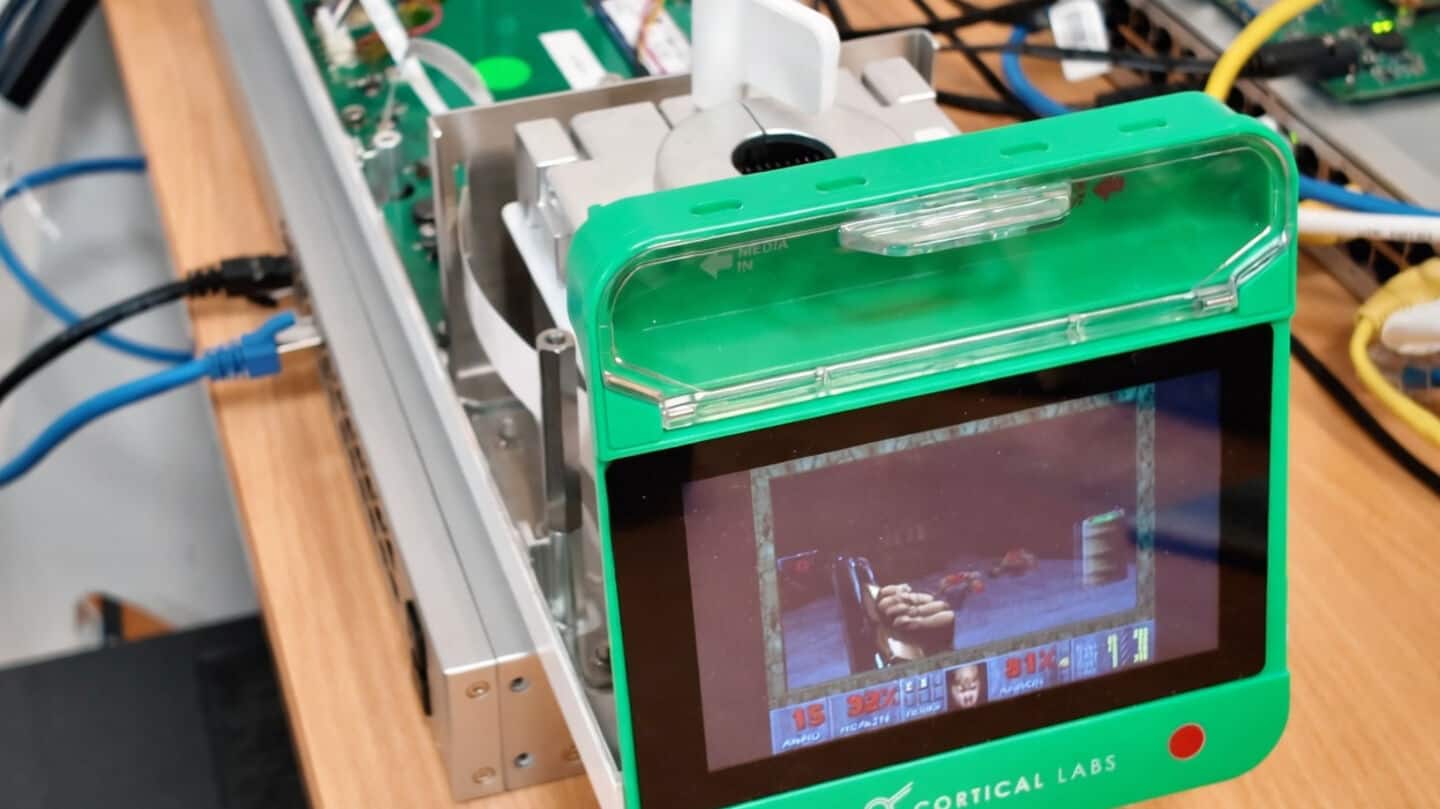
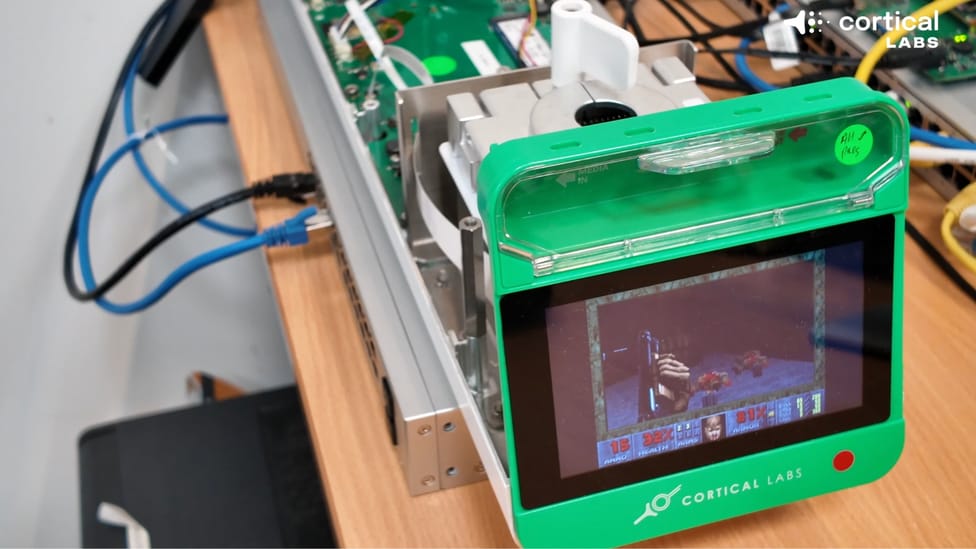
Cortical Labs' March 2026 breakthrough demonstrates biological computing's emergence as a transformative AI alternative for e-commerce sellers. The Australian biotech company's CL1 system—built from approximately 200,000 human neurons on multi-electrode arrays—successfully learned to play Doom within one week, proving that biological neural networks can solve complex pattern recognition and decision-making tasks faster and with 70-80% less energy consumption than traditional silicon-based AI systems. This milestone follows their 2022 DishBrain achievement of teaching neurons to play Pong, establishing a consistent trajectory toward commercialization.
For e-commerce sellers, this breakthrough signals a critical inflection point in AI infrastructure costs and capabilities. Cortical Labs has already launched a cloud service featuring 120 CL1 units available via API, with customers paying via credit card for computational access. Most early adopters rent 3-4 units for experimental work requiring result duplication and control groups—a model directly applicable to sellers needing advanced product recommendation engines, dynamic pricing optimization, and customer churn prediction. The one-week preparation timeline (including cell sourcing and environmental setup) indicates the technology is transitioning from pure research to operational deployment. CEO Hon Weng Chong explicitly states that biological computers can "learn from simulated environments and develop novel solutions faster than classical computers," addressing a critical limitation in current AI systems: their struggle with edge cases and novel scenarios that plague traditional recommendation algorithms.
The competitive advantage window for early-adopting sellers is substantial but closing. The industry acknowledges it awaits a "cell foundry" equivalent to semiconductor manufacturer TSMC to achieve mass accessibility—meaning the next 12-18 months represent a critical period where sellers using biological computing APIs will gain unfair advantages in pattern recognition tasks before the technology commoditizes. Sellers currently using traditional machine learning for product recommendations, inventory optimization, and customer segmentation can immediately begin testing biological computing alternatives through Cortical Labs' cloud API. The energy efficiency advantage (70-80% reduction) directly translates to lower computational costs for large-scale sellers running millions of daily predictions. However, Chong maintains reservations about autonomous control, suggesting sellers should expect hybrid human-biological AI systems rather than fully autonomous decision-making in the near term.
Immediate automation opportunities exist across three seller functions: (1) Product recommendation engines can leverage biological computing's superior pattern recognition for identifying cross-sell and upsell opportunities in sparse data scenarios; (2) Dynamic pricing algorithms can use biological neural networks to detect subtle demand signals and competitor pricing patterns faster than traditional ML; (3) Customer behavior prediction can employ biological computing to identify churn risk and lifetime value with higher accuracy on edge cases (new customer segments, emerging product categories). The open API approach Cortical Labs released invites sellers to refine learning rules and reward signals—creating a collaborative ecosystem where sellers can customize biological AI to their specific category dynamics.
Questions 8
What are the risks of adopting biological computing before the technology matures?
Current biological computing performance remains basic—the CL1 system's Doom gameplay is comparable to a first-time human player, indicating early-stage capabilities. Sellers adopting now should expect: (1) Limited accuracy on complex tasks requiring millions of parameters; (2) Dependency on a single vendor (Cortical Labs) with no backup infrastructure; (3) Potential regulatory uncertainty around biological computing in commerce; (4) Preparation timelines that prevent real-time decision-making. CEO Chong explicitly maintains reservations about autonomous control, suggesting sellers should expect hybrid human-biological systems rather than fully autonomous AI. Risk mitigation requires sellers to treat biological computing as experimental infrastructure for 12-18 months, running parallel tests with traditional ML before fully committing. Budget 10-15% of AI infrastructure spending for biological computing pilots rather than wholesale migration.
How does the one-week preparation timeline affect seller implementation of biological computing?
Cortical Labs requires approximately one week per job for cell sourcing and environmental setup, meaning sellers cannot expect real-time or on-demand biological computing like cloud AI services today. This timeline is suitable for batch processing tasks (weekly demand forecasts, monthly pricing optimization, quarterly customer segmentation) but not for real-time personalization. Sellers should plan biological computing for strategic, high-impact decisions rather than millisecond-level personalization. The preparation timeline also suggests sellers should batch multiple analyses into single CL1 unit rentals to maximize efficiency. For a seller running weekly demand forecasts, monthly pricing reviews, and quarterly customer analysis, one CL1 unit could handle all three tasks within a single week-long rental cycle, reducing costs versus separate rentals.