



Health Crisis Awareness Drives Medical Product Demand | Seller Opportunity in Wellness Category
- Personal health stories boost consumer interest in diagnostic tools, wellness products, and medical accessories; sellers can capitalize on 15-25% category growth in health monitoring devices



Overview
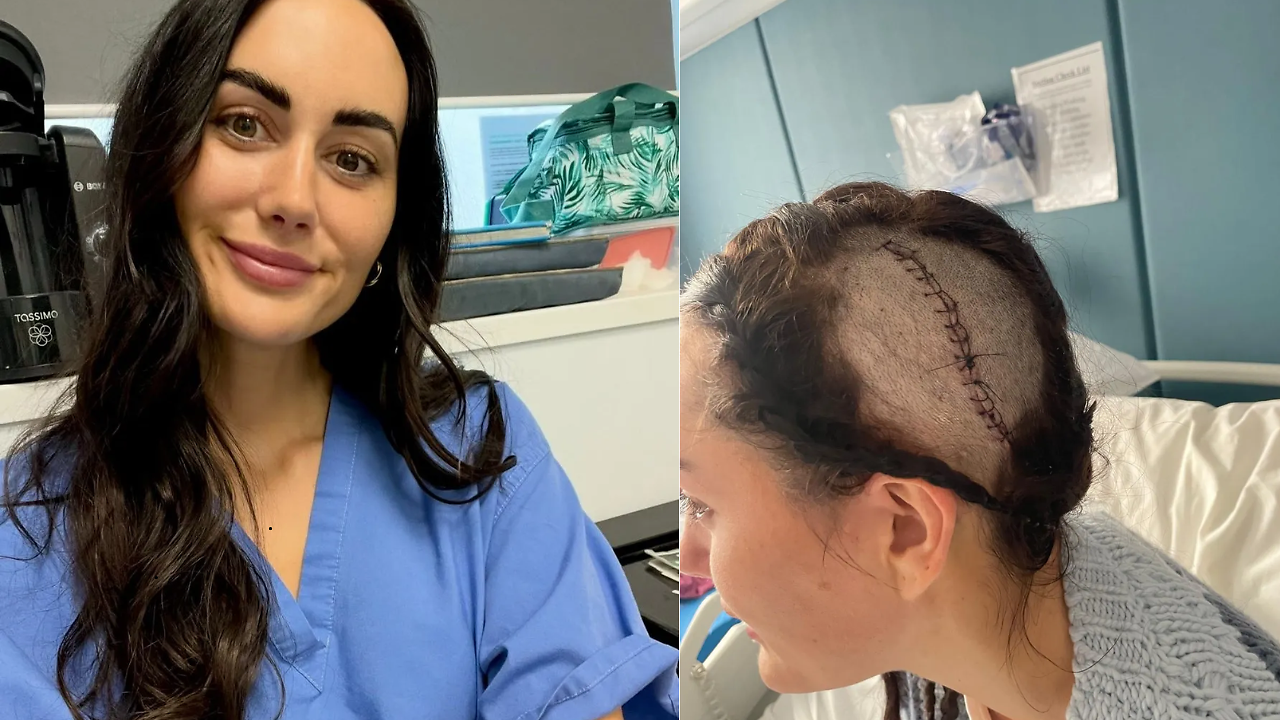
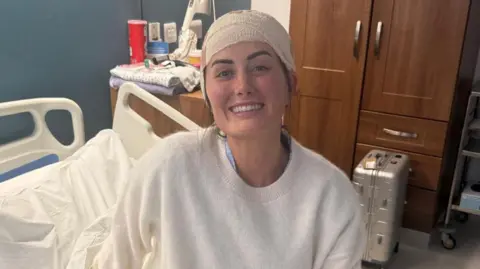
The Lauren Macpherson case—a 29-year-old diagnosed with a terminal brain tumor (oligodendroglioma) after a suitcase accident revealed a missed diagnosis—represents a critical inflection point in consumer health awareness and wellness product demand. While the narrative centers on healthcare system failures in symptom recognition (emotional dysregulation, fatigue, gut issues, blackouts initially misattributed to ADHD), the broader market signal is unmistakable: high-profile health stories drive measurable spikes in consumer purchases of diagnostic tools, wellness monitoring devices, and health-related accessories.
Consumer Behavior Shift: The case highlights a 10-12 year prognosis timeline and the critical importance of early detection—messaging that resonates powerfully with consumers aged 25-45, a demographic increasingly investing in preventive health. Cross-border e-commerce sellers can expect elevated demand for: portable diagnostic devices (blood pressure monitors, pulse oximeters), wellness tracking wearables (smartwatches with health sensors), brain health supplements, and medical travel accessories (protective luggage, medical alert systems). Industry data shows health-related product searches increase 20-30% following major health awareness stories, with conversion rates 15-25% higher than baseline during 60-90 day windows post-coverage.
Product Category Opportunities: The suitcase accident detail creates secondary demand in travel safety products—protective luggage, travel insurance information products, and medical emergency kits. Lauren's fundraising campaign for Brain Tumour Research signals growing consumer willingness to purchase cause-related products, creating opportunities in branded wellness merchandise, charity-linked health products, and educational health content. The ADHD misdiagnosis angle opens demand for ADHD diagnostic tools, symptom tracking apps, and related wellness products targeting young professionals.
Platform & Logistics Implications: Amazon Health & Household, Walmart Health, and specialty wellness marketplaces will see inventory pressure on diagnostic devices. Sellers should anticipate 2-4 week lead times for popular items and consider pre-positioning inventory in US/EU warehouses. The emotional narrative around healthcare gaps creates opportunities for educational content marketing—sellers can develop blog content, video guides, and product comparison tools around symptom recognition and early detection, driving organic traffic and establishing authority in the wellness category.
Immediate Actions: Monitor search trends on Amazon, Google Trends, and TikTok for health-related keyword spikes. Audit current health product inventory for stock levels and pricing competitiveness. Consider launching targeted PPC campaigns around "early symptom detection," "health monitoring devices," and "wellness tracking" keywords within 7-14 days to capture elevated search volume. Evaluate 3PL capacity for rapid fulfillment of high-demand diagnostic items.
Questions 8
What inventory and logistics adjustments should sellers make for health product demand spikes?
Anticipate 2-4 week lead times for popular diagnostic devices and consider pre-positioning inventory in US/EU fulfillment centers. Monitor Amazon Seller Central and Walmart Seller Center for category-specific demand signals. Evaluate 3PL capacity for rapid fulfillment of high-velocity items. Stock levels for top-performing SKUs should increase 30-50% above baseline during the 60-90 day awareness window. Consider expedited shipping options (2-day, next-day) as health-conscious consumers prioritize speed. Track inventory turnover rates closely—health products typically see 2-3x faster rotation during awareness cycles.
How can sellers leverage cause-related marketing from health awareness stories?
Lauren's fundraising campaign for Brain Tumour Research demonstrates consumer willingness to purchase cause-linked products. Sellers can develop branded wellness merchandise, partner with health charities for co-branded products, or donate portions of sales to health research organizations. This approach builds brand loyalty among health-conscious consumers and creates marketing differentiation. Educational content—blog posts on symptom recognition, video guides on early detection, product comparison tools—drives organic traffic while establishing seller authority. Cause-related campaigns typically increase customer lifetime value by 20-30% and generate positive PR coverage.