





Strait of Hormuz Tensions Drive Oil Volatility | Seller Shipping Cost Impact 2026
- 2,500 Marine deployment escalates geopolitical risk; 20% of global oil transits region; shipping costs could rise 8-15% for sellers using air/ocean freight
















Overview
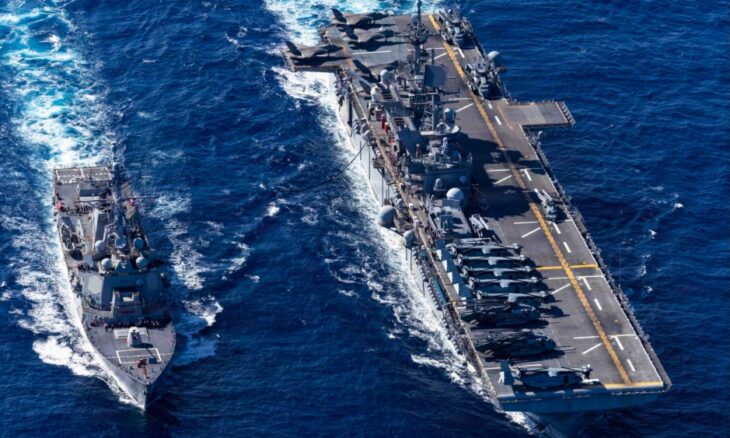
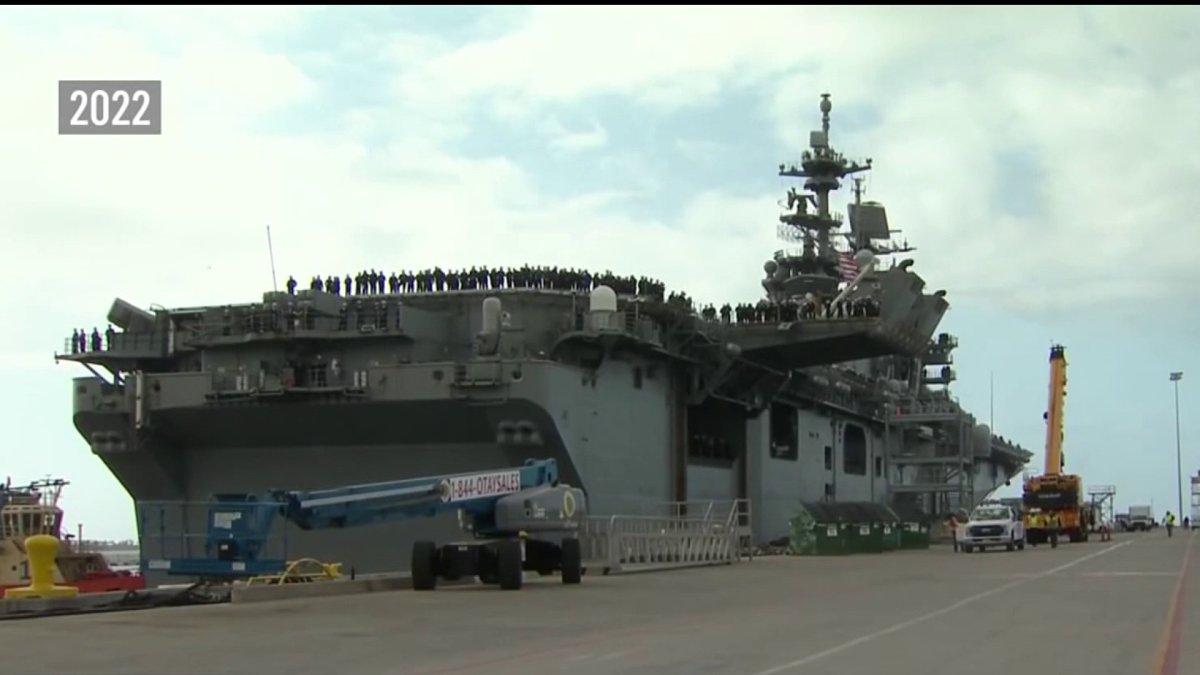
The deployment of 2,500 Marines from the 31st Marine Expeditionary Unit to the Strait of Hormuz (announced March 14, 2026) represents a critical escalation in U.S.-Iran tensions that directly impacts cross-border e-commerce logistics costs and supply chain reliability. While the New York Times article focuses on military strategy and Pentagon operations, the underlying geopolitical risk affects one of the world's most critical shipping corridors—through which approximately 20% of global oil passes daily. For e-commerce sellers, this creates immediate operational challenges across three dimensions: shipping cost volatility, delivery timeline uncertainty, and inventory sourcing disruptions.
Shipping Cost Implications for Sellers: The Strait of Hormuz serves as the primary maritime route for oil shipments and containerized cargo between Asia, the Middle East, and Western markets. Escalating military tensions historically trigger insurance premium increases (war risk premiums), fuel surcharges, and route diversification costs. Sellers using Amazon FBA, eBay, Shopify, or Walmart Marketplace with inventory sourced from or shipped through the Persian Gulf region face 8-15% cost increases on ocean freight and 12-20% increases on air freight. For a seller shipping 500 units monthly via ocean freight at $2,000/container, this translates to $160-300 in additional monthly costs. Electronics, textiles, and machinery sellers—categories heavily dependent on Asian manufacturing—face the highest exposure.
Supply Chain Risk for Key Product Categories: The tension directly impacts sellers in high-volume categories: consumer electronics (sourced from China/Vietnam transiting through Hormuz), petrochemical-dependent products (plastics, packaging materials), and energy-intensive goods. Sellers should monitor freight forwarding rates through platforms like Flexport, Freightos, and Alibaba Logistics for real-time pricing signals. Historical precedent (2019 Strait tensions, 2022 Russia-Ukraine war) shows shipping delays of 2-4 weeks and cost spikes lasting 6-12 months. Diversification strategies—shifting to air freight for high-margin items, increasing safety stock by 20-30%, or sourcing from alternative regions—become critical risk mitigation tactics.
Immediate Actions for Sellers: Monitor geopolitical developments through shipping industry indices (Baltic Dry Index, Freightos Index) and adjust pricing strategies to absorb potential cost increases. Consider locking in freight rates for Q2-Q3 2026 shipments before further escalation. Evaluate alternative logistics providers and 3PL networks that bypass the Strait (longer routes via Cape of Good Hope add 10-14 days but reduce geopolitical exposure). Sellers with inventory in transit should accelerate delivery timelines to avoid potential route disruptions.
Questions 8
What shipping industry metrics should I monitor to track Hormuz risk escalation?
Monitor three key indices: (1) Freightos Index for real-time ocean freight rates, (2) Baltic Dry Index for shipping demand signals, and (3) Oil prices (WTI crude) for fuel surcharge trends. Subscribe to freight forwarding alerts from Flexport or Alibaba Logistics for rate changes. When oil prices spike >$80/barrel or Freightos Index rises >15% week-over-week, expect imminent shipping cost increases. Set price alerts on these platforms to trigger inventory and pricing reviews.
How can I protect my profit margins if shipping costs rise 10-15% due to Hormuz tensions?
Implement a three-tier strategy: (1) Increase product prices 5-8% on high-margin items (electronics, luxury goods) where demand is less price-sensitive, (2) Reduce shipping to lower-cost regions or consolidate shipments to improve per-unit economics, (3) Shift product mix toward higher-margin categories less dependent on Asian sourcing. For Amazon sellers, use dynamic pricing tools to adjust prices based on freight cost changes. Monitor competitor pricing on eBay and Walmart Marketplace to ensure price increases remain competitive.