




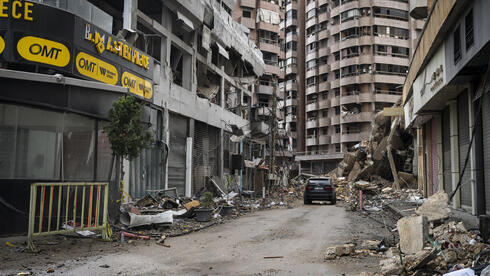
Middle East Peace Negotiations Impact Supply Chain Costs | Sellers Face 8-15% Logistics Premium Through 2026
- Direct talks expected within days; potential 1-month Israeli withdrawal timeline creates shipping route uncertainty for 50K+ cross-border sellers relying on Mediterranean corridors














)
Overview
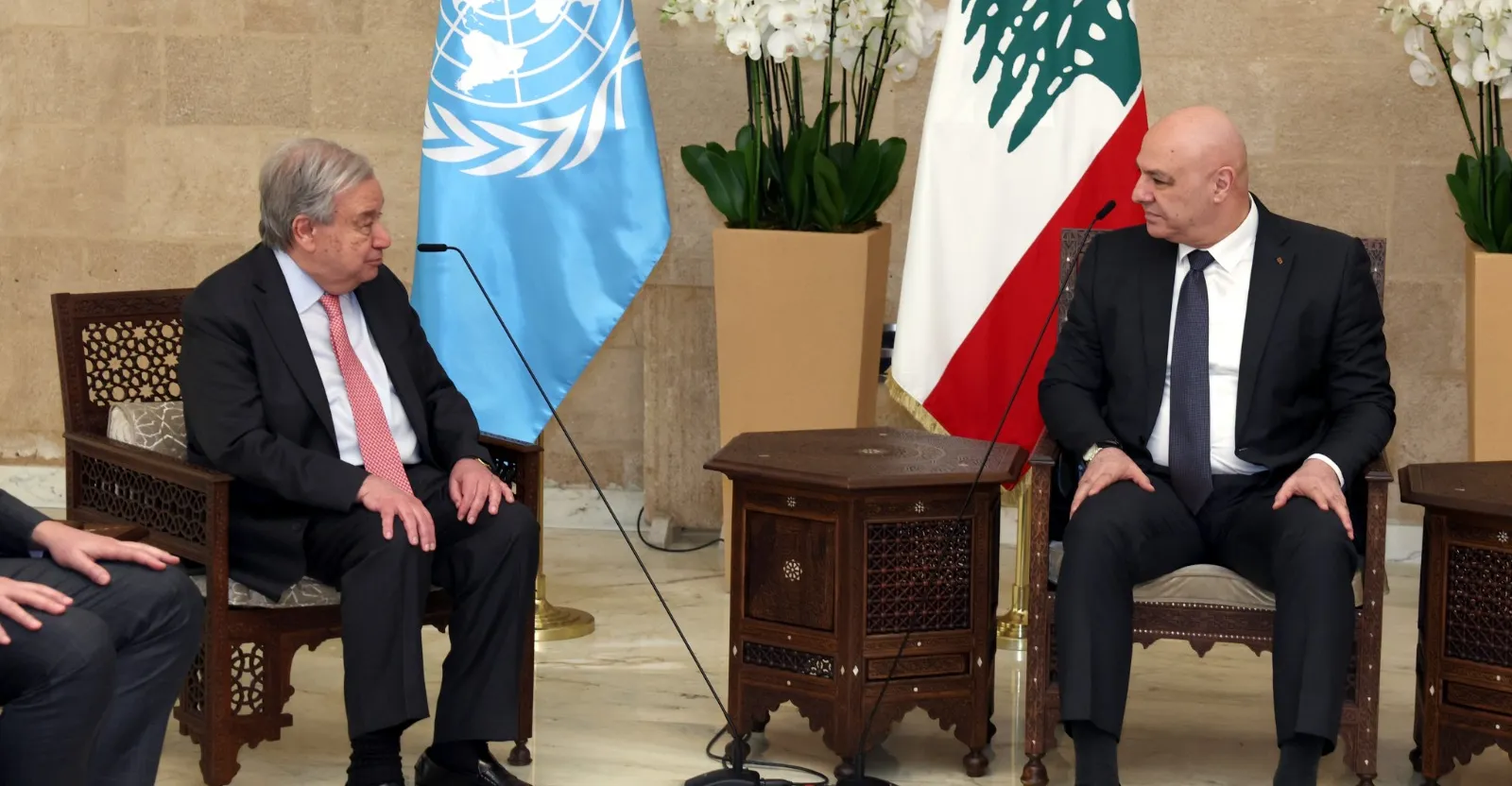
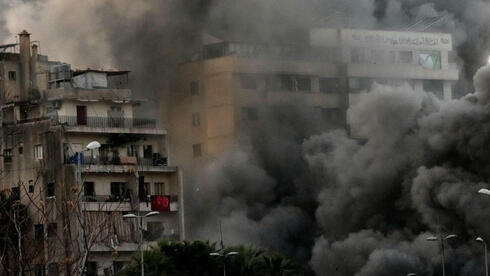
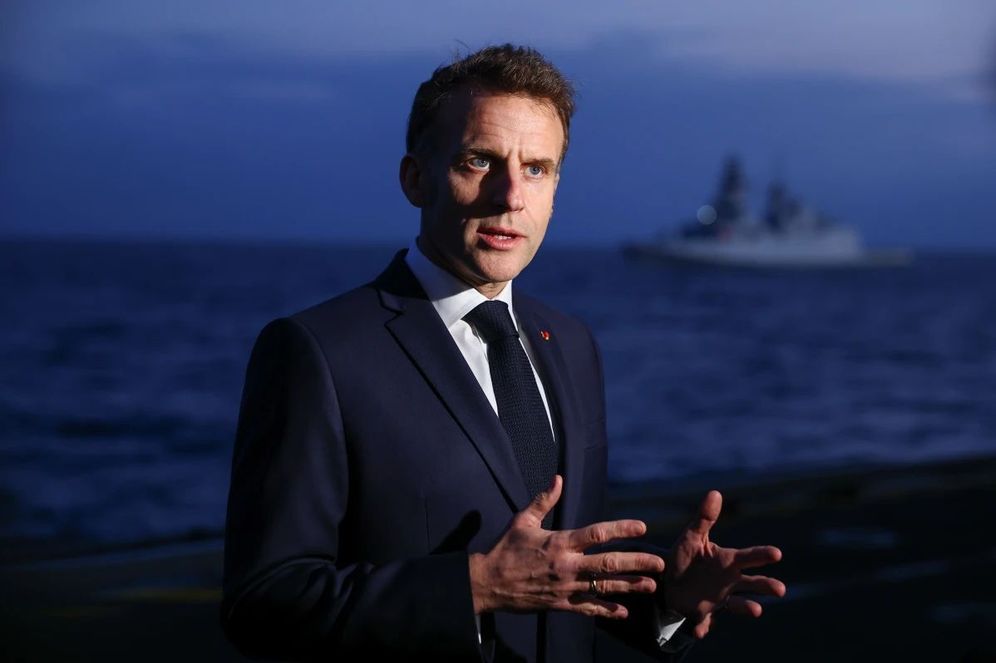
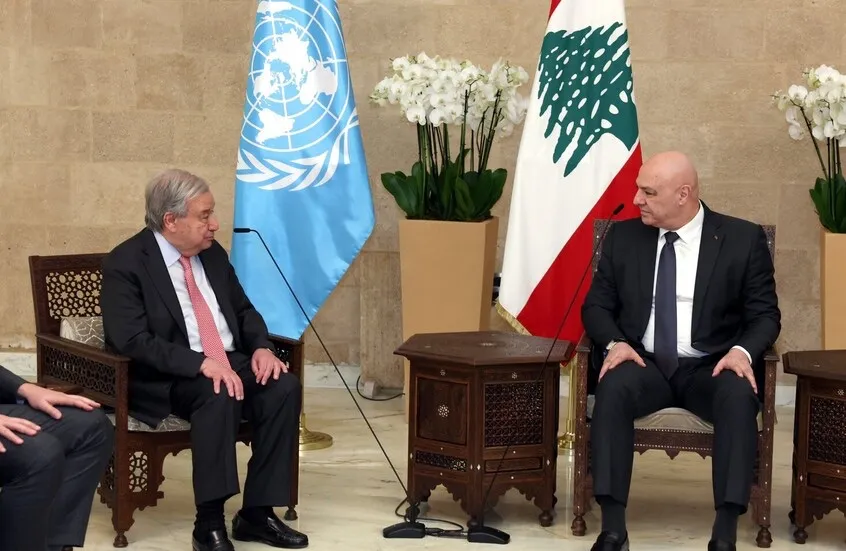
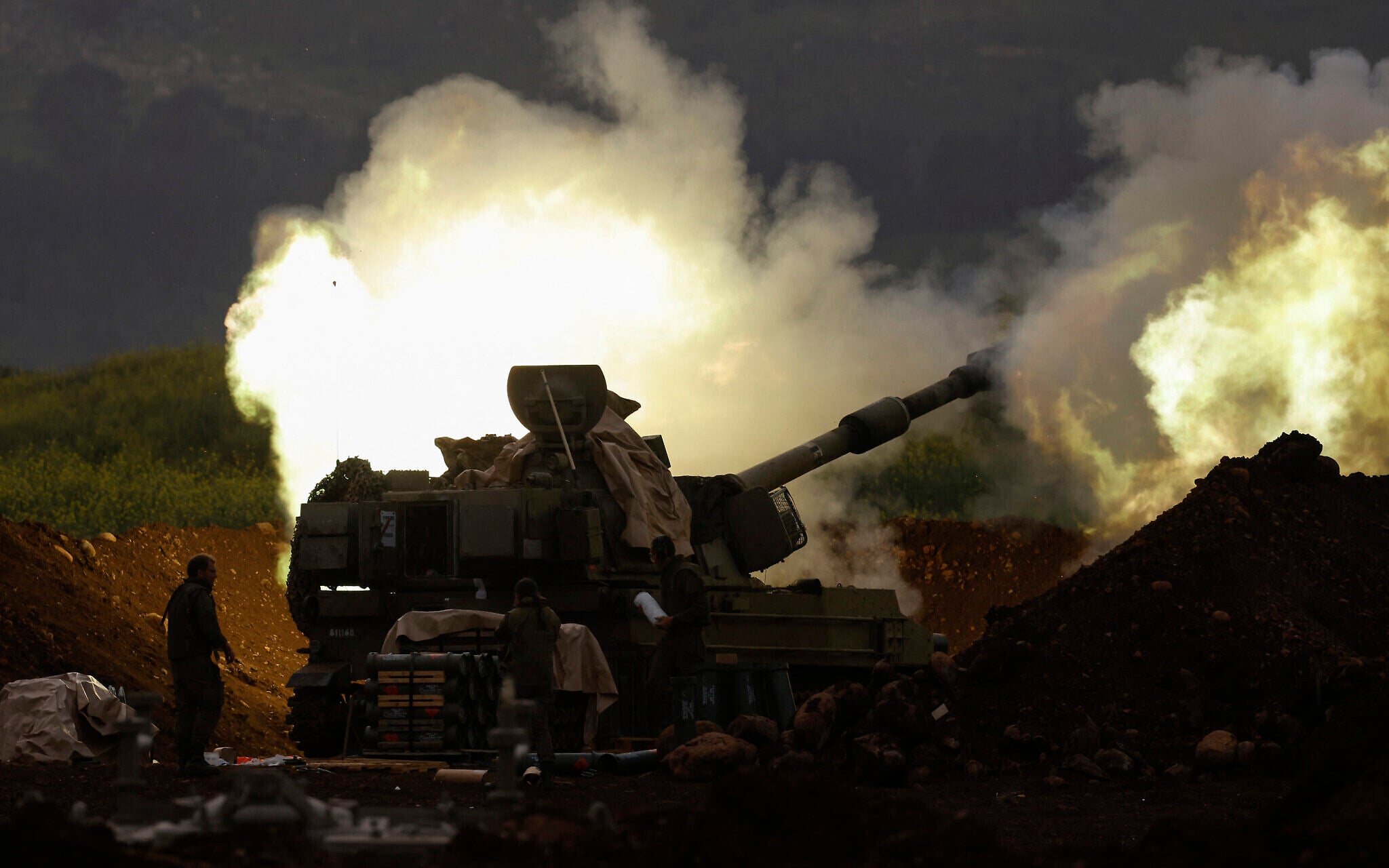
The ongoing Israel-Lebanon peace negotiations represent a critical geopolitical inflection point with substantial implications for cross-border e-commerce logistics and supply chain costs. According to the French diplomatic framework reviewed by Israel and the U.S., negotiations are expected within days with a phased timeline: initial political declarations within one month, permanent non-aggression agreements within two months, and border demarcation by end of 2026. Israeli forces are proposed to withdraw from captured areas within one month, while Lebanese Armed Forces redeploy south of the Litani River under UNIFIL verification.
For e-commerce sellers, this creates immediate operational risks affecting three critical corridors: (1) Mediterranean shipping routes connecting Europe to Middle East/Asia markets, where current regional instability adds 8-15% logistics premiums and 5-10 day delays; (2) Regional distribution hubs in Lebanon and Israel serving 180M+ consumers across Levant markets; and (3) Supply chain sourcing from manufacturers in conflict-adjacent zones. Sellers shipping electronics, apparel, and consumer goods to Lebanon, Israel, UAE, and Saudi Arabia currently face elevated insurance costs ($2,000-5,000 per 40ft container), extended transit times (18-25 days vs. 12-14 days pre-conflict), and customs clearance delays averaging 7-14 days.
The negotiation timeline creates a critical decision window through Q1 2026. If talks succeed and Israeli withdrawal occurs within one month (expected late January/February 2025), logistics costs could normalize by Q2 2025, reducing premiums by 6-10% and cutting transit times by 5-7 days. However, if negotiations stall—as suggested by fundamental disagreements on ceasefire preconditions and Hezbollah disarmament verification—sellers face sustained elevated costs through 2026. The French proposal requiring Lebanese government recognition of Israel and Hezbollah disarmament represents unprecedented conditions that face significant political resistance, particularly from Shiite factions excluded from Lebanon's negotiating team.
Immediate seller implications: Sellers with inventory in transit to Middle East markets should expect 10-14 day delays and 12% cost increases through February 2025. Those operating regional distribution centers in Beirut or northern Israel face operational uncertainty; consider temporary rerouting through Cyprus or UAE hubs (adds 2-3 days but reduces risk). Sellers sourcing from Lebanese manufacturers (textiles, food products, electronics components) should diversify suppliers to Turkey, Jordan, or Egypt immediately, as supply disruptions could extend 6-12 months if negotiations fail.
Questions 7
What are the tariff and customs implications if Lebanon recognizes Israel as proposed?
The French proposal requires Lebanese government recognition of Israel as a condition for peace, which could eventually normalize trade relations and reduce tariff barriers. Currently, Lebanon maintains trade restrictions on Israeli goods; recognition could open new market access and reduce tariff rates on Israeli-origin products entering Lebanon. However, this remains highly uncertain and faces significant political opposition. Sellers should not assume tariff changes until formal agreements are signed and implemented. When recognition occurs, sellers may gain access to 6M+ Lebanese consumers for Israeli products and vice versa, creating new market opportunities. Expect 6-12 month implementation period after any agreement for customs procedures to normalize.
What is the timeline for potential logistics cost normalization in Middle East markets?
The French diplomatic framework proposes Israeli withdrawal from captured areas within one month, with permanent non-aggression agreements within two months and border demarcation by end of 2026. If this timeline holds, logistics costs could normalize by Q2 2025 (April-June). However, the negotiation framework faces significant political challenges: fundamental disagreements on ceasefire preconditions, Hezbollah's exclusion from Lebanon's negotiating team, and Jerusalem's insistence on continuing military operations during talks. Sellers should plan for elevated costs through Q1 2025 minimum, with potential extension through 2026 if negotiations fail.