



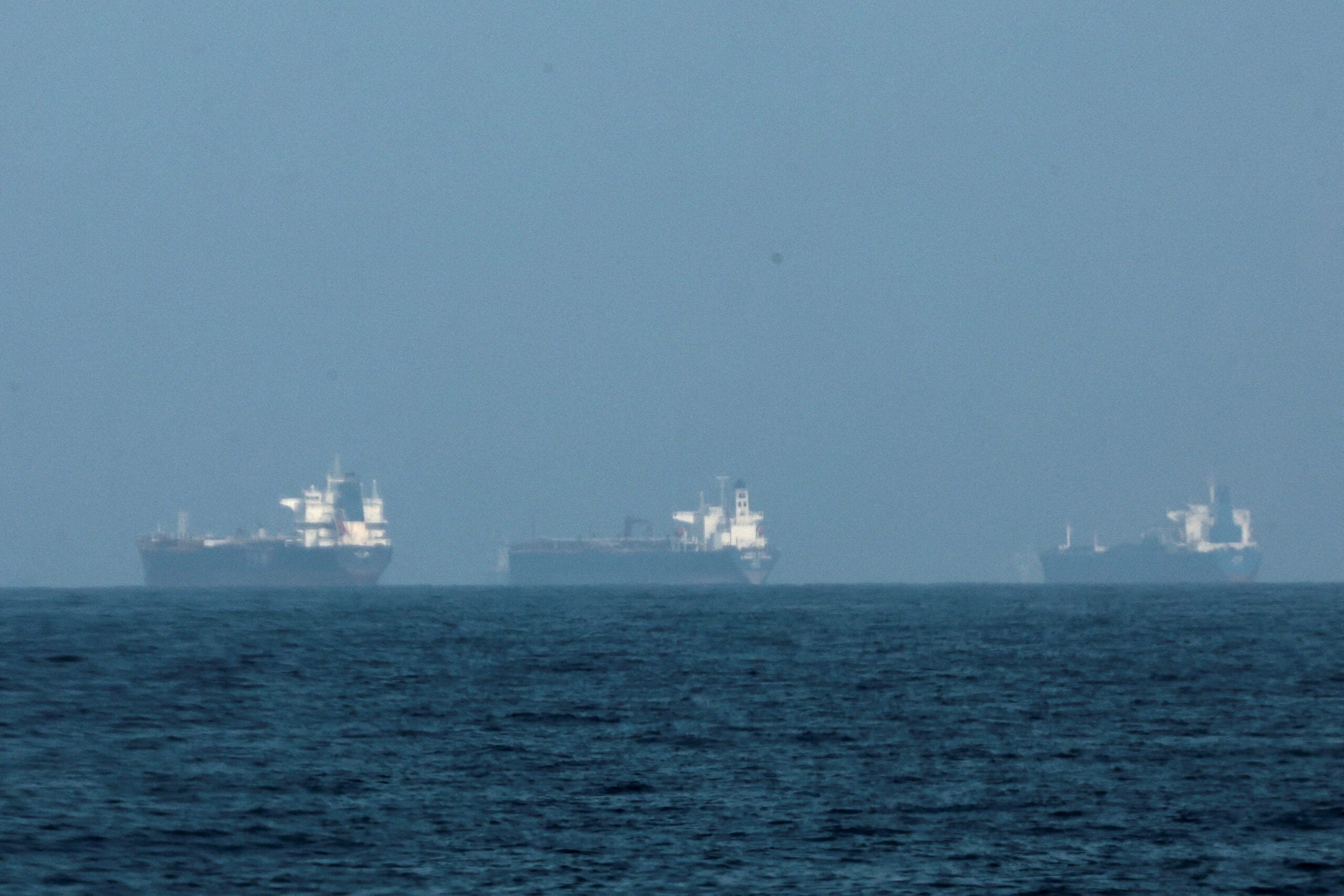

Strait of Hormuz Disruptions Drive 8-15% Shipping Cost Surge for Cross-Border Sellers
- 21% of global petroleum flows through contested waterway; air freight rerouting adds $300-800 per shipment; Middle East logistics hubs face 3-6 week delays

)






)






Overview
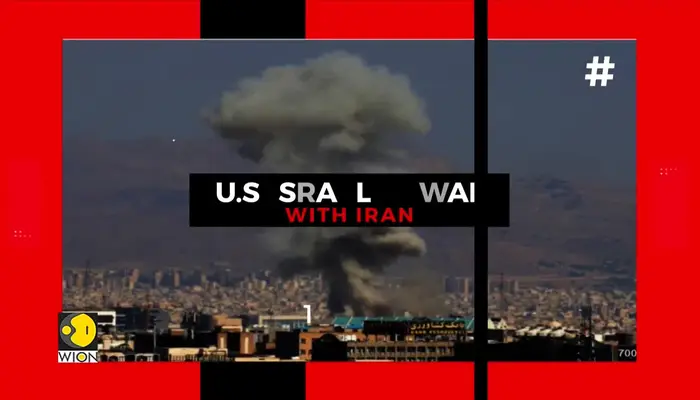
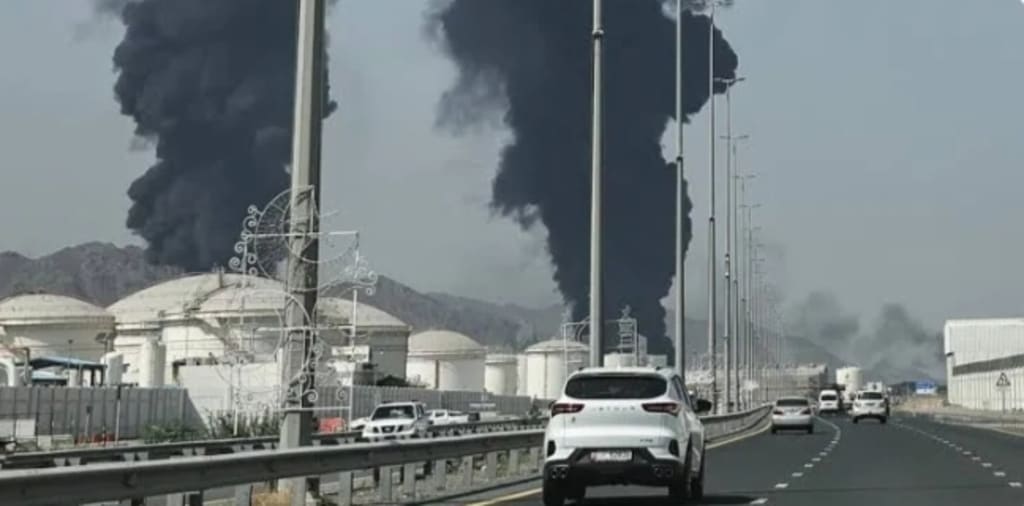
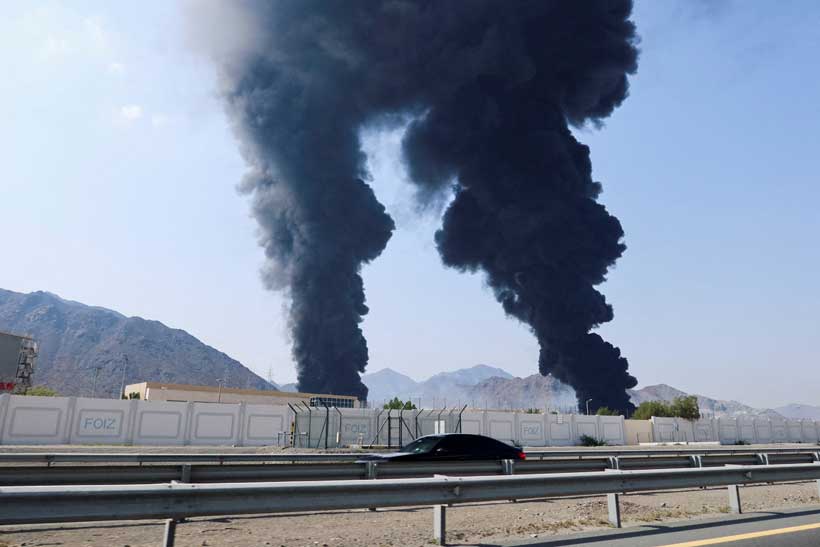
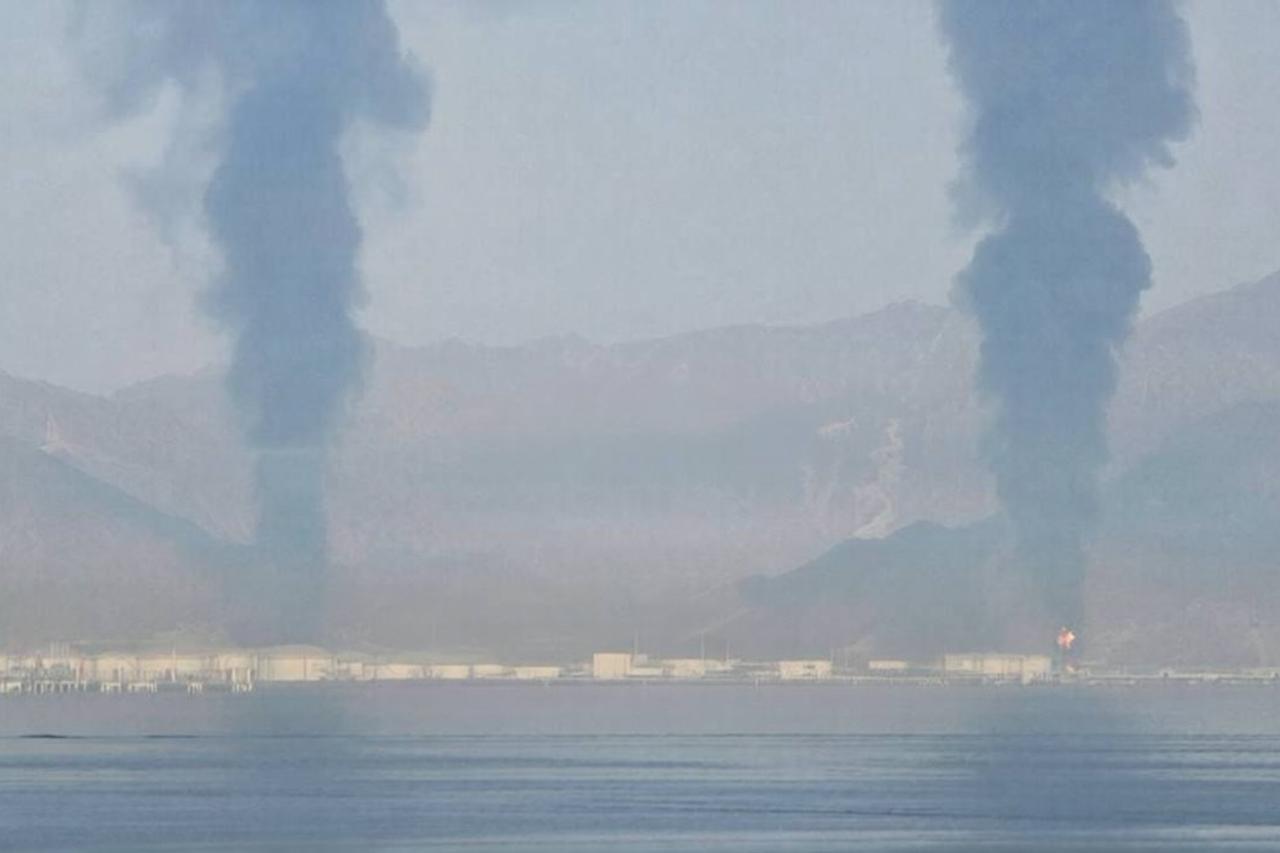
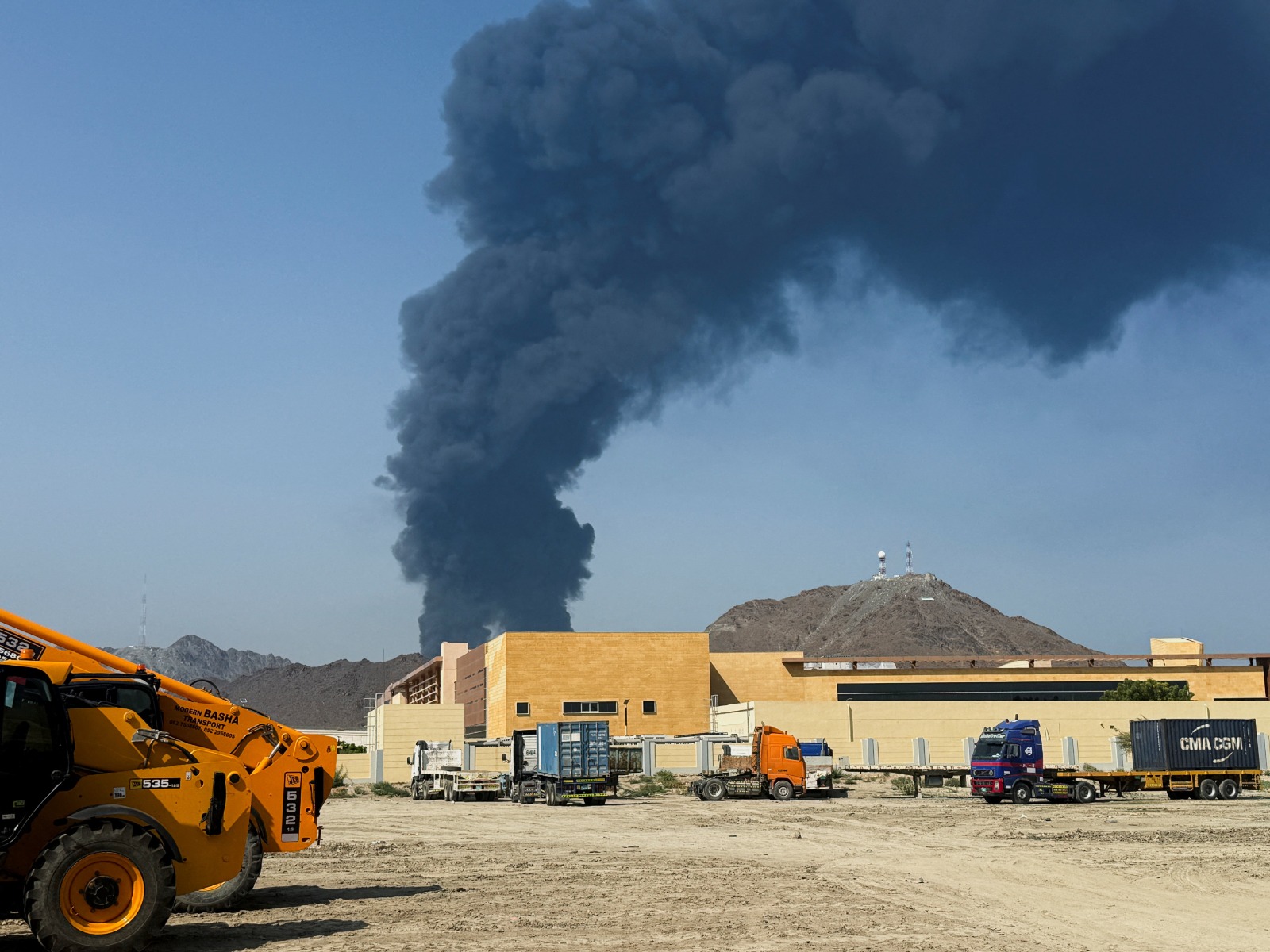
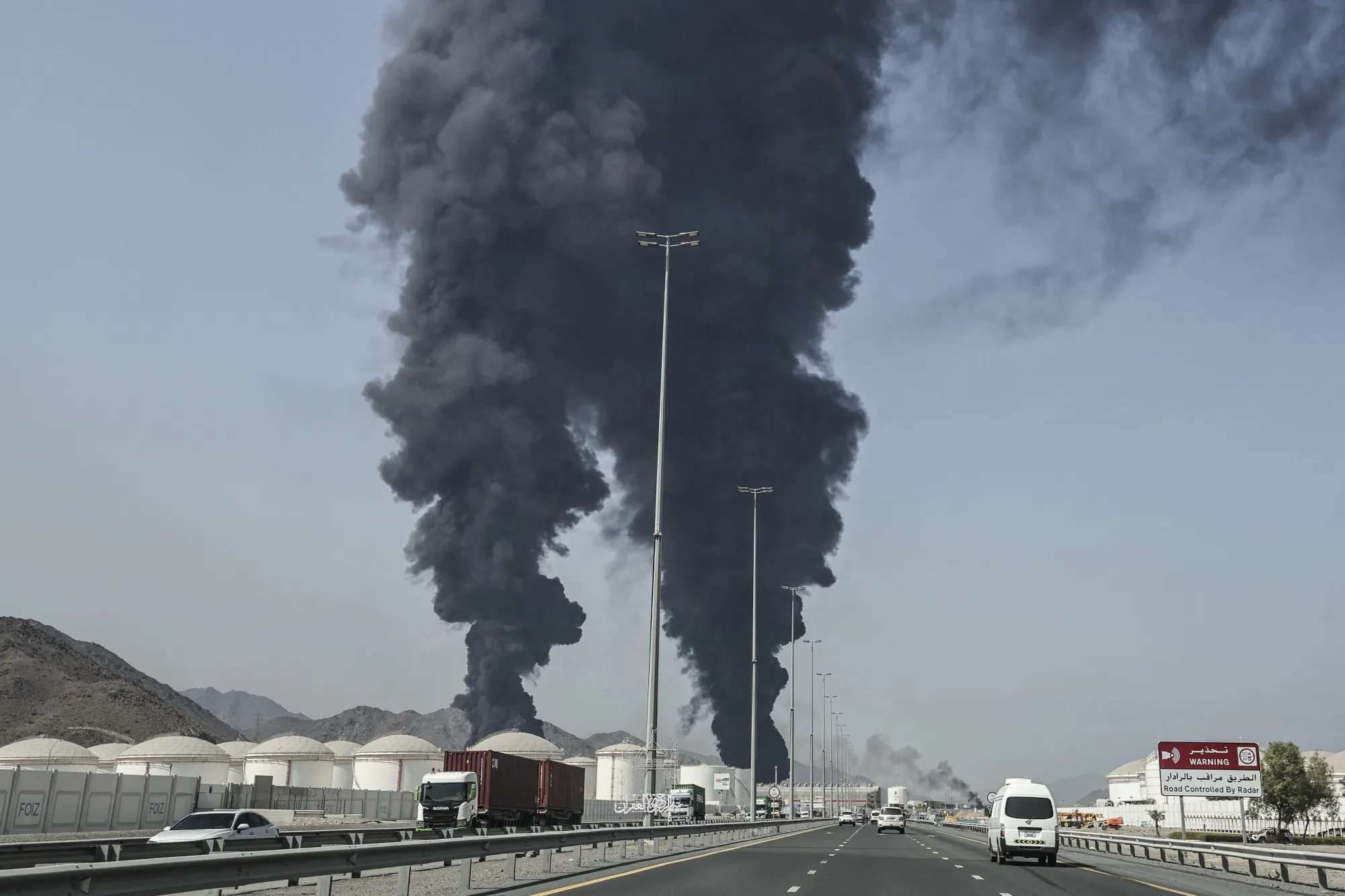
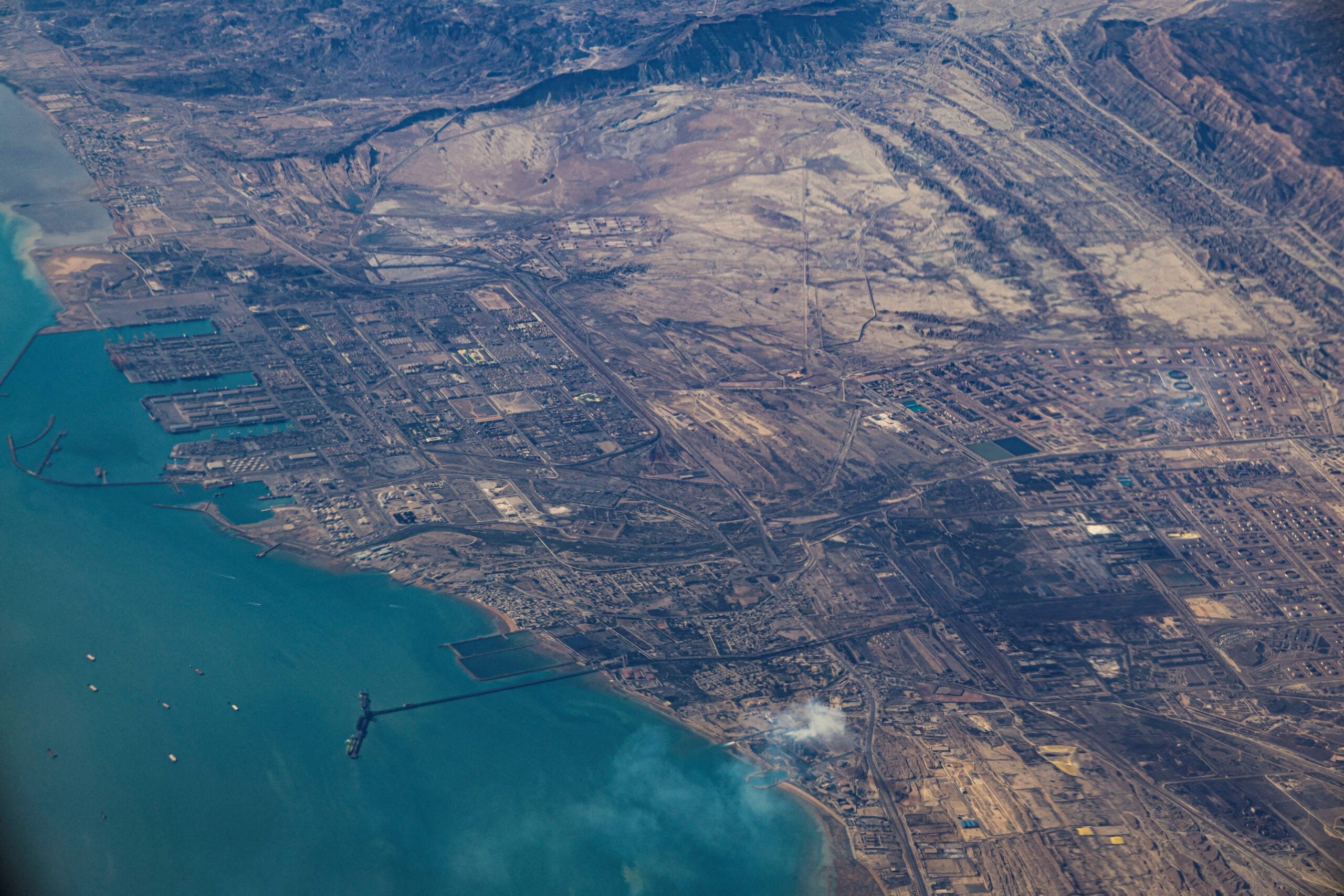
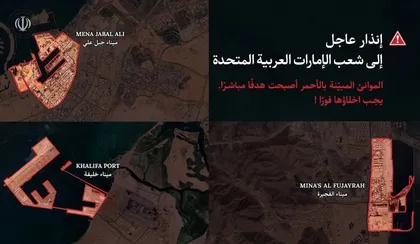
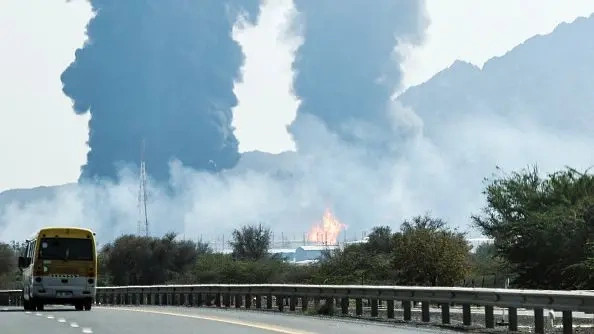
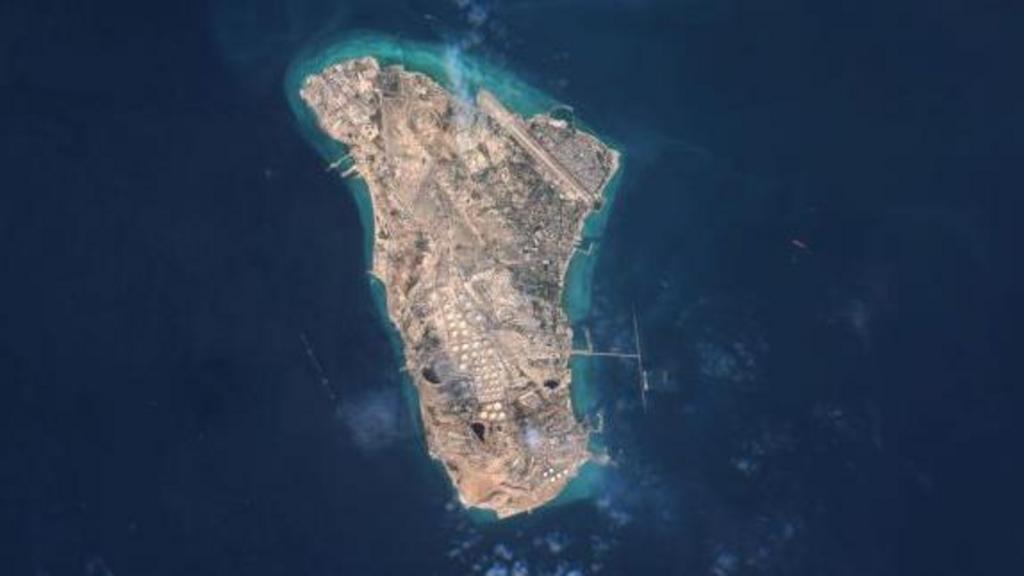
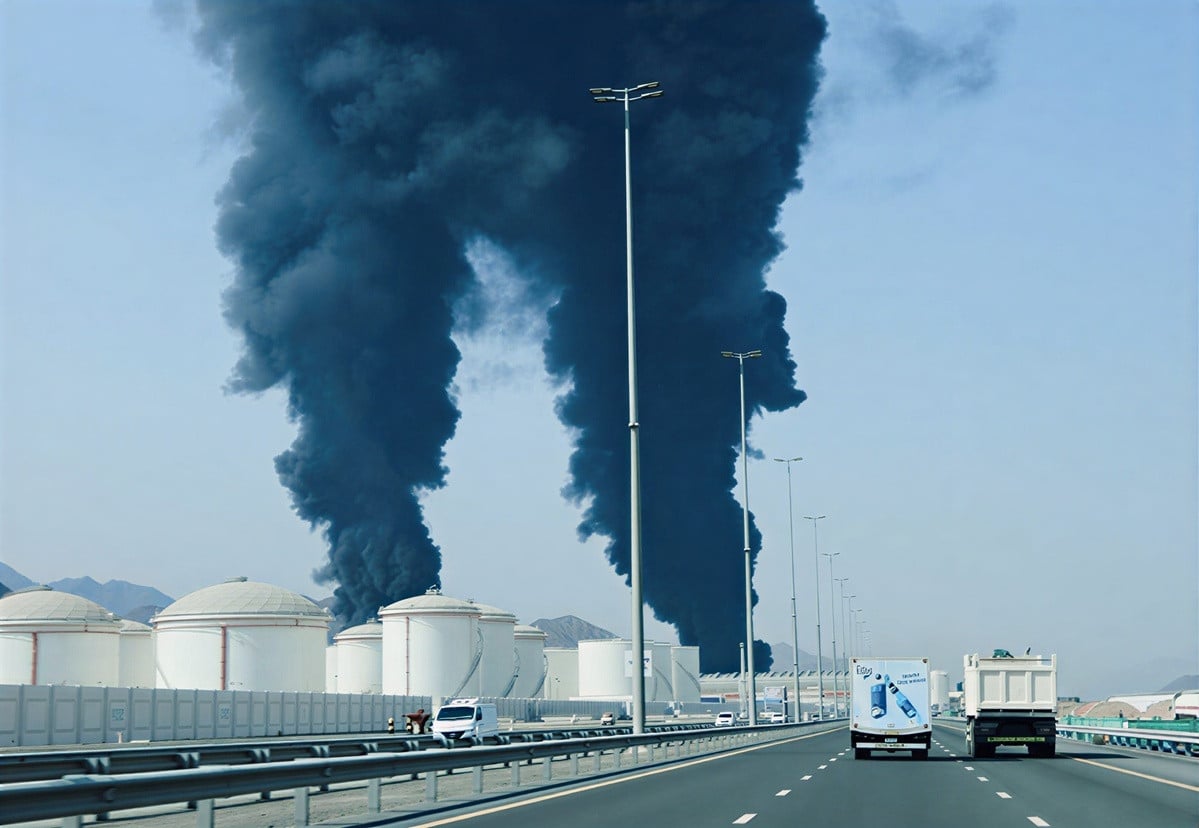
The escalating Iran-US military conflict in the Middle East has created a critical supply chain crisis for cross-border e-commerce sellers, with direct operational and financial consequences. The Strait of Hormuz—through which approximately 21% of global petroleum passes and a significant volume of containerized cargo transits—faces unprecedented disruption risk as Iranian ballistic missiles and drones target regional infrastructure. Kuwait International Airport's radar system was damaged, the UAE intercepted 42 aerial threats, and Saudi Arabia faced drone attacks on Riyadh. These developments represent the third consecutive week of active conflict, forcing Formula 1 to cancel April races in Bahrain and Saudi Arabia, signaling broader regional instability.
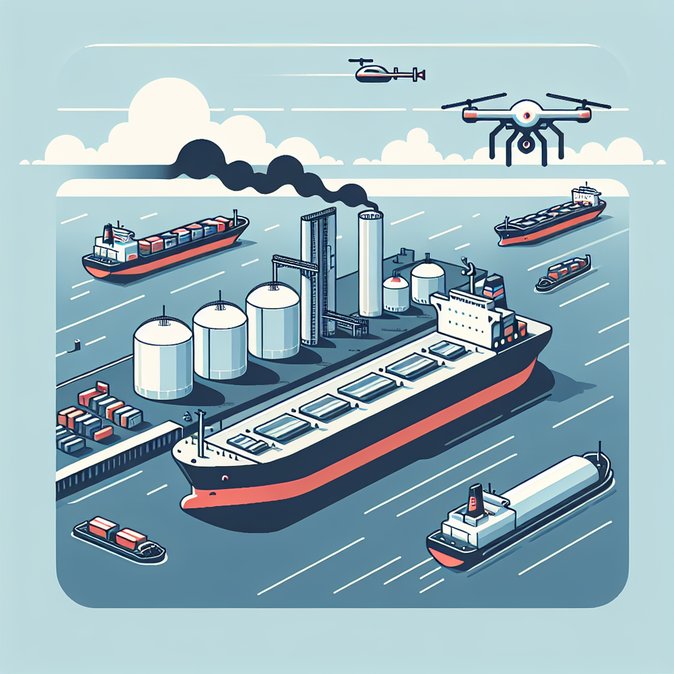
For e-commerce sellers, this creates immediate operational impacts across three critical dimensions. First, fuel-dependent shipping costs are rising sharply. Air freight through Middle Eastern hubs (Dubai, Abu Dhabi, Doha) now faces mandatory rerouting through European or Asian gateways, adding 2-4 days to transit times and increasing costs by $300-800 per shipment depending on weight and destination. Sellers shipping high-value electronics, apparel, or time-sensitive goods to EU/UK markets via Middle Eastern consolidation points must now absorb these rerouting premiums or accept delivery delays. Ocean freight costs are rising 8-12% as shipping lines add fuel surcharges and avoid the Strait entirely, routing around Africa—adding 10-14 days to Asia-Europe corridors. This particularly impacts sellers of bulk commodities (home goods, furniture, industrial supplies) where margin compression is severe.
Second, regional logistics infrastructure is becoming unreliable. Sellers with inventory in UAE, Saudi Arabia, or Kuwait warehouses face uncertainty about air freight capacity, customs clearance delays, and potential facility damage. The Pentagon's extended USS Nimitz deployment through March 2027 signals prolonged military presence, not resolution. Sellers relying on 3PL providers in these hubs must diversify to Southeast Asia (Vietnam, Thailand) or India-based fulfillment centers immediately. Third, energy price volatility cascades through all supply chains. Oil price spikes increase transportation costs across all modes, raising operational expenses for sellers dependent on fuel-intensive logistics—particularly those using expedited shipping or air freight for seasonal peaks.
Strategic sourcing shifts are accelerating. Sellers currently sourcing from China or India for Middle East/Europe markets should evaluate Vietnam, Indonesia, or India's western coast (Mundra, Kandla ports) as alternatives to avoid Strait transit risks. The tariff arbitrage opportunity here is significant: sellers can shift sourcing to countries with preferential trade agreements (Vietnam-EU, India-UAE) to offset rising logistics costs through lower tariff exposure. Additionally, sellers should accelerate inventory positioning in North American and European fulfillment centers before April 2025 to avoid peak-season disruptions.
Questions 7
How do fuel surcharges from Strait disruptions impact total e-commerce operational costs?
Fuel surcharges cascade through all supply chain modes: air freight premiums add 15-25% to base rates, ocean freight surcharges add 8-12%, and ground transportation costs rise 5-8% as fuel prices spike. For a typical seller shipping 1,000 units monthly via mixed modes, this translates to $2,000-4,000 in additional monthly costs. Sellers with high-velocity categories (electronics, apparel, home goods) experience the steepest margin compression. Fuel-intensive logistics (expedited shipping, air freight, temperature-controlled transport) see the highest impact. Sellers should model cost scenarios assuming sustained elevated fuel prices through Q3 2025 and adjust pricing or sourcing strategies accordingly.
What tariff advantages exist for sellers shifting to Vietnam or India sourcing?
Vietnam benefits from 0% EU tariffs on most apparel, electronics components, and home goods under the EU-Vietnam Free Trade Agreement, versus 5-25% tariffs on Chinese-origin goods. India's preferential trade agreements with UAE and other Gulf states create tariff savings of 3-8% on exports to Middle East markets. For electronics sellers, Vietnam's tariff advantage can offset 2-3% higher manufacturing costs compared to China. Sellers should conduct tariff code analysis (HS codes) for their specific categories to quantify savings. The strategic window is narrow—tariff benefits only materialize if sourcing transitions complete by Q2 2025 before peak season inventory commitments.