




Social Security Insolvency 2032 | Consumer Spending Collapse Risk for E-Commerce Sellers
- 97.1M Americans face 24% benefit cuts by October 2031, threatening $2.1T annual consumer spending in lower-income segments critical to e-commerce growth


:format(webp)/images/2026/02/17/donald-trump_2.jpg)
















Overview
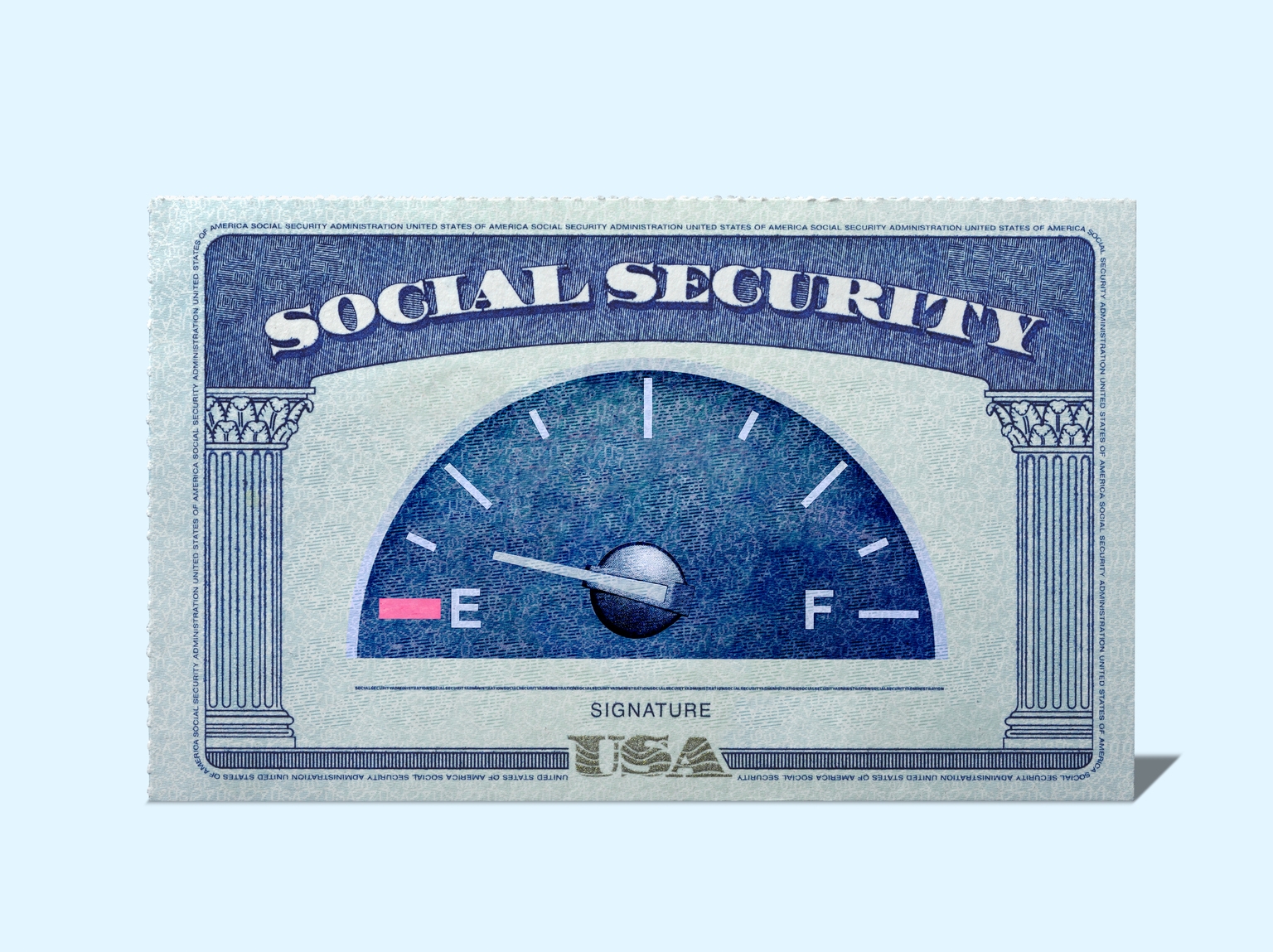
The accelerated Social Security insolvency timeline—moved to October 2031 from 2036—represents a critical macroeconomic headwind for e-commerce sellers targeting middle and lower-income consumers. According to University of Pennsylvania research, Social Security accounts for 49.8% of total wealth for the bottom 90% of U.S. income earners, supporting 97.1 million Americans. A projected 24% automatic benefit cut would eliminate approximately $1.2 trillion in annual purchasing power from the demographic segments most active in cross-border e-commerce categories: budget apparel, home goods, consumer electronics, and value-oriented beauty/personal care products.
The wealth redistribution mechanism collapse directly impacts seller revenue forecasting and inventory strategy. Currently, Social Security wealth totals over $40 trillion (up from $7 trillion in 1989), with lower and middle-income households capturing the vast majority of gains. Without Congressional intervention before 2032, over 16 million Americans aged 65+ would fall below the poverty line, fundamentally reshaping consumer behavior. This demographic—which represents 22% of U.S. population and drives significant Amazon, eBay, and Walmart marketplace volume—would shift purchasing patterns toward survival essentials, reducing discretionary spending on higher-margin categories like electronics, fashion, and home décor where many cross-border sellers operate.
E-commerce sellers should model two distinct scenarios: (1) Congressional intervention scenario with modest benefit adjustments (2-5% cuts), preserving 95%+ of current purchasing power, and (2) automatic cut scenario with 24% reduction, triggering 18-22% revenue decline in value-oriented categories. The 2032 deadline creates a 7-year planning window. Sellers in premium segments (luxury goods, high-end electronics) face moderate risk; sellers in budget categories (sub-$50 apparel, discount home goods, value beauty products) face 15-25% revenue exposure. The top 1% wealth concentration (31% of total wealth) means premium-focused sellers may see relative gains as wealth inequality widens, but mass-market sellers face structural headwinds.
Strategic implications include geographic diversification toward international markets less dependent on U.S. Social Security dynamics, category migration toward essential goods with inelastic demand, and pricing strategy adjustments for lower-income segments. Sellers should monitor Congressional action on Social Security reform (tax increases, benefit adjustments, retirement age changes) as policy signals. The Committee for a Responsible Federal Budget attributes the accelerated timeline to Trump administration tax policy changes, making legislative outcomes dependent on 2024-2025 political dynamics. Sellers with significant exposure to lower-income consumer segments should begin stress-testing inventory and cash flow models assuming 15-20% demand reduction in discretionary categories by 2032-2033.
Questions 8
How should cross-border sellers adjust pricing strategy for potential Social Security benefit cuts?
Sellers should implement dynamic pricing strategies reflecting income-segment vulnerability. For lower-income focused products, maintain competitive pricing through 2031 to preserve market share, then prepare for 15-20% volume reduction post-2032. For premium segments, consider modest price increases (3-5%) as wealth inequality widens and top 1% captures disproportionate gains. Research shows top 1% wealth share increases 7.6 percentage points without Social Security vs. 1.5 points with it, meaning premium sellers benefit from inequality expansion. Implement tiered pricing: maintain aggressive pricing in budget categories through 2031 to build customer loyalty; shift toward higher-margin premium products post-2032. Test price elasticity now in lower-income segments to understand demand sensitivity.
What timeline should sellers use for Social Security reform planning and inventory strategy?
The critical timeline is October 2031 (fiscal year 2032), when automatic 24% benefit cuts trigger unless Congress acts. This creates a 7-year planning window (2025-2031) for sellers to adjust strategy. Congressional action is possible through: (1) tax increases on benefits (likely 2-3% impact), (2) benefit adjustments (5-8% reduction), or (3) retirement age changes (minimal near-term impact). Sellers should implement scenario planning now: conservative case assumes 15-20% demand reduction by 2032; optimistic case assumes Congressional intervention preserves 95%+ of purchasing power. Monitor legislative activity in 2025-2026 as signals; if no reform progress by mid-2026, accelerate international expansion and category diversification.