
Crypto Payment Infrastructure for Emerging Markets | Cross-Border Remittance Disruption 2025
- Blockchain-based payments reduce remittance fees from 10-15% to 0.5-3%, unlocking $7-12B annual savings for sellers shipping to conflict-affected regions and displaced populations
Overview
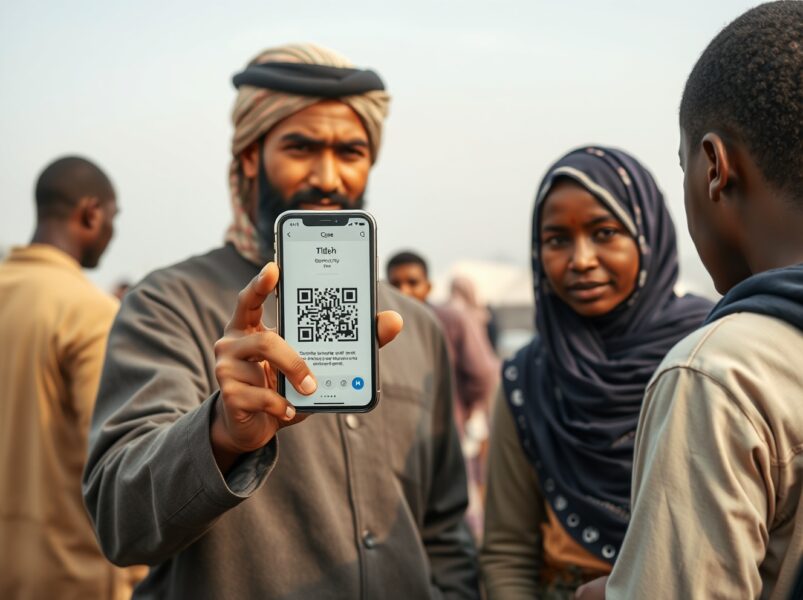
Cryptocurrency payment infrastructure is fundamentally reshaping cross-border remittance economics for sellers operating in emerging markets and conflict-affected regions. Former Coinbase CTO Balaji Srinivasan's March 2025 advocacy for blockchain-based financial systems targeting 120+ million displaced people signals a critical market inflection point. The World Food Programme's Building Blocks initiative has already processed assistance for 1+ million refugees using blockchain systems since 2017, while Jordan's Azraq refugee camp pilot demonstrated 30% administrative cost reductions using Ethereum-based systems in 2023. For cross-border sellers, this represents a transformative opportunity: cryptocurrency transaction costs of 0.5-3% dramatically undercut traditional remittance fees of 10-15%, or World Bank estimates reaching 15% for $200 transfers to conflict-affected regions.
The immediate payment optimization opportunity centers on stablecoin-based settlement for high-volume sellers shipping to Venezuela, Syria, Afghanistan, and other regions where traditional banking infrastructure has collapsed. Venezuela's 7+ million displaced population has organically adopted cryptocurrency to preserve value against hyperinflation, creating a proven demand signal. Sellers can implement stablecoin payment acceptance (USDC, USDT) through platforms like Coinbase Commerce or Stripe's crypto integration, reducing settlement friction by 8-12 days compared to traditional wire transfers. This unlocks working capital immediately—a seller processing $50K monthly in remittances saves $4,000-7,500 monthly in fees alone, equivalent to 15-25% margin improvement on thin-margin categories like essential goods, pharmaceuticals, and food products.
However, implementation barriers remain substantial and require strategic navigation. Only 37% of people in least developed countries have internet access as of 2024, limiting addressable market to smartphone-enabled populations in urban displacement settings. Cryptocurrency volatility poses risks for populations with minimal financial buffers, though stablecoin adoption mitigates this concern. Regulatory uncertainty complicates adoption—many host countries restrict cryptocurrency usage, creating compliance risks for sellers. The crypto industry's historical focus on investor returns over humanitarian applications suggests early-mover sellers should prioritize stablecoin solutions (lower volatility) over speculative cryptocurrencies. Digital literacy gaps, security concerns regarding asset theft, and inconsistent smartphone ownership remain implementation challenges. Sellers should structure crypto payment acceptance as a premium option for tech-savvy buyers rather than a primary payment method, while monitoring regulatory developments in target markets.
Questions 8
How much can sellers save by accepting stablecoin payments instead of traditional remittances?
Sellers can reduce payment processing costs from 10-15% (traditional remittance fees) to 0.5-3% (cryptocurrency transaction costs), generating $4,000-7,500 monthly savings on $50K in remittance volume. The World Food Programme's blockchain pilots demonstrated 30% administrative cost reductions compared to traditional cash distribution. For sellers processing $100K+ monthly to emerging markets, stablecoin adoption can unlock $8,000-15,000 in monthly fee savings, equivalent to 15-25% margin improvement on essential goods categories. Settlement speed improves by 8-12 days compared to traditional wire transfers, accelerating cash conversion cycles. However, implementation requires cryptocurrency payment gateway integration (Coinbase Commerce, Stripe Crypto) and buyer education on stablecoin usage.
Which emerging markets show the strongest demand for cryptocurrency payments?
Venezuela demonstrates the highest organic cryptocurrency adoption due to hyperinflation and 7+ million displaced population seeking value preservation. The news reports that Venezuela's economic collapse has driven cryptocurrency adoption despite regulatory restrictions, creating a proven market signal. Jordan's Azraq refugee camp successfully piloted Ethereum-based payment systems in 2023, indicating Middle Eastern displacement contexts are viable. Sellers targeting these regions can implement stablecoin payment acceptance as a premium option for tech-savvy buyers. However, only 37% of people in least developed countries have internet access as of 2024, limiting addressable market to urban, smartphone-enabled populations. Sellers should prioritize stablecoin solutions (USDC, USDT) over speculative cryptocurrencies due to volatility risks for populations with minimal financial buffers.