



Stagflation Crisis Threatens E-Commerce Margins | Sellers Face 8-15% Cost Surge
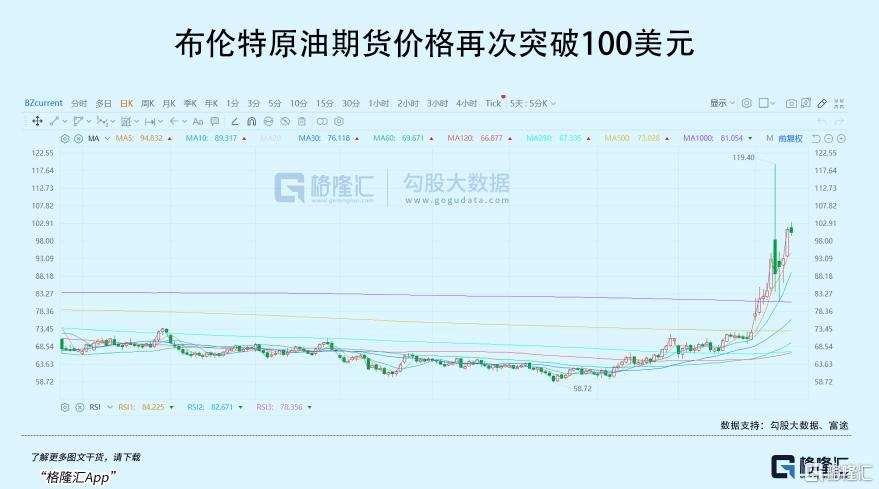
- Oil prices exceed $101/barrel with 17% weekly gasoline surge; shipping costs and consumer demand both under pressure for cross-border sellers


Overview
Nobel economist Joseph Stiglitz issued a critical stagflation warning on March 12, 2026, directly impacting cross-border e-commerce seller profitability. The warning centers on simultaneous inflation and economic contraction driven by three factors: Brent crude oil surging above $101/barrel (17% gasoline price increase in one week), military conflict in Iran disrupting energy markets, and Trump administration tariff policies compounding inflationary pressure. U.S. nonfarm payrolls contracted by 92,000 in February 2026, signaling economic slowdown. This stagflation scenario creates a dual operational crisis for sellers: rising logistics costs while consumer purchasing power erodes.
For cross-border e-commerce sellers, the operational impact is immediate and severe. Shipping costs represent 15-25% of total fulfillment expenses for most sellers; a $101/barrel oil price translates to $0.18-0.35 per pound in fuel surcharges on FBA shipments, potentially adding $200-600 monthly to sellers moving 1,000+ units. Sellers relying on imported goods face compounding pressure: sourcing costs rise from tariff-driven inflation while logistics expenses climb from fuel surcharges. Small sellers (under $50K annual revenue) face margin compression of 8-12%, while large sellers with established 3PL contracts may negotiate better rates but still absorb 4-6% cost increases. The economic contraction signal is equally concerning—92,000 job losses indicate weakening consumer confidence, particularly affecting discretionary categories (electronics, home goods, fashion) where cross-border sellers concentrate inventory.
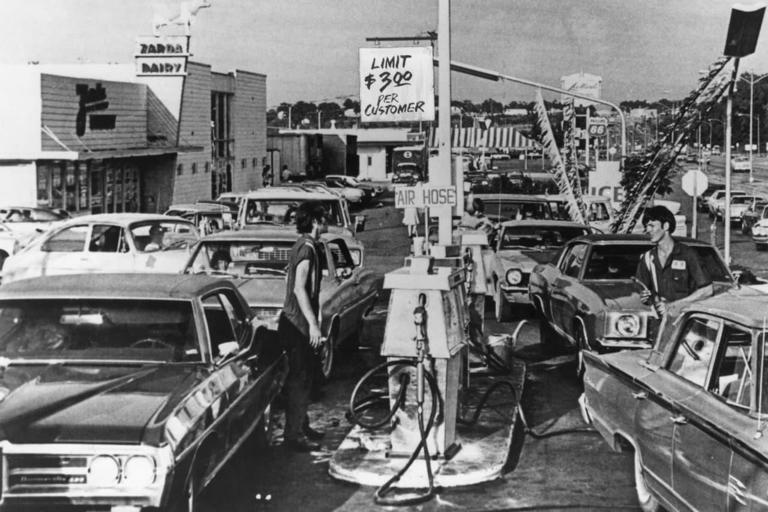
Currency volatility from geopolitical uncertainty adds a third pressure point. International payment processing, already subject to 2-3% currency fluctuation, could spike to 5-8% volatility during geopolitical crises. Sellers pricing in USD while sourcing in CNY, INR, or EUR face unpredictable margin compression. The "inflationary psychology" Stiglitz emphasized—where consumers expect continued price increases and reduce discretionary spending—directly suppresses demand velocity. Historical parallels to the 1973 oil shock show consumer spending on non-essential goods typically contracts 15-20% during stagflation periods, with recovery taking 18-24 months. Additionally, Stiglitz's warning about an AI bubble collapse presents secondary risk: if AI-driven logistics optimization tools fail, sellers lose competitive advantages in cost management.
Questions 8
How much will stagflation increase shipping costs for Amazon FBA sellers?
Based on Stiglitz's warning of oil prices exceeding $101/barrel, FBA sellers should expect fuel surcharges of $0.18-0.35 per pound, translating to $200-600 monthly increases for sellers moving 1,000+ units. UPS and FedEx typically pass 70-80% of fuel cost increases to shippers within 30-60 days. A seller shipping 2,000 units monthly at average 2 pounds each would see costs rise from approximately $400 to $800-1,000 monthly. Monitor carrier fuel surcharge indices weekly, as they adjust based on crude oil prices. Consider consolidating shipments or switching to slower, cheaper shipping methods to offset increases.
How should sellers adjust pricing during stagflation to protect margins?
Stagflation creates a pricing paradox: raising prices to offset costs risks losing price-sensitive customers, while maintaining prices compresses margins. Stiglitz's analysis shows tariff-driven inflation combined with fuel costs creates 8-15% total cost increases. Recommended strategy: implement tiered pricing where premium/high-margin products absorb 5-8% increases while volume-driving products absorb 2-3%. Use dynamic pricing tools to test elasticity by geography—US consumers may tolerate 3-5% increases while international buyers remain price-sensitive. Monitor competitor pricing daily; expect 30-40% of competitors to raise prices within 60 days. Consider bundling strategies to increase average order value without raising per-unit prices. Track conversion rate changes weekly; if conversions drop >10%, reduce price increases immediately.