

Amazon Prime Video Ultra Tier | 50-67% Price Hike Signals Aggressive Monetization Strategy for Sellers
- Amazon increases ad-free streaming from $2.99-$3.99 to $4.99-$5.99 monthly; removes 4K from standard tier; signals future seller service fee increases across FBA, advertising, and fulfillment platforms















Overview
Amazon's aggressive Prime Video pricing restructure—raising ad-free tiers 50-67% and removing 4K UHD from standard subscriptions effective April 10, 2025-2026—reveals a critical monetization playbook that cross-border sellers must monitor closely. The company is rebranding its ad-free tier as "Prime Video Ultra" at $4.99-$5.99 monthly (up from $2.99-$3.99), while simultaneously restricting 4K streaming exclusively to the premium tier. This represents a fundamental shift in Amazon's business model: extracting additional revenue by removing previously included features and creating artificial scarcity around premium experiences. With over 200 million Prime subscribers globally, this pricing change directly impacts customer retention and willingness-to-pay across Amazon's entire ecosystem.
The strategic implication for sellers is profound: Amazon is testing tiered monetization at scale on consumer services, establishing a template it will likely apply to seller-facing tools. The news articles explicitly warn that "Amazon's aggressive pricing strategy on consumer services reflects the company's broader financial optimization approach, which may influence seller fee fees and platform policies." The precedent of removing features from standard tiers to create premium offerings signals similar changes could arrive for Amazon Seller Central tools, advertising platforms (Sponsored Products, Sponsored Brands), and FBA fulfillment services. Sellers should expect Amazon to introduce "Premium" or "Ultra" versions of existing services—potentially charging additional fees for features currently included in standard seller plans, such as advanced analytics, priority customer support, or enhanced advertising tools.
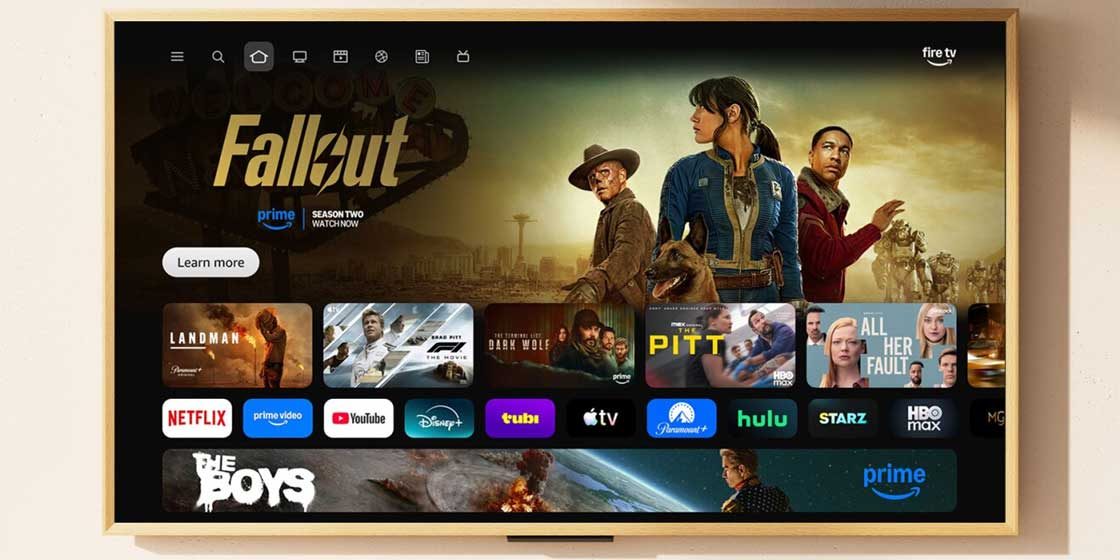
The timing and execution reveal Amazon's confidence in its pricing power. By launching this change just before major content releases (Fallout Season 2), Amazon leverages content exclusivity to justify premium pricing—a tactic directly applicable to seller services. The company previously raised annual Prime membership by $20 to $139 in 2022; this new video tier increase follows a consistent pattern of extracting value from loyal customers. For sellers, this indicates Amazon views its marketplace as similarly defensible and is likely to pursue similar "feature extraction" strategies. Sellers relying on Amazon's advertising ecosystem should prepare for potential cost increases in PPC campaigns, sponsored content placements, and analytics tools. The shift also signals Amazon's pivot toward sustainable profitability over growth-at-all-costs—meaning seller fee structures will likely tighten across all service categories within the next 12-18 months.
Questions 8
Why should cross-border sellers care about Amazon's Prime Video pricing changes?
Amazon's Prime Video restructure reveals the company's broader monetization playbook: extracting revenue by removing previously included features and creating premium tiers. The news articles explicitly state this strategy 'may influence future fee structures for seller services' including advertising platforms and fulfillment services. Sellers should expect Amazon to apply similar tiered pricing to Seller Central tools, Sponsored Products campaigns, and FBA services within 12-18 months. With over 200 million Prime subscribers, this pricing test demonstrates Amazon's confidence in its pricing power and willingness to segment customers by willingness-to-pay. For sellers, this means budgeting for potential cost increases across all Amazon services and exploring alternative platforms.
How much is Amazon raising Prime Video Ultra pricing and when does it take effect?
Amazon is increasing its ad-free Prime Video tier from $2.99-$3.99 to $4.99-$5.99 monthly, representing a 50-67% price increase effective April 10, 2025-2026. The service is being rebranded as 'Prime Video Ultra' with enhanced features: 100 offline downloads (up from 25), five concurrent streams (up from three), and Dolby Vision support. Most critically, Amazon is removing 4K UHD streaming from the standard Prime tier, restricting it exclusively to Ultra. This means Prime members paying $139 annually will now be limited to 1080p resolution unless they purchase the additional Ultra subscription. The move signals Amazon's shift toward aggressive feature-based monetization across all subscription tiers.