


/tpg/sources/59427e24-675e-4721-91ac-ce7aa7a60baa.jpeg)


iPhone Fold 2026 Launch | Premium Device Sellers' Inventory & Pricing Strategy Guide
- Apple's $2,000-$3,000 foldable creates luxury electronics category with 40-60% higher margins; sellers must prepare inventory strategies, dynamic pricing models, and premium customer service approaches by Q2 2026


























Overview
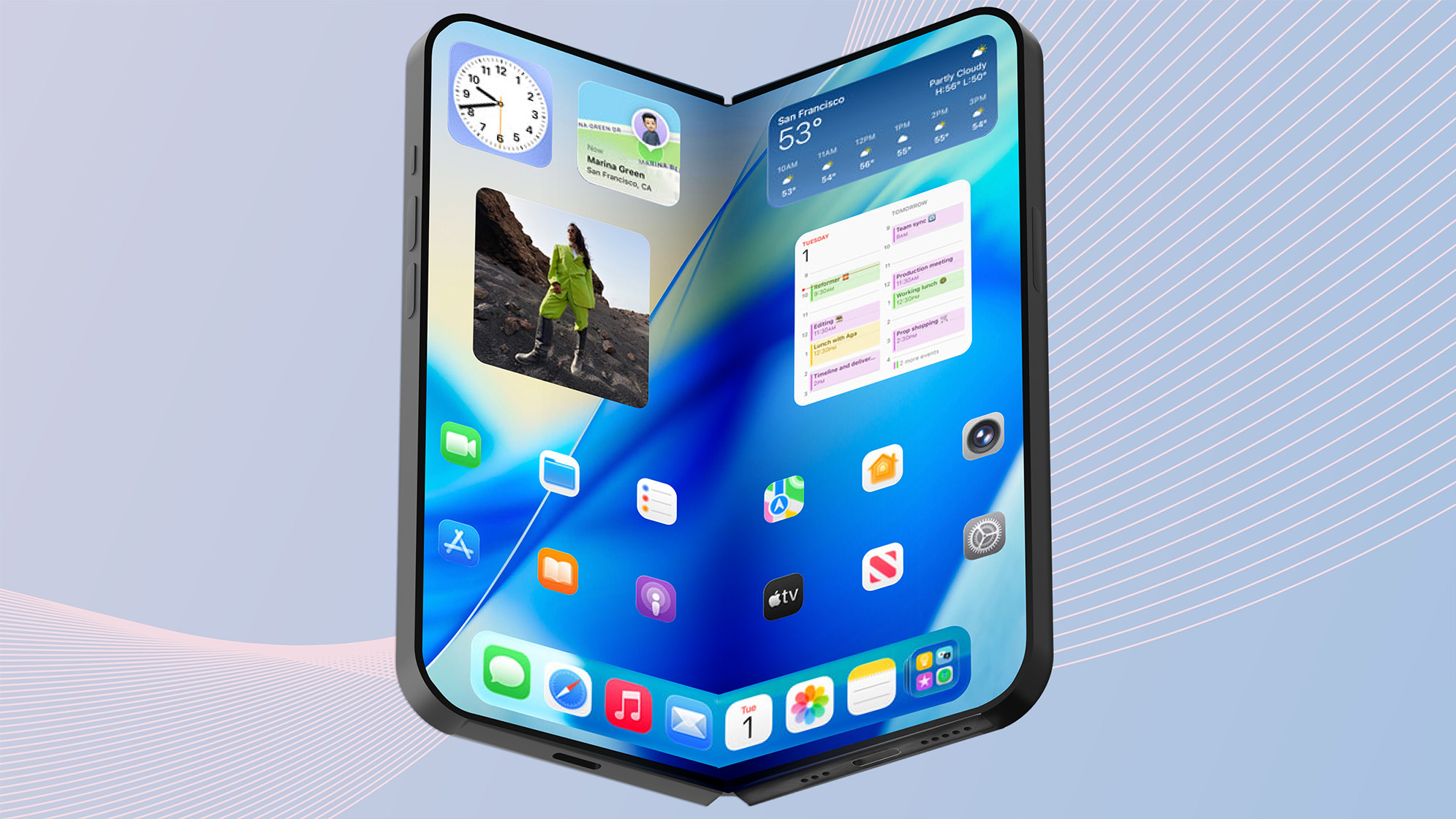
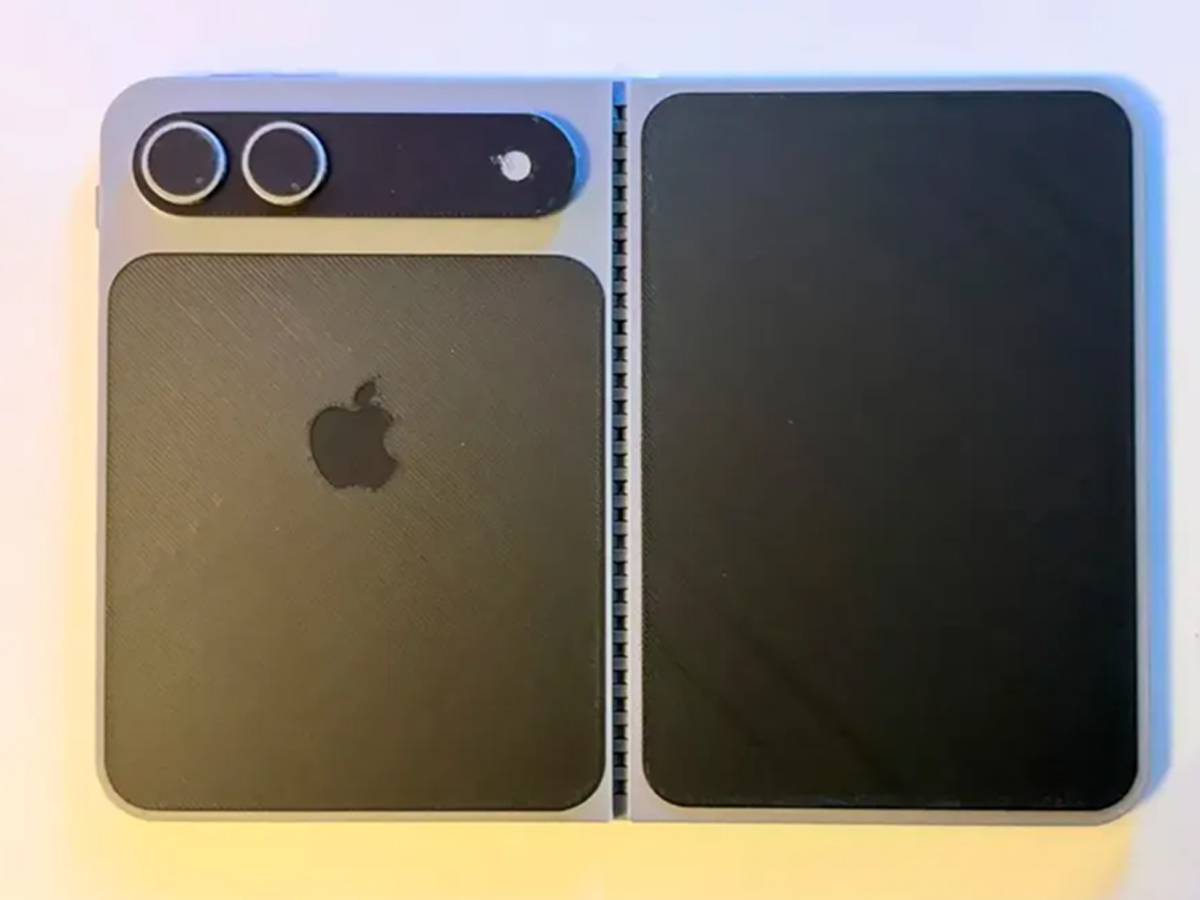
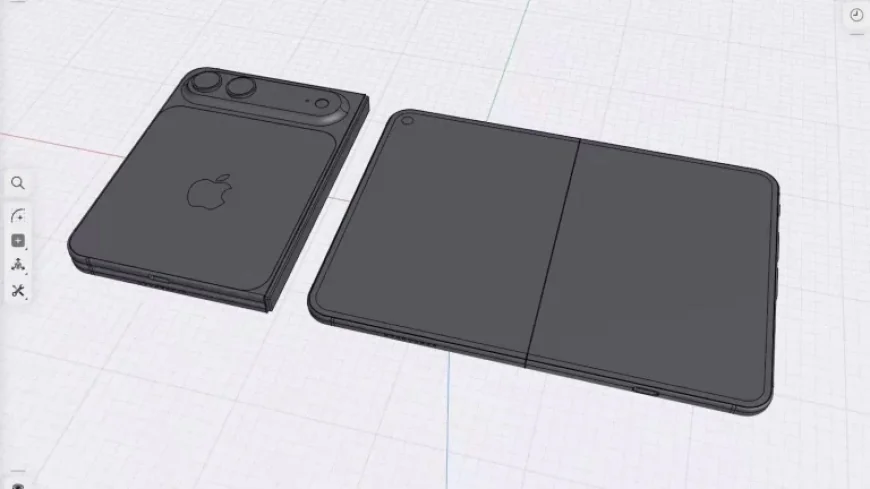
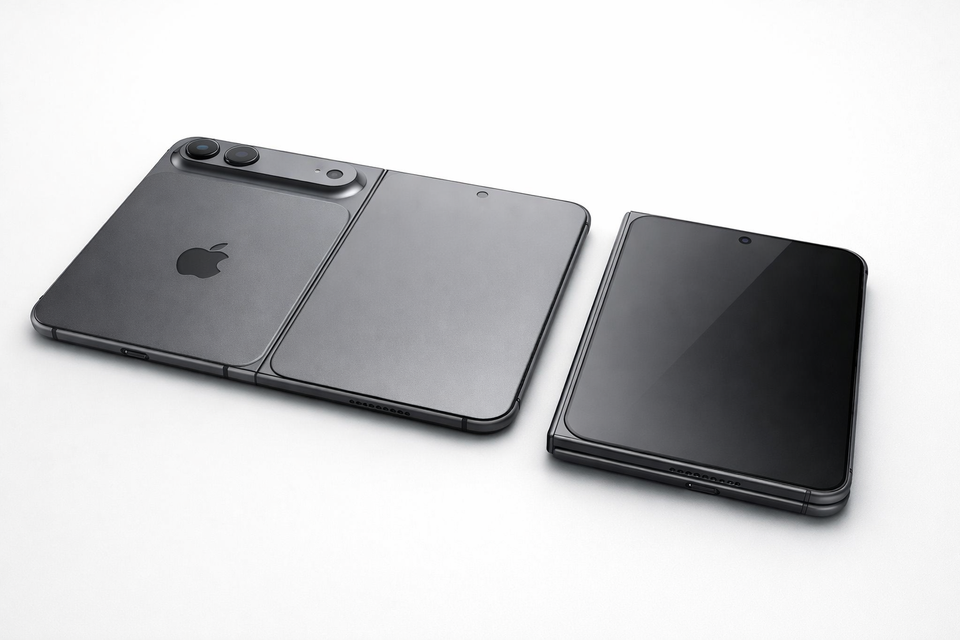
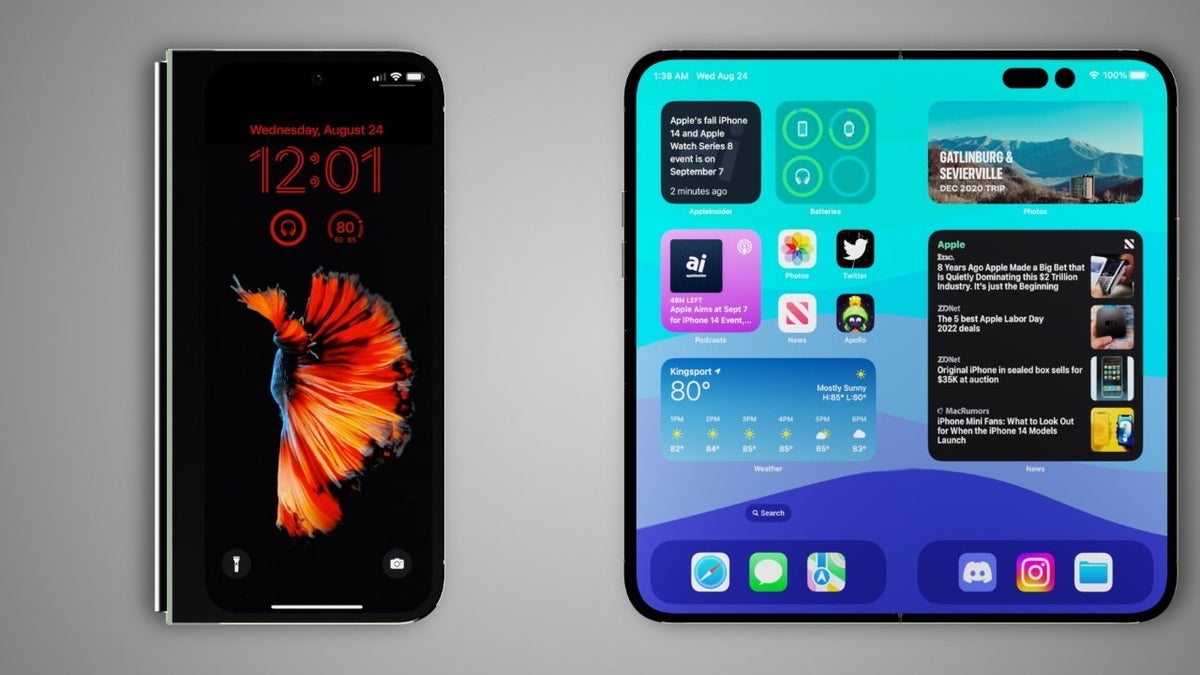
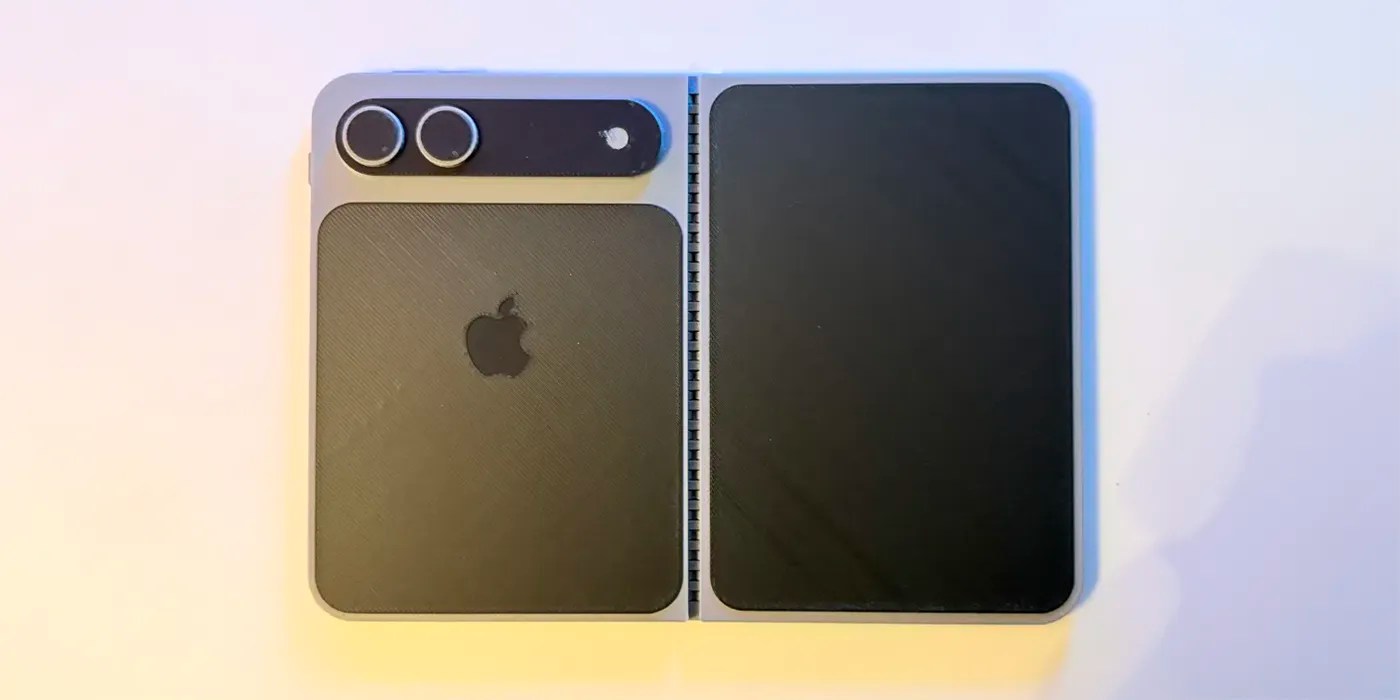
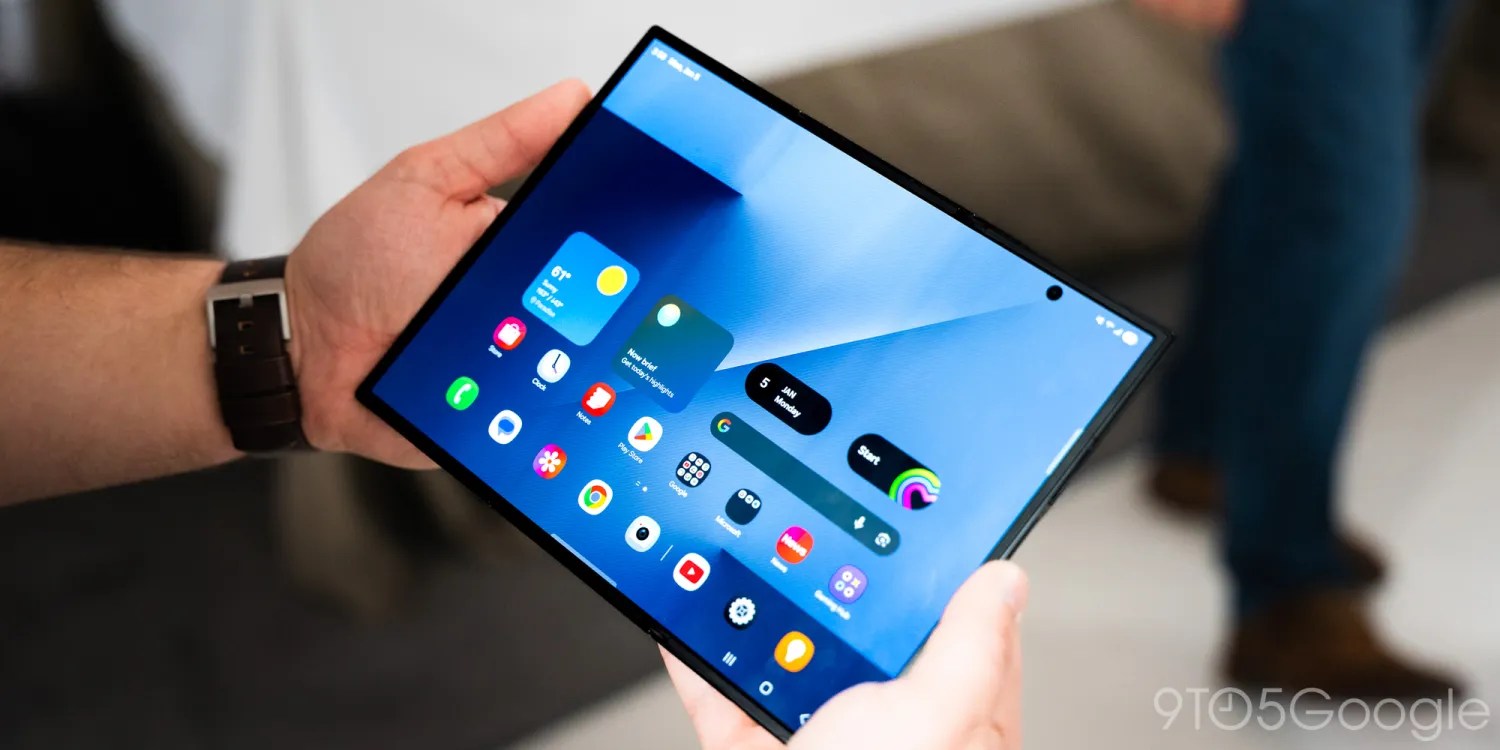
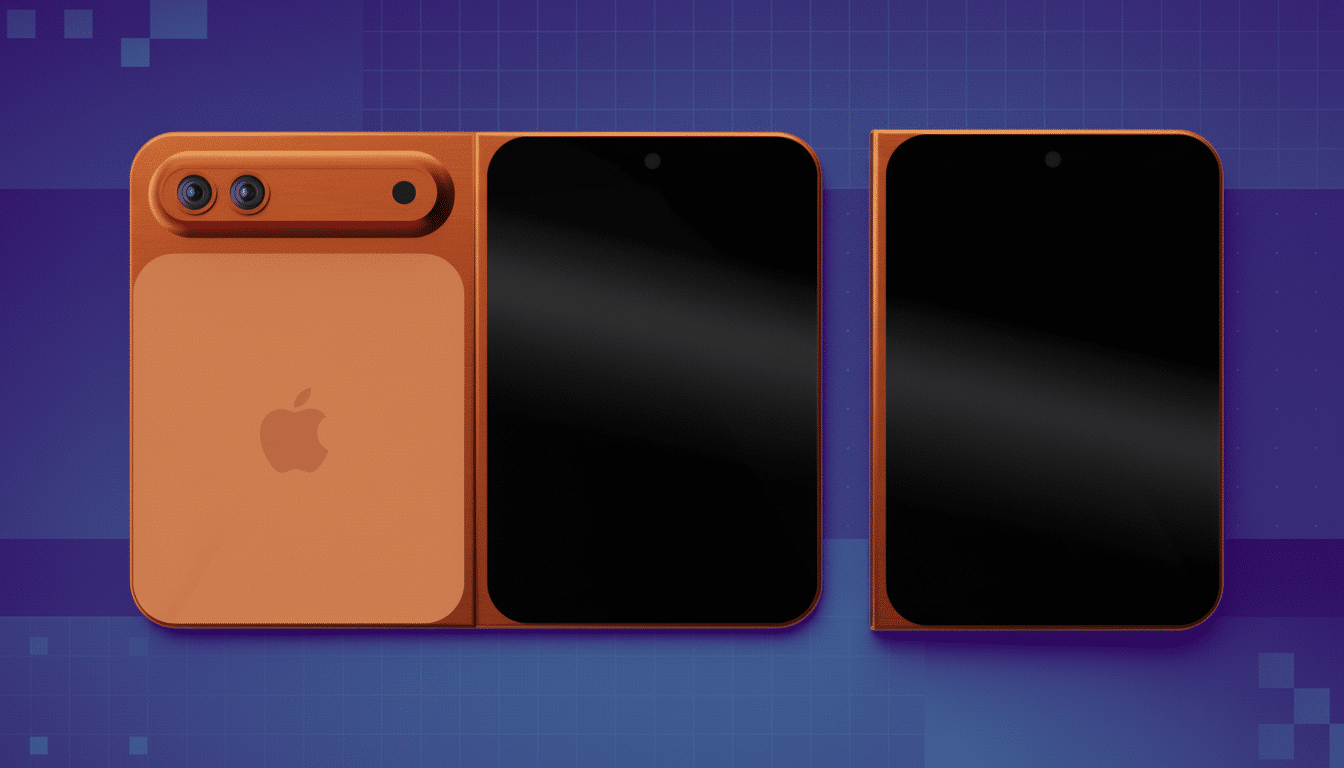
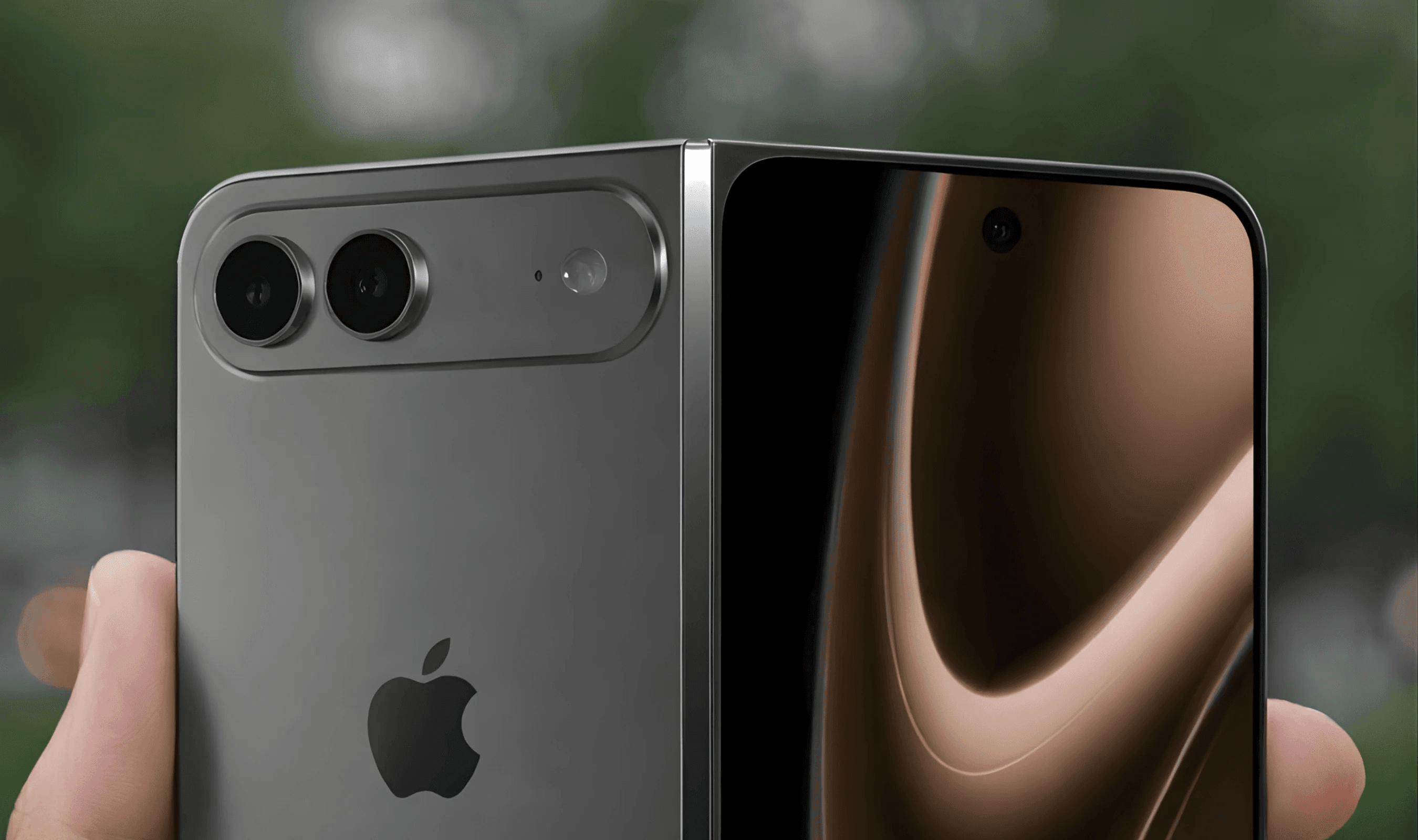
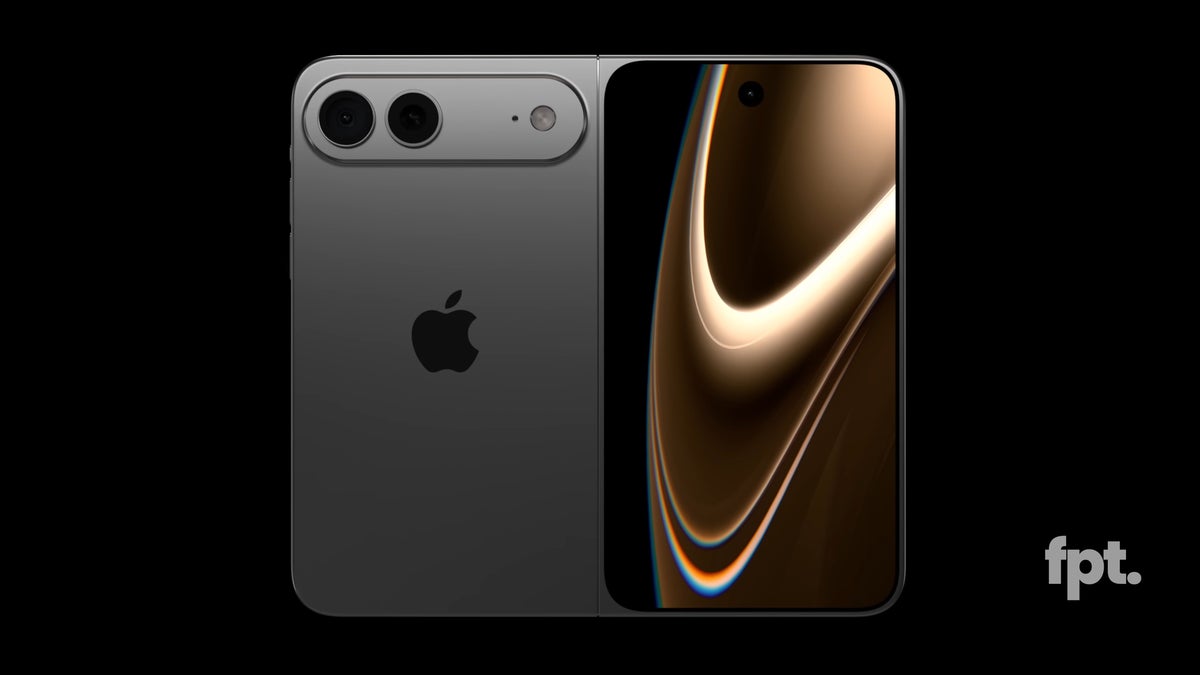
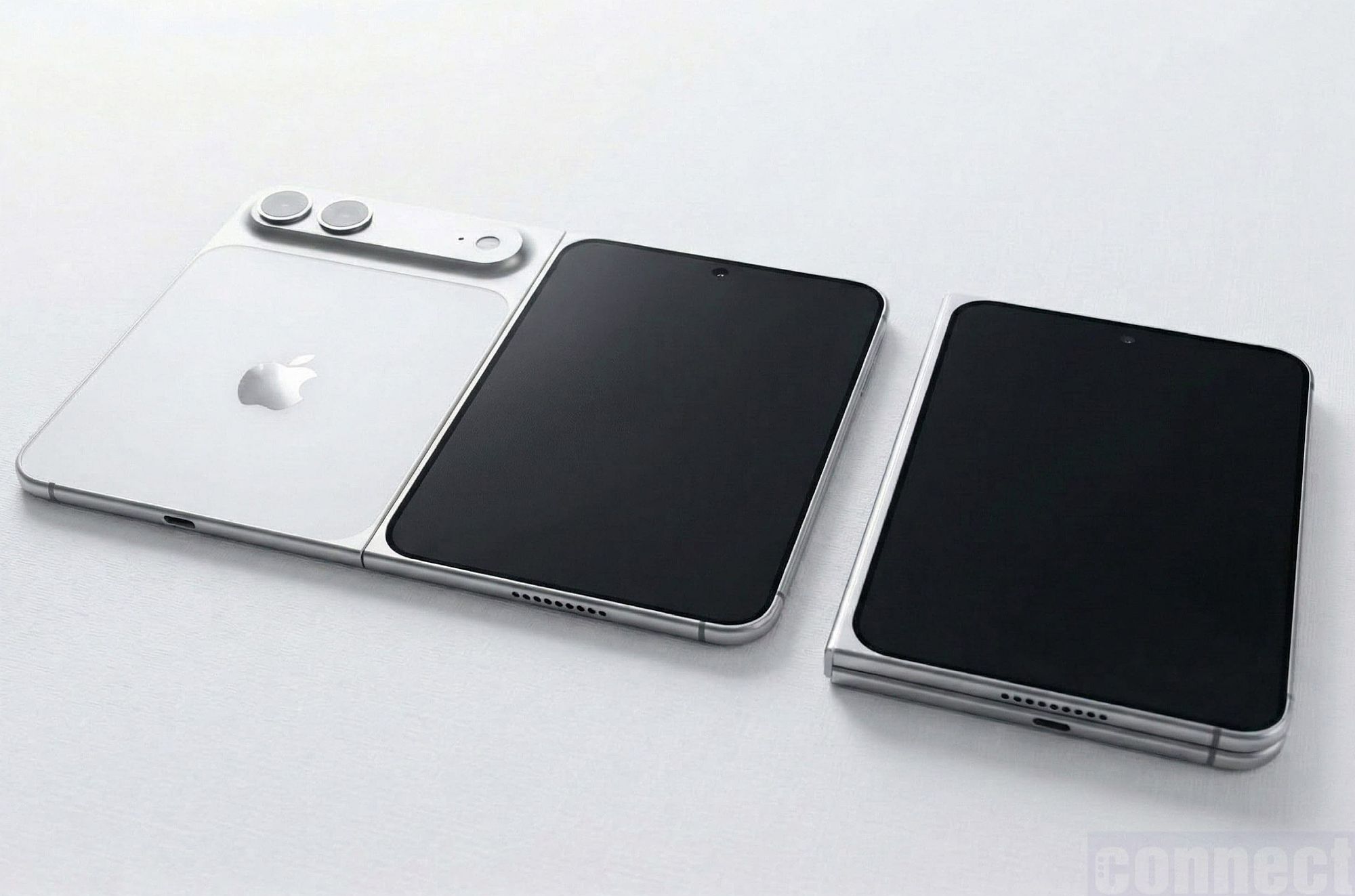
Apple's September 2026 iPhone Fold launch represents a transformative opportunity for premium electronics sellers on Amazon, eBay, and specialized retailers, creating a new luxury device category with distinct inventory, pricing, and marketing requirements. The device will feature a 5.5-inch outer display expanding to 7.8-inch inner display with 4:3 aspect ratio, 12GB RAM, storage options from 256GB to 1TB, and pricing starting at $2,000 and reaching nearly $3,000 for maxed-out configurations—positioning it as a high-margin luxury product substantially above Samsung Galaxy Z Fold 7 ($1,999) and Google Pixel 10 Pro Fold ($1,799).
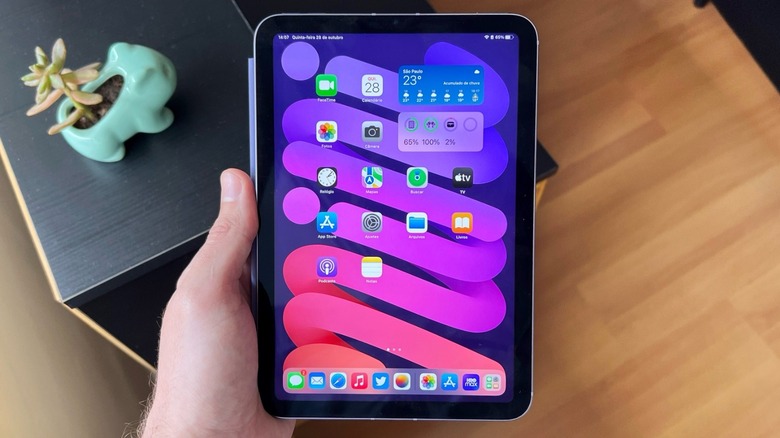
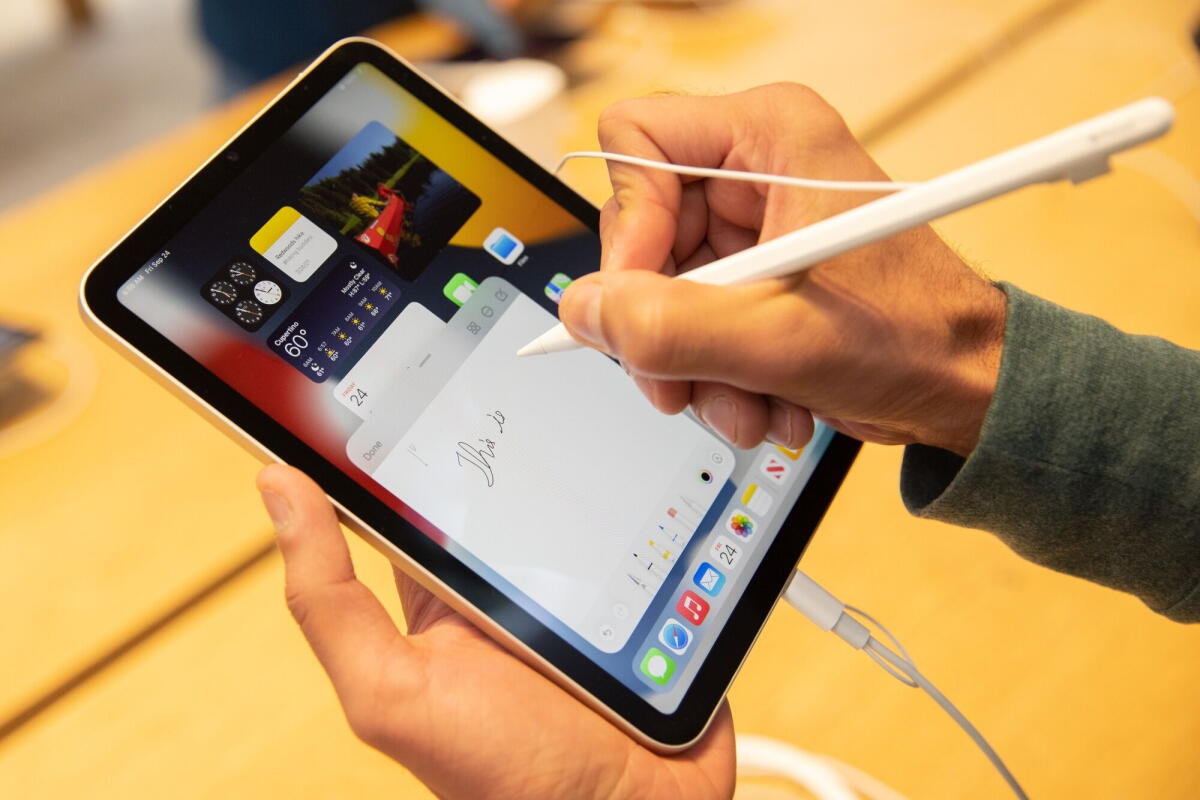
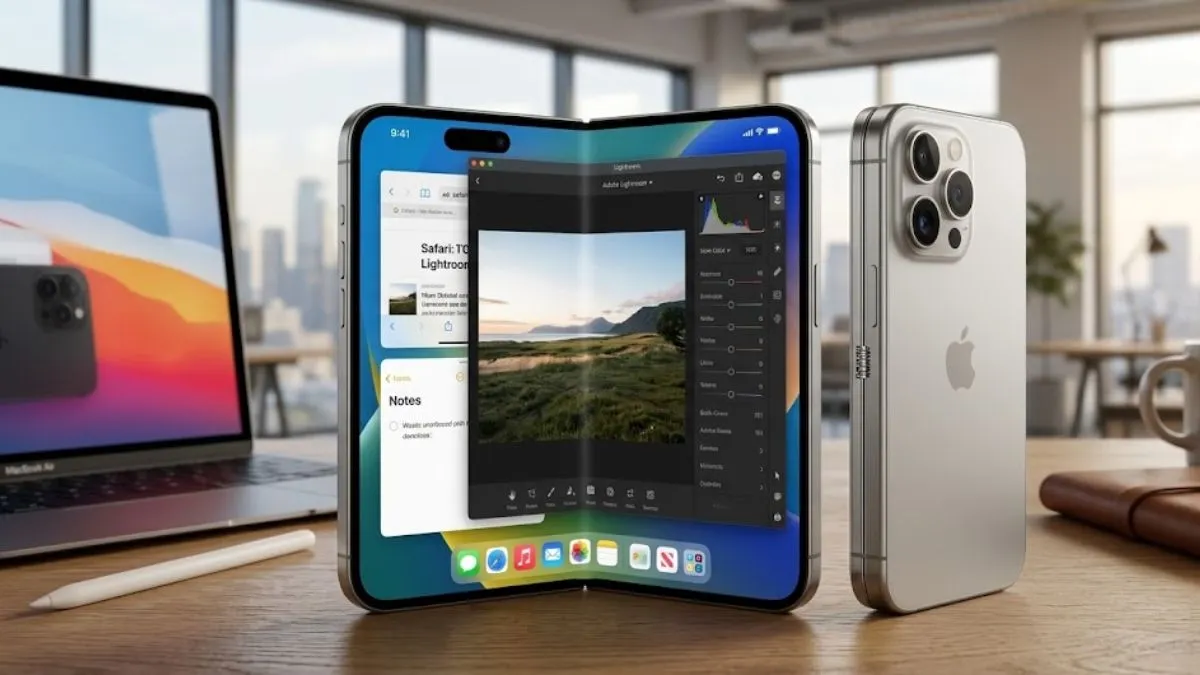
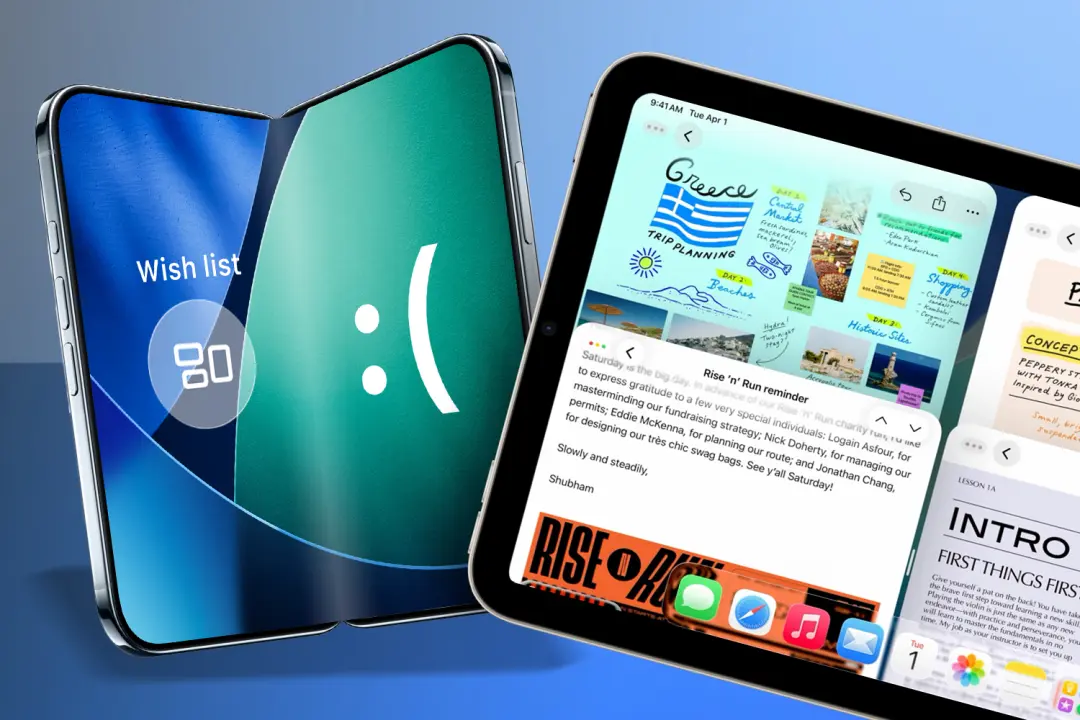
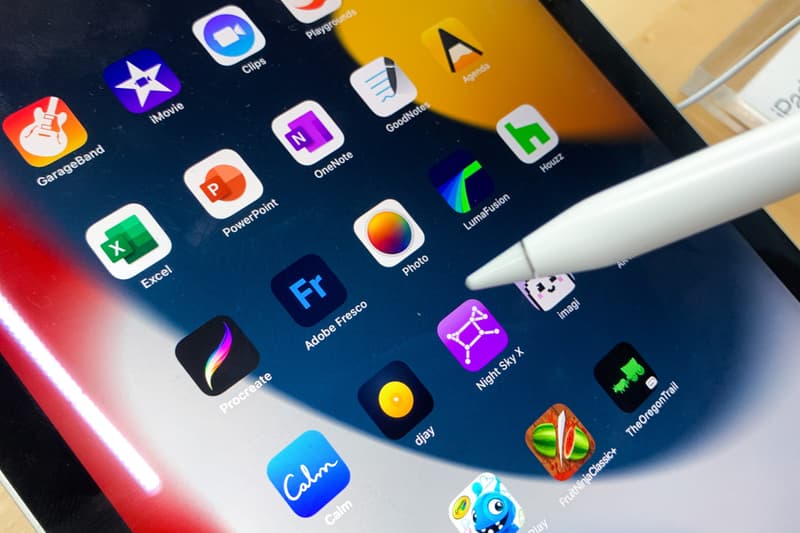
For premium device retailers and authorized Apple resellers, this launch creates immediate inventory planning requirements. The foldable market represents a new customer segment with distinct demographics: professional users, business operators, and early adopters willing to invest in productivity-focused devices. Sellers must prepare differentiated inventory strategies by Q2 2026 when Samsung DRAM shipments begin, accounting for potential component constraints during initial launch phases. The iPad-like interface with side-by-side multitasking capability positions the iPhone Fold as a business productivity tool, not merely a consumer device, enabling sellers to target enterprise buyers and digital creators who justify premium pricing for enhanced operational efficiency.
Supply chain dynamics create both opportunities and risks for cross-border sellers. Samsung's involvement in display panels and DRAM supply means component availability will directly impact inventory allocation. Sellers should monitor Samsung's production schedules and Apple's allocation announcements starting Q1 2026. The device's premium positioning demands different marketing approaches than standard iPhones—luxury positioning, professional use-case emphasis, and premium customer service become competitive differentiators. Dynamic pricing strategies will be critical; early adopters may accept $2,800-$3,000 pricing, while secondary market pricing will stabilize 4-6 months post-launch. Sellers on Amazon and eBay should prepare enhanced product content emphasizing productivity features, multitasking capabilities, and professional applications rather than consumer entertainment angles.
Immediate competitive advantages emerge for sellers who optimize for the iPad-like interface and business use cases. The device's 4:3 aspect ratio and side-by-side app support enable sellers to create specialized content showcasing inventory management, order processing, and multi-platform communication capabilities. Sellers managing cross-border operations across multiple time zones and currencies can position the iPhone Fold as a business operations tool, differentiating from consumer-focused competitors. The Touch ID authentication (replacing Face ID) and Dynamic Island design create unique selling points for security-conscious business buyers. Authorized resellers should begin building relationships with Apple's distribution channels immediately to secure allocation priority, as initial supply constraints will likely create 2-3 month waiting periods and premium pricing opportunities.
Questions 8
Which seller segments benefit most from iPhone Fold sales opportunities?
Premium electronics retailers, authorized Apple resellers, and cross-border sellers targeting professional users and business operators benefit most. The device's iPad-like interface and side-by-side multitasking appeal to digital creators, entrepreneurs managing multiple time zones, and enterprise buyers. Sellers on Amazon, eBay, and specialized electronics platforms should emphasize productivity features, inventory management capabilities, and professional applications rather than consumer entertainment angles. Business-focused marketing positions sellers to capture higher-value customer segments.
How should sellers optimize product content for iPhone Fold's unique features?
Emphasize the 4:3 aspect ratio, side-by-side app support, and iPad-like multitasking capabilities in product listings and content. Showcase use cases for inventory management, order processing, and multi-platform communication—critical for cross-border operations. Highlight Touch ID authentication and Dynamic Island design for security-conscious business buyers. Create content demonstrating how the larger 7.8-inch inner display enables detailed product photography, video content creation, and real-time analytics monitoring. Position the device as a business operations tool, differentiating from consumer-focused competitors.