




Strait of Hormuz Disruptions Drive 40%+ Oil Surge | Critical Shipping Cost Impact for Cross-Border Sellers
- Brent crude surges above $100/barrel; 21% of global petroleum at risk; air freight costs spike 15-25% for sellers using Middle Eastern hubs








)








Overview
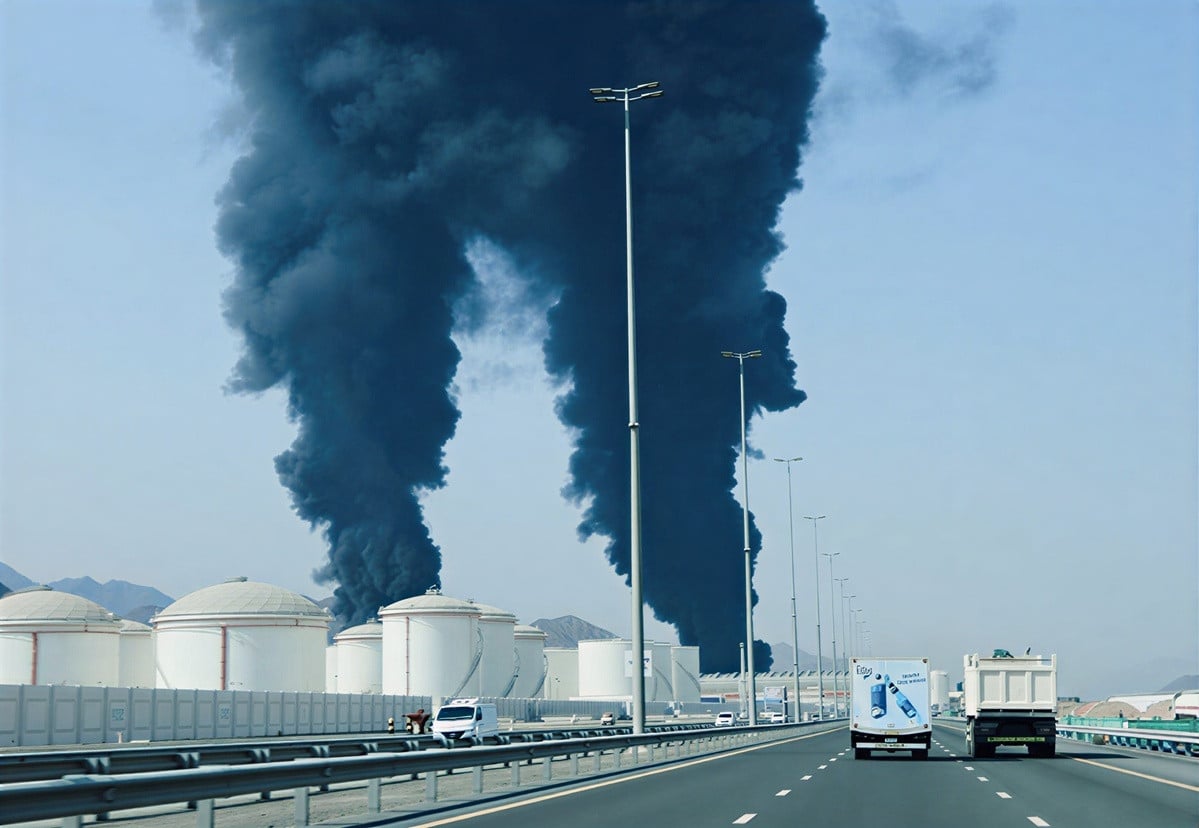
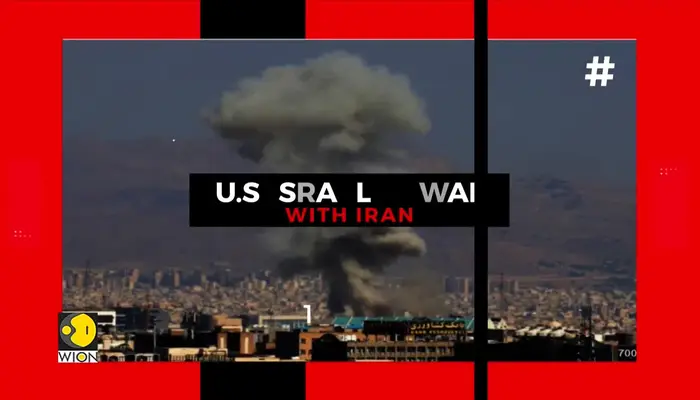
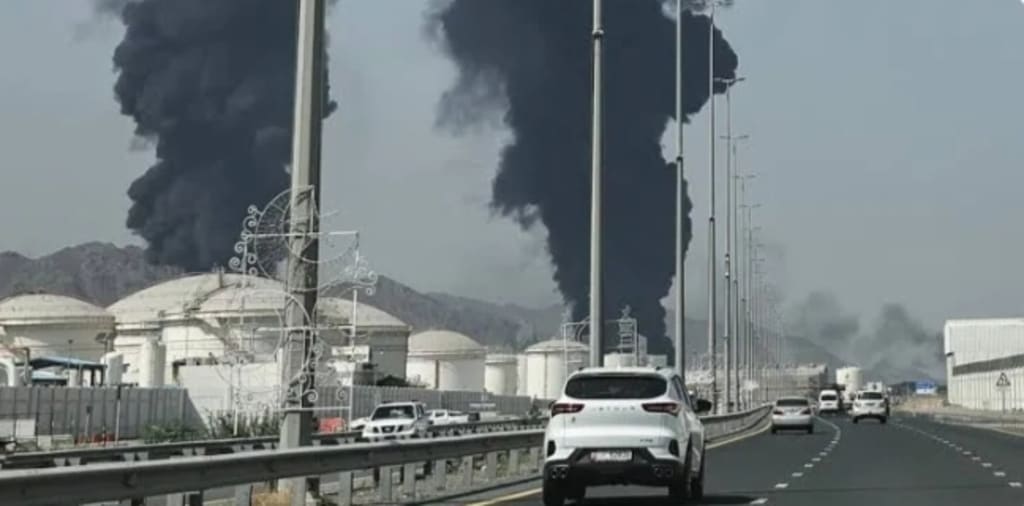
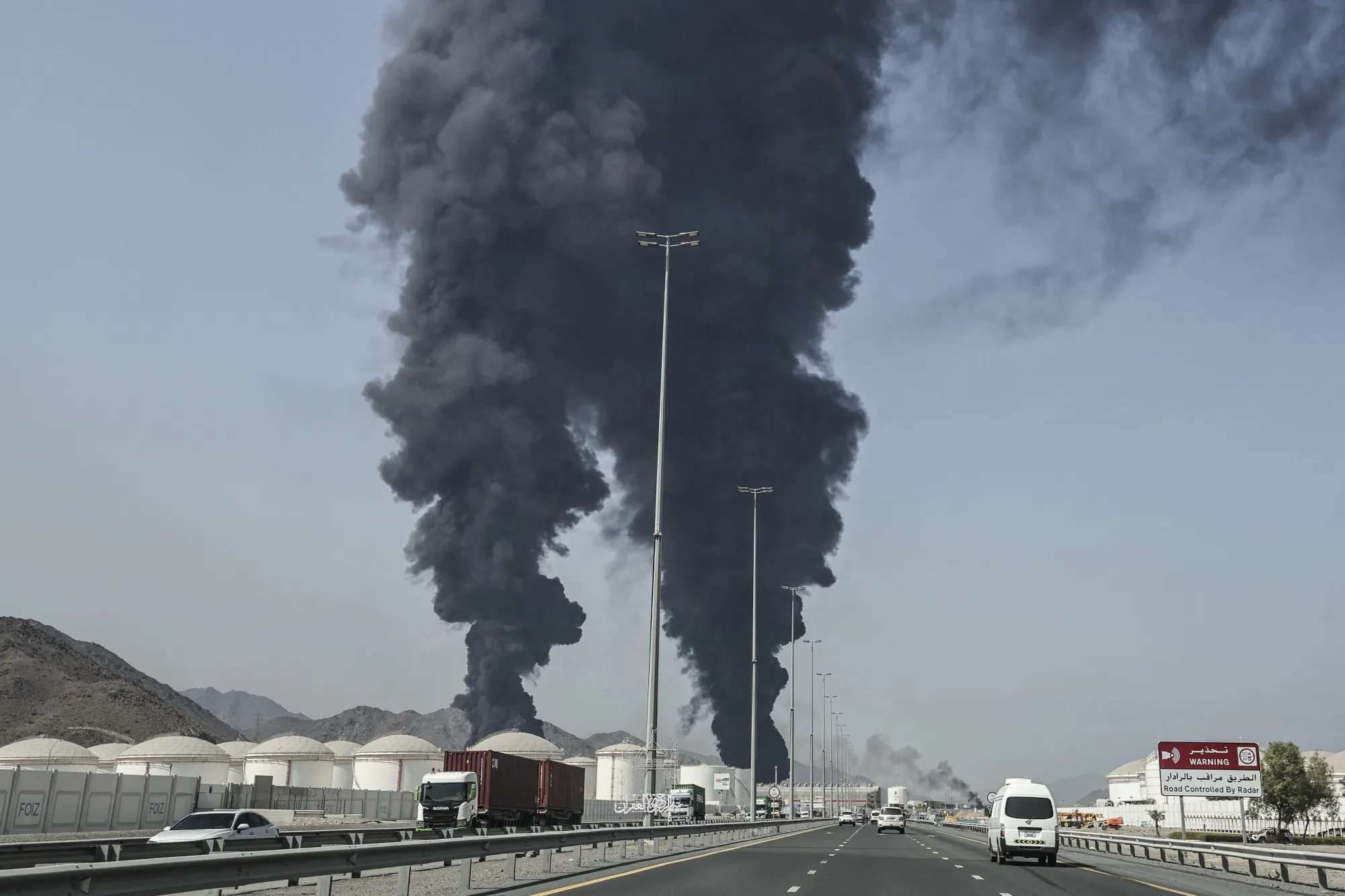
The escalating Iran-US military conflict in the Middle East has created a critical supply chain crisis for cross-border e-commerce sellers, with direct implications for shipping costs, delivery timelines, and operational profitability. The Strait of Hormuz—through which approximately 21% of global petroleum passes—faces sustained disruption risk as Iran launches ballistic missiles and drones against UAE, Saudi Arabia, Qatar, and Kuwait infrastructure. Brent crude oil futures have surged 40% since the conflict began, closing above $100 per barrel on consecutive trading days, with analysts warning of further increases if sustained attacks target Iran's Kharg Island (accounting for 90% of Iran's crude exports with 7 million barrels/day capacity).
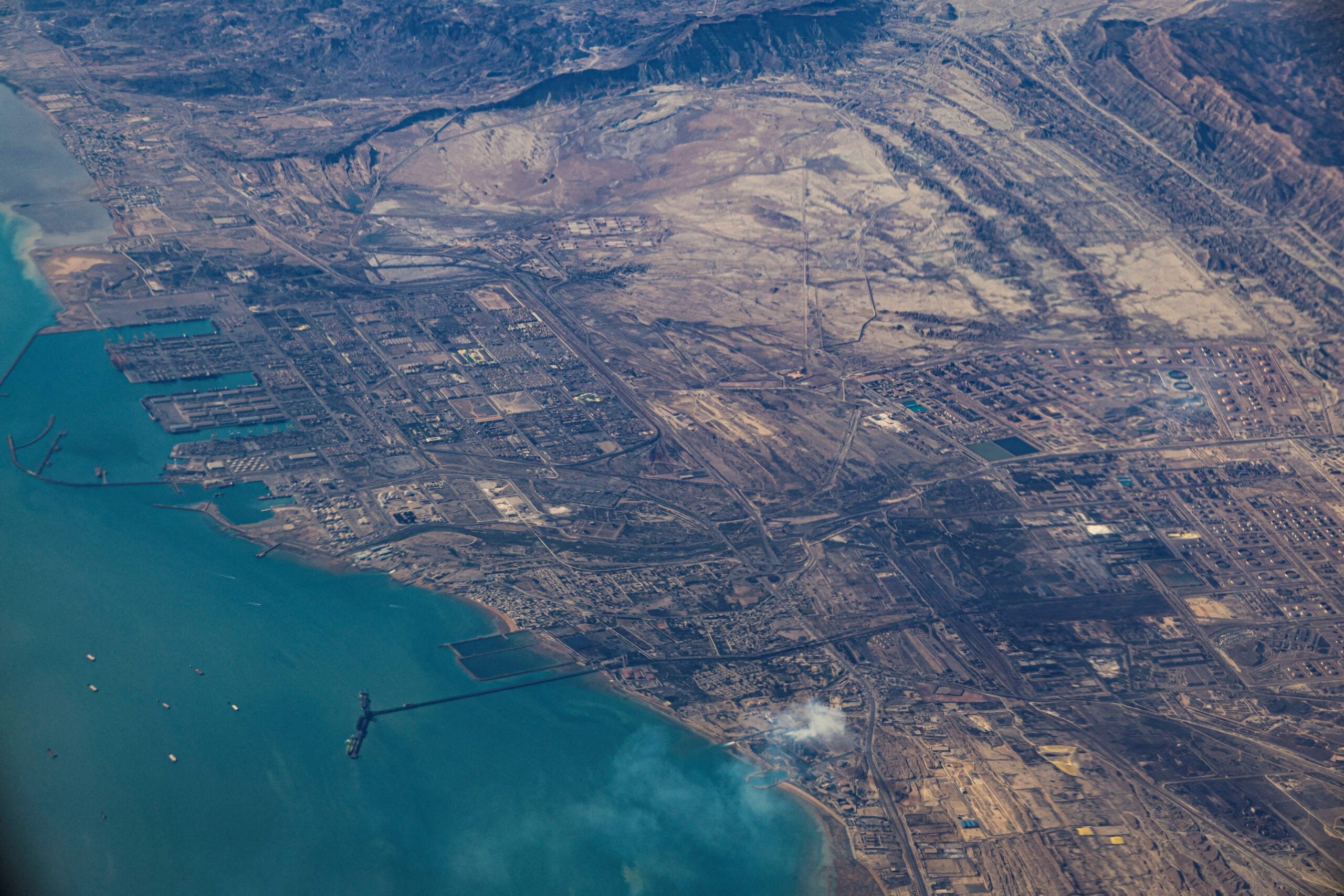
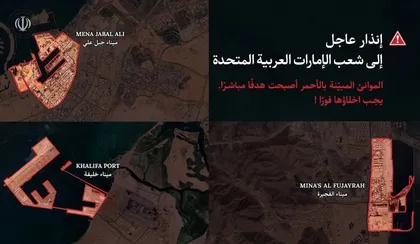
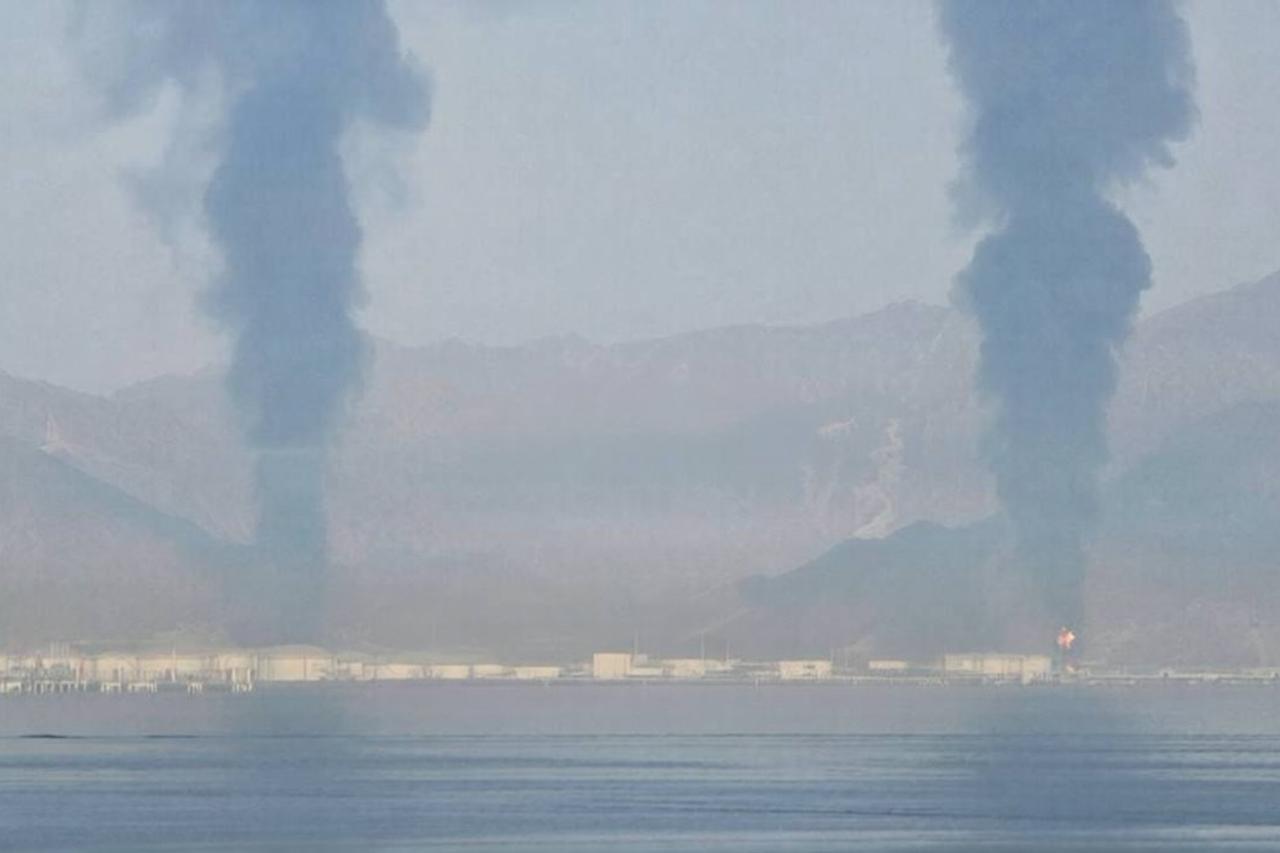
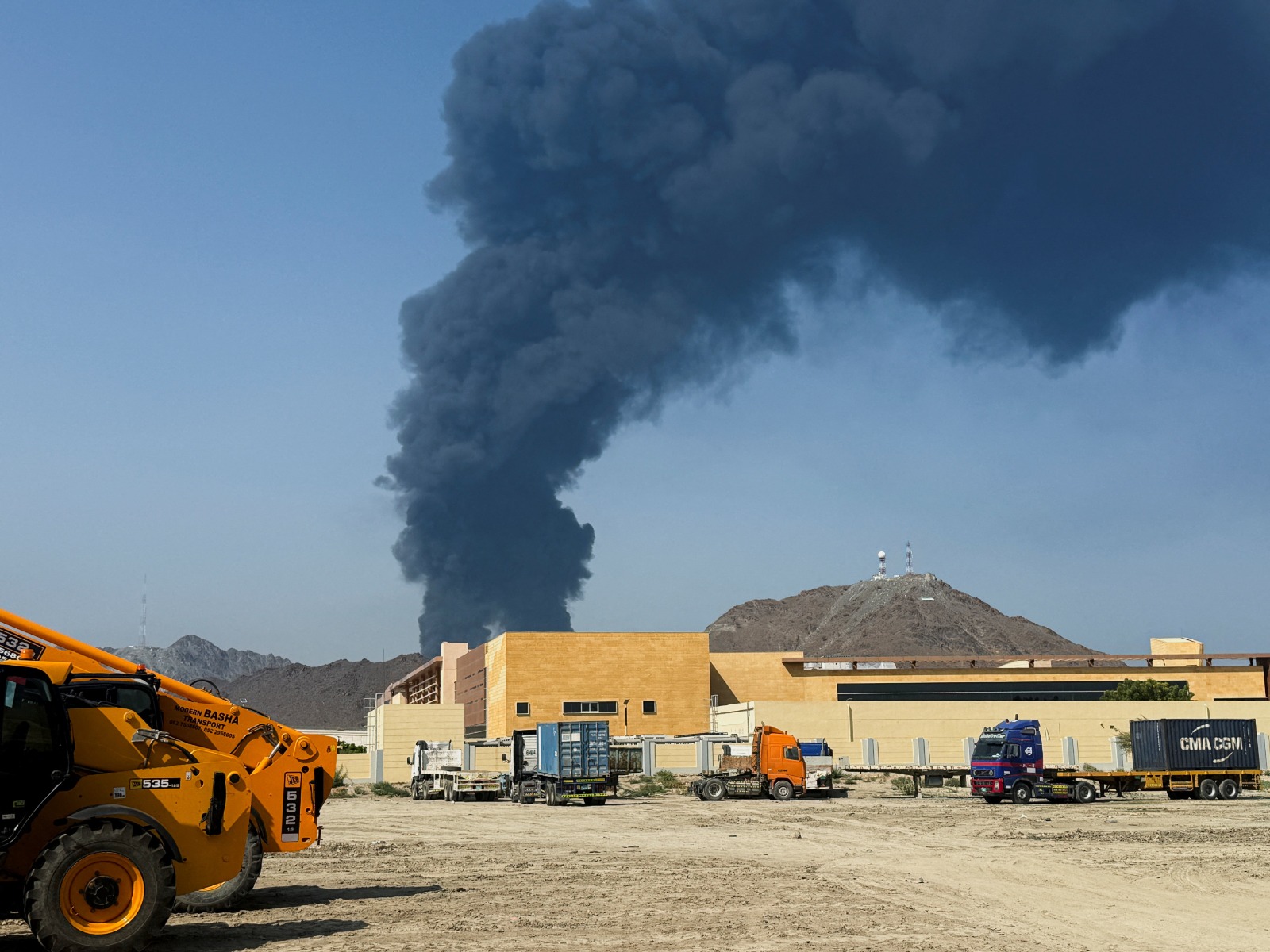
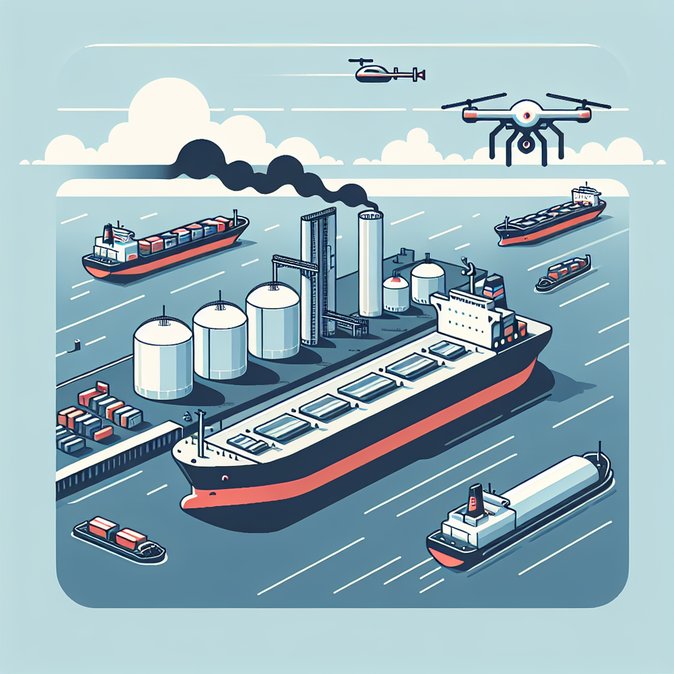
Immediate Shipping Cost Impact: Sellers relying on air freight through Middle Eastern hubs (Dubai, Abu Dhabi, Doha) face route diversions and 15-25% cost increases. The temporary suspension of oil loading operations at UAE's Fujairah port (March 14-15, 2026) and ongoing threats to Jebel Ali, Khalifa, and Fujairah ports demonstrate infrastructure vulnerability. For sellers shipping 500+ units monthly via air freight, this translates to $800-2,000 additional monthly costs. Ocean freight costs are similarly pressured as fuel surcharges increase with elevated crude prices. Small and medium sellers (SMBs) with thin 10-15% margins face the greatest profitability compression, while larger sellers with diversified logistics networks can absorb costs more effectively.
Strategic Sourcing Implications: The conflict incentivizes sellers to evaluate alternative sourcing corridors. Vietnam, India, and Southeast Asian suppliers become more attractive relative to China-based sourcing when factoring in Middle Eastern transit risks. Sellers should model cost scenarios assuming sustained $100-120/barrel oil pricing through Q2 2026. The USS Nimitz carrier extension through March 2027 signals prolonged US military presence, suggesting this isn't a short-term disruption. For sellers with inventory in Middle Eastern warehouses or 3PL facilities, immediate risk assessment is critical—consider temporary relocation to Singapore, Hong Kong, or European hubs to avoid port closure exposure.
Product Category Opportunities: High-value, low-weight categories (electronics, jewelry, luxury goods with 40%+ margins) remain viable via air freight despite cost increases. Conversely, heavy/bulky categories (furniture, appliances, sporting goods) face margin compression and should shift to ocean freight with extended lead times (6-8 weeks vs. 2-3 weeks air). Sellers in time-sensitive categories (seasonal goods, trending merchandise) must accelerate inventory positioning before potential further escalation. The Formula 1 race cancellations (Bahrain April 12, Saudi Arabia April 19) eliminate a major merchandise opportunity window for motorsports collectibles and apparel sellers in those markets.
Questions 8
What compliance or documentation changes should sellers expect if Middle East ports close?
Port closures trigger customs rerouting and extended documentation processing. If Jebel Ali or Fujairah close, shipments divert to Oman, Qatar, or Saudi ports, requiring updated bills of lading and customs declarations. Expect 3-5 day processing delays and potential additional customs broker fees ($150-300 per shipment). Sellers should pre-register with alternative port customs brokers in Singapore, Hong Kong, and European hubs now. Maintain updated HS codes and product classifications for rapid rerouting. For Amazon FBA sellers, notify your 3PL provider immediately of any port closure to ensure inventory tracking accuracy and avoid IPI score penalties from delayed inbound shipments. Document all force majeure events for potential carrier claim disputes.
What is the timeline for shipping cost normalization if the Middle East conflict escalates further?
Analysts warn that sustained attacks on Iran's Kharg Island (90% of Iran's crude exports, 7 million barrels/day capacity) would require ground troop operations and trigger further oil price increases beyond current $100/barrel levels. The US appears reluctant to undertake ground operations, suggesting a prolonged standoff. The USS Nimitz carrier extension through March 2027 indicates the military presence will persist at least 12 months. Sellers should plan for elevated shipping costs through Q2 2026 minimum, with potential extension through Q3-Q4 2026. Budget for sustained 15-20% air freight premiums and 5-8% ocean freight surcharges in financial planning. Monitor geopolitical developments weekly and maintain flexibility to shift logistics strategies if escalation occurs.