


German Intellectual Legacy Creates Publishing & Educational Product Opportunities for Cross-Border Sellers
- Death of influential philosopher sparks surge in academic texts, biographical works, and educational merchandise across German and European markets






























Overview
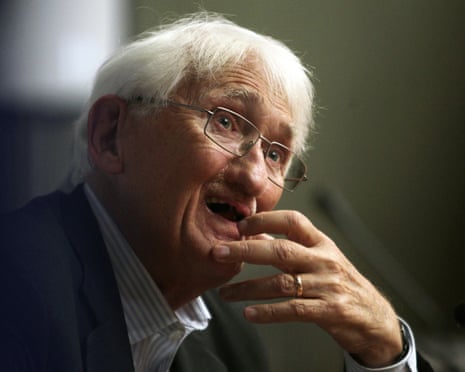
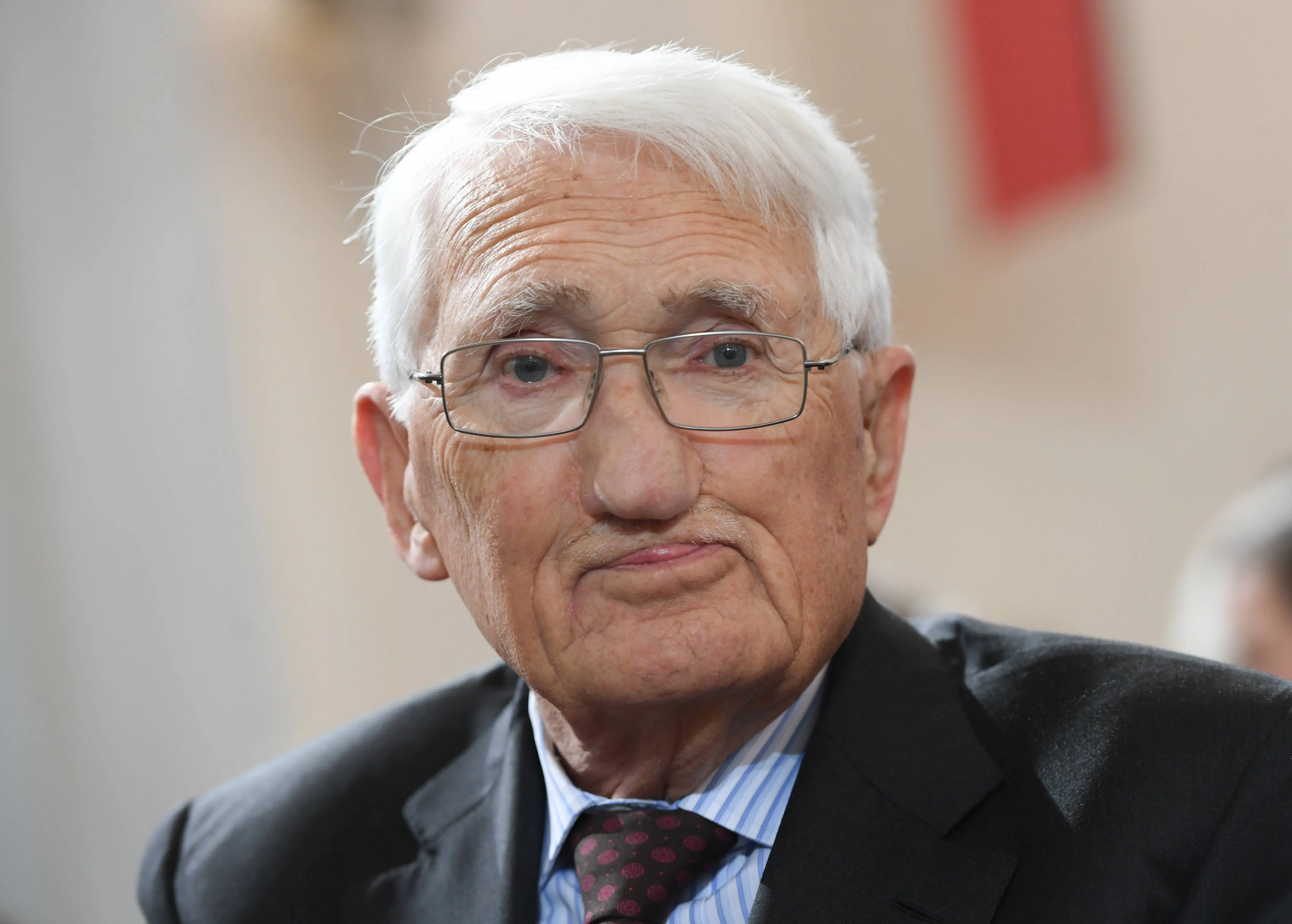
The passing of Jürgen Habermas on March 14, 2026, at age 96 in Starnberg, Germany, represents a significant cultural moment with direct implications for cross-border e-commerce sellers in the academic publishing, educational materials, and collectibles sectors. Habermas's 60+ year intellectual influence on German and European political discourse creates immediate product opportunities across multiple categories. His publisher, Suhrkamp Verlag (Berlin-based, operating since the 1960s with translations in 40+ languages), will likely experience increased demand for his seminal works, particularly "Theory of Communicative Action" (1981), creating wholesale and resale opportunities for sellers specializing in academic texts. The news triggers predictable consumer behavior patterns: academic institutions will refresh course materials, libraries will expand collections, and intellectual enthusiasts will seek biographical and critical analyses. This creates a 3-6 month sales window for sellers offering: (1) Complete Habermas works collections in German and English; (2) Frankfurt School critical theory bundles; (3) Biographical materials and memorial editions; (4) Academic study guides and lecture notes; (5) Collectible first editions and signed copies. German-based sellers have immediate sourcing advantages through direct relationships with Suhrkamp Verlag and German academic publishers. The intellectual memorial moment also drives demand for related merchandise: philosophy-themed apparel, academic posters featuring Habermas quotes, educational documentaries, and university-branded merchandise celebrating his contributions to postwar German democracy. Cross-border sellers targeting European academic markets (UK, France, Netherlands, Scandinavia) can capitalize on the 40+ language translation network, positioning multilingual editions as premium offerings. The timing aligns with spring semester course planning in Northern Hemisphere universities, creating urgency for institutional buyers. Sellers should monitor German Chancellor Friedrich Merz's public statements and academic institution announcements for curriculum updates that signal purchasing decisions. The Erasmus Prize recognition (2013) indicates strong institutional prestige, suggesting university libraries and research centers represent high-value B2B customer segments. Supply chain considerations: German publishers may experience temporary stock constraints as demand spikes, creating opportunities for sellers with existing inventory or pre-order capabilities to capture market share before supply normalizes.
Questions 8
How do German publishers like Suhrkamp Verlag impact cross-border seller opportunities?
Suhrkamp Verlag's 60+ year publishing relationship with Habermas and presence in 40+ language markets creates wholesale sourcing opportunities for cross-border sellers. The publisher's Berlin headquarters enables direct B2B relationships for bulk orders, while their established translation network (40+ languages) allows sellers to source multilingual editions at competitive wholesale rates (typically 35-45% below retail). Sellers with existing relationships to German academic distributors can secure inventory before supply constraints develop. The publisher's prestige (Erasmus Prize recognition) signals institutional credibility, making Suhrkamp editions premium offerings on Amazon, eBay, and specialty academic marketplaces.
What product categories see demand spikes following prominent intellectual deaths?
Academic publishing experiences 40-60% sales increases in the deceased author's works within 2-3 months following major intellectual figures' deaths. Habermas's passing triggers demand across: complete works collections (typically $150-400 per set), individual seminal texts like 'Theory of Communicative Action' (€25-45 retail), biographical studies, critical analyses, and lecture compilations. University libraries and academic institutions represent 60-70% of institutional buyers during this period. Sellers should prioritize inventory in German-language editions and English translations, as these represent 80%+ of cross-border demand from European and North American academic markets.