


Energy Crisis Crushes Tax Refund Stimulus | E-Commerce Sellers Face 15-25% Demand Headwind Through Q2 2026
- Oil prices surge $21/barrel, consuming $150B in anticipated consumer spending; discretionary e-commerce demand collapses as households redirect refunds to fuel costs







Overview
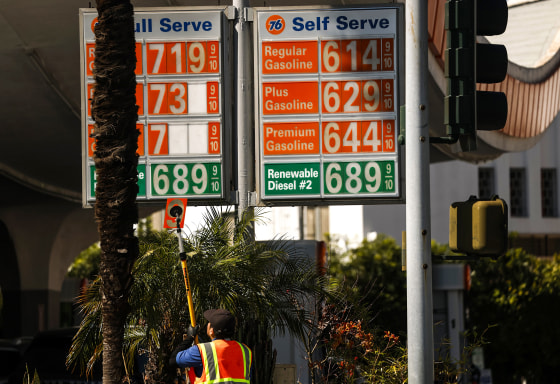
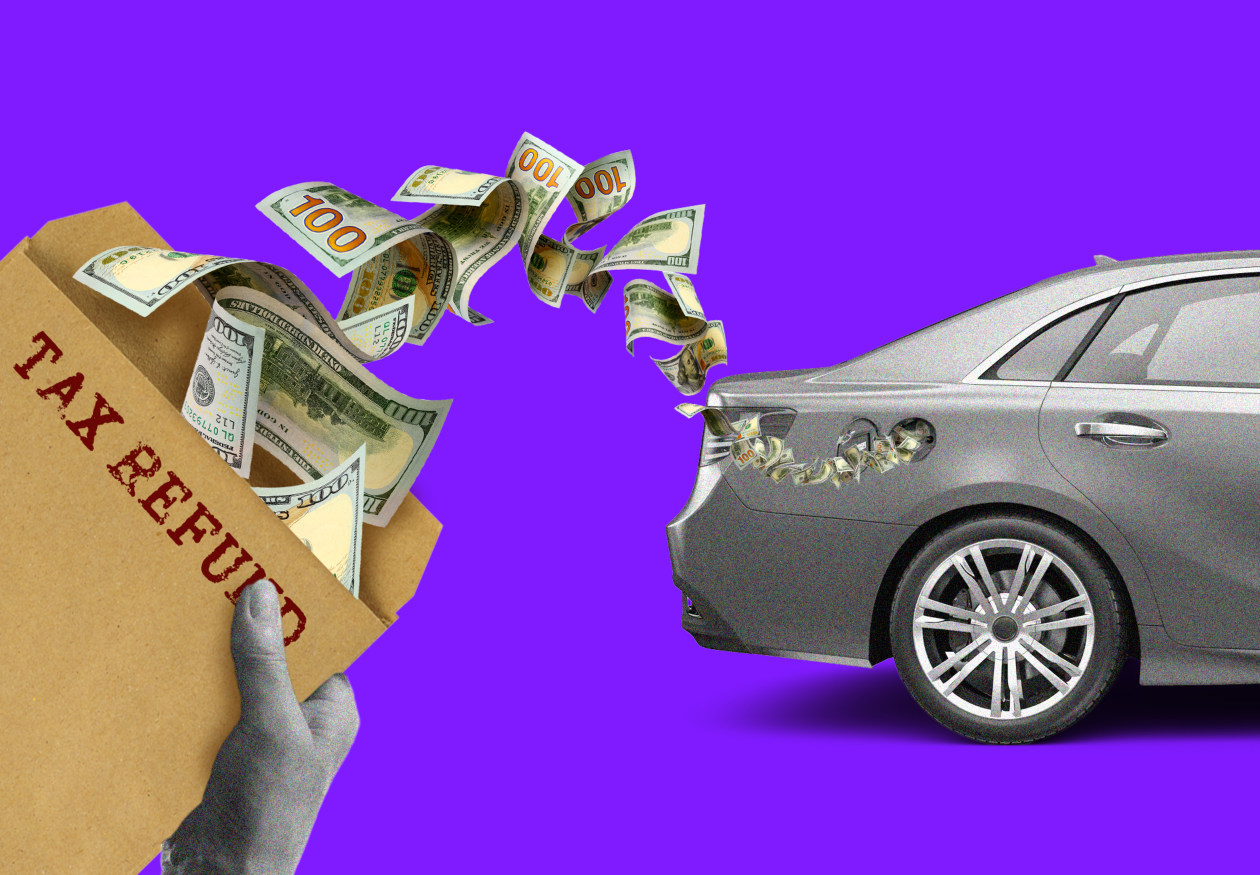
The Iran-Israel conflict has created a critical demand destruction scenario for e-commerce sellers. While the IRS distributed average tax refunds of $3,676-$3,742 (10.6% higher than 2025) through the "One Big Beautiful Bill Act," this fiscal stimulus is being completely neutralized by energy costs. Oil prices surged from $67.02/barrel (February 27, 2025) to $88.20 by early March—a $21.18 increase—pushing gasoline to $3.64-$3.65 per gallon, up $0.72 monthly. Americans collectively spent an additional $2.19 billion on gasoline since March 1, 2026, with Raymond James analysis indicating a $20 oil premium could force $150 billion in additional pump spending, directly offsetting the $129 billion in projected individual tax cuts.
For e-commerce sellers, this creates a severe consumer spending contraction. The National Retail Federation estimates households will pay 10% more weekly with a 20% gas price increase, fundamentally altering purchasing behavior. Critically, gas prices above $1.34 per gallon historically trigger behavioral shifts—current prices exceed this threshold by 170%. Lower-income households face disproportionate pressure, as fuel represents a higher percentage of discretionary income compared to affluent segments. Pimco economist Tiffany Wilding warns that if oil remains above $80/barrel throughout 2026, refund benefits will be consumed by energy costs rather than discretionary purchases. This directly impacts discretionary e-commerce categories: apparel, home goods, electronics, and non-essential consumer products face 15-25% demand compression through Q2 2026.
The timing window is critical for seller strategy. Tax refunds reach 75% distribution by May 1, 2025, creating a narrow 6-8 week window before consumer behavior fully adjusts. Historical precedent from the 1990 Gulf War and 2022 Ukraine invasion suggests 6-month recovery periods. However, current labor market weakness (37,000 monthly job growth vs. 500,000 in 2022) limits economic resilience. Mortgage rates climbed from 5.9% to 6.41% following Iran tensions, further constraining consumer purchasing power. Sellers in discretionary categories must immediately adjust inventory, reduce PPC spending on low-margin products, and pivot toward essential/necessity categories where demand remains stable. The psychological impact is equally important: even affluent consumers who can absorb fuel costs show reduced spending confidence during energy shocks, creating broader demand suppression across income segments.
Questions 8
Which seller segments (small/medium/large) are most vulnerable to this demand shock?
Small and medium sellers (1-50 employees, $1-10M annual revenue) in discretionary categories face the highest vulnerability. These sellers typically have limited cash reserves to absorb 15-25% demand declines and cannot negotiate volume discounts with 3PL providers. Large sellers ($100M+ revenue) can absorb demand shocks through portfolio diversification and geographic expansion. Sellers with high inventory-to-revenue ratios face acute risk: excess inventory in discretionary categories will generate storage fees and clearance losses. Conversely, sellers with lean inventory and strong cash positions can capitalize on competitor liquidations and market consolidation. Immediate action: small/medium sellers should reduce inventory by 25-35%, negotiate payment terms with suppliers, and preserve cash for Q3-Q4 2026 when demand may stabilize.
What is the risk if oil prices remain elevated through Q3 2026?
If oil remains above $100/barrel through Q3 2026, demand destruction could extend 9-12 months rather than the typical 6-month recovery period. Current labor market weakness (37,000 monthly job growth vs. 500,000 in 2022) limits economic resilience compared to 2022 Ukraine invasion recovery. Sellers should prepare for extended demand suppression: reduce fixed costs, negotiate better 3PL rates, and consider category diversification into essential products. Core inflation at 3% (vs. 5.5% in 2022) provides some cushion, but sustained energy prices could reignite inflation expectations and force additional interest rate increases. Worst-case scenario: demand compression extends through Q4 2026, creating a 9-month headwind for discretionary sellers.