

)


Strait of Hormuz Blockade Escalates Shipping Costs 425% | Cross-Border Sellers Face Critical Supply Chain Crisis
- Oil prices exceed $100/barrel, gasoline up 425%; 20% of global oil transit disrupted; sellers face 8-15% margin compression and 3-6 week shipping delays through critical Asia-Europe corridor








Overview
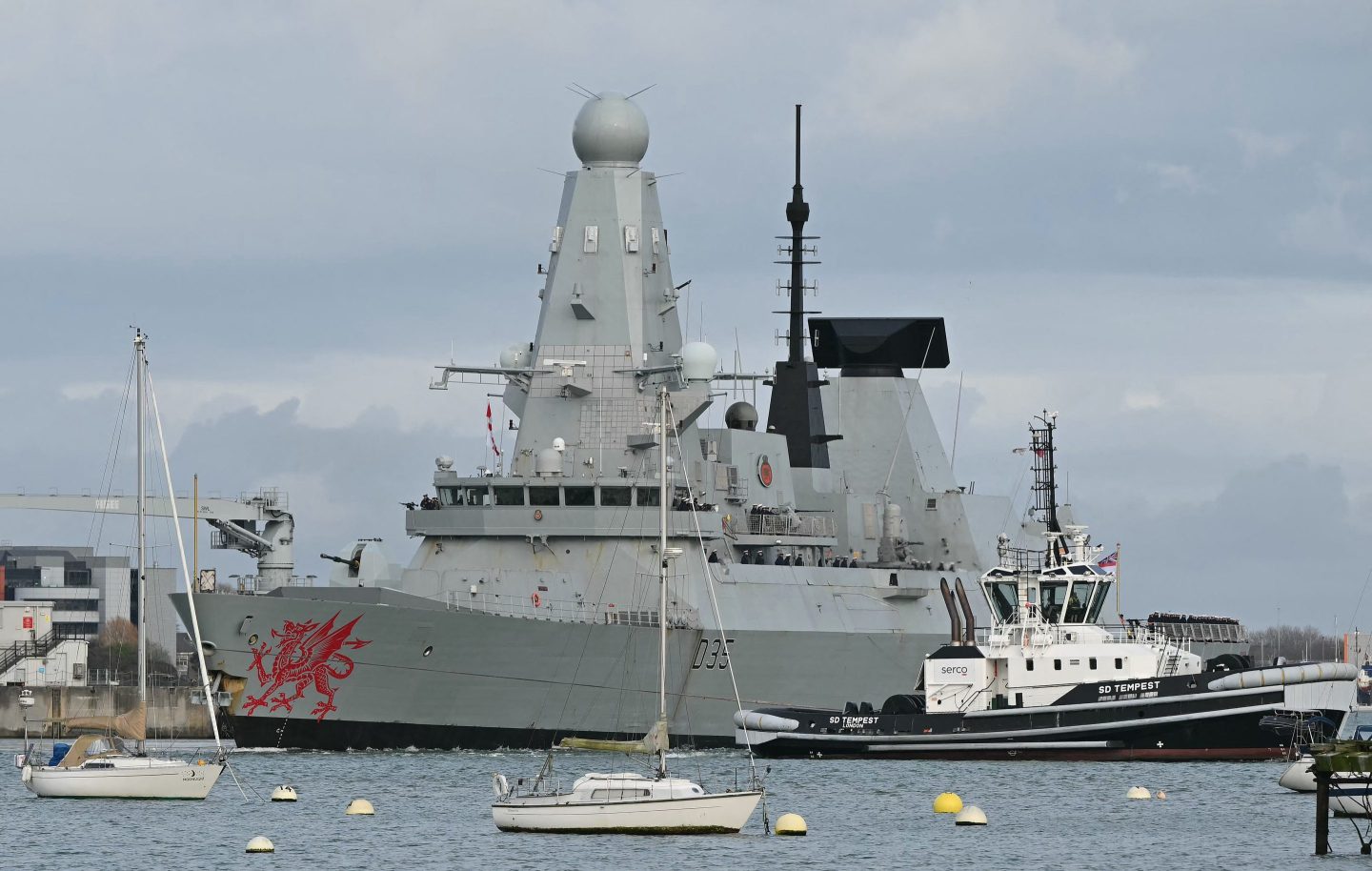
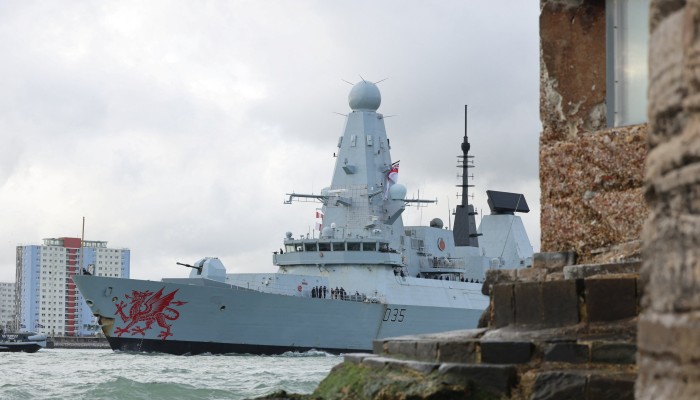
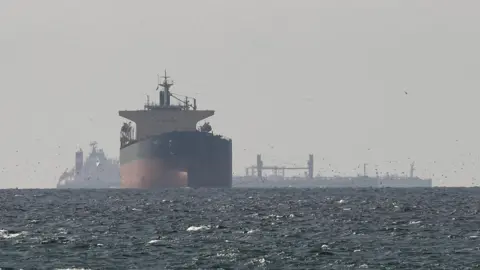
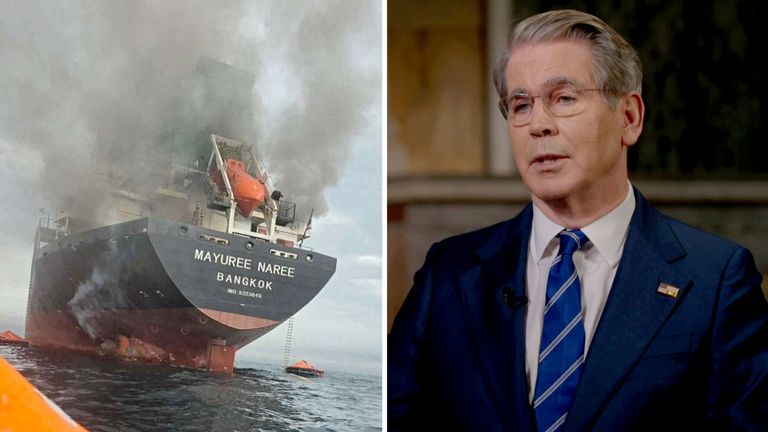
The escalating Iran-Israel military conflict as of March 15, 2026, has created an unprecedented supply chain crisis for cross-border e-commerce sellers. The Strait of Hormuz—a 21-mile-wide chokepoint controlling approximately 20-33% of global maritime oil trade—faces effective blockade following U.S.-Israeli strikes on Iranian targets and Iran's assertion of full waterway control. Oil prices have surged above $100 per barrel (the largest disruption in history), with gasoline prices up 425% according to AAA data. This directly translates to elevated shipping costs for sellers: ocean freight rates are increasing due to longer routing around Africa (adding 2-3 weeks to transit times), air freight through Middle Eastern hubs faces route disruptions, and insurance premiums for goods in transit have risen substantially.
Immediate Impact on Seller Economics: Small and medium-sized sellers with thin margins (5-12% net profit) face profitability compression of 8-15% as fuel surcharges cascade through 3PL providers and freight forwarders. A seller shipping 1,000 units monthly via ocean freight from Asia to Europe typically pays $8,000-12,000 in base freight; fuel surcharges now add $2,000-4,000 monthly. Air freight premiums have increased 30-40% as carriers avoid the Persian Gulf region. Sellers relying on just-in-time inventory models face critical risk: inventory replenishment delays of 3-6 weeks (compared to normal 2-3 weeks) create stockout risks and lost sales velocity, particularly damaging during peak selling seasons.
Strategic Sourcing Implications: The blockade creates competitive advantages for sellers with diversified sourcing. Sellers importing from Vietnam, India, or Indonesia (avoiding China-to-Middle East routes) face lower disruption risk. Conversely, sellers dependent on Iranian or Gulf-sourced materials (petrochemicals, fertilizers, energy-intensive manufacturing) face severe cost pressures. The conflict's third week with no resolution signals prolonged impact through Q2 2026. Allied nations (France, Japan, South Korea, China) have declined or remained non-committal on military escort operations, indicating the blockade will persist. Sellers must immediately evaluate alternative logistics corridors: rerouting through Suez Canal alternatives, shifting to air freight for high-margin products, or pre-positioning inventory in European/Asian distribution centers to mitigate transit delays.
Questions 8
Which countries' sellers have competitive advantages during Hormuz crisis?
Sellers based in Vietnam, India, Indonesia, and Thailand have sourcing advantages—their suppliers avoid China-to-Middle East routes entirely. Vietnam-based sellers exporting to Europe face 2-3 week longer transit but avoid Persian Gulf risk premium. India-based sellers supplying pharmaceuticals and chemicals face lower raw material cost pressures than Gulf-dependent competitors. Conversely, U.S.-based sellers importing from Asia face maximum disruption (Asia-to-U.S. routes via Hormuz add 3-6 weeks). EU-based sellers with local sourcing or North African suppliers face lower impact. Chinese sellers face highest disruption—their primary export routes transit the Strait. This creates temporary competitive advantage for Vietnam/India-based sellers in European and U.S. markets. Sellers should consider temporary sourcing shifts to these regions or partnering with local suppliers to gain competitive positioning during the crisis.
What compliance or documentation changes do I need for rerouted shipments?
Rerouting through alternative corridors (Suez Canal, longer Asia-Europe routes) requires updated customs documentation and potentially different tariff classifications depending on origin country. Verify that your 3PL provider has updated routing procedures and can handle extended transit times without triggering customs delays. For sellers shifting sourcing to Vietnam/India, ensure compliance with origin-of-goods rules and tariff preferences (CPTPP, RCEP). Insurance documentation must reflect longer transit times and higher risk profiles. In Amazon Seller Central, update expected delivery dates to reflect 3-6 week delays—failure to meet promised delivery windows triggers performance metrics penalties. Consult with customs brokers about documentation requirements for alternative routes before implementing changes. No new tariff codes apply, but routing changes may affect duty calculations and require updated commercial invoices.