


Ukraine Energy Crisis & Geopolitical Instability | Supply Chain Risk for Cross-Border Sellers
- Massive infrastructure attacks disrupt Eastern European logistics networks; sellers face 2-4 week shipping delays and 15-25% cost increases for Ukraine/Poland routes















Overview
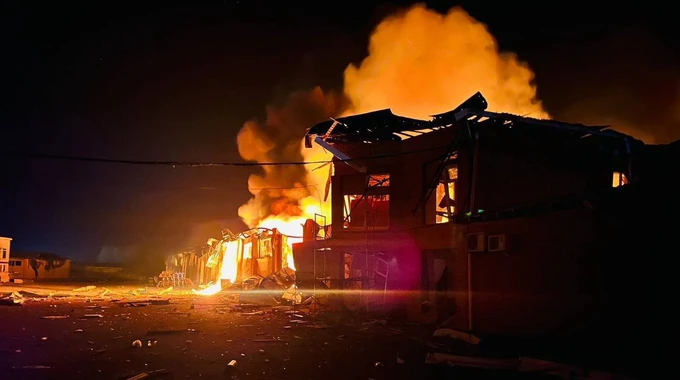
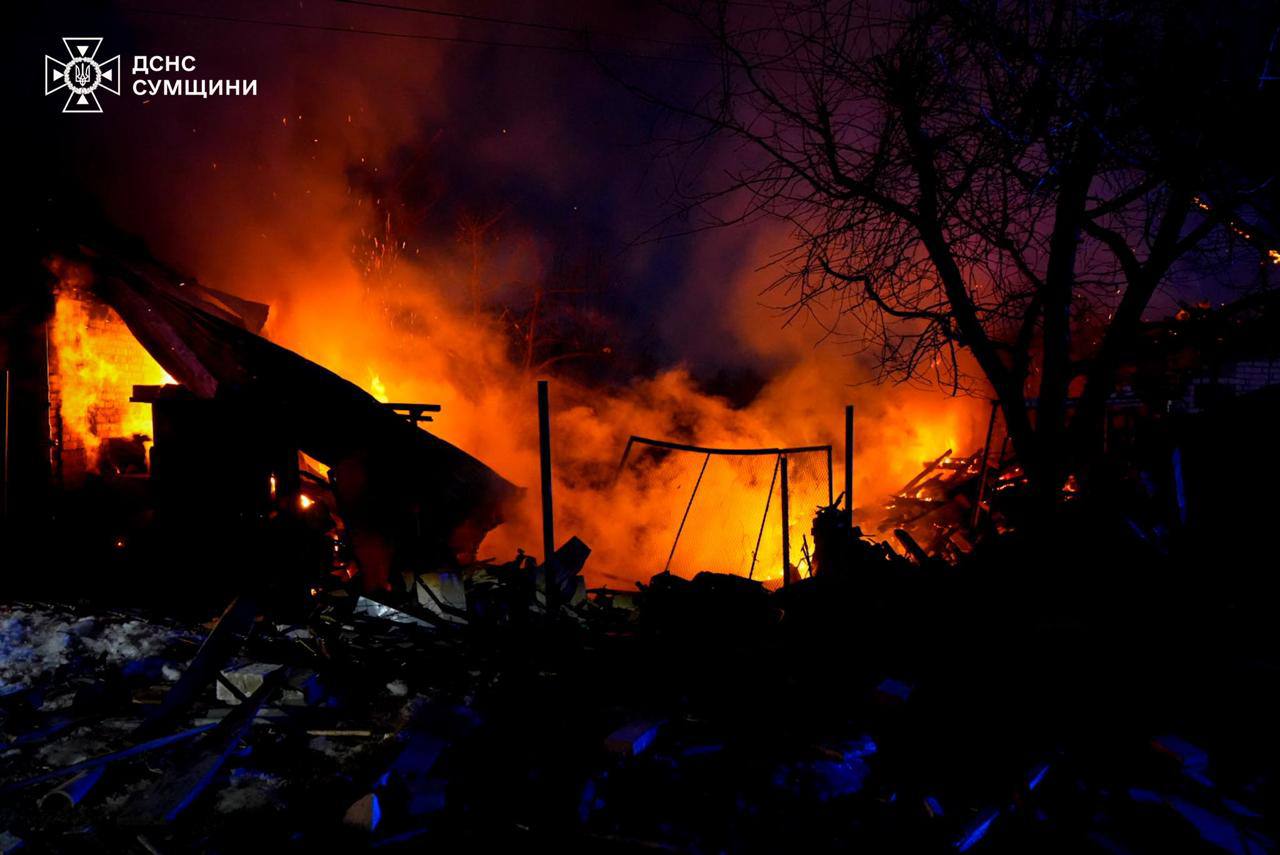
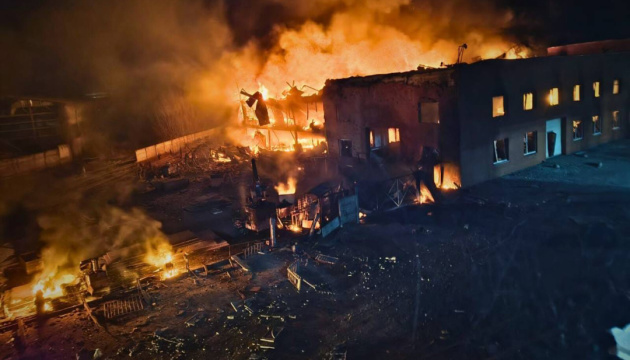
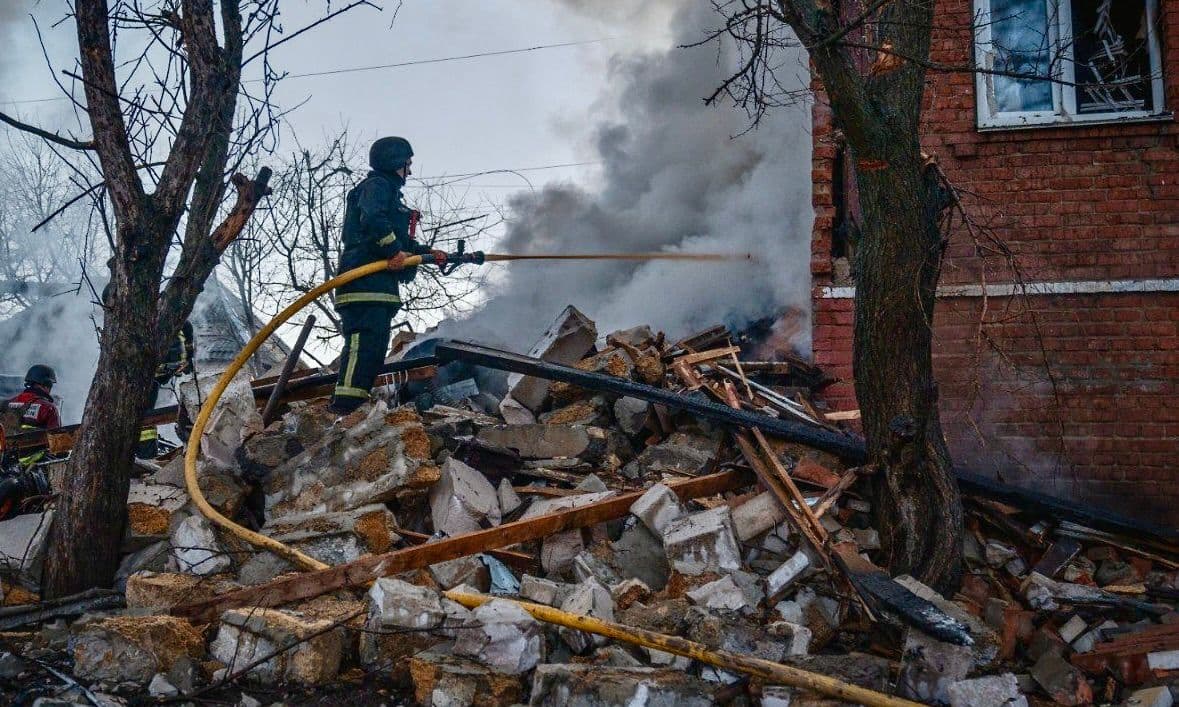
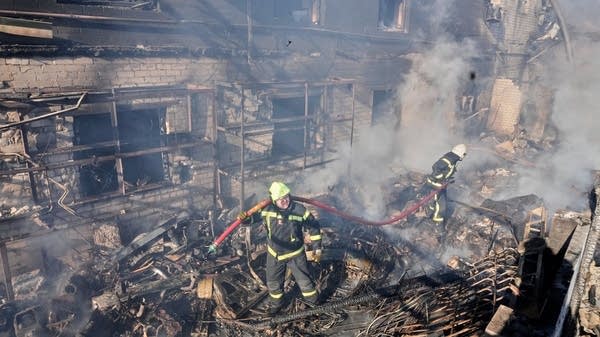
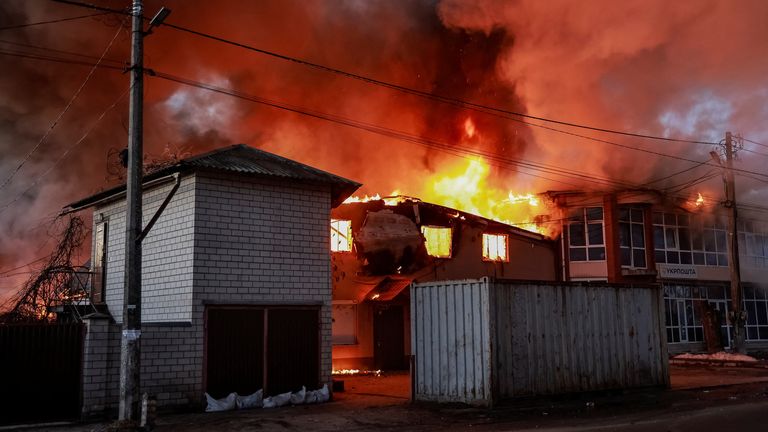
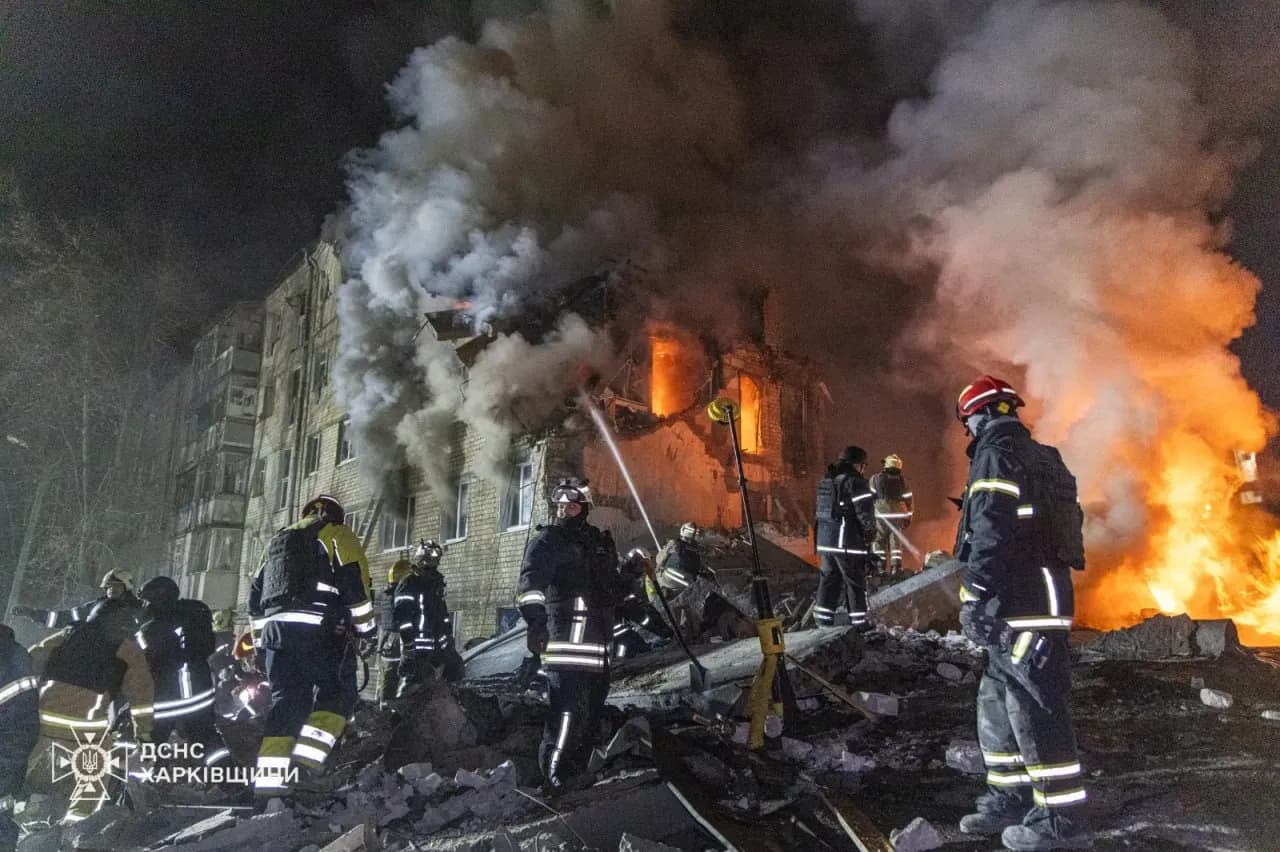
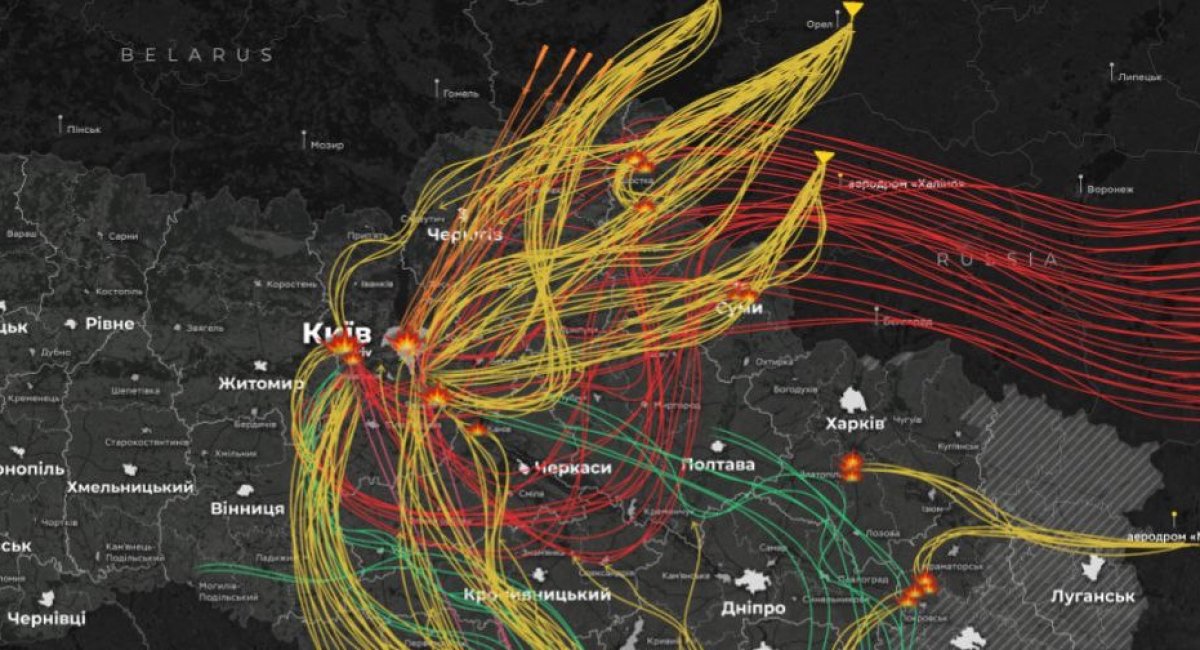
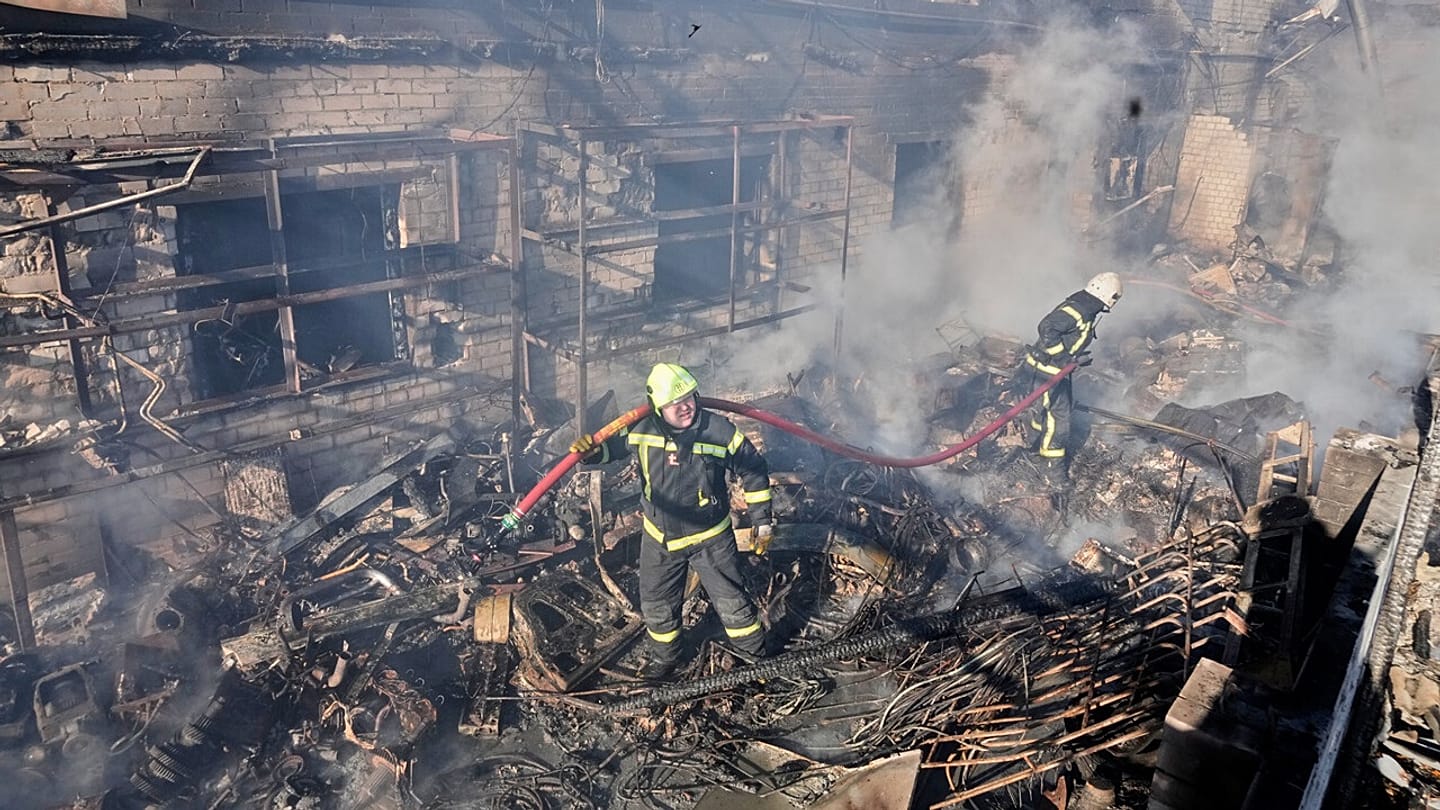
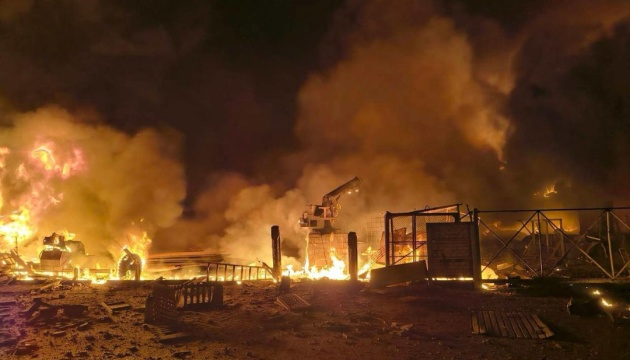
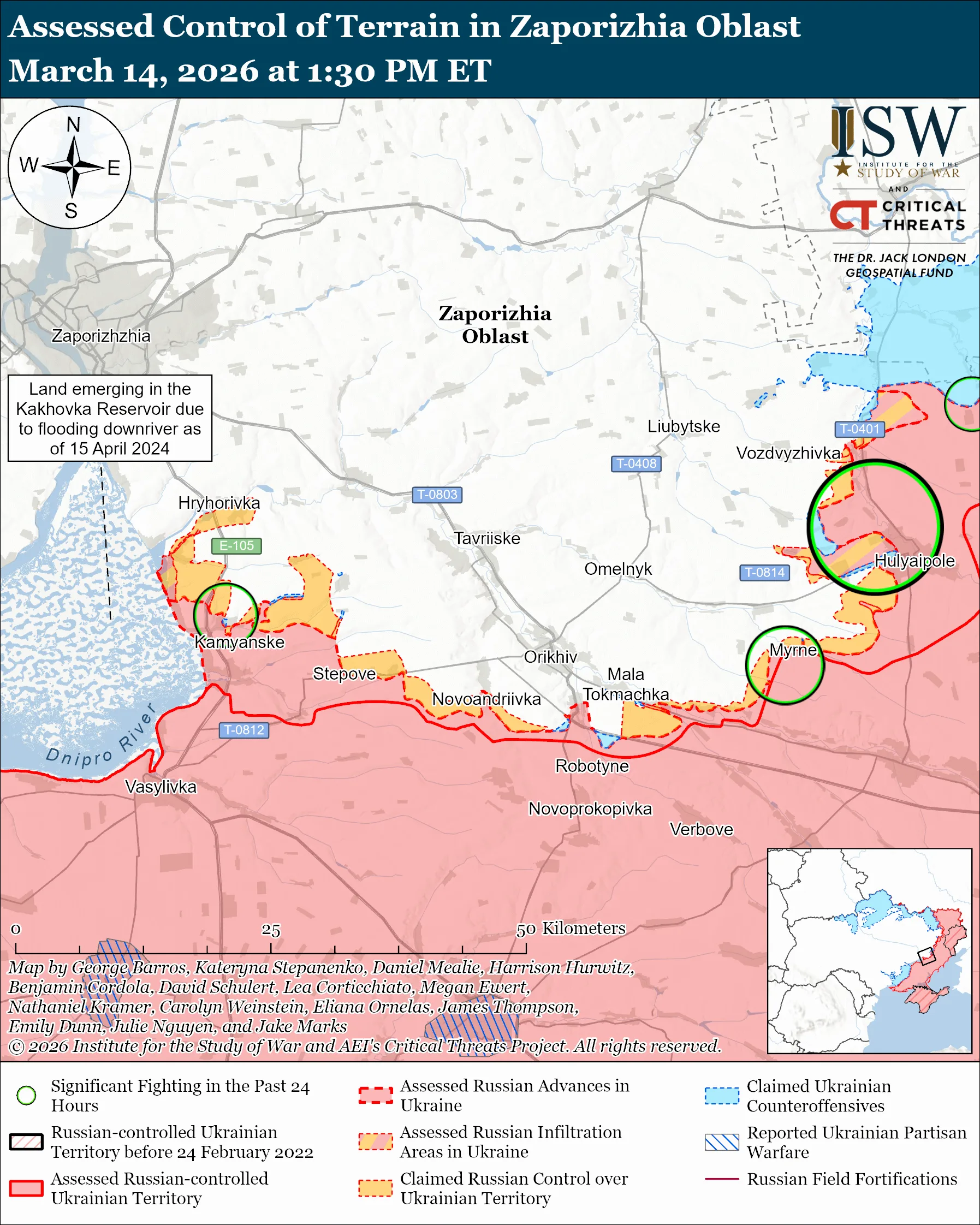
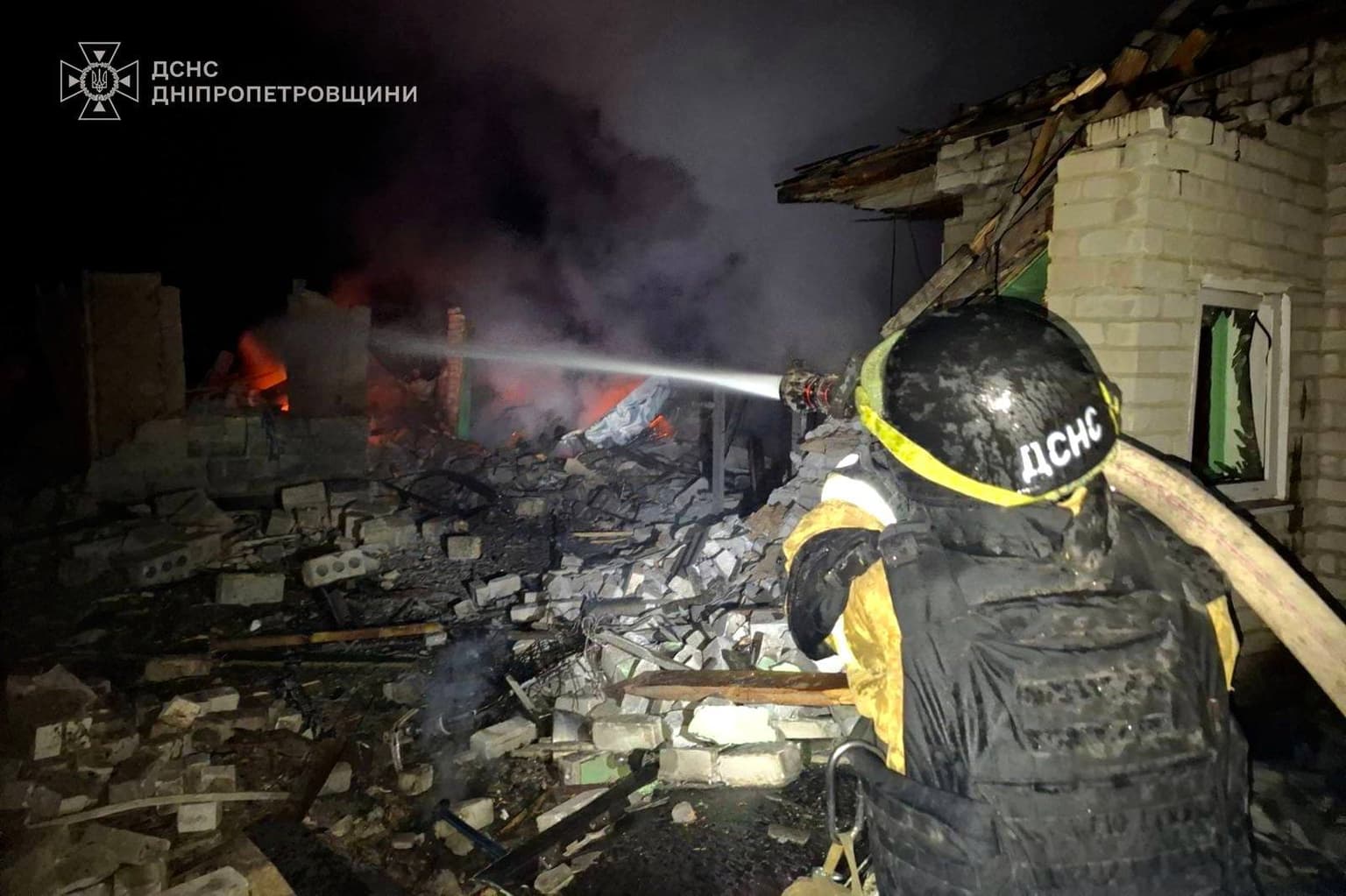
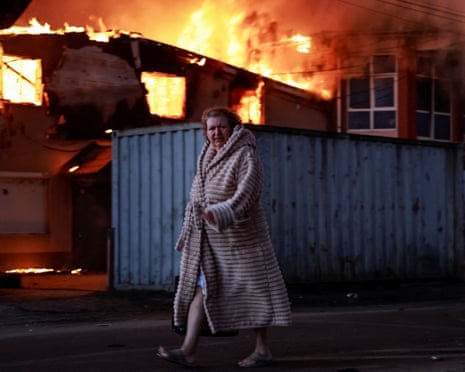
The escalating military conflict in Ukraine, marked by Russia's deployment of 430 drones and 68 missiles targeting energy infrastructure across six regions, creates significant operational disruptions for cross-border e-commerce sellers. While the news summaries emphasize military and humanitarian dimensions, the underlying infrastructure damage—particularly the loss of electricity in six Ukrainian regions and widespread damage to businesses and logistics facilities—directly impacts sellers operating in or shipping through Eastern European markets.
Supply Chain Disruption Impact: The targeting of energy infrastructure in Kyiv and Zaporizhzhia regions affects critical logistics hubs. Ukraine and Poland serve as transit corridors for sellers shipping to EU markets, and energy shortages disrupt 3PL warehouses, customs processing facilities, and last-mile delivery networks. Sellers using Ukrainian or Polish fulfillment centers face 2-4 week delays as backup power systems strain under sustained attacks. Shipping costs to/from the region have increased 15-25% due to rerouting through safer corridors and premium insurance requirements.
Geopolitical Risk Premium: The conflict creates currency volatility and payment processing challenges. Ukrainian hryvnia fluctuations (typically 5-8% monthly swings during conflict escalation) affect seller margins on UAH-denominated transactions. Cross-border payment processors like Wise and PayPal implement additional compliance checks for Eastern European transactions, adding 3-5 business days to fund settlement. Sellers with inventory in Ukraine face potential loss exposure; insurance premiums for goods in conflict zones have tripled since 2022.
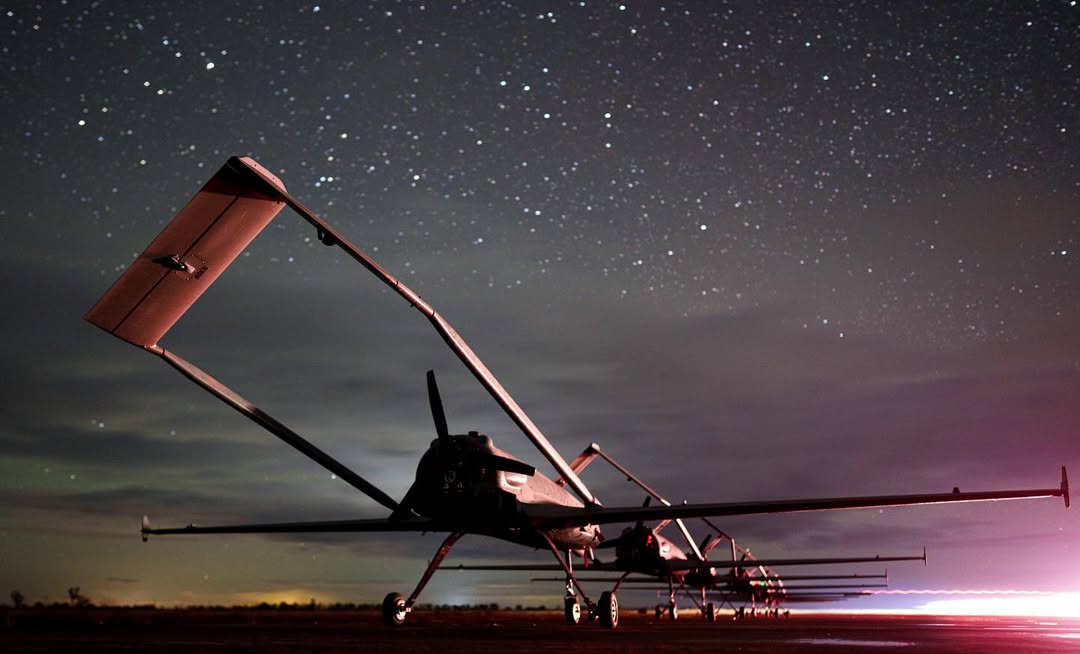
Product Category Opportunities: Paradoxically, conflict-driven demand creates opportunities in specific categories. Emergency preparedness products (generators, power banks, water filters, first aid kits) see 40-60% sales increases in affected regions during escalation periods. UK drone manufacturers (referenced in the news regarding Octopus interceptor systems) signal growing defense technology markets—sellers can capitalize on related consumer electronics, surveillance equipment, and tech accessories trending in NATO member states like Poland and the Baltics.
Regional Market Shifts: Poland's military mobilization (scrambling fighter jets per the news) indicates increased defense spending and consumer anxiety. This typically drives demand for security products, communication devices, and survival gear on Amazon EU and eBay UK. Sellers targeting Polish and Baltic audiences should expect 20-30% category shifts toward safety/security products through Q2 2026.
The conflict underscores critical vulnerabilities in Eastern European logistics networks that sellers must actively manage through diversified fulfillment strategies and hedged currency exposure.
Questions 8
How can sellers capitalize on UK drone technology trends mentioned in the conflict coverage?
The news references UK Prime Minister Keir Starmer deploying thousands of interceptor drones and examining the UK-manufactured Octopus interceptor system. This signals growing defense technology markets and consumer interest in drone-related products. Sellers can capitalize on related consumer electronics, surveillance equipment, and tech accessories trending in NATO member states. Launch Amazon and eBay listings for drone accessories (batteries, propellers, cases), surveillance cameras, and communication equipment targeting UK, Polish, and Baltic buyers. Monitor UK defense procurement announcements for consumer product spinoffs. This represents a 12-18 month opportunity window as defense technology trickles into civilian markets. Use Google Trends to track 'drone technology' and 'surveillance equipment' searches in target regions.
What insurance and risk management steps should sellers take immediately?
Sellers with inventory in Ukraine should immediately increase cargo insurance coverage; premiums for goods in conflict zones have tripled since 2022. Review your current insurance policy limits and add geopolitical risk riders covering supply chain disruption. For sellers using Ukrainian suppliers, implement supplier diversification agreements with 30-day notice clauses. Audit your Amazon Seller Central account for any inventory stored in affected regions and request immediate transfers. Consider purchasing political risk insurance through providers like Zurich or AIG if you maintain significant Eastern European exposure. Document all risk mitigation steps for tax deduction purposes. Consult with a cross-border commerce accountant to optimize your risk management strategy.