
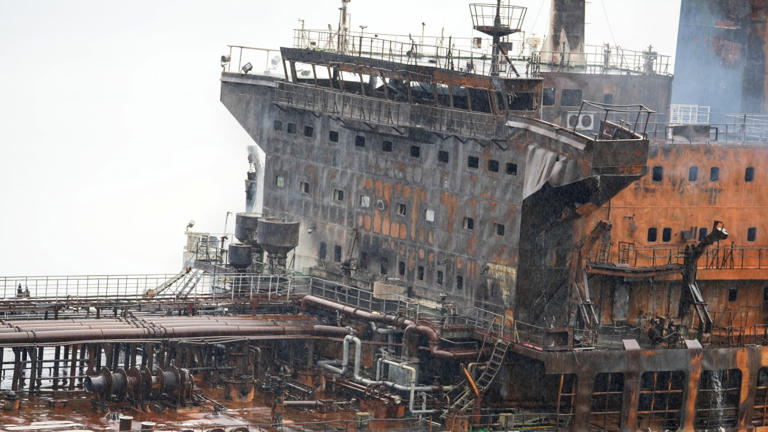




Strait of Hormuz Shipping Crisis | 15-30% Insurance Surge Crushes Cross-Border Seller Margins
- Maritime conflict disrupts 21% of global oil trade, forcing sellers to absorb 15-30% shipping insurance premiums and 20-40% longer transit times on Asia-to-US and Middle East routes







Overview
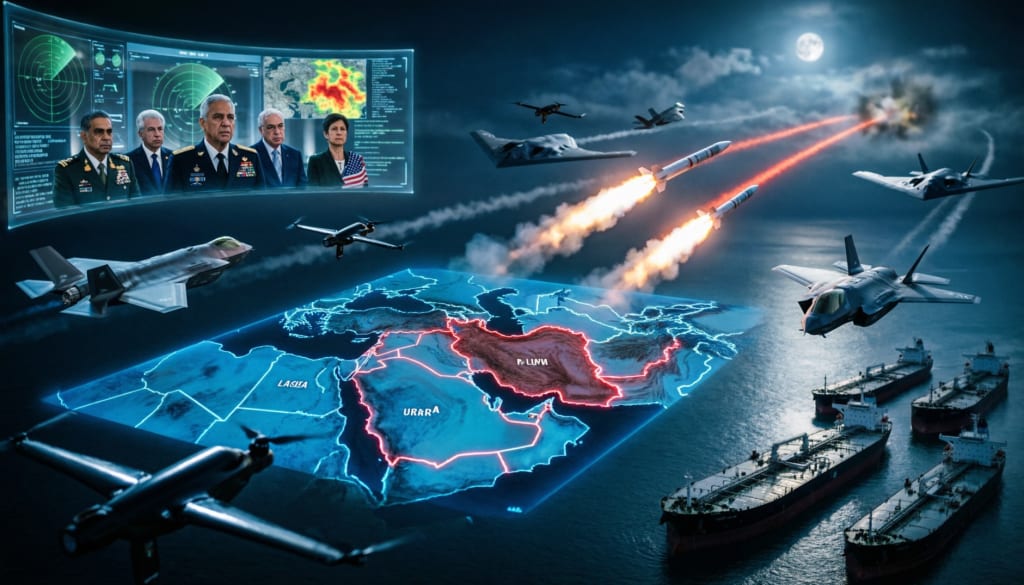
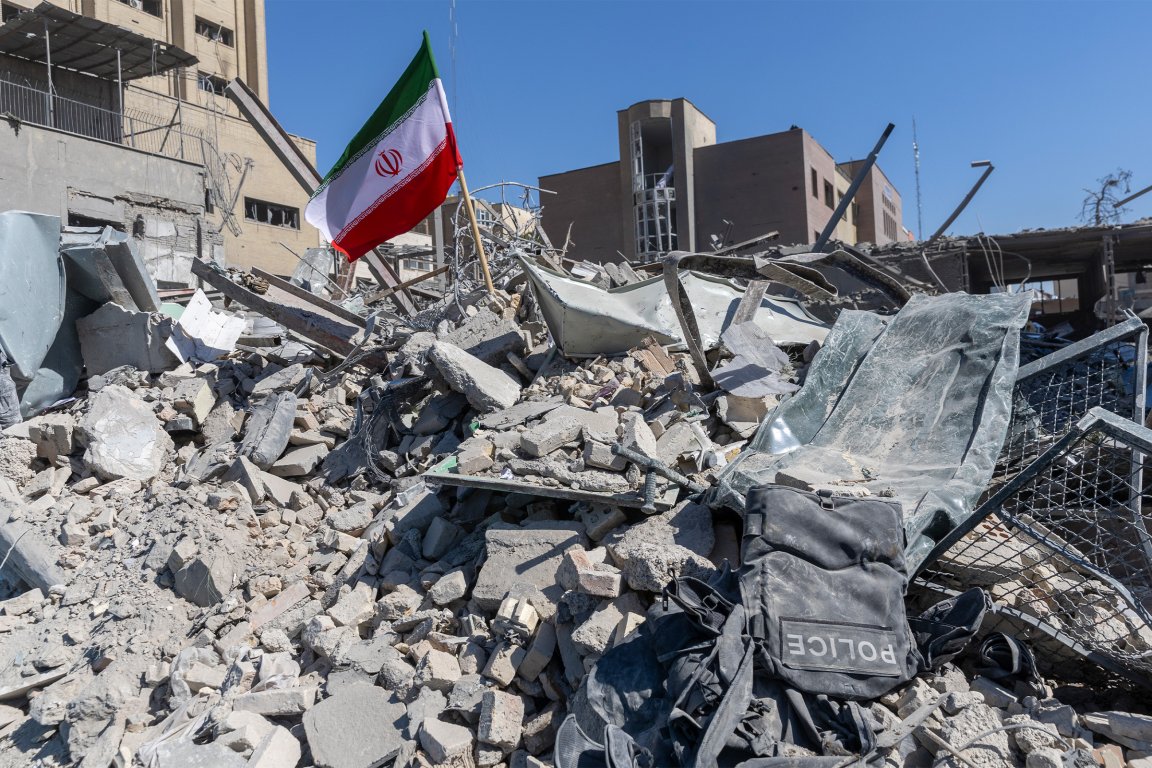
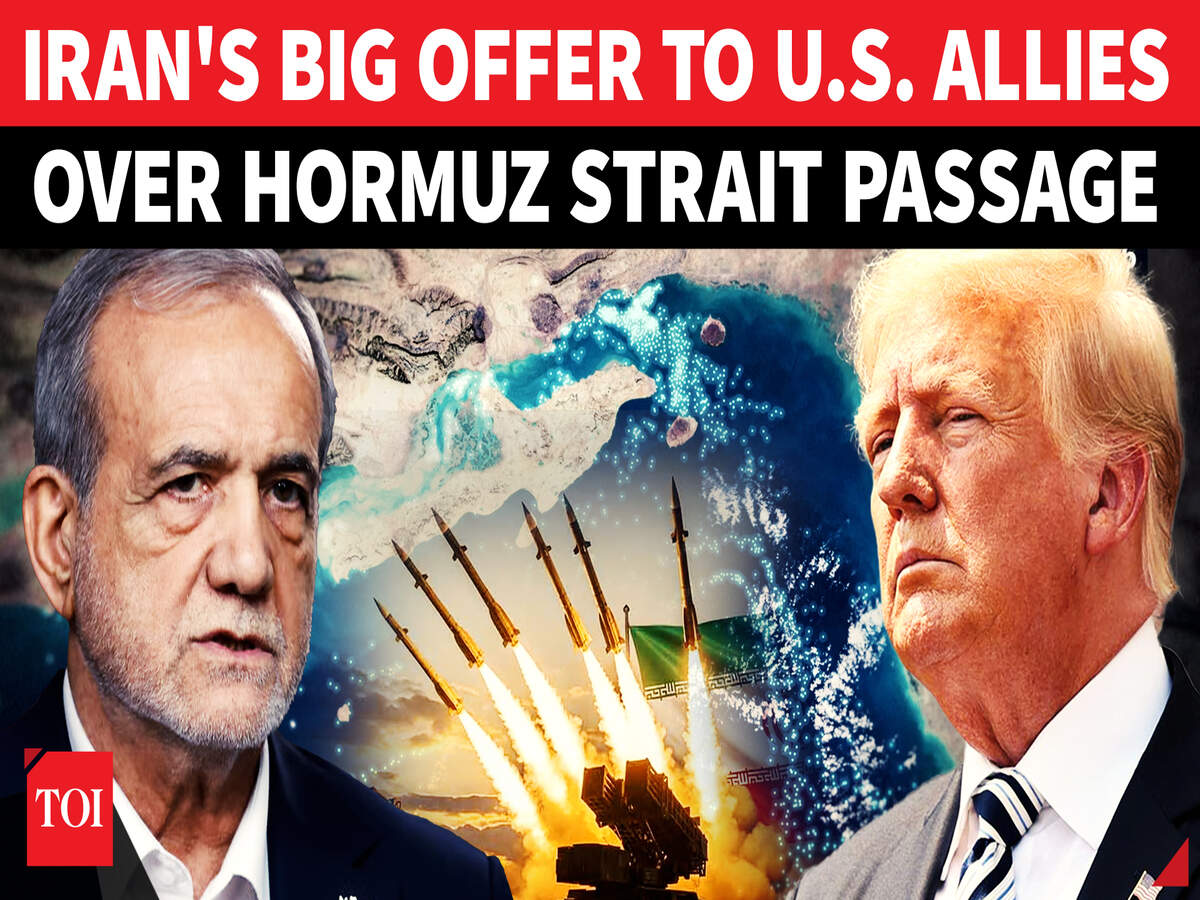
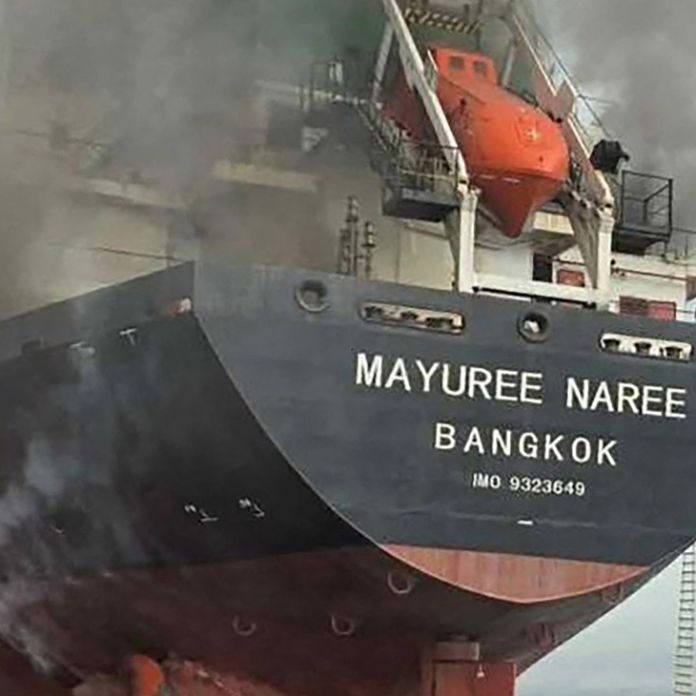
The March 2026 Iran-U.S. military escalation has transformed the Strait of Hormuz from a routine shipping corridor into a contested war zone, creating an immediate profitability crisis for cross-border e-commerce sellers. According to Wall Street Journal reporting from March 14, 2026, Iran has adopted an asymmetric economic warfare strategy targeting this critical chokepoint through which approximately 21% of global petroleum passes daily. The practical impact for sellers is severe and quantifiable: maritime insurance premiums for vessels transiting contested waters have surged 15-30%, while alternative routing around Africa adds 20-40% to transit times and fuel costs. This directly compresses margins for sellers relying on efficient Asia-to-U.S. and Middle East supply chains.
The immediate operational crisis affects three seller segments disproportionately. First, high-volume sellers (1,000+ units monthly) shipping from China, Vietnam, and India face the steepest cost increases—a typical 40-foot container that cost $3,500 to insure now costs $4,000-4,500, translating to $200-500 per shipment in additional expenses. Second, sellers with inventory in Middle Eastern fulfillment centers (UAE, Saudi Arabia) face near-complete shipping disruption; the International Energy Agency's release of 400 million barrels from strategic reserves signals global concern about prolonged disruption. Third, sellers in energy-intensive categories (electronics, appliances, automotive parts) face compounding pressure as oil price volatility increases manufacturing costs in Asia while simultaneously raising logistics expenses.
Strategic sourcing opportunities emerge from this disruption. Sellers currently dependent on Hormuz-routed supply chains should immediately evaluate alternative sourcing from Mexico, Central America, and Eastern Europe to bypass the crisis corridor entirely. Vietnam and India suppliers are experiencing 30-40% cost increases due to insurance and routing changes, creating temporary competitive advantages for sellers who can source from Mexico (USMCA-advantaged) or nearshoring partners. The conflict's duration remains uncertain—Iranian officials claim readiness for "prolonged conflict" while U.S. forces report striking 28 mine-laying vessels—but the insurance market is pricing in 6-12 months of elevated risk. Sellers should lock in alternative supplier agreements within 30 days before competitors exhaust nearshoring capacity. Additionally, the 15-30% insurance premium increase creates arbitrage opportunities for sellers willing to accept 3-4 week delays by using slower, uninsured routing through the Suez Canal alternative or air freight for high-margin categories (jewelry, electronics, luxury goods) where speed justifies the cost premium.
Questions 8
What compliance or documentation changes affect Hormuz shipping?
Vessels transiting contested waters require enhanced insurance documentation, war risk coverage riders, and crew hazard pay certifications that add 5-10 days to shipping timelines. Customs brokers report increased documentation requirements for shipments routed through alternative corridors (Suez Canal, around Africa). Some insurance carriers are requiring additional cargo inspections before departure, adding 3-5 days to port processing. For sellers using Amazon FBA, ensure your freight forwarder provides updated certificates of insurance reflecting war risk coverage—Amazon may reject shipments with outdated documentation. Verify that your 3PL provider carries appropriate war risk insurance; many standard policies exclude conflict zones. Update your supplier contracts to clarify responsibility for insurance premium increases and routing delays. No new tariffs or trade regulations have been announced, but monitor U.S. and EU trade policy for potential sanctions on Iranian-origin goods or shipping companies.
How do I hedge against oil price volatility affecting shipping?
Oil price volatility directly impacts fuel surcharges on shipping contracts, typically adding 2-5% to base rates per $10/barrel price movement. Lock in shipping rates with 90-180 day contracts rather than spot pricing to hedge against volatility. Negotiate fuel surcharge caps with 3PL providers to limit exposure to oil price spikes. For sellers using Flexport, Shippo, or similar platforms, compare fixed-rate options versus variable-rate contracts. Consider purchasing fuel hedging instruments through shipping brokers if managing $100,000+ monthly logistics spend. Diversify shipping across multiple carriers and routes to reduce exposure to single-corridor disruptions. For Amazon FBA sellers, evaluate whether to increase product prices 5-8% to create margin buffer for fuel surcharge volatility, or shift to Fulfillment by Merchant (FBM) temporarily to control shipping costs directly.