
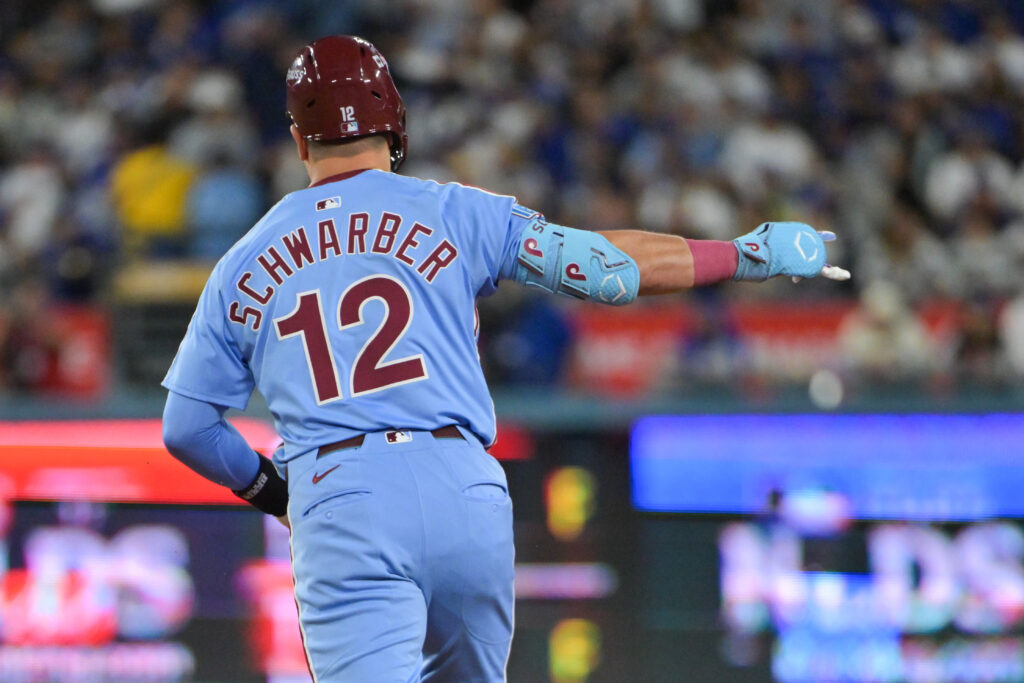




Strategic Talent Reshuffling Intensifies as MLB Teams Navigate Free Agency Battlefield
- Winter Meetings Reveal High-Stakes Player Negotiations and Draft Positioning Dynamics
Overview
The MLB Winter Meetings have emerged as a critical strategic battleground where player movements and organizational positioning are reshaping team competitive landscapes. At the epicenter of this dynamic environment, free agent negotiations are revealing complex strategic calculations that extend far beyond simple player acquisitions.
Player positioning has become a nuanced chess match, exemplified by the intricate scenarios surrounding Kyle Schwarber and Pete Alonso. With multiple teams—including the Phillies, Mets, Giants, Orioles, Red Sox, Pirates, and Reds—actively courting Schwarber, the free agent market demonstrates unprecedented strategic complexity. The Pirates' proactive four-year offer signals a bold approach to talent acquisition, while Alonso's meetings with the Orioles and Red Sox underscore the interconnected nature of team-building strategies.
The MLB Draft Lottery introduces an additional layer of strategic unpredictability, with the White Sox holding the highest odds (27.73%) of securing the first overall selection. However, the market's recent history demonstrates that statistical probability does not guarantee outcomes. This uncertainty creates a high-stakes environment where teams must balance immediate talent needs with long-term organizational development strategies.
The Winter Meetings represent more than a simple talent marketplace—they are a sophisticated ecosystem of strategic negotiations, where each player movement can trigger cascading implications across team rosters. Organizations are not just acquiring individual talents but constructing complex competitive architectures that balance immediate performance requirements with future potential.
The emerging trend suggests a more holistic, data-driven approach to team building, where traditional recruitment models are being replaced by intricate, multi-dimensional strategic frameworks. Teams are increasingly viewing player acquisitions as part of a broader, interconnected organizational transformation strategy.
Questions 3
What trends are emerging in MLB team-building strategies?
The current trend shows a shift towards more data-driven, interconnected team-building strategies. Organizations are treating player acquisitions as part of a complex ecosystem, where each move has potential cascading implications across team rosters and competitive positioning.
How are teams balancing immediate needs with long-term strategy?
Teams are adopting a holistic approach, considering not just individual player performance but how each acquisition fits into a broader organizational development strategy. The White Sox's high draft lottery odds, combined with active free agent negotiations, demonstrate a multi-dimensional approach to team building.