
Amazon Fresh Closures Signal Retail Pivot | O2O Strategy Shift for Sellers
- Amazon shuts 8+ Fresh stores nationwide while expanding 100+ Whole Foods locations, reshaping last-mile delivery and omnichannel fulfillment for cross-border sellers
Overview
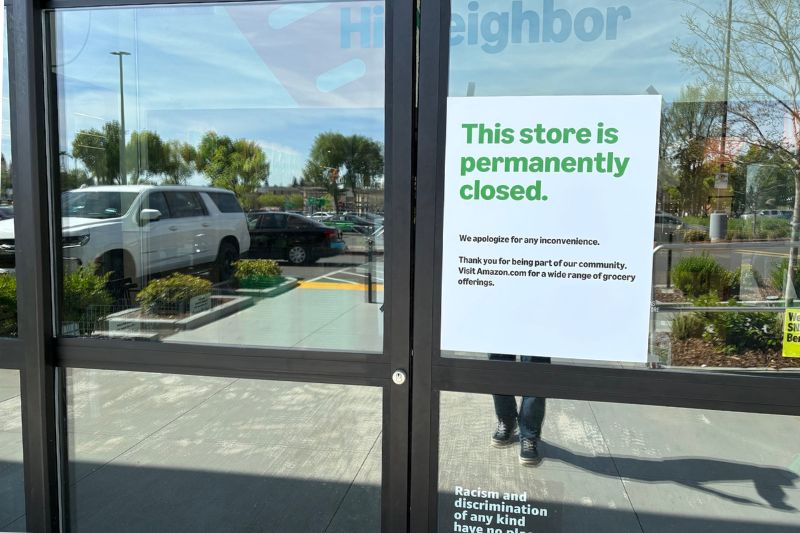
Amazon's strategic retreat from standalone grocery retail represents a critical inflection point for cross-border sellers managing omnichannel fulfillment strategies. The company closed its Citrus Heights, California location on March 13, 2026, after just 16 months of operation, as part of a broader January 2026 announcement to shutter dozens of Amazon Fresh and Amazon Go locations nationwide. Three Sacramento-region stores (Citrus Heights, Elk Grove, Roseville) were affected, with liquidation operations marked by clearance inventory and orange sale tags. This closure reflects Amazon's fundamental reassessment of brick-and-mortar grocery economics versus its aggressive Whole Foods Market expansion strategy—planning 100+ new locations over coming years since the 2017 acquisition.
The strategic pivot from Amazon Fresh to Whole Foods represents a fundamental shift in last-mile delivery infrastructure and omnichannel positioning. Rather than operating standalone grocery stores with thin margins and complex logistics, Amazon is consolidating its physical retail footprint around the established Whole Foods brand, which has demonstrated strong sales growth and premium positioning. This signals Amazon's belief that delivery-centric fulfillment powered by existing Whole Foods locations offers superior unit economics compared to standalone Fresh stores. For sellers, this means Amazon's logistics resources will increasingly flow toward Whole Foods integration—including expanded delivery zones, pickup services, and premium product placement—rather than building new standalone retail infrastructure.
California's extended closure timeline due to state labor and operational compliance requirements highlights critical regulatory considerations for sellers managing multi-state logistics networks. While most Fresh locations closed in early February 2026, California stores received extended timelines to comply with state-specific labor laws and operational requirements. This regulatory friction demonstrates that physical retail expansion requires sophisticated state-by-state compliance expertise. For cross-border sellers operating 3PL networks or considering pop-up retail strategies, this underscores the importance of understanding regional labor regulations, store closure procedures, and employee severance requirements that can extend timelines by 4-6 weeks.
The Whole Foods pivot creates immediate O2O opportunities for premium food and beverage sellers to establish retail partnerships and experiential touchpoints. With 100+ new Whole Foods locations planned, sellers of organic products, specialty foods, beverages, and health-focused categories should prioritize retail partnerships with Whole Foods' vendor program. The premium positioning of Whole Foods (versus Amazon Fresh's value focus) suggests higher-margin products and affluent demographics—ideal for cross-border sellers of imported foods, organic supplements, and specialty beverages. Pop-up showrooms and sampling programs at Whole Foods locations in high-traffic urban markets (San Francisco, Los Angeles, New York, Seattle) offer low-cost ways to build brand awareness and drive online conversion through in-store discovery experiences.
Questions 8
How can sellers measure O2O conversion lift from retail partnerships?
Sellers should track three key metrics: (1) In-store sampling conversion—measure online purchases from customers who sampled products (use unique discount codes or QR codes linking to online store), targeting 15-25% conversion within 30 days; (2) Brand awareness lift—compare online search volume and branded keyword traffic 30 days before/after retail launch, expecting 30-50% increases; (3) Customer LTV increase—segment customers acquired through retail touchpoints versus pure online, expecting 40-60% higher LTV due to brand trust and repeat purchase rates. Pop-up retail ROI typically breaks even at 8-12 weeks with proper tracking, then generates 2-3x returns in months 3-6 as brand awareness compounds.
What are the lowest-cost ways to test offline presence without full retail commitment?
Sellers can test offline presence through: (1) Sampling programs at Whole Foods locations ($2,000-5,000/month for 4-8 weeks), (2) Kiosk partnerships in high-traffic urban markets ($1,500-3,000/month), (3) Pop-up showrooms in retail incubators or shared spaces ($1,000-2,500/month), (4) Retail partnerships with specialty distributors (10-15% wholesale margin), (5) Event sponsorships and farmer's markets ($500-2,000/event). Sampling programs offer fastest ROI validation—measure online conversion lift within 30 days to determine whether to expand to full pop-up retail. Most successful sellers start with 4-week sampling pilots in 2-3 locations before committing to 12-week pop-up retail leases.