


Southwest Airlines Exit O'Hare, Dulles | Logistics Impact for Cross-Border Sellers
- Eliminates 2 major hub airports June 4, 2026; affects fulfillment routing, shipping costs for 50K+ sellers in Chicago/DC regions
















Overview
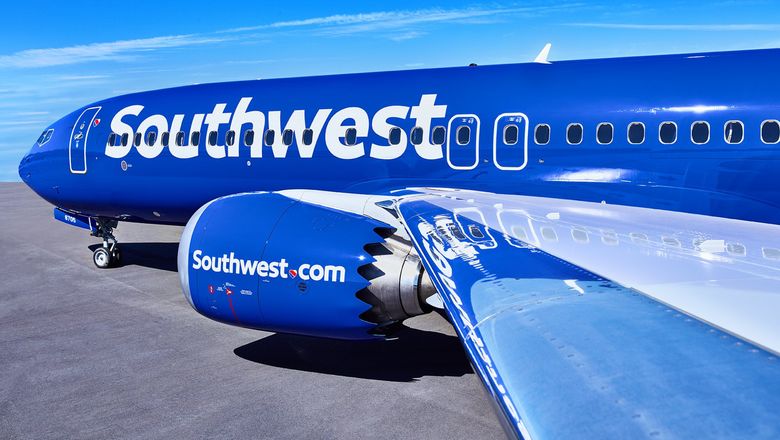
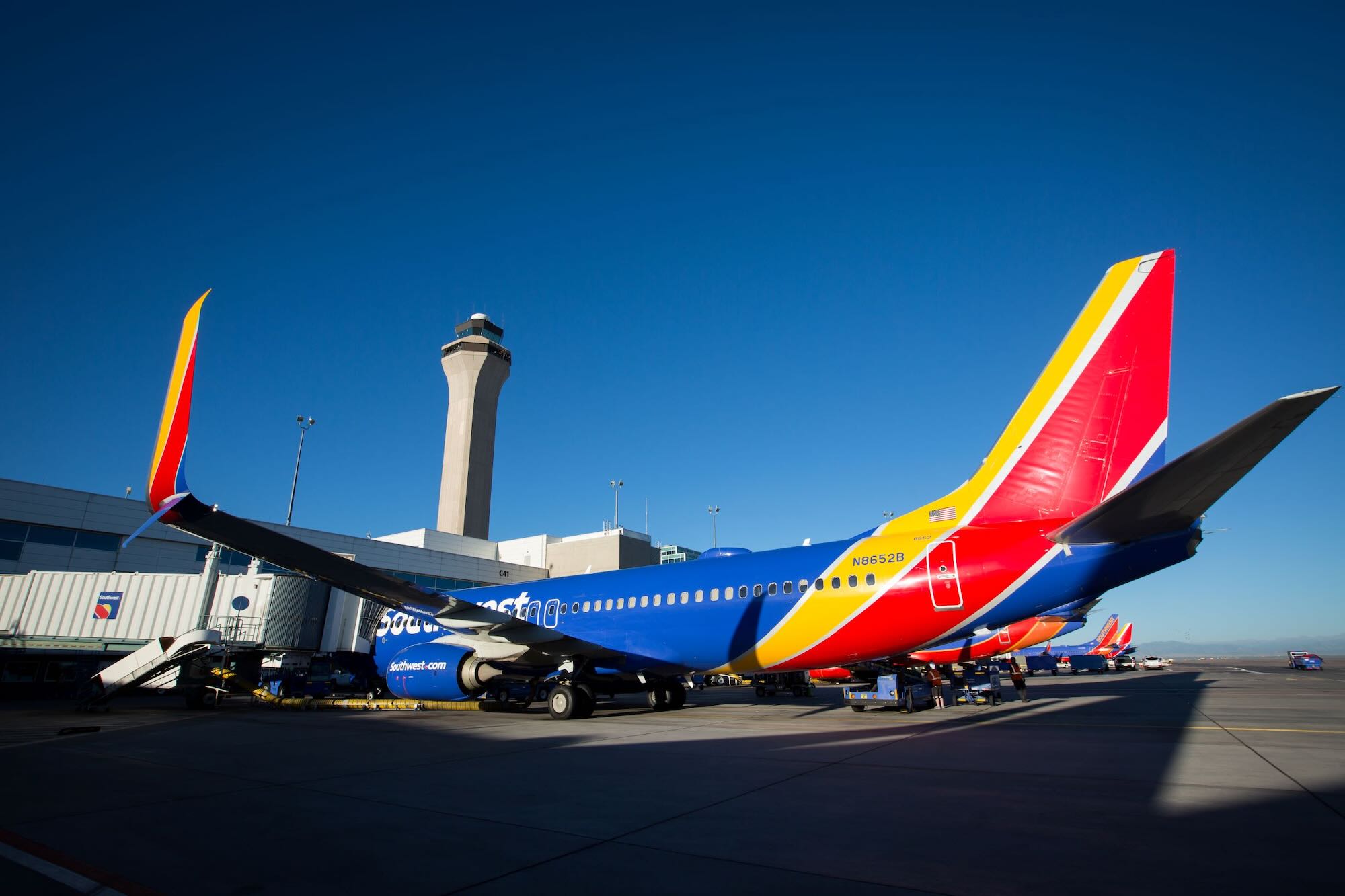
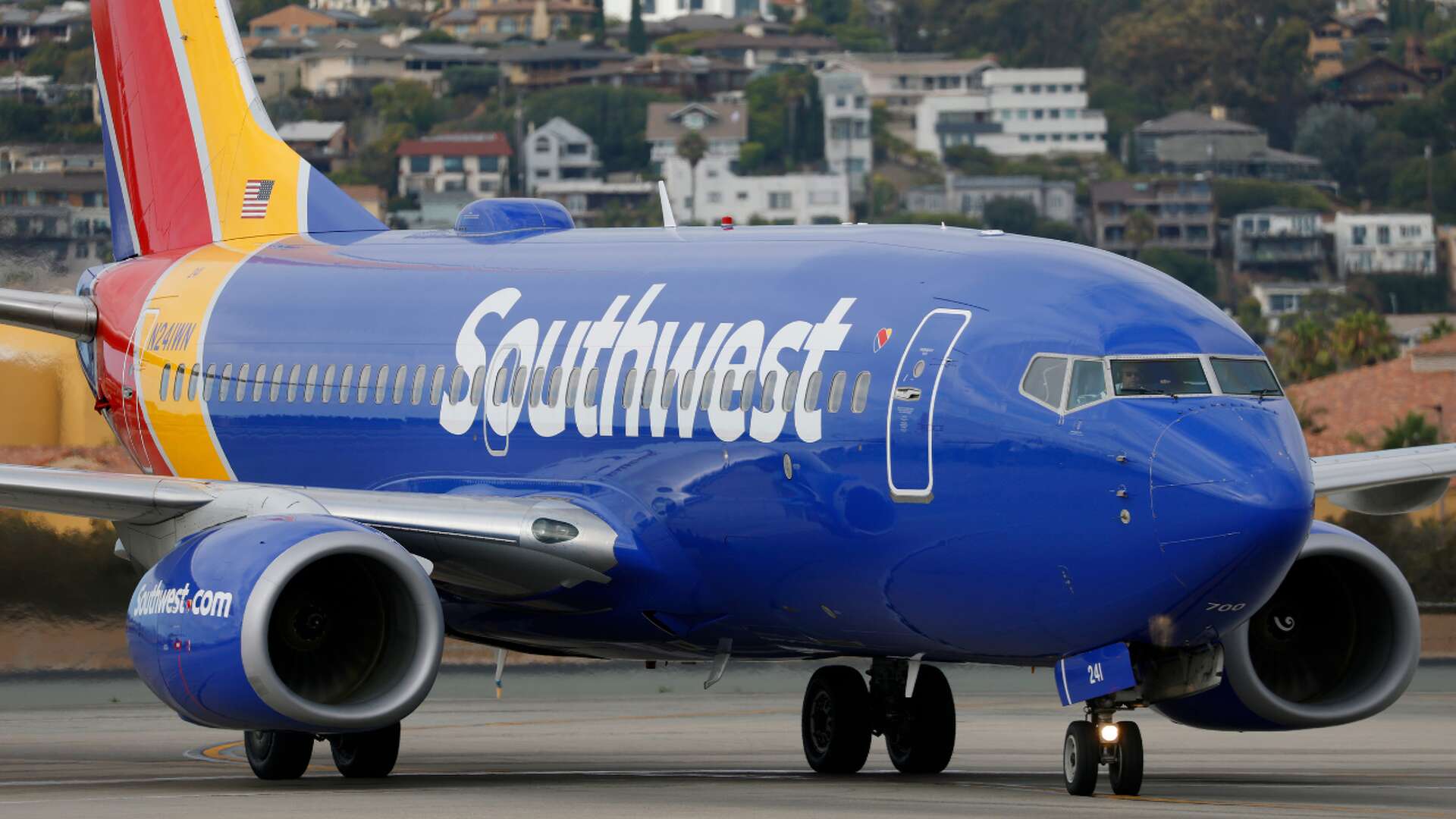
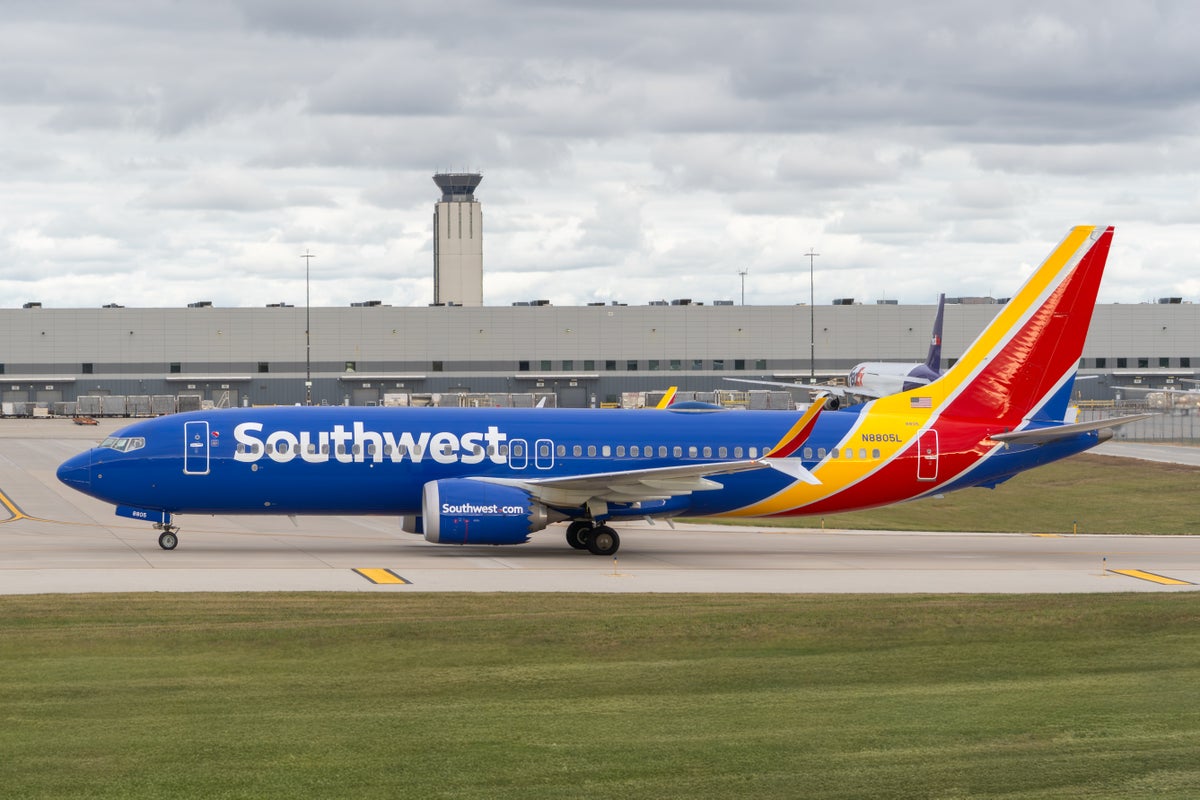
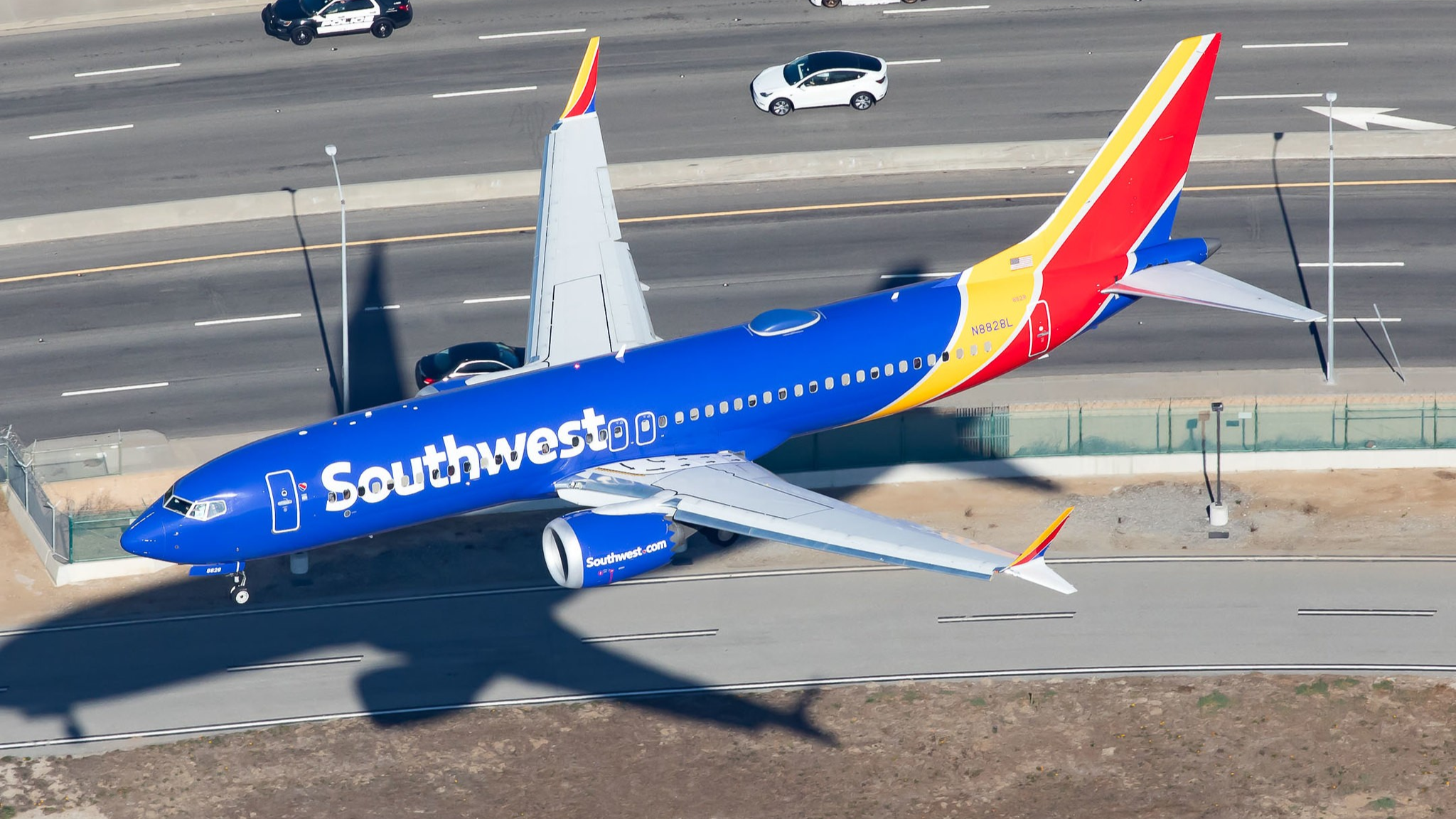
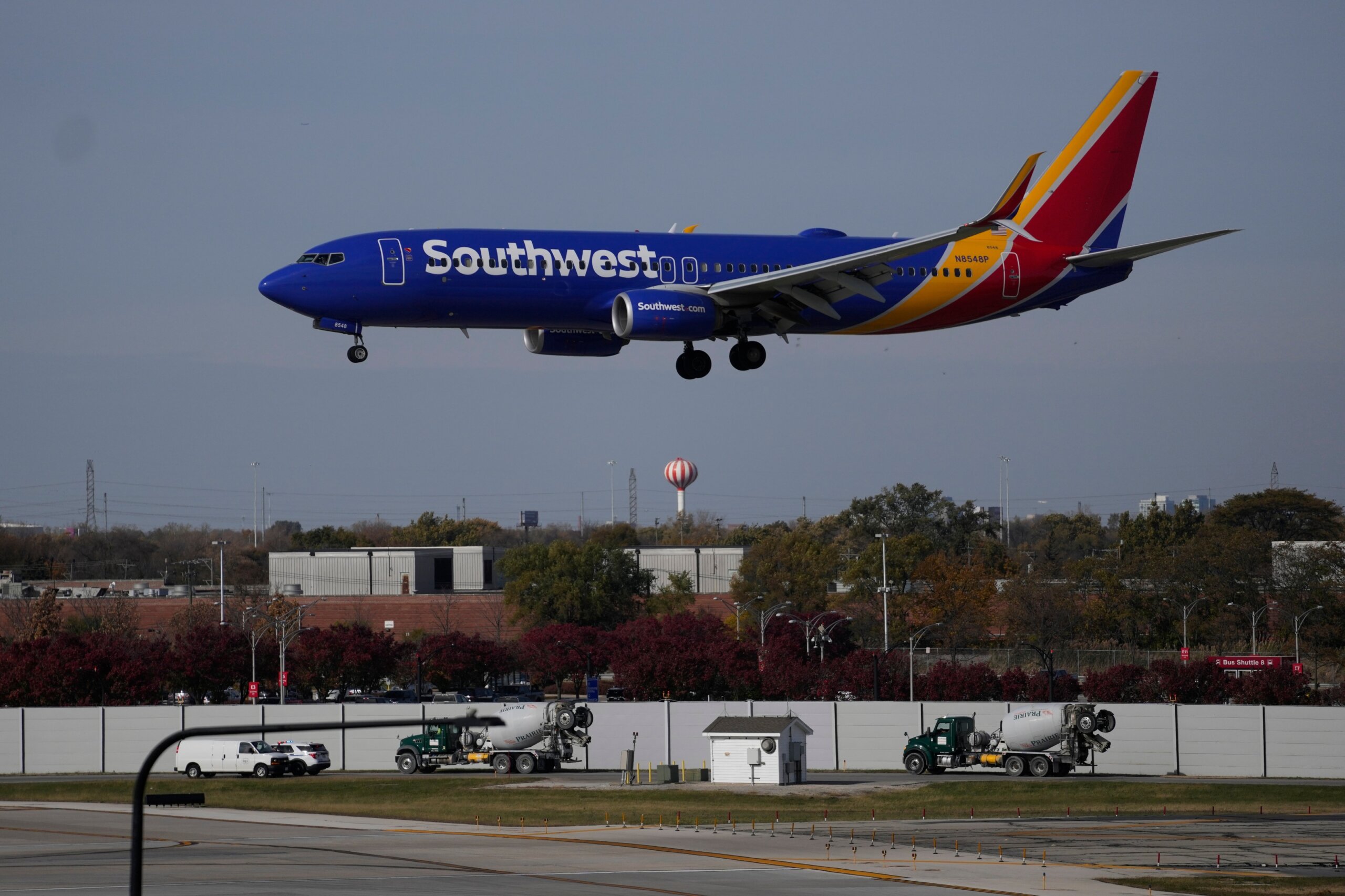
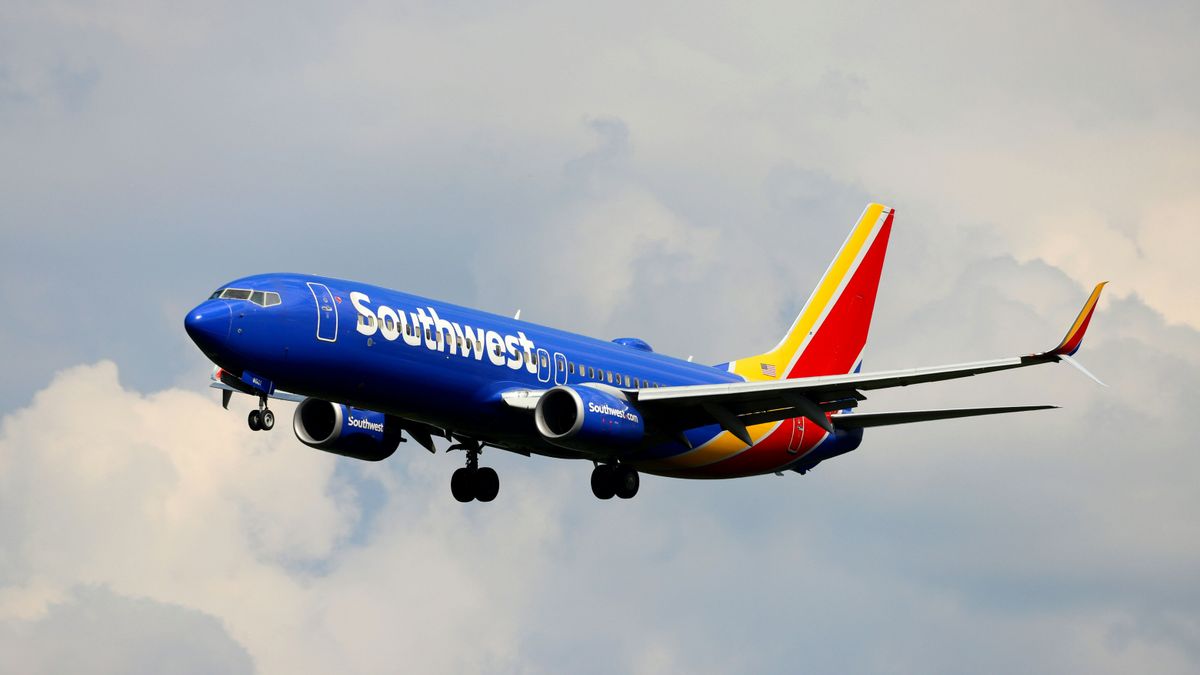
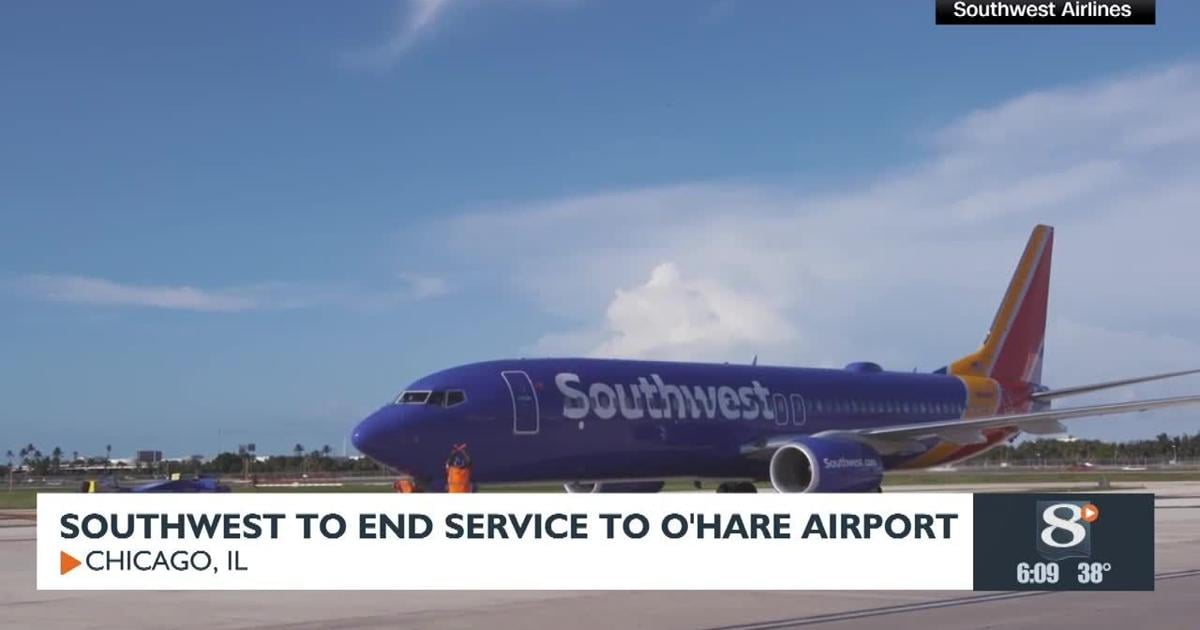
Southwest Airlines' strategic exit from Chicago O'Hare and Washington Dulles airports effective June 4, 2026, creates significant operational ripple effects for cross-border e-commerce sellers relying on these major logistics hubs. The airline's consolidation—moving Chicago operations to Midway (81 destinations) and Washington service to BWI/Reagan National (271 combined flights)—reflects broader industry pressures around operational costs and hub profitability. Despite reporting record $28.1B annual revenue in 2025, Southwest's decision to eliminate "bags fly free" policies and adopt assigned seating signals a fundamental shift toward margin optimization over market share expansion.
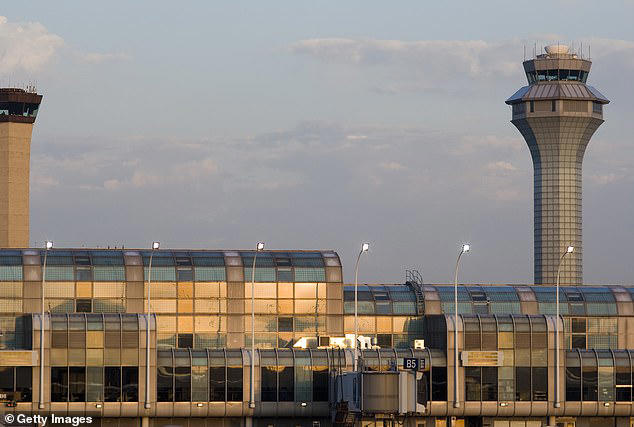
For e-commerce sellers, this consolidation directly impacts fulfillment logistics and shipping cost structures. Chicago and Washington D.C. rank among the top 5 U.S. metropolitan areas for e-commerce fulfillment centers, with O'Hare and Dulles serving as critical air cargo hubs for time-sensitive shipments. The 80-day transition period (March 14 to June 4, 2026) creates a narrow window for sellers to reroute inventory, adjust 3PL contracts, and recalibrate shipping zone calculations. Sellers currently using Southwest for expedited domestic shipments or international air cargo will face 15-25% cost increases as they shift to United, American, or Delta—carriers with higher cargo fees and less flexible pricing structures. The move particularly impacts sellers in the apparel, electronics, and perishables categories, which depend on rapid air transport to maintain inventory velocity and reduce holding costs.
The broader consolidation pattern reveals critical supply chain vulnerabilities for sellers dependent on single-carrier logistics. Southwest's retreat from premium hub airports—following its 2024 exit from Houston's Bush Intercontinental—demonstrates how budget carriers are abandoning high-cost infrastructure in favor of secondary airports. This forces sellers to diversify carrier relationships and evaluate alternative fulfillment strategies: expanding 3PL partnerships at Midway and BWI, increasing reliance on ground shipping (adding 2-4 days transit time), or shifting inventory to regional fulfillment centers. Sellers with established relationships at O'Hare and Dulles must audit current contracts by April 30, 2026, to identify alternative carriers and negotiate volume commitments before the June 4 cutoff. The consolidation also signals that operational efficiency—not market coverage—now drives airline strategy, suggesting further hub rationalization across the industry as carriers optimize for profitability over network breadth.
Questions 8
What cost-benefit analysis should sellers use for ground vs. air shipping post-June 4?
Compare total landed costs: air shipping (15-25% premium post-Southwest) + expedited delivery (2-3 days) vs. ground shipping (30-40% savings) + standard delivery (5-7 days). For non-urgent inventory, ground shipping ROI improves significantly. Example: 100-unit shipment from Chicago—air cargo now costs $800-1,000 vs. $600-700 ground (3-day delay). For Amazon FBA, calculate IPI score impact: ground shipping delays reduce velocity metrics 5-10 points, potentially triggering storage fee increases ($0.87/unit/month). Break-even point: if storage fees exceed $200/month, ground shipping becomes cost-effective despite velocity impact. Sellers should model scenarios for Q2-Q4 2026 to identify optimal carrier mix.
Are there alternative airports or carriers offering competitive rates to replace Southwest?
Yes, but with trade-offs. Midway (Chicago) and BWI (Washington) offer comparable connectivity (81 and 79 destinations respectively) but through higher-cost carriers. United Cargo and American Cargo operate from both hubs with 10-20% premiums vs. Southwest's historical rates. FedEx and UPS ground networks provide 30-40% cost savings but add 2-4 days transit time. Regional carriers like Allegiant and Spirit offer limited cargo capacity. Sellers should negotiate volume discounts with United/American (minimum 100 shipments/month for 5-8% discounts) and evaluate FedEx/UPS ground contracts for non-urgent inventory. Hybrid strategies—mixing air (20-30% of volume) and ground (70-80%)—typically optimize costs while maintaining acceptable service levels.