


Taiwan Strait Tensions Spike | Supply Chain Risk for Asia-Pacific E-Commerce Sellers
- 26 Chinese military aircraft detected March 15, 2026; Taiwan Strait disruption threatens logistics for electronics, semiconductors, and consumer goods sellers
















Overview
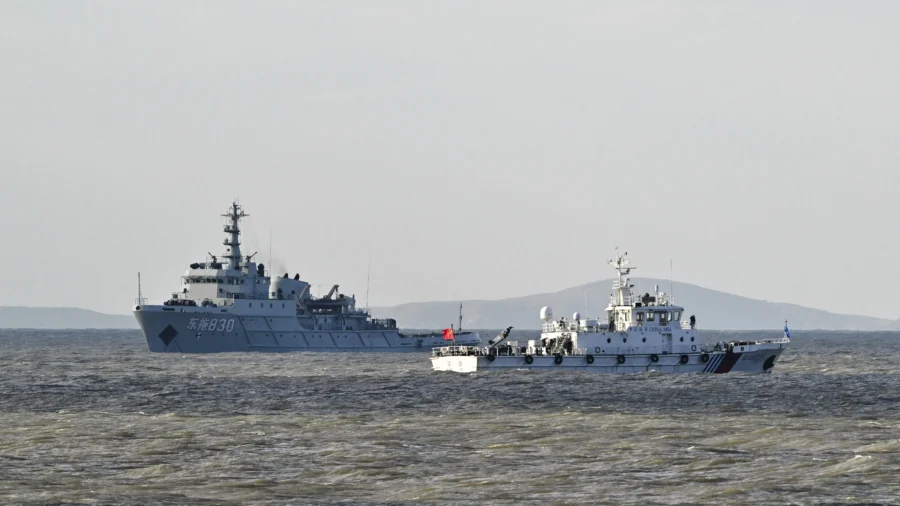
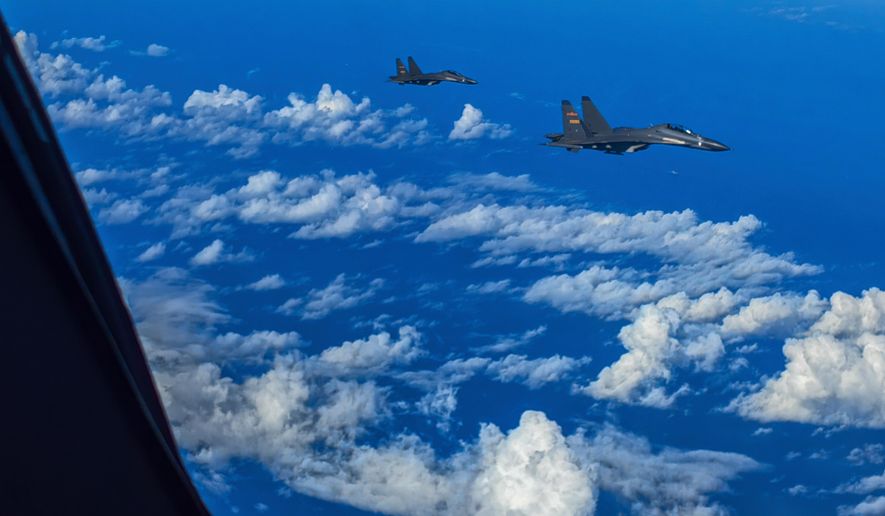
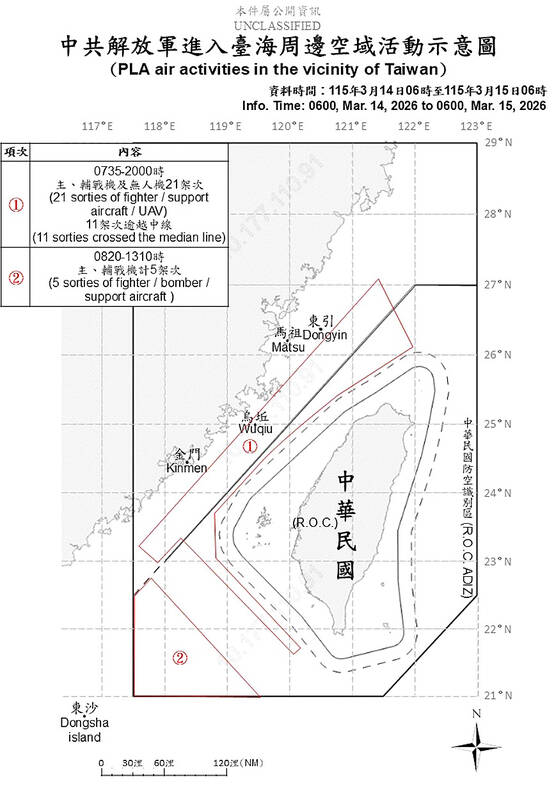
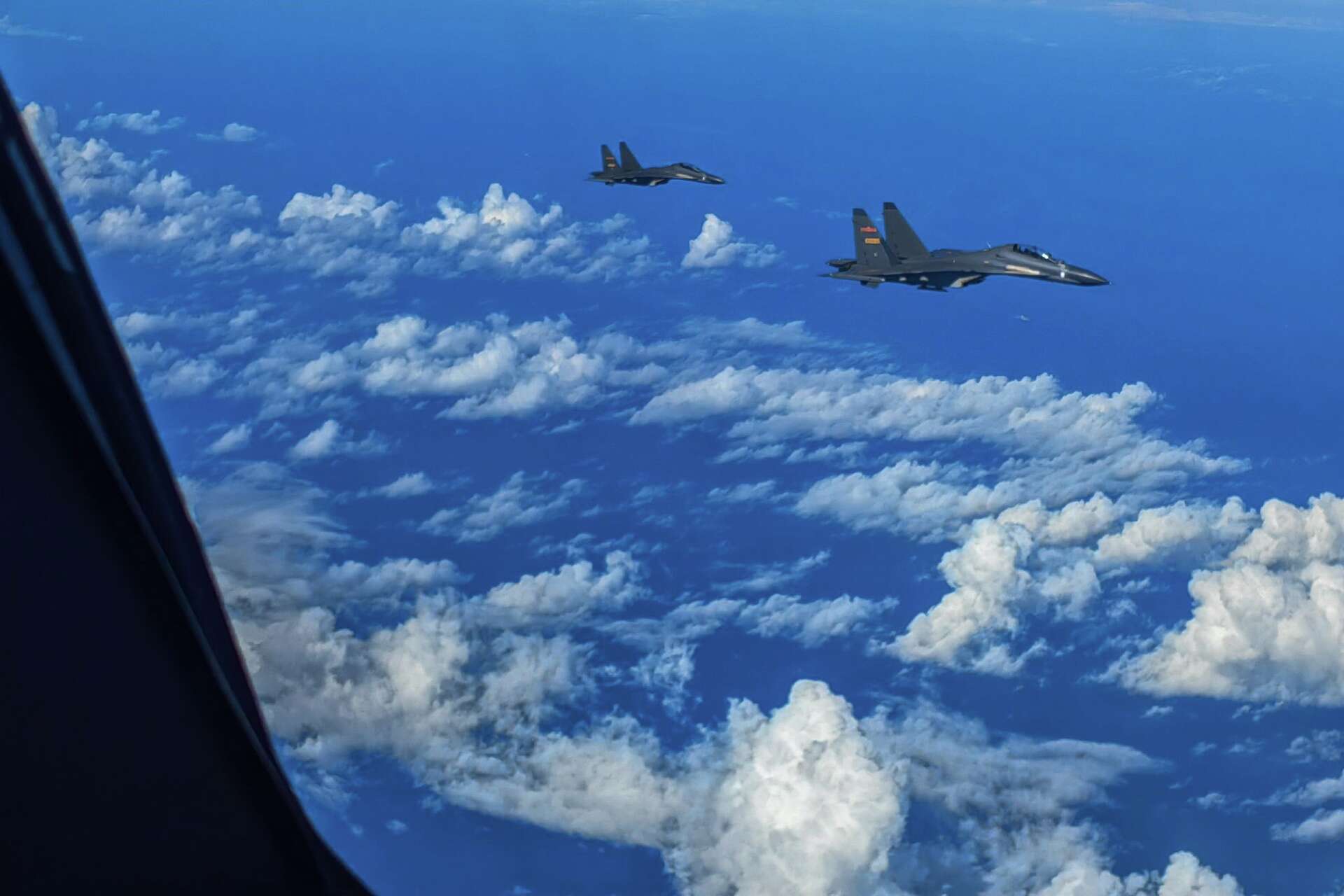
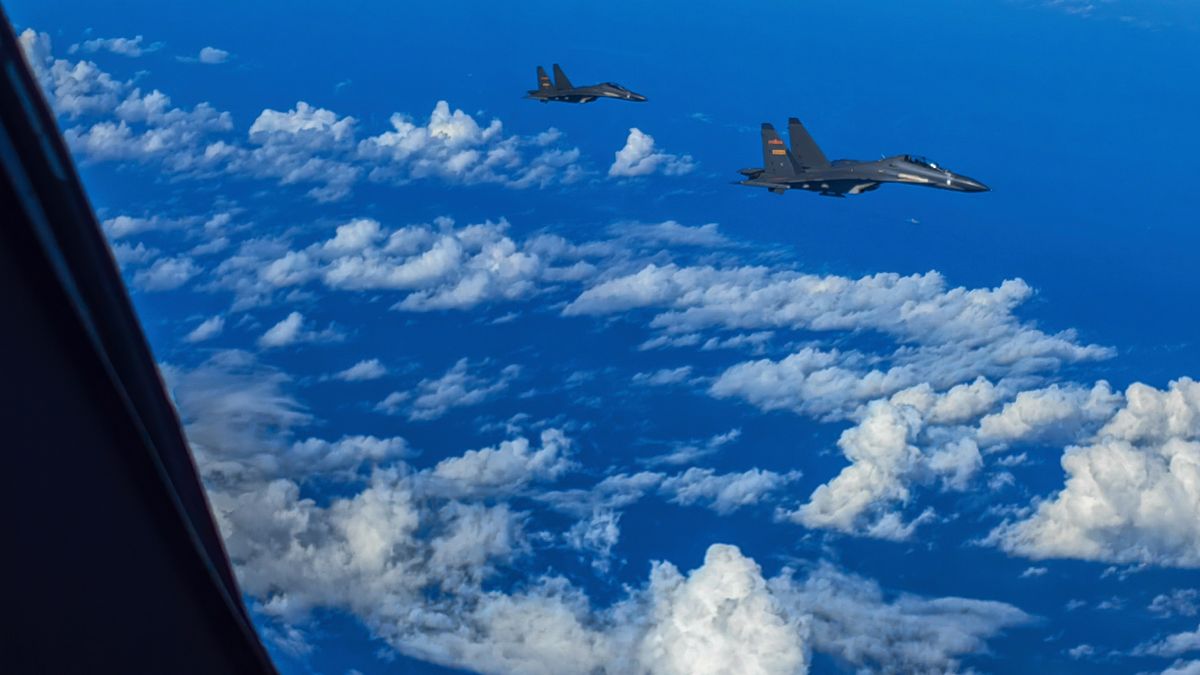
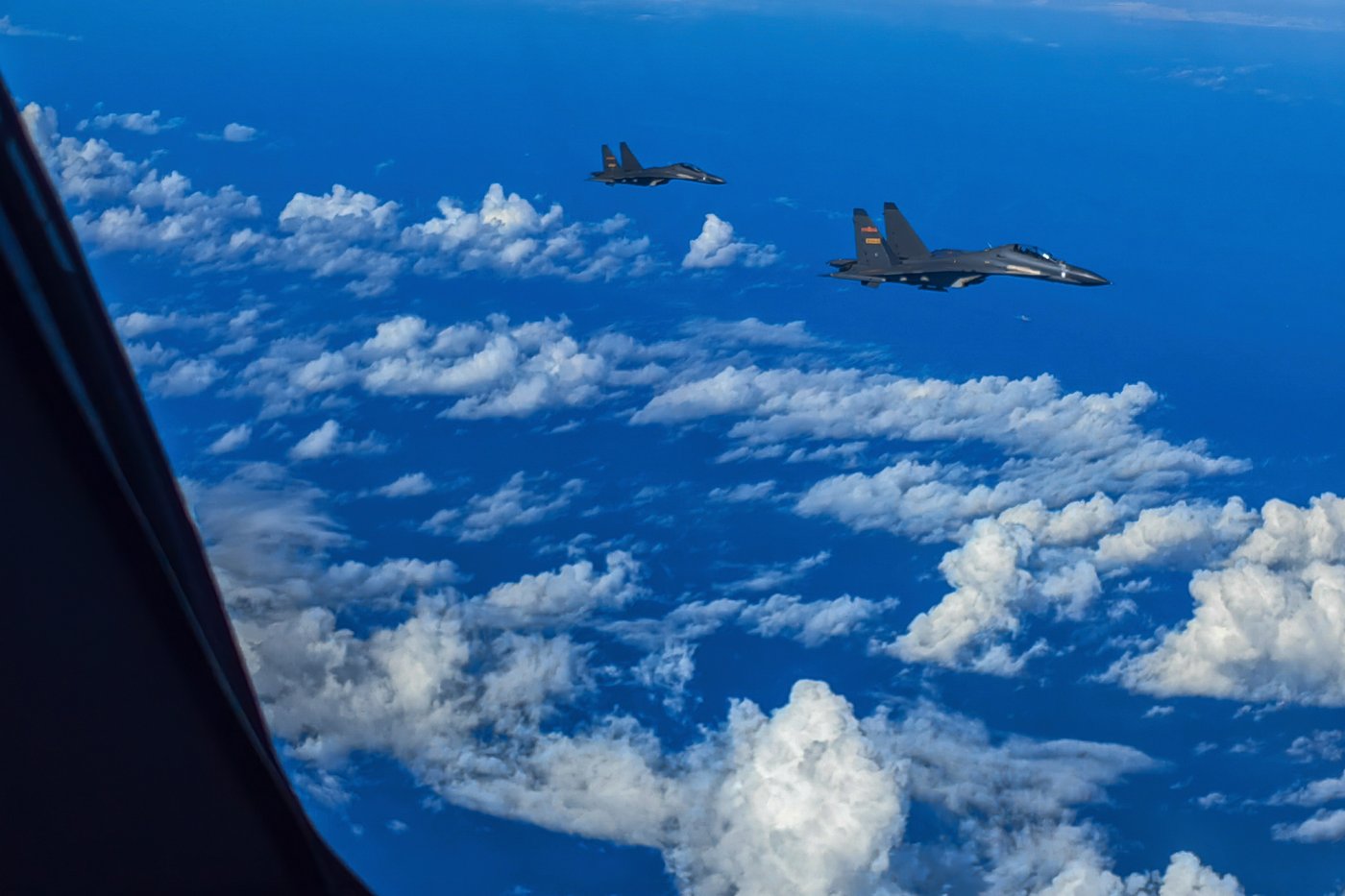
Taiwan's military detected 26 Chinese military aircraft on March 15, 2026, with 16 crossing the Taiwan Strait midline or entering the Air Defense Identification Zone, marking a resumption after a mysterious 10-day hiatus in early March. This escalation directly impacts cross-border e-commerce sellers operating in Asia-Pacific markets, particularly those sourcing from Taiwan or routing inventory through the Taiwan Strait—one of the world's most critical shipping corridors handling $5+ trillion in annual trade.
Supply Chain Vulnerability for Electronics and Semiconductor Sellers: Taiwan is the world's largest semiconductor manufacturer (TSMC controls 54% global foundry market share) and a major producer of consumer electronics components. Sellers sourcing motherboards, processors, memory chips, and consumer electronics from Taiwan face immediate logistics risks. The 10-day hiatus in early March (late February through early March, coinciding with China's legislative session) demonstrated how geopolitical tensions can create sudden shipping delays. Sellers with inventory in transit during escalation periods experience 5-15 day delays, increasing carrying costs by $200-500 per 40-foot container. Amazon FBA sellers shipping electronics from Taiwan-based suppliers should diversify sourcing to Vietnam, South Korea, or Japan to reduce single-point-of-failure risk. The planned U.S. Presidential visit to China (March 31-April 2, 2026) creates a diplomatic window that may temporarily reduce tensions, but the resumption pattern suggests this is tactical rather than strategic de-escalation.
Market Access and Tariff Implications: Escalating Taiwan Strait tensions increase probability of U.S. trade restrictions on China-origin goods and potential tariff increases on electronics (HS codes 8471-8517). Sellers currently sourcing from mainland China may face tariff increases of 10-25% if tensions trigger new trade barriers. Conversely, Taiwan-origin products may receive preferential treatment under potential U.S. trade agreements, creating tariff arbitrage opportunities. Sellers should monitor Taiwan Economic and Trade Office announcements for preferential trade status updates. The 10-day military pause suggests China may use military pressure as negotiating leverage during diplomatic periods, creating predictable windows for inventory repositioning.
Operational Risk for Logistics Providers: 3PL providers and freight forwarders routing shipments through the Taiwan Strait face increased insurance costs (2-4% premium increases during escalation periods) and potential rerouting to longer, more expensive southern routes via the Luzon Strait. Sellers using air freight from Taiwan experience 15-20% cost increases during tension spikes. The resumption of near-daily military flights (as noted by Taiwan Defense Minister Wellington Koo) suggests this is becoming a structural feature of cross-strait relations rather than episodic crisis, requiring permanent supply chain adjustments rather than temporary hedging.
Questions 8
What compliance and documentation changes should sellers implement for Taiwan Strait shipping?
Escalating geopolitical tensions increase customs scrutiny and documentation requirements for Taiwan-origin shipments. Sellers should ensure all HS code classifications are accurate (particularly for electronics HS codes 8471-8517) to avoid delays during heightened inspection periods. Maintain detailed supplier documentation proving Taiwan origin (not transshipment through China) to qualify for potential preferential tariff treatment. Request certificates of origin from Taiwan suppliers explicitly stating 'Made in Taiwan' rather than generic documentation. Work with customs brokers specializing in Taiwan trade to navigate potential new tariff classifications. Implement 48-hour advance filing for all Taiwan Strait shipments to allow customs processing during escalation periods when inspection rates increase 20-30%.
How does the 10-day military hiatus pattern inform seller inventory planning?
The mysterious 10-day hiatus in early March (late February through early March), coinciding with China's legislative session and the planned U.S. Presidential visit (March 31-April 2, 2026), reveals that military pressure follows diplomatic cycles. Taiwan Defense Minister Wellington Koo noted that China's naval presence remained consistent even during reduced flight periods, suggesting military pressure is structural. Sellers should expect temporary de-escalation windows around major diplomatic events (U.S. Presidential visits, legislative sessions) lasting 7-14 days. Use these windows to accelerate inventory shipments and build 30-day buffer stock. Plan major inventory replenishment 2-3 weeks before anticipated escalation periods to avoid peak tension shipping delays.