

World Cup 2026: The Transformation of Global Soccer's Political Theater
- FIFA's Institutional Shift Reveals Deeper Dynamics of Sports Diplomacy and Tournament Evolution







Overview
The 2026 World Cup represents a pivotal moment in international soccer, where structural transformations and political maneuvering are fundamentally reshaping the tournament's historical DNA. At the core of this metamorphosis lies a complex interplay between institutional adaptation, global representation, and power dynamics that extend far beyond the soccer pitch.
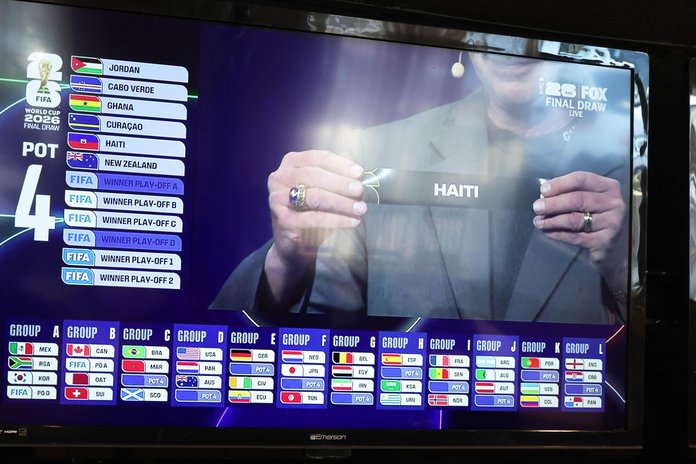
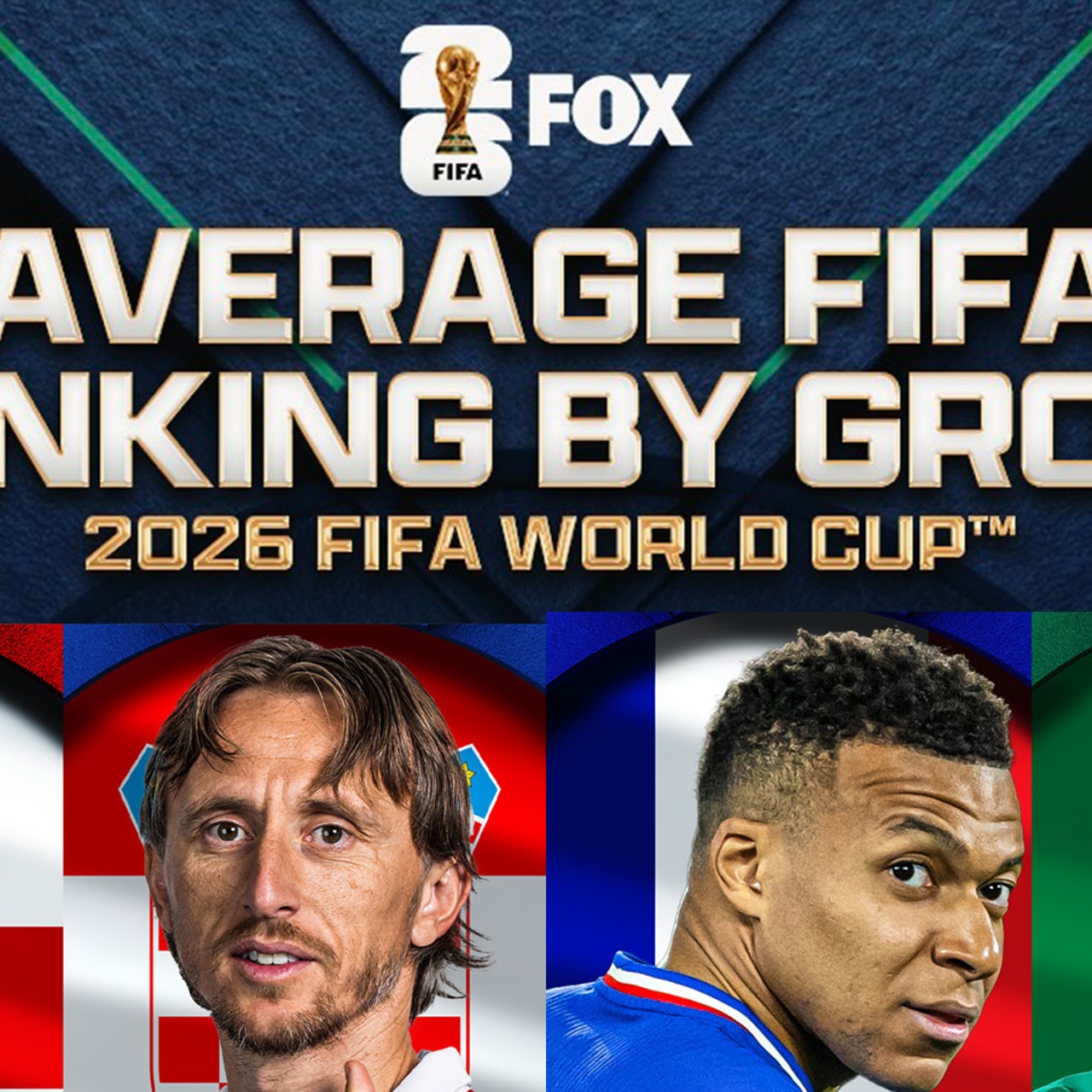
Institutional Reconfiguration is the most striking trend emerging from the upcoming tournament. The traditional "group of death" concept—a hallmark of World Cup competition since the mid-1980s—is being systematically dismantled through strategic tournament expansion. Historically, from 1954-1978, World Cup groups featured an average Elo rating of 1923.43, representing extraordinarily high-caliber competition. By contrast, the 2026 tournament's expanded format will fundamentally alter team progression, reducing the dramatic tension of initial group stages while simultaneously creating more opportunities for emerging national teams.
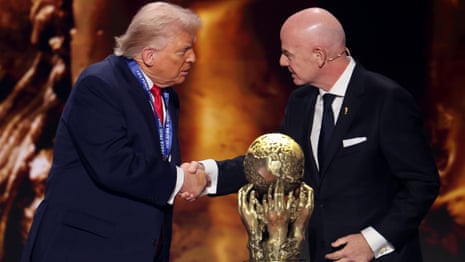
Political Performance adds another layer of complexity to this transformation. The recent World Cup draw in Washington DC, featuring FIFA President Gianni Infantino's controversial interaction with former US President Donald Trump, symbolizes a troubling convergence of sports, politics, and performative diplomacy. Infantino's awkward presentation of a "FIFA peace prize" reveals how international sporting institutions are increasingly becoming platforms for political theater, prioritizing personal connections over traditional sporting integrity.
The broader implications are profound. This isn't merely about soccer—it's about how global institutions navigate increasingly complex political landscapes. The World Cup's evolution mirrors broader shifts in international representation: from an exclusive, elite competition to a more globally inclusive platform. Tournament structural changes reflect deeper trends of democratization, where emerging nations gain meaningful representation in traditionally hierarchical global systems.
Strategic Risks and Opportunities emerge from this transformation. For national teams, the expanded format creates unprecedented access. For FIFA, it represents a delicate balancing act between maintaining competitive excitement and embracing a more representative global sporting model. The risk lies in potentially diluting the tournament's historical competitive intensity while the opportunity involves creating a more inclusive, globally resonant sporting event.
Questions 3
What are the political implications of FIFA's current leadership approach?
FIFA under Infantino appears to be prioritizing political connections and performative diplomacy over traditional sporting values. The Washington DC draw, featuring an awkward interaction with Donald Trump, symbolizes a shift towards using sports as a platform for political theater and personal networking.
How will the 2026 World Cup's expanded format change team dynamics?
The tournament's new structure will reduce the intensity of traditional 'group of death' scenarios by creating more forgiving qualification procedures. This means more teams from emerging soccer nations will have opportunities to compete, potentially democratizing the tournament's competitive landscape.