





Broadcom's $100B AI Chip Surge Reshapes Cloud Costs for E-Commerce Sellers
- Custom ASIC strategy drives 147% revenue growth, reducing cloud infrastructure costs 8-15% for sellers using AI-powered logistics and fulfillment automation by 2027


















Overview
Broadcom's custom AI chip strategy represents a fundamental shift in semiconductor economics that directly impacts e-commerce seller operational costs through cloud infrastructure pricing. During Q1 2026 earnings (ended February 1, 2026), CEO Hock Tan announced AI chip revenue projections exceeding $100 billion by fiscal 2027—a 147% expansion from Broadcom's $68 billion total company revenue. This growth stems from Broadcom's application-specific integrated circuit (ASIC) approach, which delivers 30-40% cost reductions compared to Nvidia's general-purpose GPUs by eliminating unnecessary capabilities. For cross-border e-commerce sellers, this translates to meaningful savings: cloud providers like Google Cloud and Meta—Broadcom's primary customers—will pass through infrastructure cost reductions to their service tiers, potentially lowering fulfillment automation, inventory management, and logistics optimization costs by 8-15% annually.
The competitive dynamics reveal critical timing for seller adoption of AI-powered tools. Broadcom reported $8.4 billion in AI chip sales during January 2025, with guidance indicating 30% sequential growth to $10.7 billion by April 2025. The company expects to ship chips supporting 10 gigawatts of capacity by fiscal 2027, indicating massive infrastructure buildout. Morningstar's analysis confirms Broadcom controls the custom AI chip market with Google as its largest customer, maintaining the broadest customer base in this segment. However, News 2 from Seeking Alpha (March 13, 2026) identifies a critical catch: short-term margin headwinds as XPU shipments ramp production, with gross margin contraction inevitable despite management's minimal expectations. This margin pressure could temporarily delay cloud service price reductions—sellers should expect 6-12 month delays before realizing full cost benefits.
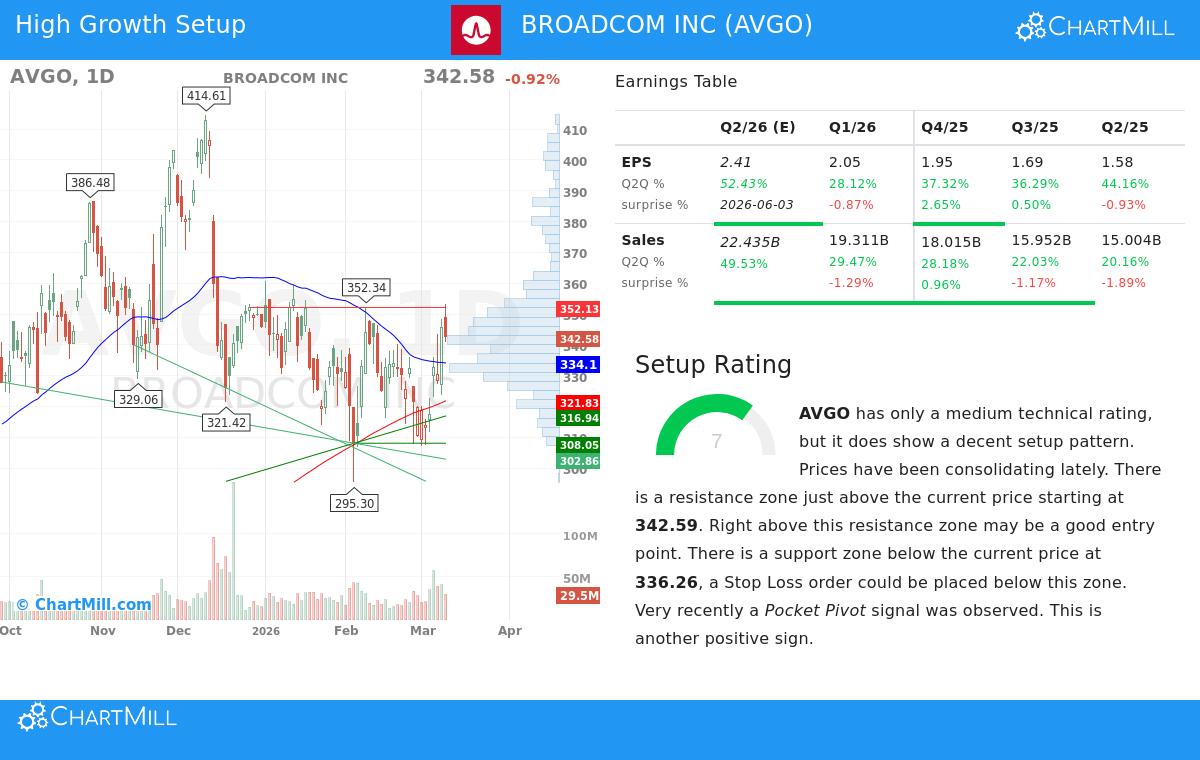
For sellers, the strategic opportunity centers on three automation wins. First, sellers using Amazon Seller Central, Shopify, or third-party logistics platforms should audit their cloud infrastructure dependencies—many fulfillment networks already leverage Broadcom-powered chips through Google Cloud and Meta infrastructure. Second, AI-powered product research tools, dynamic pricing engines, and customer service automation will become 15-25% cheaper to operate as cloud costs decline, making these tools accessible to mid-market sellers (500-5,000 SKU operations) previously priced out. Third, sellers should monitor Anthropic's revenue launch (expected late 2026 per Morningstar analysis) as a catalyst for enterprise AI tool adoption—this signals accelerating AI infrastructure investment that will further reduce operational costs. The 25% stock price discount below December 2025 highs indicates market skepticism about sustained AI spending, creating a 12-18 month window where early-adopting sellers can lock in competitive advantages through AI automation before broader adoption commoditizes these capabilities.
Questions 8
How does Broadcom's AI chip strategy reduce cloud costs for e-commerce sellers?
Broadcom's custom ASIC approach eliminates unnecessary GPU capabilities, reducing infrastructure costs 30-40% versus Nvidia's general-purpose processors. Google Cloud and Meta—Broadcom's primary customers—will pass these savings to their service tiers, lowering fulfillment automation and logistics optimization costs 8-15% annually for sellers by 2027. Broadcom projects $100 billion in AI chip revenue by fiscal 2027, with $8.4 billion achieved in January 2025 and 30% sequential growth expected by April 2025, indicating rapid infrastructure deployment.
When will sellers see actual cloud cost reductions from Broadcom's chip expansion?
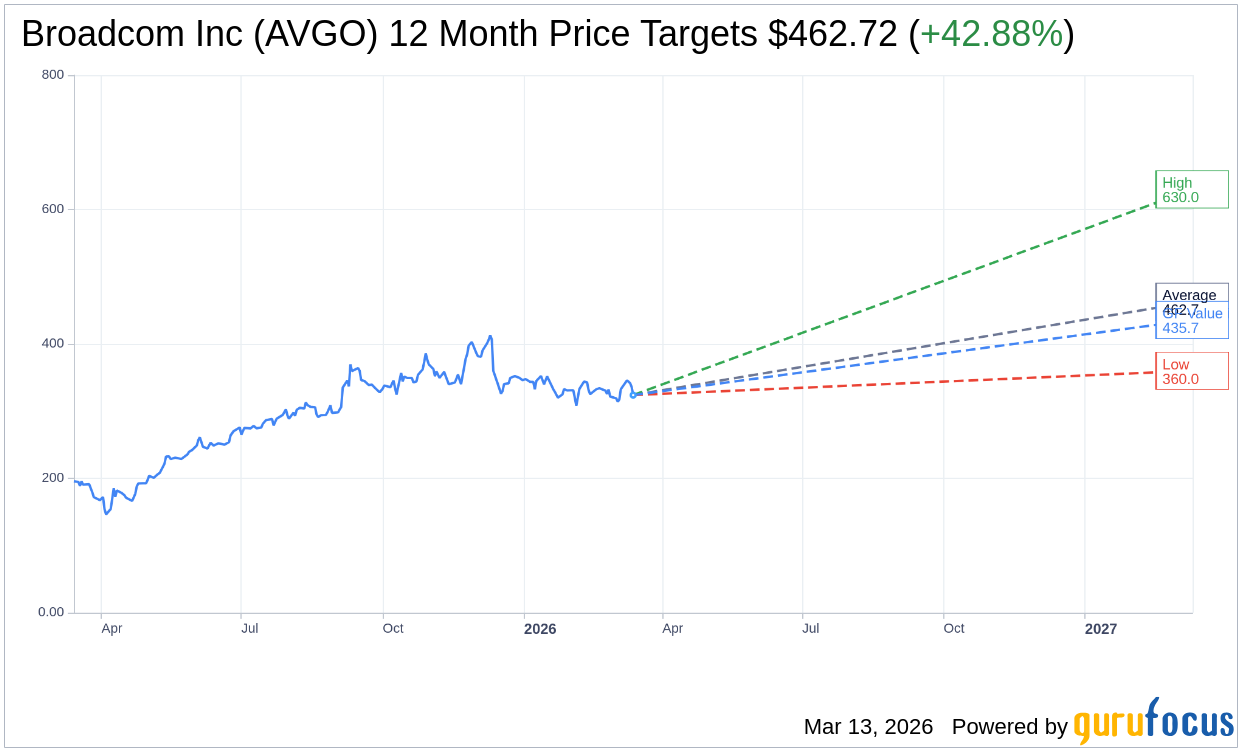
Sellers should expect 6-12 month delays before realizing full cost benefits. Seeking Alpha's March 2026 analysis identifies inevitable margin headwinds as XPU shipments ramp production, potentially delaying cloud service price reductions. However, Morningstar's 4-star rating and $500 fair value estimate (up from $480) suggest sustained AI infrastructure investment through 2028. Sellers should begin auditing cloud dependencies now to position for cost reductions by Q3-Q4 2026, particularly those using Amazon Seller Central, Shopify, or Google Cloud-powered 3PL providers.