
.jpg)


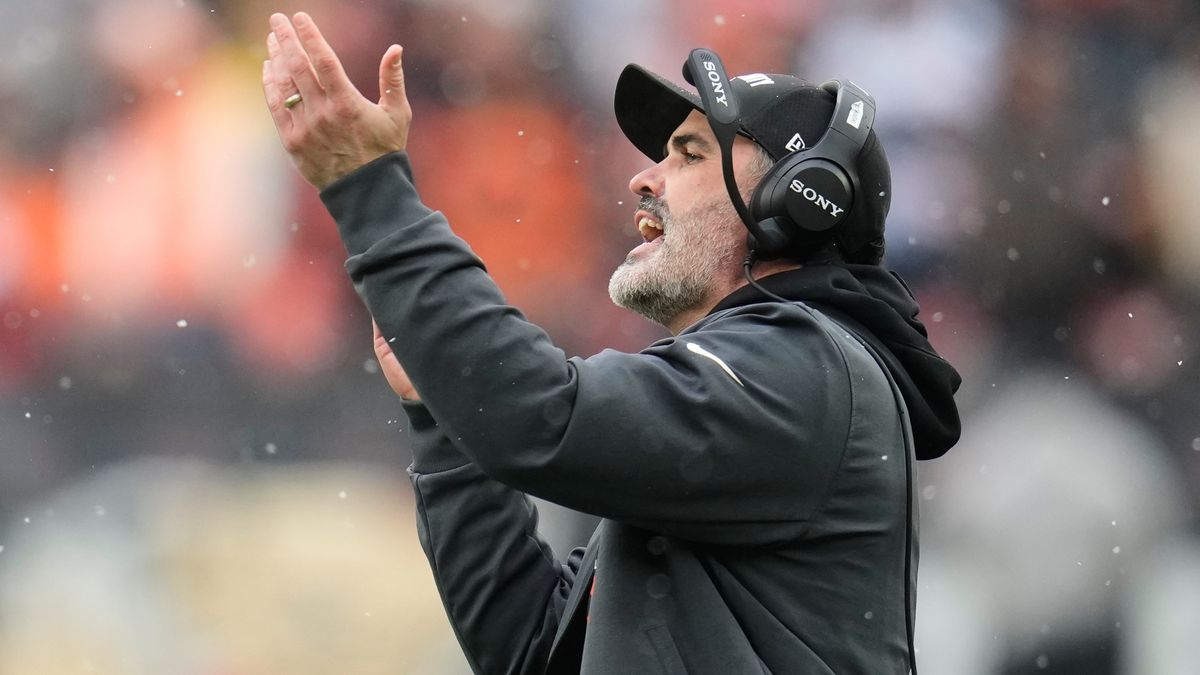

Browns Bet Big on Rookie QB Shedeur Sanders Transforming Team's Future
- Strategic talent development signals major organizational pivot in quarterback succession planning













Overview
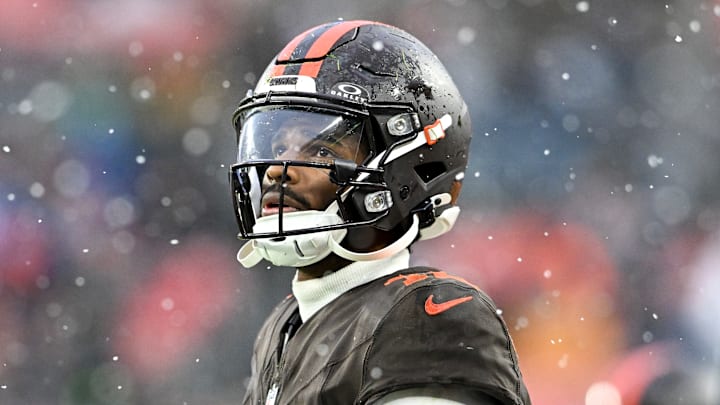
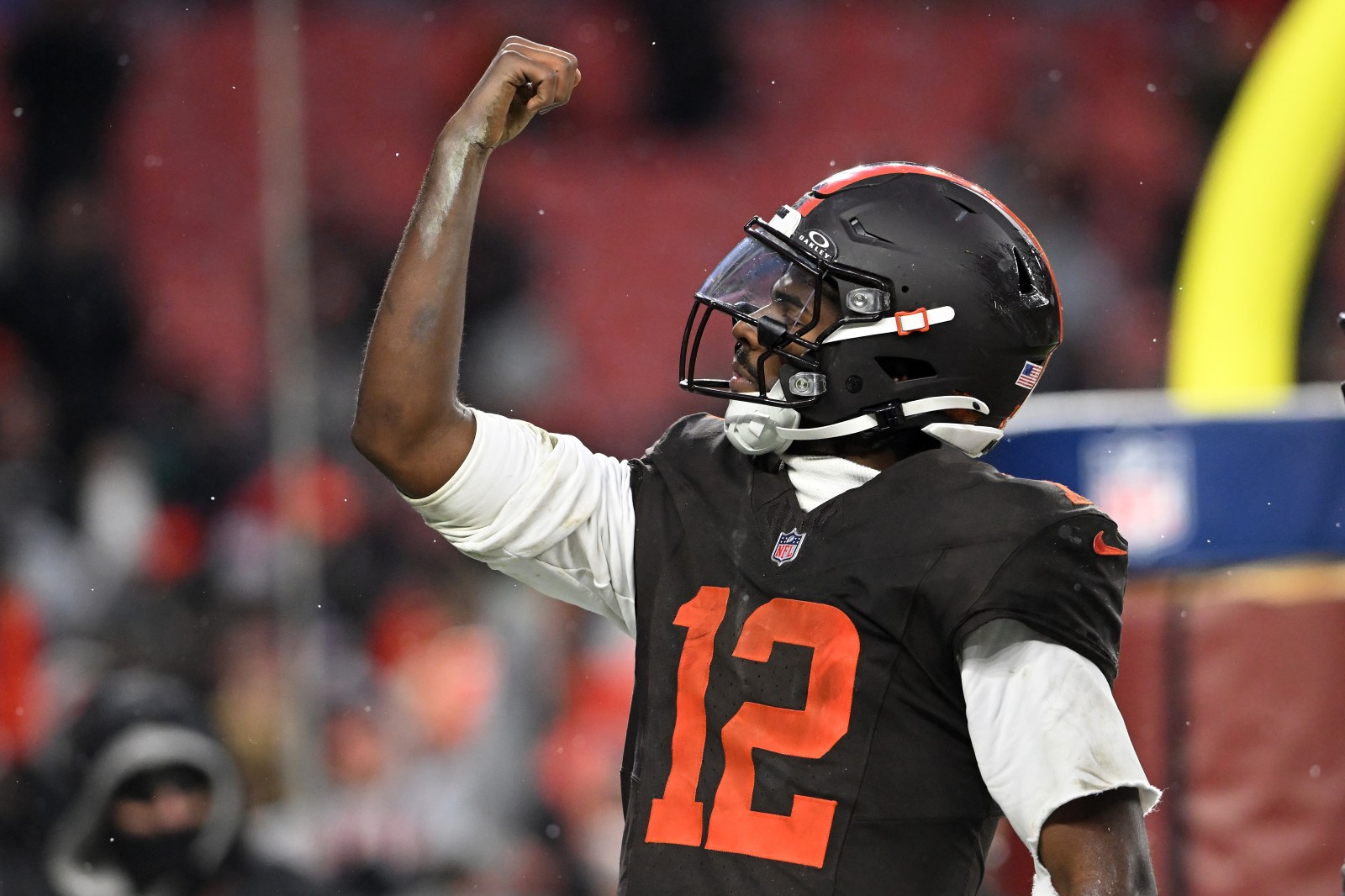
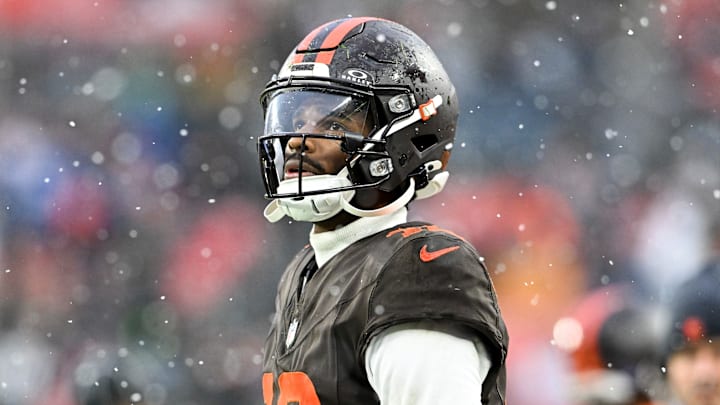
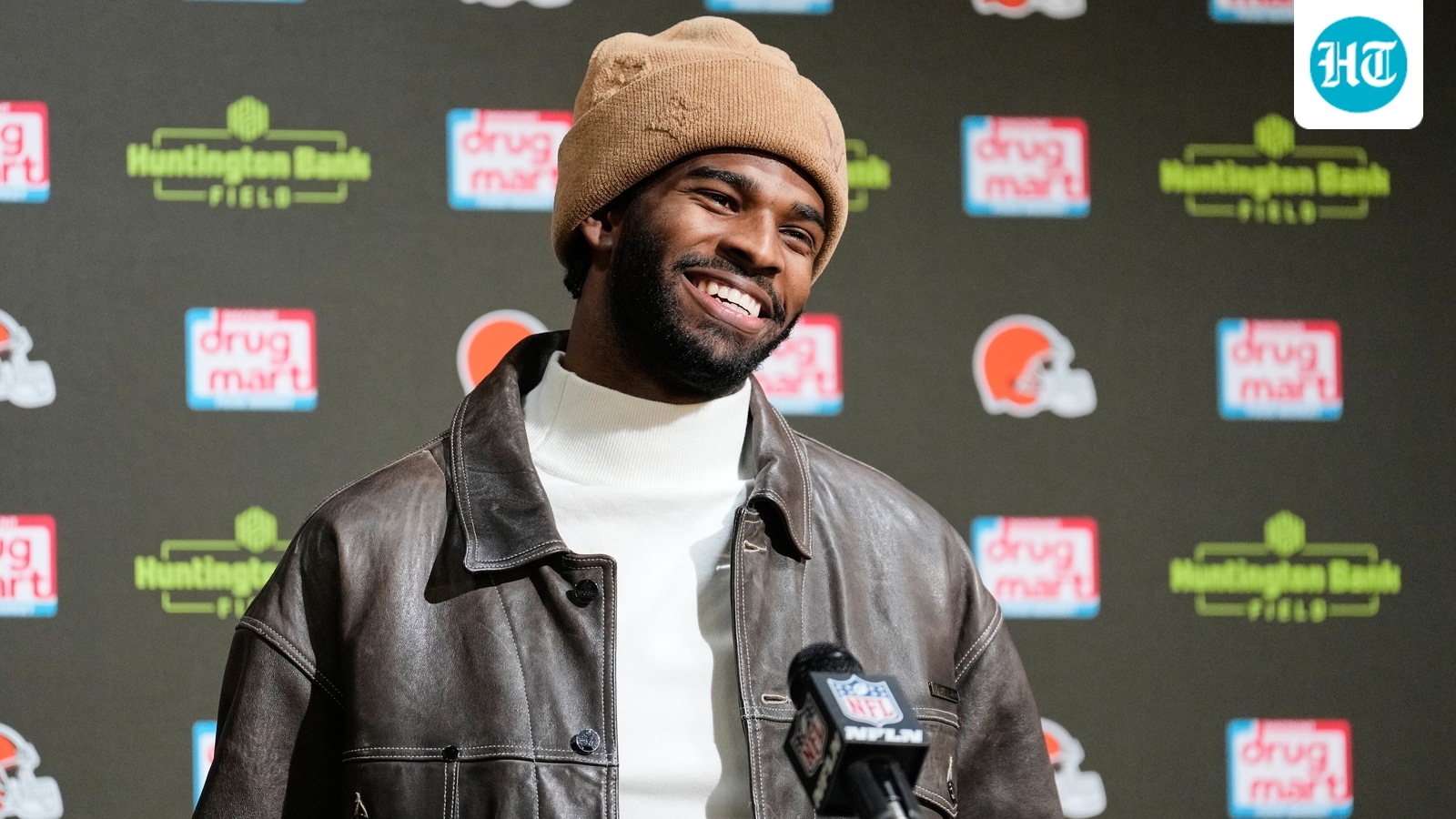
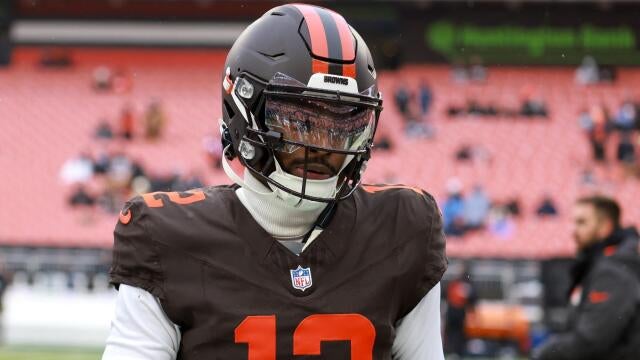
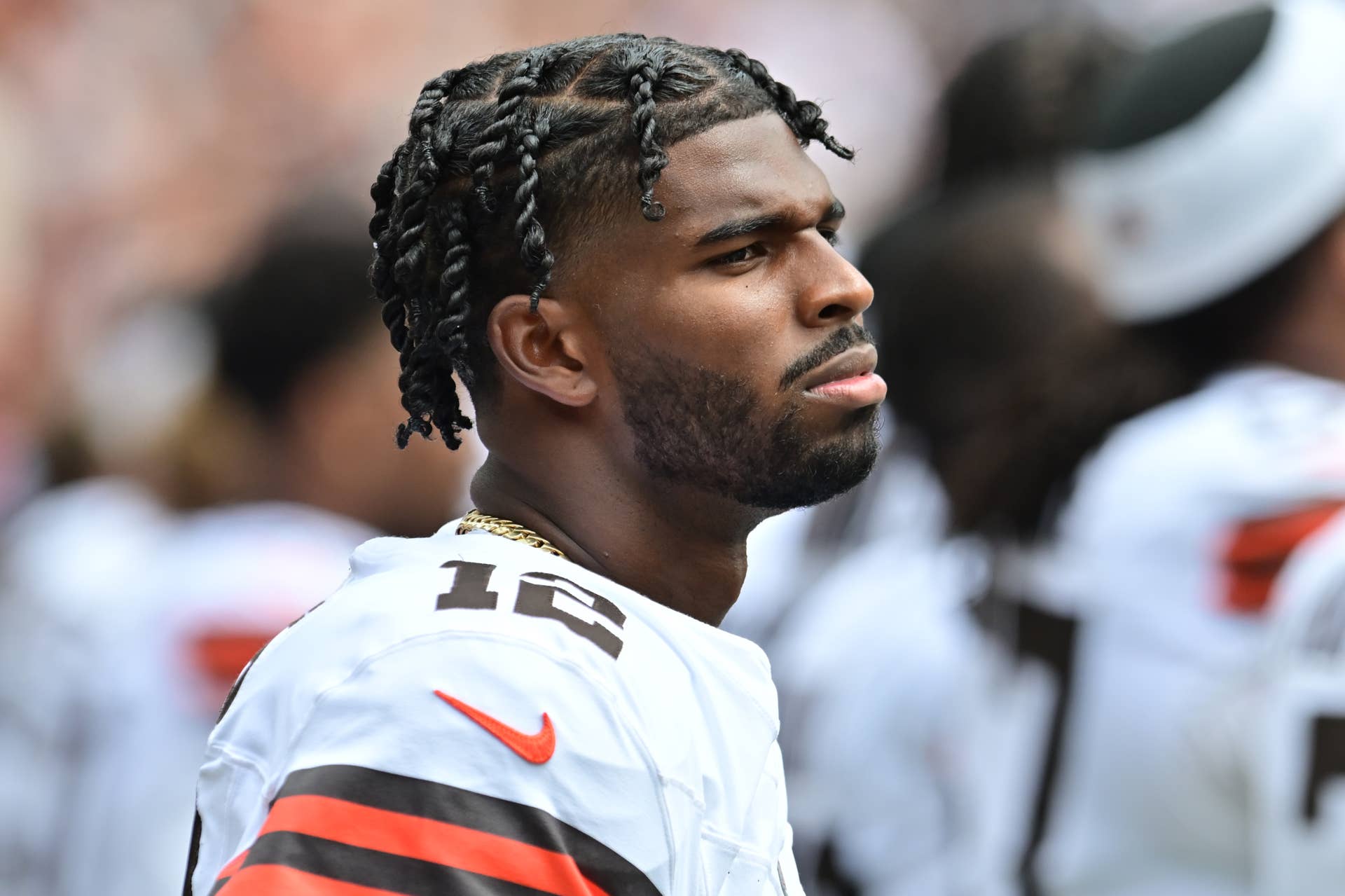
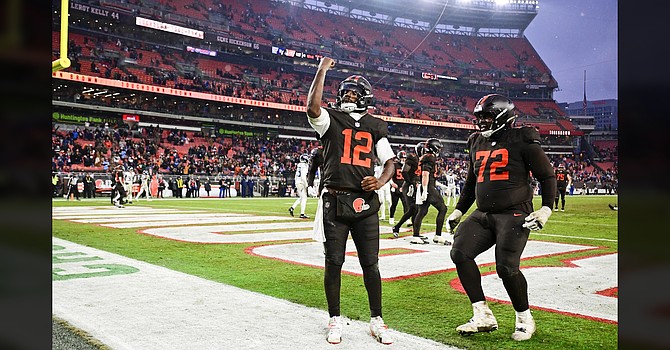
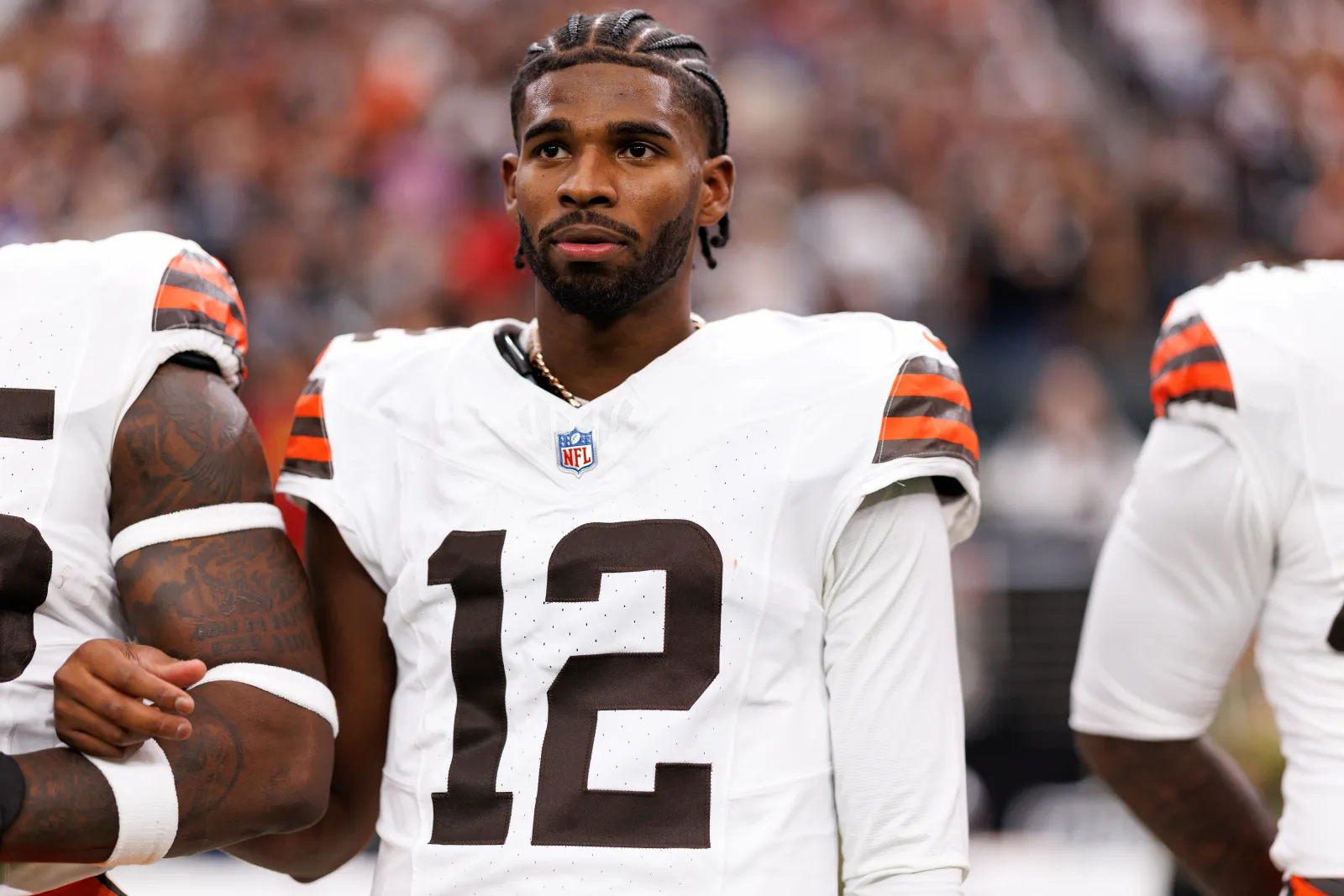
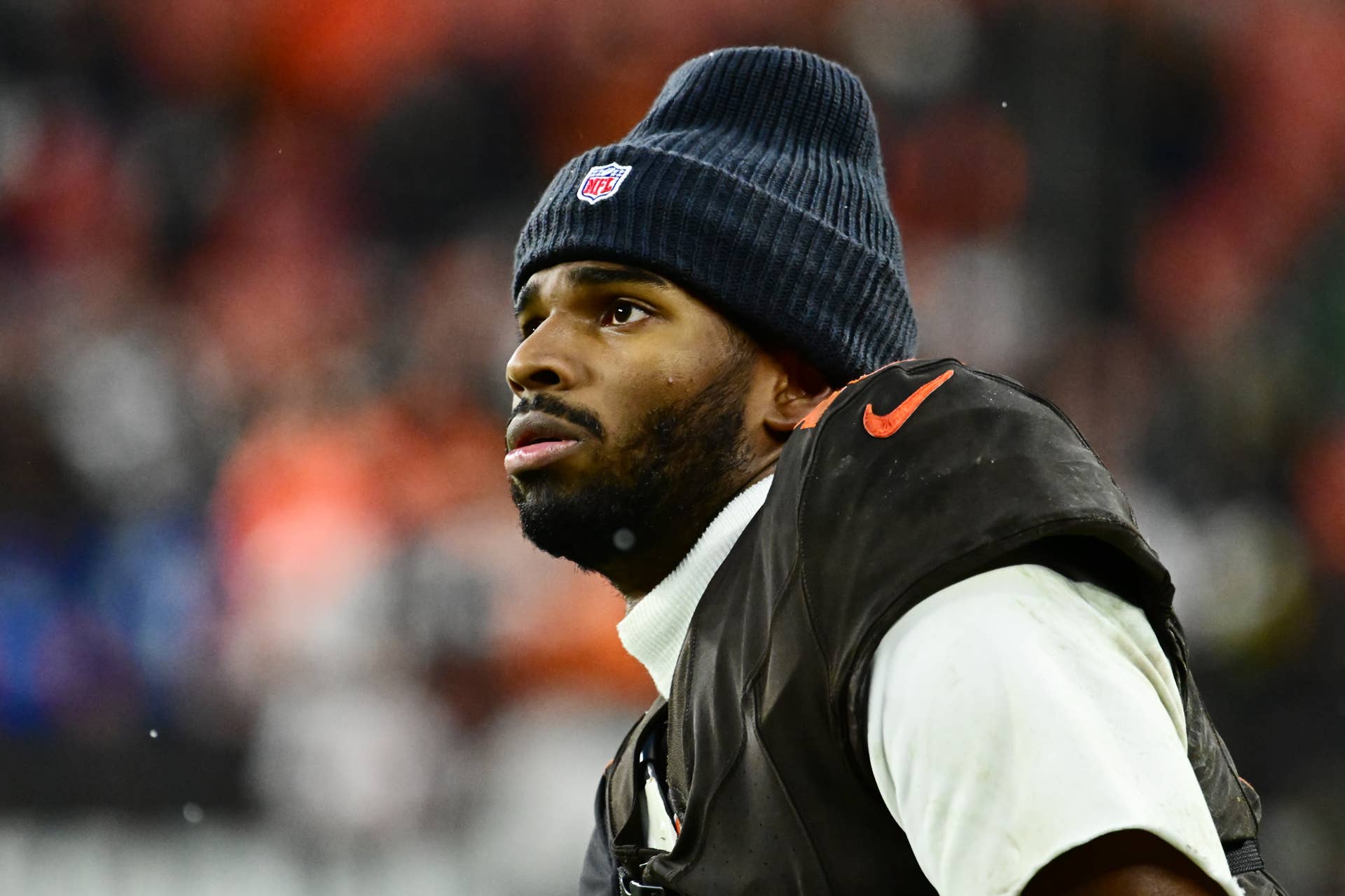
The Cleveland Browns are executing a bold strategic gambit by entrusting their quarterback future to rookie Shedeur Sanders, a move that represents far more than a simple personnel change. In a decisive moment that could redefine the team's trajectory, head coach Kevin Stefanski has selected Sanders as the starting quarterback for the remainder of the 2025 season, revealing a forward-looking approach to talent development.
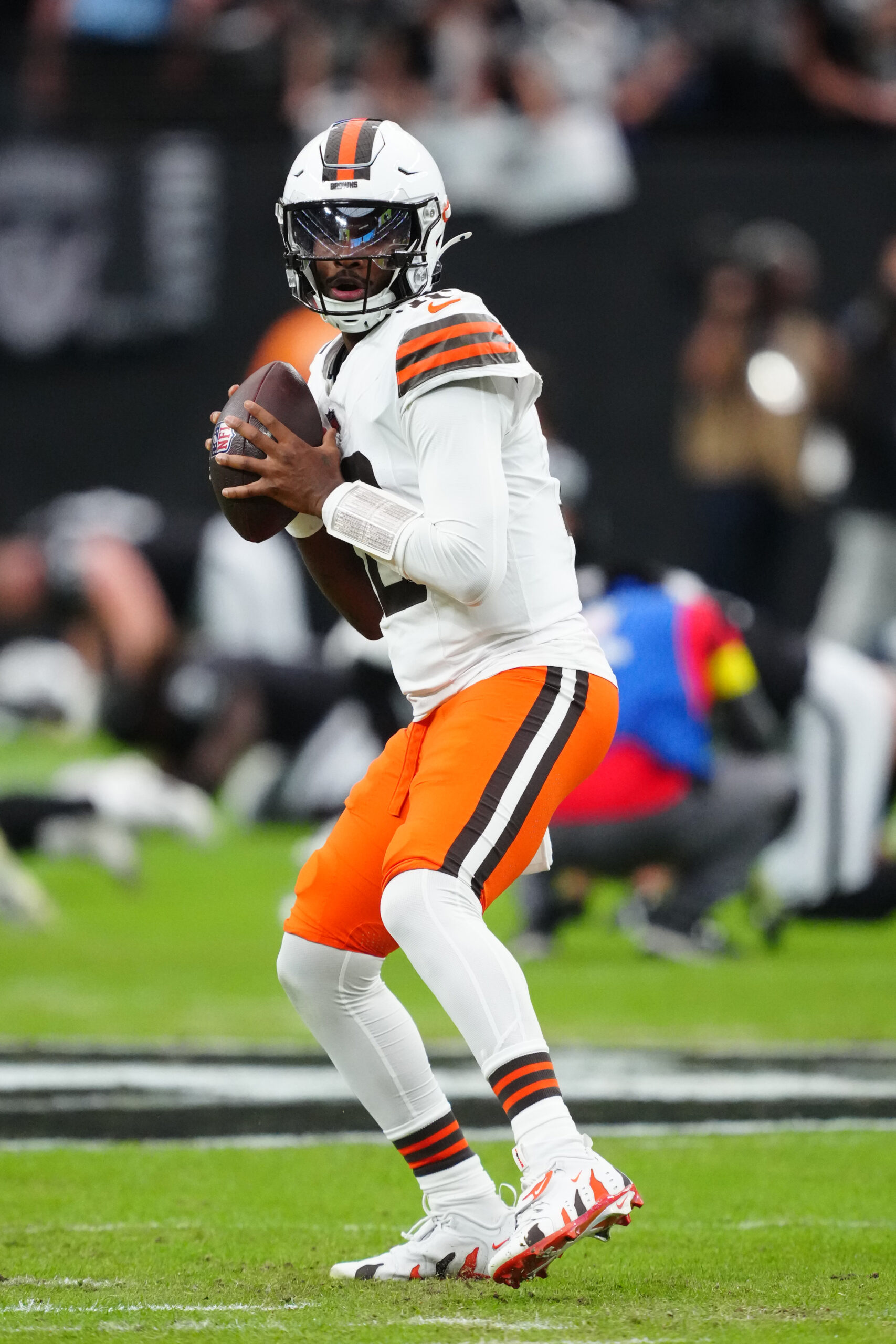
Breakthrough Performance Metrics underscore why Sanders represents a transformative prospect. In just his third professional start, he achieved a remarkable statistical milestone—becoming only the second rookie since 1970 to record over 350 passing yards, three passing touchdowns, and a rushing touchdown in a single game. His performance against the Tennessee Titans, despite a narrow 31-29 loss, demonstrated exceptional potential, with four completions exceeding 50 yards and drawing comparisons to legendary quarterbacks like Aaron Rodgers.
Strategic Talent Investment is the core narrative here. By providing Sanders a full four-week audition for the 2026 starting role, the Browns are making a calculated bet on developmental potential. Stefanski's approach goes beyond immediate performance, focusing on Sanders' consistent improvement and intentional skill refinement. The rookie currently leads the NFL in time to throw at 3.39 seconds, indicating both raw talent and areas for strategic growth.
This decision represents a sophisticated organizational strategy: instead of playing it safe, the Browns are proactively creating an environment where young talent can be stress-tested, evaluated, and potentially transformed into a franchise cornerstone. By giving Sanders meaningful game experience and public endorsement, they're accelerating his learning curve and signaling a commitment to long-term team building over short-term win optimization.
The implications extend beyond individual performance. This move suggests the Browns are embracing a modern NFL paradigm where quarterback development is seen as a nuanced, patient process requiring strategic exposure, targeted coaching, and organizational patience. Sanders isn't just a player—he's a potential organizational reset button, embodying the team's aspirations for a more dynamic, adaptable future.
Questions 3
Why did the Browns choose to start Shedeur Sanders for the remainder of the 2025 season?
The Browns are strategically evaluating Sanders' long-term potential by providing him meaningful game experience. His exceptional performance—becoming only the second rookie since 1970 to record over 350 passing yards, three touchdowns, and a rushing touchdown in a single game—demonstrates he can handle high-pressure NFL environments and warrants a comprehensive assessment.
How does this decision impact the Browns' long-term team strategy?
By investing in Sanders' development, the Browns are signaling a forward-looking approach to team building. Instead of prioritizing immediate wins, they're creating an environment that accelerates young talent's growth, potentially resetting the team's competitive trajectory through strategic quarterback development.