




UK Defense Spending Surge Signals £20B+ Opportunity for British Manufacturing & Defense Tech Sellers
- Proposed independent nuclear deterrent program creates decade-long procurement cycle for domestic suppliers, defense contractors, and advanced manufacturing exporters across EU and Commonwealth markets





















Overview
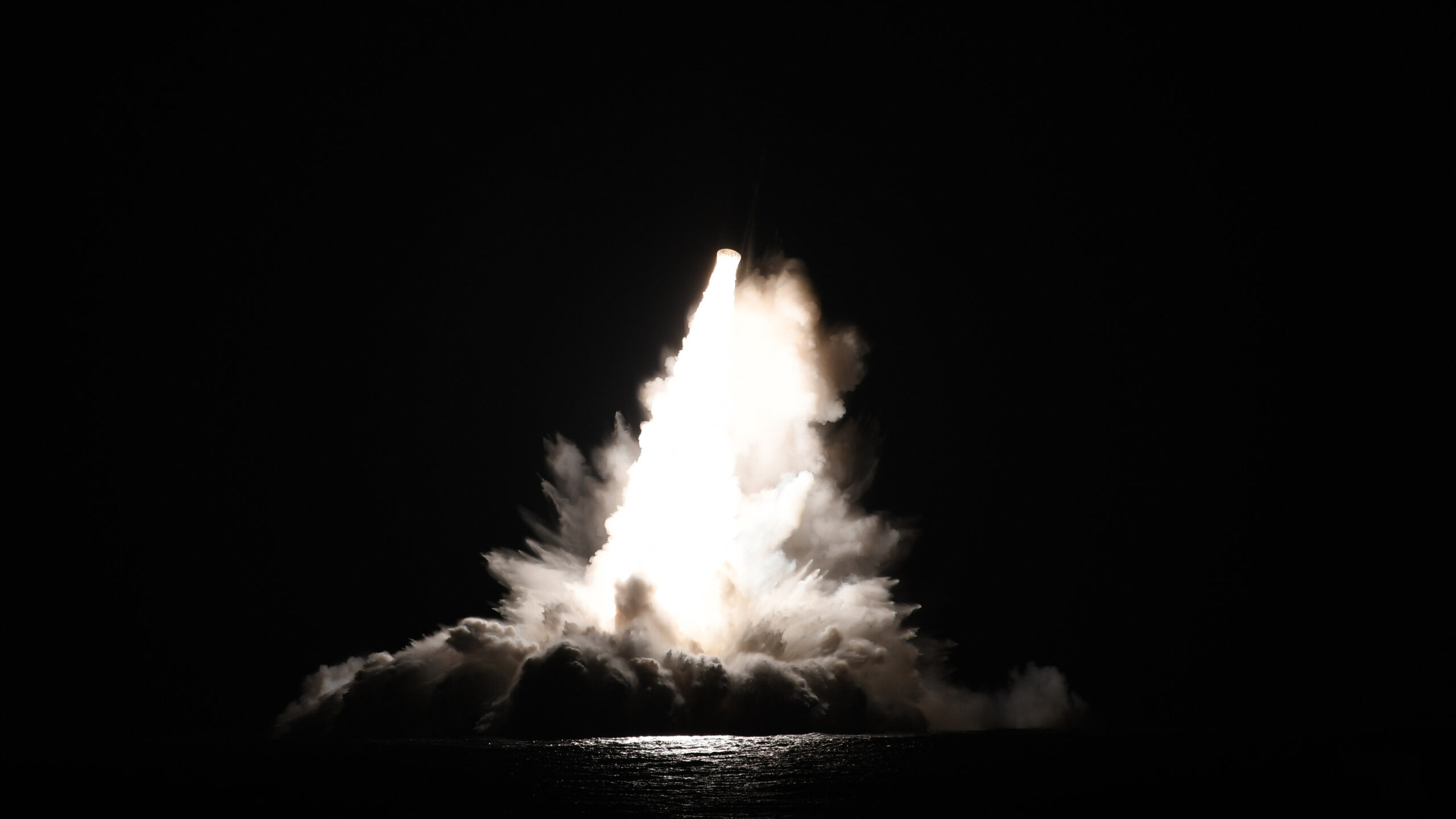
The UK's proposed shift toward nuclear independence represents a transformative £20+ billion defense spending reallocation over two decades, creating significant commercial opportunities for sellers in advanced manufacturing, defense technology, and industrial components. Ed Davey's March 15, 2026 Liberal Democrat conference speech calling for a fully independent British nuclear deterrent—moving away from US-reliant Trident systems—signals a fundamental restructuring of UK defense procurement. The proposal explicitly redirects spending from American defense contractors to "British science, manufacturing, and the domestic defense sector," establishing a multi-decade supply chain opportunity for UK-based sellers and international suppliers targeting British defense contracts.
For cross-border sellers, this policy shift creates three distinct commercial windows: First, the immediate phase (2026-2030) involves developing domestic maintenance capabilities for existing Trident systems, requiring specialized industrial equipment, precision manufacturing components, and technical services. Second, the mid-term development phase (2030-2040) encompasses designing and manufacturing a British-made replacement missile system, driving demand for advanced materials, electronics, aerospace components, and testing equipment. Third, the long-term production phase (2040+) involves full-scale manufacturing of the new deterrent system. The Liberal Democrats reference France's 1970s independent nuclear program—which cost approximately £20 billion in today's currency—as a precedent, suggesting comparable investment levels distributed across 20 years (£1 billion annually). This creates sustained procurement demand across industrial sectors: advanced metallurgy, semiconductor manufacturing, precision engineering, composite materials, and aerospace components.
The constitutional reform proposal ("new Magna Carta") adds regulatory complexity that affects sellers targeting UK government contracts. Davey's emphasis on "transparent democracy resistant to authoritarian influence" and "freedom of expression including on social media" signals potential new compliance requirements for government procurement platforms and defense contractor transparency standards. Sellers providing services to UK defense suppliers must anticipate enhanced due diligence, supply chain transparency requirements, and potential restrictions on foreign ownership or control of critical defense suppliers. The speech's criticism of US political reliability also suggests the UK government may accelerate "strategic autonomy" policies, potentially favoring EU and Commonwealth suppliers over American vendors in certain categories. Additionally, the proposed constitutional protections for "universal healthcare free at point of use" (NHS) may drive increased government spending on medical technology and pharmaceutical manufacturing, creating secondary opportunities for sellers in healthcare supply chains.
Geopolitical context amplifies these opportunities: The news reports ongoing American-Israeli military operations affecting global energy markets, and Davey's positioning of the UK as needing independence from "reckless, unpredictable" US leadership suggests Britain may diversify its defense partnerships. This creates openings for sellers from allied nations (France, Germany, Canada, Australia) to compete for UK defense contracts previously dominated by American suppliers. The 2025 Strategic Defence Review's confirmation of "modernized nuclear capabilities as a cornerstone of British defense strategy" indicates cross-party consensus, reducing political risk for long-term supplier commitments. However, sellers should monitor whether the Liberal Democrats' historical commitment to "multilateral nuclear disarmament" creates policy volatility if the party gains electoral influence.
Questions 8
What is the estimated cost and timeline for UK's independent nuclear deterrent program?
The Liberal Democrats propose a £20 billion investment distributed over two decades (approximately £1 billion annually), based on France's 1970s independent nuclear program precedent. The program involves two stages: first, developing domestic capability to maintain existing Trident systems (2026-2030), and second, manufacturing a fully British-made replacement missile (2030-2040+). The UK prepares to replace Trident in the 2040s, creating a sustained procurement cycle. This represents a significant reallocation from current US defense contractor payments to domestic British manufacturing and science sectors, creating opportunities for suppliers across industrial, aerospace, and advanced materials categories.
How does the proposed UK nuclear independence affect defense supply chain opportunities for cross-border sellers?
The shift creates three distinct commercial phases: immediate maintenance capability development (2026-2030) requiring specialized industrial equipment and precision components; mid-term missile design and development (2030-2040) driving demand for advanced materials, electronics, and aerospace components; and long-term production (2040+) involving full-scale manufacturing. Sellers from allied nations (EU, Commonwealth, NATO partners) may gain competitive advantages over American suppliers, particularly in categories where UK government emphasizes 'strategic autonomy.' The 2025 Strategic Defence Review's cross-party consensus on modernized nuclear capabilities reduces political risk for long-term supplier commitments, though sellers should monitor Liberal Democrat policy volatility regarding disarmament goals.