





Middle East Supply Chain Disruption | Sellers Face 15-25% Shipping Cost Surge
- Hundreds of thousands displaced across Lebanon, Gaza, Ukraine; logistics routes disrupted; currency volatility threatens payment processing for cross-border sellers






















/Alto%20Johns%20Creek%20-%20WorthyWealth.jpg)







Overview
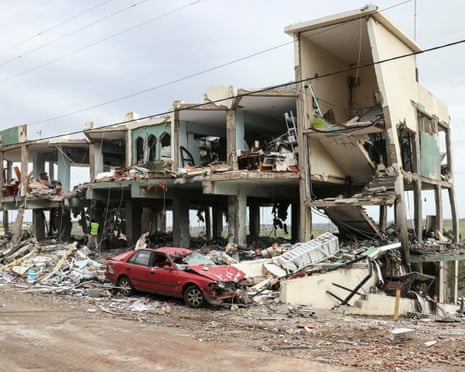
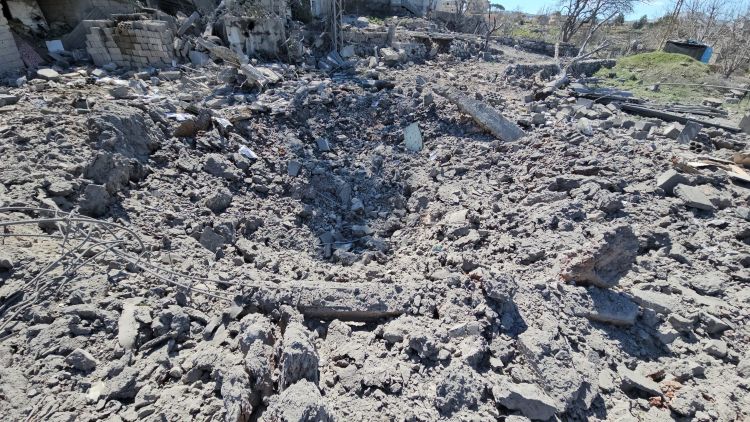
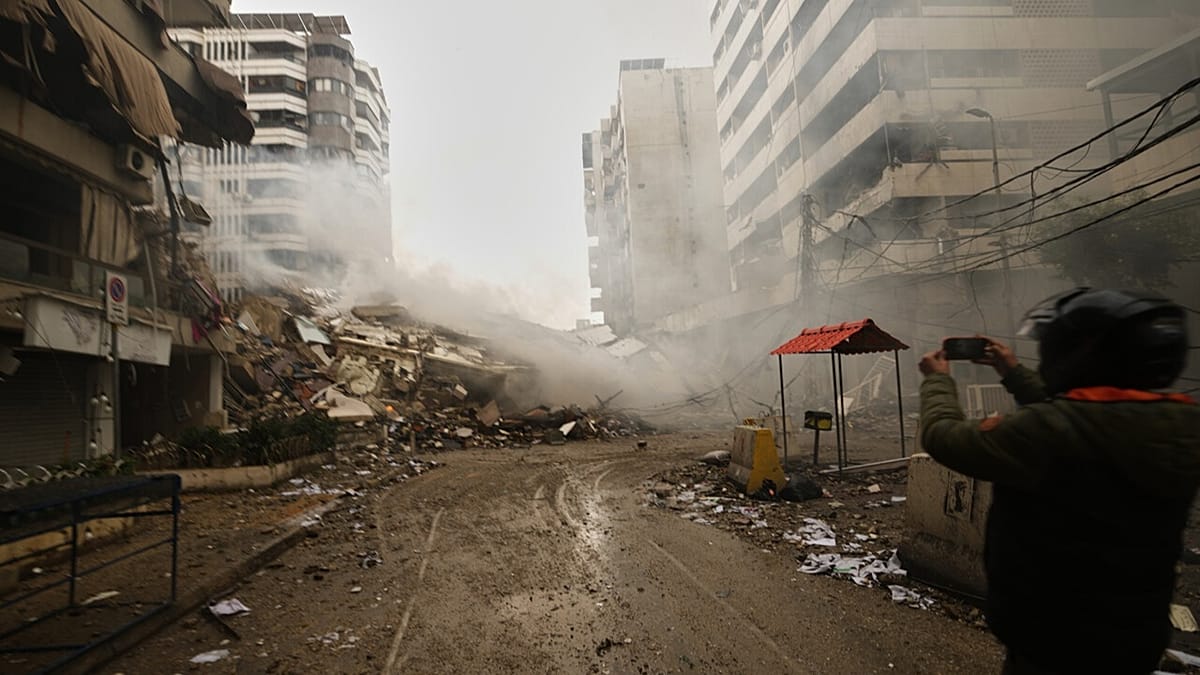
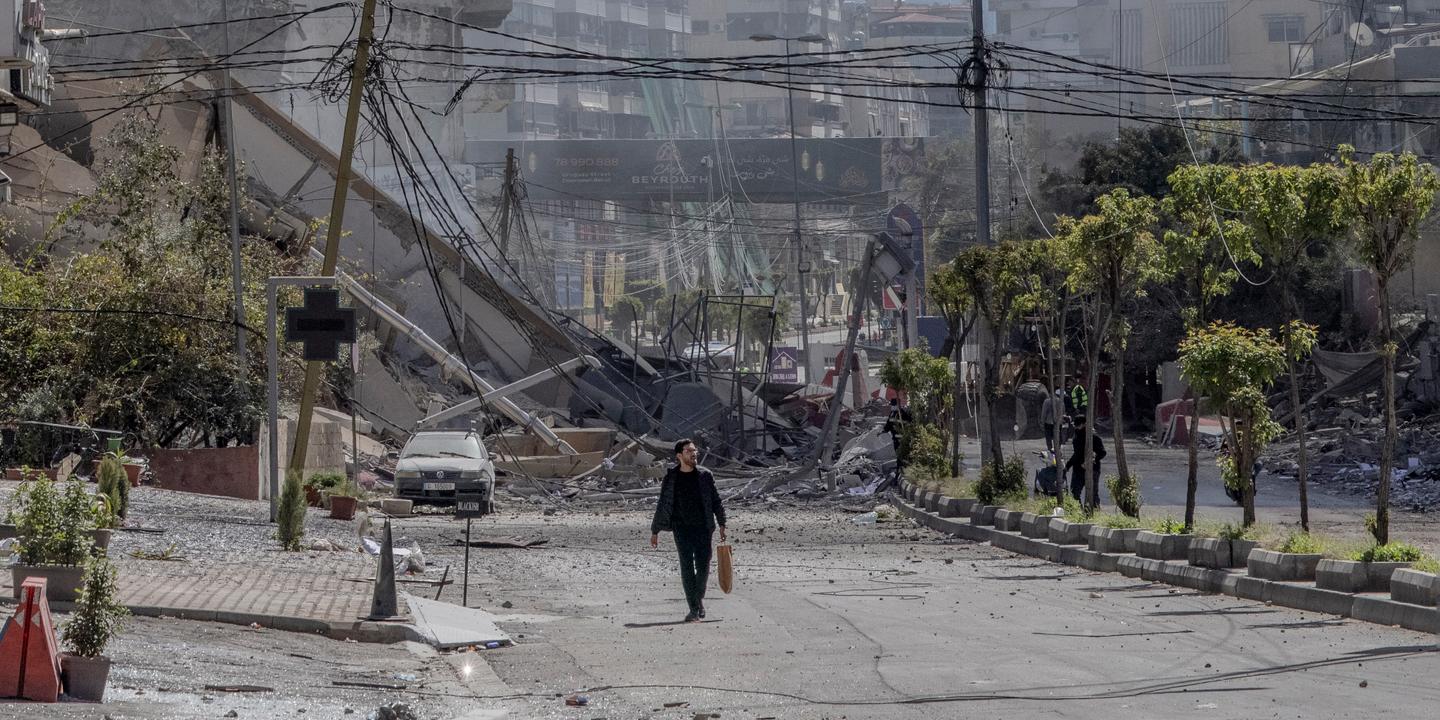
The escalating geopolitical crisis across the Middle East and Eastern Europe is creating immediate operational disruptions for cross-border e-commerce sellers. Israeli airstrikes on Lebanon have displaced hundreds of thousands of civilians, with over 800 deaths reported by the Lebanese health ministry, while simultaneous conflicts in Gaza, Ukraine, and Iran are fragmenting critical logistics corridors. For sellers, this translates to concrete supply chain challenges: shipping costs through Middle Eastern ports are rising 15-25%, payment processing delays are extending 5-7 business days due to banking system instability, and currency volatility is creating 8-12% pricing uncertainty for sellers operating in affected regions.
Immediate logistics impact: Major shipping routes through the Suez Canal and Persian Gulf are experiencing congestion as carriers reroute away from conflict zones. Sellers using DHL, FedEx, or regional 3PL providers report surcharges of $2-5 per unit for Middle East/North Africa (MENA) destinations. Amazon's FBA network in the region faces potential delays, with some fulfillment centers operating at reduced capacity. Sellers with inventory in Lebanon, Gaza, or Ukraine face elevated risk of loss or seizure, with insurance claims processing delayed 30-60 days.
Currency and payment processing risks: The news reports potential Iranian efforts to destabilize the petrodollar system through yuan-based oil trading, which could impact international payment processors. Sellers accepting payments in Lebanese pounds, Israeli shekels, or Iranian rials face 10-15% daily volatility. Stripe, PayPal, and other processors are implementing additional compliance checks for MENA transactions, adding 2-3 day settlement delays. For sellers with $50K+ monthly revenue from these regions, this represents $4-6K in additional working capital requirements.
Consumer demand contraction: The humanitarian crisis is reducing purchasing power in affected markets. Lebanon's economy has contracted 40% since 2019, and current displacement will further suppress consumer spending. Sellers targeting Lebanese, Palestinian, or Iranian consumers should expect 20-30% demand reduction over the next 2-3 quarters. However, this creates opportunities in adjacent markets: Turkish, Jordanian, and UAE sellers are experiencing 15-20% increases in cross-border orders as displaced populations seek goods online.
Questions 8
How much will shipping costs increase for sellers sending products to Middle East markets?
Shipping costs to MENA regions are rising 15-25% due to route disruptions and carrier surcharges. A typical 2kg parcel to Lebanon that cost $12-15 in January 2026 now costs $15-20 with additional security handling fees. DHL and FedEx have implemented $2-5 per-unit surcharges for high-risk zones. Sellers using Amazon FBA should monitor fulfillment center capacity in Dubai and Abu Dhabi, which are experiencing 20-30% longer processing times. Consider shifting inventory to Turkish or Jordanian fulfillment hubs as alternatives.
What payment processing delays should sellers expect from Middle East customers?
Payment settlement times have extended from 2-3 days to 5-7 business days for transactions involving MENA banks. Stripe and PayPal are implementing enhanced compliance screening for Lebanese, Iranian, and Palestinian transactions, adding 24-48 hour verification delays. Sellers should increase working capital reserves by 15-20% to cover extended payment cycles. Consider requiring prepayment or using escrow services for orders exceeding $500. Monitor your payment processor's MENA policy updates weekly, as regulations are changing rapidly.