


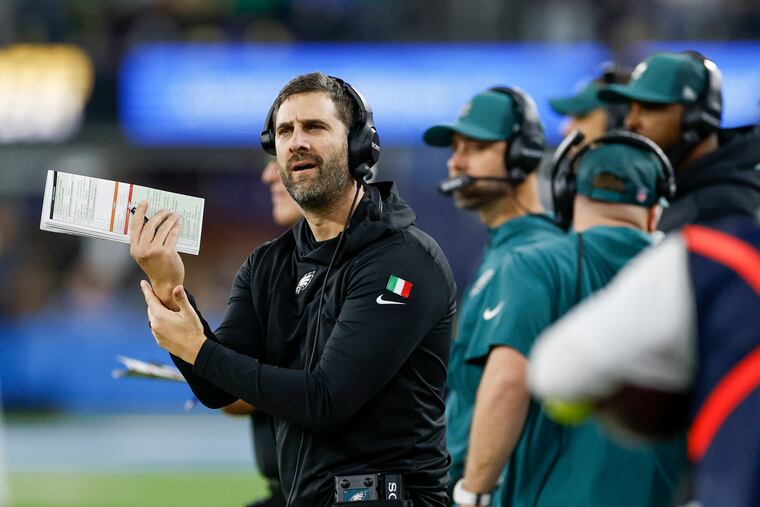


NFL's Strategic Resilience Playbook Eagles Reveal Defensive Survival Tactics
- Defensive Performance Emerges as Critical Survival Strategy in High-Stakes Professional Football Ecosystem

Overview
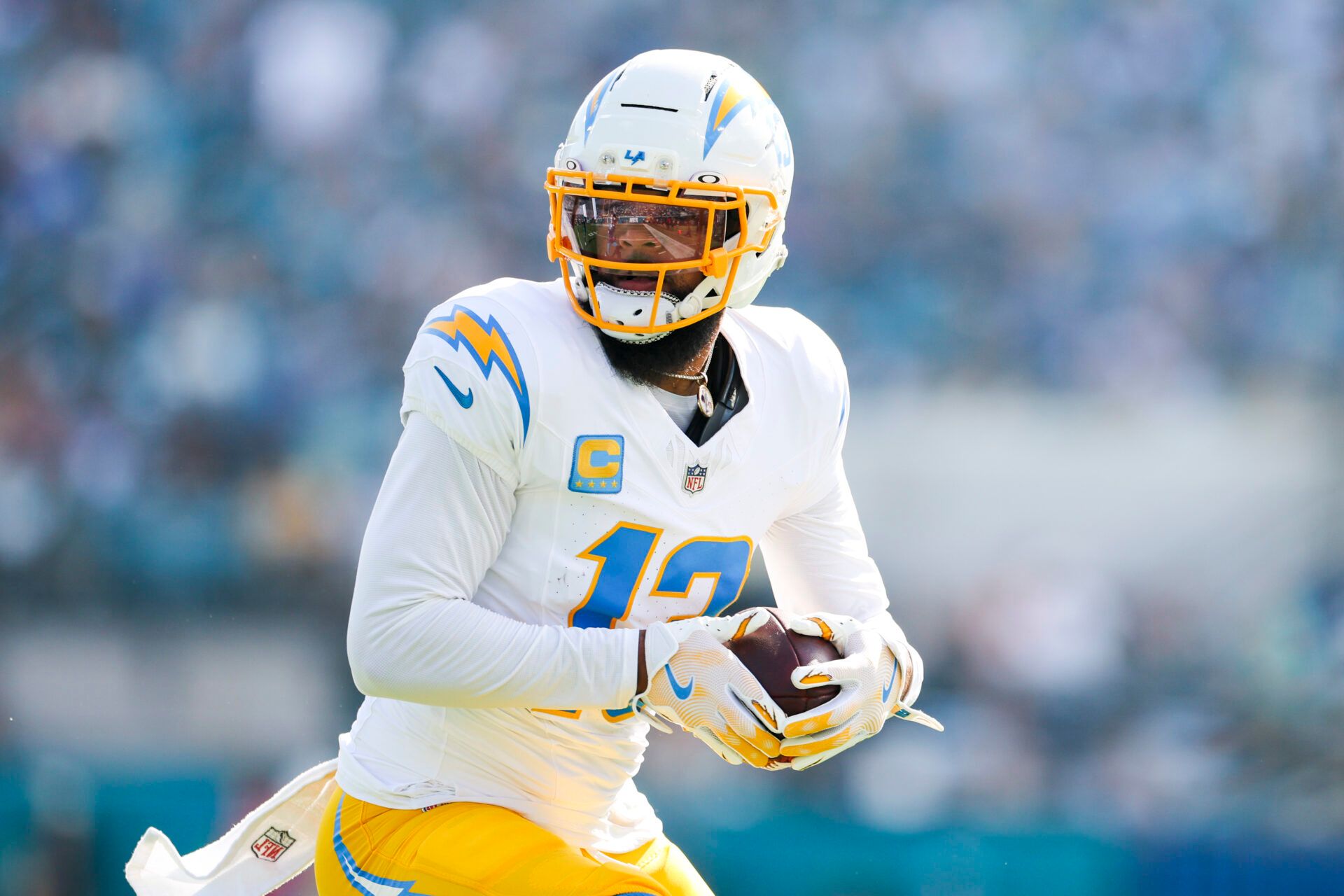
In the high-stakes arena of professional football, the Philadelphia Eagles are demonstrating a critical strategic pivot that transcends mere game performance: defensive resilience as organizational survival. The team's recent 22-19 loss to the Los Angeles Chargers reveals a profound narrative about adaptability and strategic recalibration in professional sports.
Defensive Transformation as Organizational Strategy: With quarterback Jalen Hurts experiencing a career-low performance—throwing a staggering four interceptions—the Eagles' defensive unit has emerged as the team's primary lifeline. Players like Nakobe Dean and Jaelan Phillips are not just defensive players; they're strategic assets preventing complete organizational collapse. Their ability to consistently disrupt the Chargers' offensive momentum, recording multiple sacks and preventing turnover capitalizations, represents a sophisticated survival mechanism.
The Eagles' current 8-5 record and marginally better playoff probability (just 1% higher than the Houston Texans) underscore a critical organizational challenge. What emerges is a compelling case study of institutional adaptation: when offensive systems falter, defensive capabilities become the primary organizational shock absorber. Hurts' departure from his dual-threat quarterback role signals deeper systemic challenges, forcing the team to rely on defensive resilience as its primary competitive strategy.
This isn't just about football—it's a metaphor for organizational survival under pressure. The Eagles are demonstrating that in complex, high-performance environments, the ability to pivot, absorb shock, and leverage alternative strengths can mean the difference between total failure and potential recovery. Their defensive unit is essentially performing organizational triage, preventing a complete strategic breakdown while providing a foundation for potential future recalibration.
The strategic implications are profound: when primary systems fail, secondary capabilities can become the critical differentiator between obsolescence and potential reinvention. For the Eagles, defense isn't just a game strategy—it's an organizational lifeline.
Questions 3
What are the long-term implications of relying primarily on defensive performance?
While defensive resilience can provide short-term survival, it's not a sustainable long-term strategy. The Eagles will need to address underlying offensive system issues and quarterback performance to maintain competitive viability in future seasons.
What does Jalen Hurts' recent performance indicate about the team's offensive system?
Hurts' four-interception game and departure from his dual-threat quarterback role suggest significant systemic challenges in the Eagles' offensive strategy. This indicates potential misalignment between player capabilities and current offensive game planning.