




Brent Crude Above $100 | Shipping Cost Surge Reshapes E-Commerce Logistics Strategy
- Oil prices up 40% since conflict escalation; sellers face 8-15% shipping cost increases; immediate pricing adjustments required for FBA and 3PL operations



Overview
The Middle East geopolitical escalation is creating immediate supply chain cost pressures for cross-border e-commerce sellers. With Brent crude surging above $100/barrel (up 40% since conflict began) and threats to Strait of Hormuz shipping lanes, logistics costs are rising sharply across all fulfillment channels. This represents a critical margin compression event for sellers relying on air freight, ocean shipping, and last-mile delivery networks.
Immediate Shipping Cost Impact: Fuel surcharges on major carriers (FedEx, UPS, DHL) typically increase 2-3% for every $10/barrel oil price movement. At current levels, sellers can expect 8-15% shipping cost increases within 30-60 days as fuel surcharge indices adjust. For FBA sellers shipping 1,000+ units monthly via air freight, this translates to $400-800 additional monthly costs. Ocean freight from Asia to US/EU ports faces similar pressures, with container rates potentially rising $200-400 per TEU. Small sellers (100-500 units/month) will see $50-150 monthly increases, while large 3PL operations managing 10,000+ units face $4,000-8,000 monthly cost escalations.
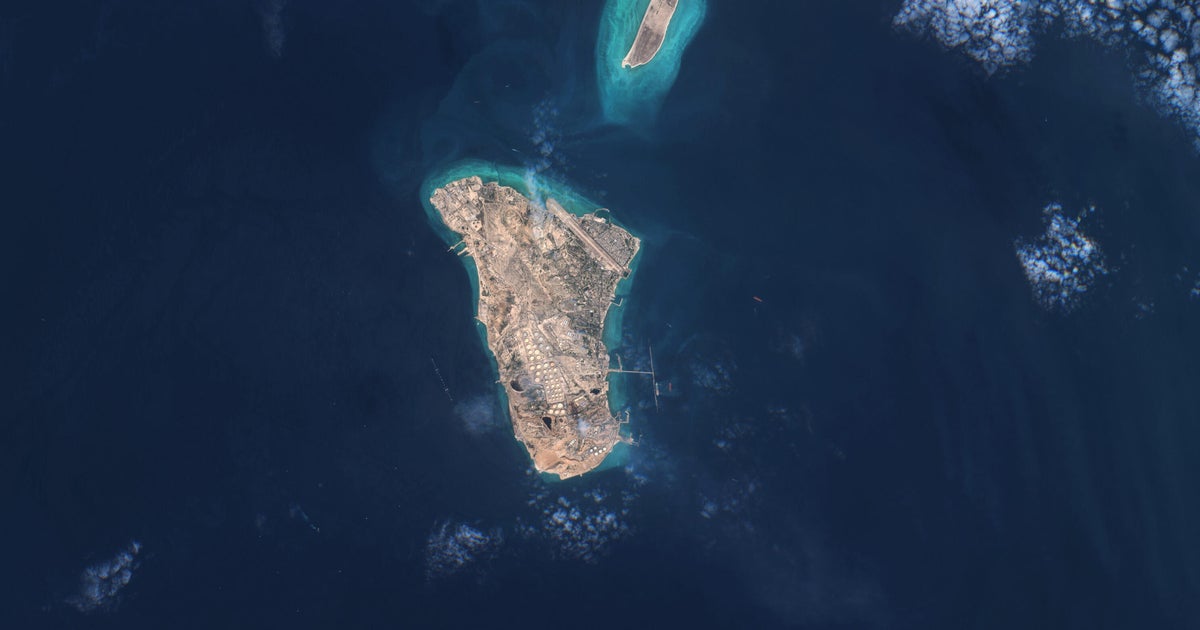
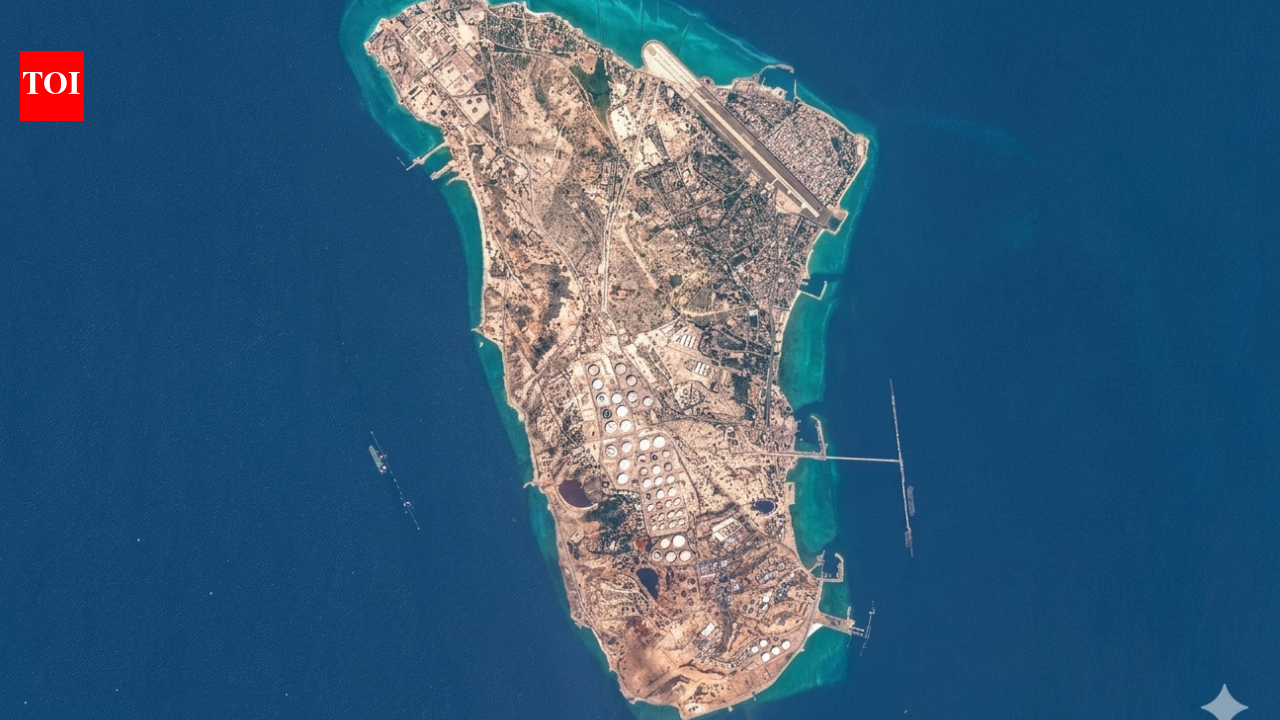
Strategic Sourcing Implications: The Strait of Hormuz threat (through which 21% of global oil passes) creates supply chain routing risks. Sellers sourcing from China, Vietnam, and India should evaluate alternative logistics corridors—specifically routing through Singapore and Malaysia instead of direct Suez Canal passages. This adds 5-7 days to transit times but reduces geopolitical exposure. Sellers in high-margin categories (electronics, luxury goods, collectibles) can absorb cost increases; low-margin categories (apparel, home goods, bulk items) face margin compression of 3-8% unless prices increase.
Platform Pricing Adjustments Required: Amazon FBA sellers must recalibrate pricing within 14-21 days to maintain target margins. The Buy Box algorithm rewards competitive pricing, but cost increases justify 5-12% price adjustments in affected categories. eBay sellers should monitor shipping cost calculators and update handling fees. Shopify sellers managing their own fulfillment must increase shipping charges or absorb costs—industry data shows 60% of Shopify stores increase shipping fees when fuel surcharges exceed 10%.
Cyber Risk Dimension: News reports mention Iran-backed cyber threats targeting US financial infrastructure and payment systems. E-commerce sellers should implement enhanced payment security protocols—specifically monitoring for fraudulent transactions and chargebacks that may spike if payment processors experience disruptions. This adds compliance complexity but protects against revenue loss during potential cyber incidents.
Questions 7
What payment security measures should I implement?
Implement enhanced payment security protocols to monitor for fraudulent transactions and chargebacks that may spike if payment processors experience cyber disruptions. Enable two-factor authentication on all payment accounts, monitor chargeback rates daily, and establish fraud detection rules in your payment processor settings. Consider using payment processors with built-in fraud protection like Stripe or Square. If you process 100+ transactions daily, implement real-time transaction monitoring to catch suspicious patterns before they result in chargebacks.
How long will these shipping cost increases last?
Fuel surcharges typically persist for 60-90 days after oil price spikes, then gradually decline as markets stabilize. Historical data from 2022 oil price surges shows surcharges remained elevated for 4-6 months before returning to baseline. Monitor geopolitical developments and oil futures prices—if tensions escalate further, expect sustained high costs through Q2 2025. Plan pricing strategy assuming 90+ days of elevated costs, then prepare for gradual reductions as geopolitical risk decreases.