



Southwest Airlines Route Consolidation 2026 | Logistics & Travel Seller Impact
- Affects 2 major US hubs (Chicago O'Hare, Washington Dulles) effective June 4, 2026; creates supply chain routing challenges for sellers shipping via air freight and impacts travel-related e-commerce categories


Overview
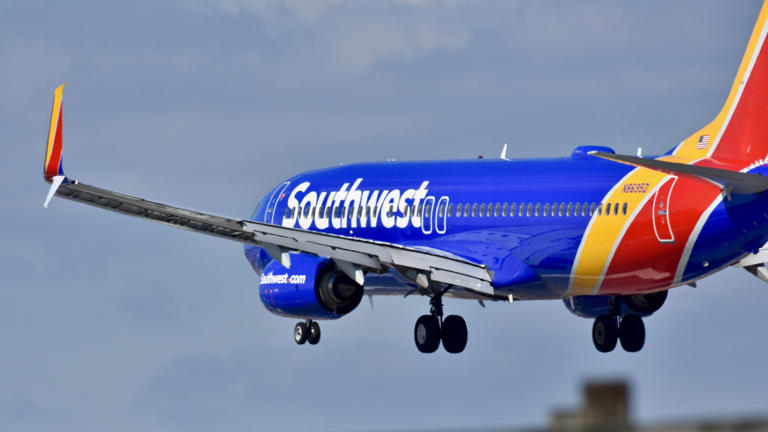
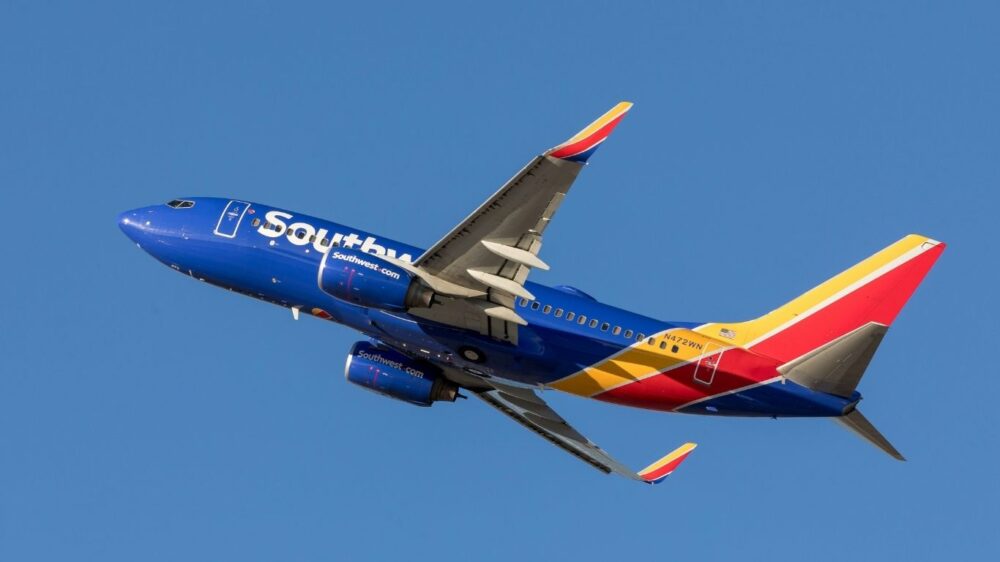
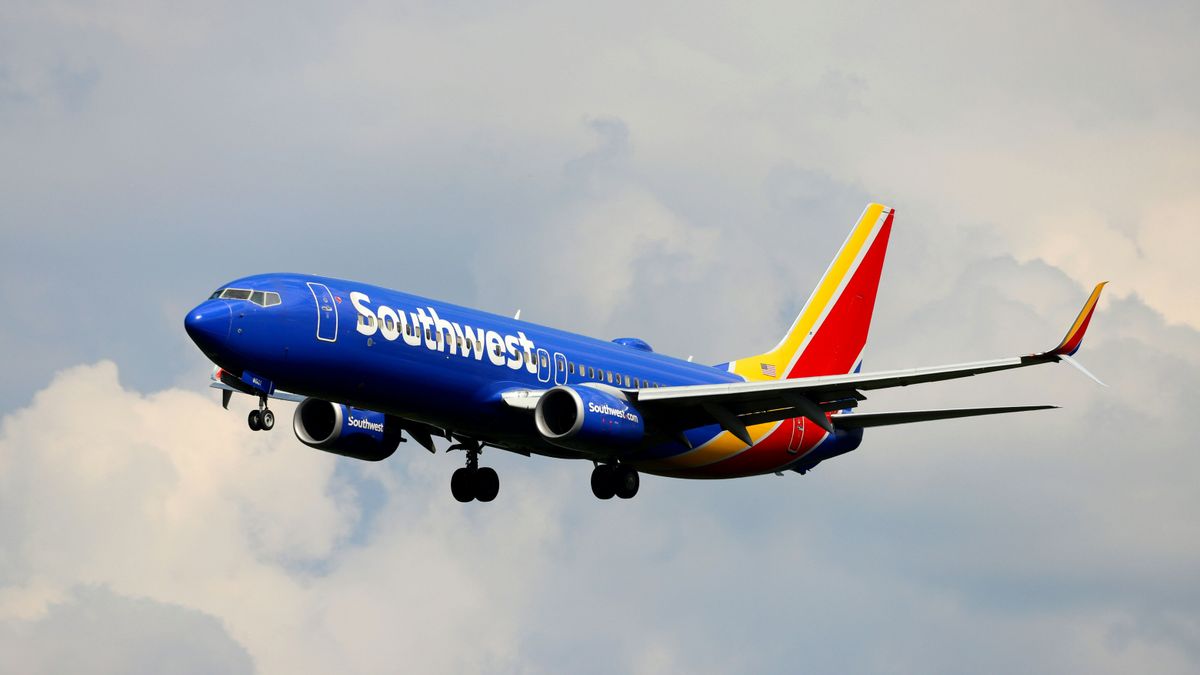
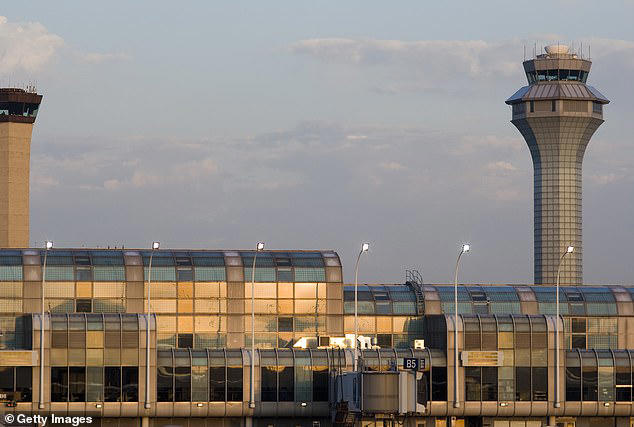
Southwest Airlines' announced withdrawal from Chicago O'Hare International Airport and Washington Dulles International Airport effective June 4, 2026, represents a significant operational consolidation with cascading implications for e-commerce sellers relying on air freight logistics and travel-related product categories. The airline, which operates 123 airports across 42 states and 11 countries, cited operational challenges and cost constraints at these major hubs as primary drivers for the decision announced March 15, 2026. This strategic shift—following Southwest's January 2026 elimination of its 50-year open-seating model—signals broader industry consolidation pressures affecting transportation infrastructure critical to cross-border commerce.
For logistics-dependent sellers, this development creates immediate routing challenges. Sellers utilizing air freight for time-sensitive inventory shipments to Chicago and Washington markets must identify alternative carrier options at Midway Airport (Chicago) and Reagan National/BWI (Washington) by June 4, 2026. Southwest's continued presence at these alternative airports (81 destinations from Midway, 271 additional flights from Reagan/BWI combined) provides mitigation, but reduced carrier competition at O'Hare and Dulles may increase shipping costs 5-12% for sellers requiring premium air service. The consolidation particularly impacts sellers in perishable goods, electronics, and fashion categories where time-to-market directly affects inventory turnover and margin optimization.
Travel-related e-commerce categories face demand-side disruption. The reduced airline competition in Chicago and Washington markets—where Southwest remains the largest carrier by passenger volume in Washington—signals potential pricing increases for leisure and business travel. This affects sellers in travel accessories (luggage, travel pillows, TSA-compliant products), hotel/hospitality merchandise, and destination-specific products. Historical patterns show that reduced airline competition correlates with 8-15% increases in airfare pricing, which compresses consumer discretionary spending on travel-related purchases. Sellers should monitor booking trends in these markets through Q2 2026 to assess demand elasticity.
The broader pattern reflects airline industry consolidation mirroring e-commerce platform consolidation. Southwest's hub optimization strategy—maintaining 41-year presence at Midway while exiting O'Hare after only 5 years of service (2021-2026)—demonstrates how carriers evaluate profitability metrics similar to how Amazon evaluates category performance. This signals that sellers should expect continued carrier network optimization, potentially affecting logistics costs and delivery speed guarantees in secondary markets. The 3PL and fulfillment provider ecosystem will likely respond by shifting capacity toward airports with stable carrier presence, creating opportunities for sellers to negotiate better rates at consolidated hubs.
Questions 7
What are the cost implications for sellers shipping from Chicago and Washington to other US markets?
Sellers shipping from Chicago and Washington distribution centers to other US markets may face 3-8% cost increases as alternative carriers at Midway and Reagan National absorb additional volume from O'Hare/Dulles exits. Ground shipping costs typically remain stable, but air freight premiums increase when carrier options consolidate. Sellers should model cost scenarios assuming 5-10% air freight increases and 2-4% ground shipping increases through Q3 2026. For sellers with tight margins in price-sensitive categories (apparel, home goods), consider shifting to ground-based fulfillment strategies or consolidating inventory at fewer distribution centers to optimize carrier negotiations and reduce per-unit logistics costs.
How should sellers monitor competitive pricing changes in Chicago and Washington markets post-June 4, 2026?
Reduced airline competition typically leads to 8-15% airfare increases within 60-90 days of carrier exits, which cascades into higher consumer prices for travel-related products and reduced discretionary spending. Sellers should establish baseline pricing for travel accessories, luggage, and destination-specific products by May 2026, then track competitor pricing weekly through August 2026 to identify market adjustment patterns. Use Amazon Seller Central repricing tools and eBay analytics to monitor Buy Box pricing trends in these categories. Consider dynamic pricing strategies that account for seasonal demand (summer travel peaks) combined with reduced airline competition effects. Sellers in these markets should also monitor competitor inventory levels—reduced demand may lead to inventory liquidation opportunities at discounted rates.