

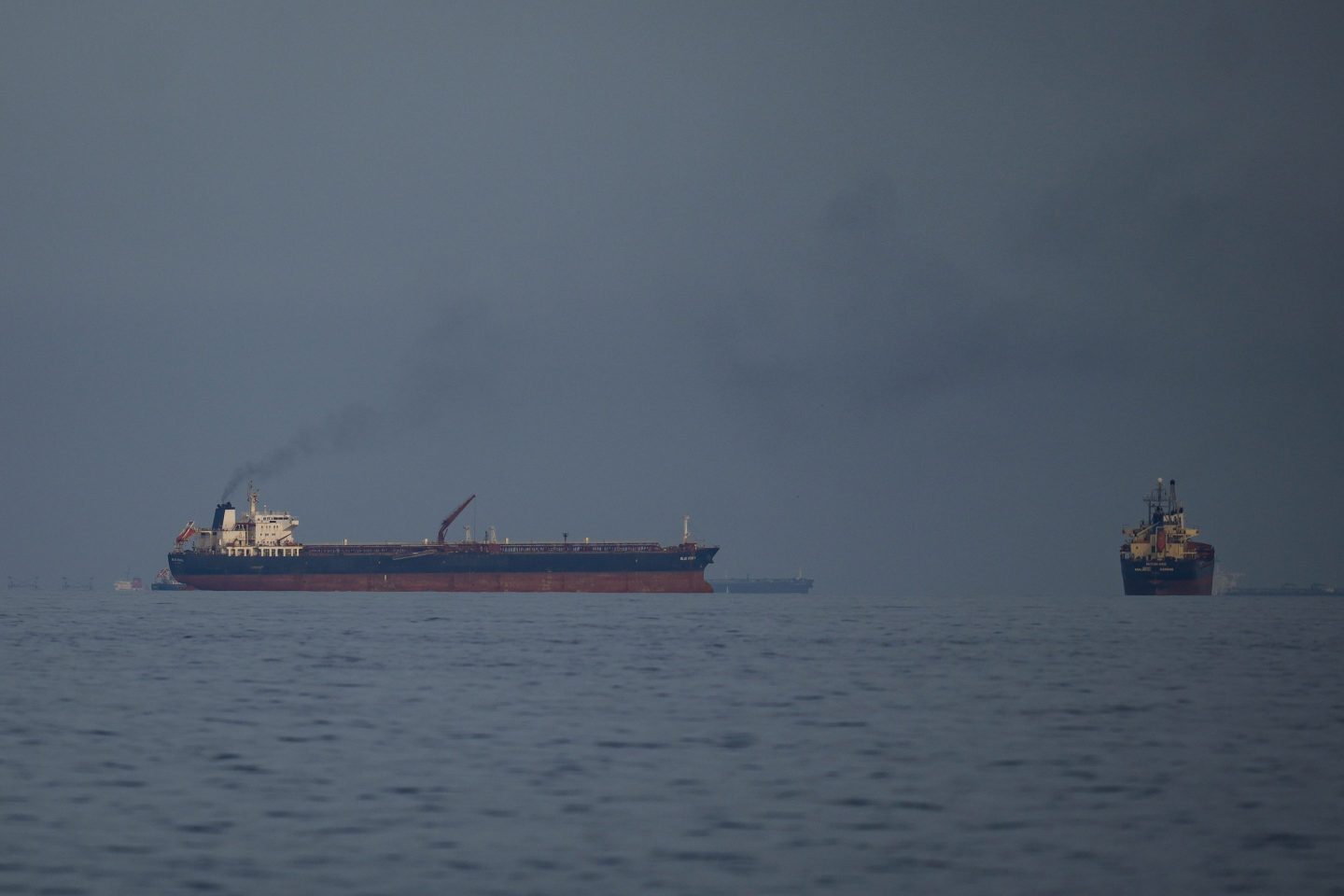



Strait of Hormuz Closure Triggers 20-30% Shipping Cost Surge | Critical Supply Chain Impact for Cross-Border Sellers
- Oil prices spike to $106/barrel, shipping insurance costs rise 300-400%, multinational escort coalition announced to restore maritime commerce through critical 21% global petroleum chokepoint































Overview
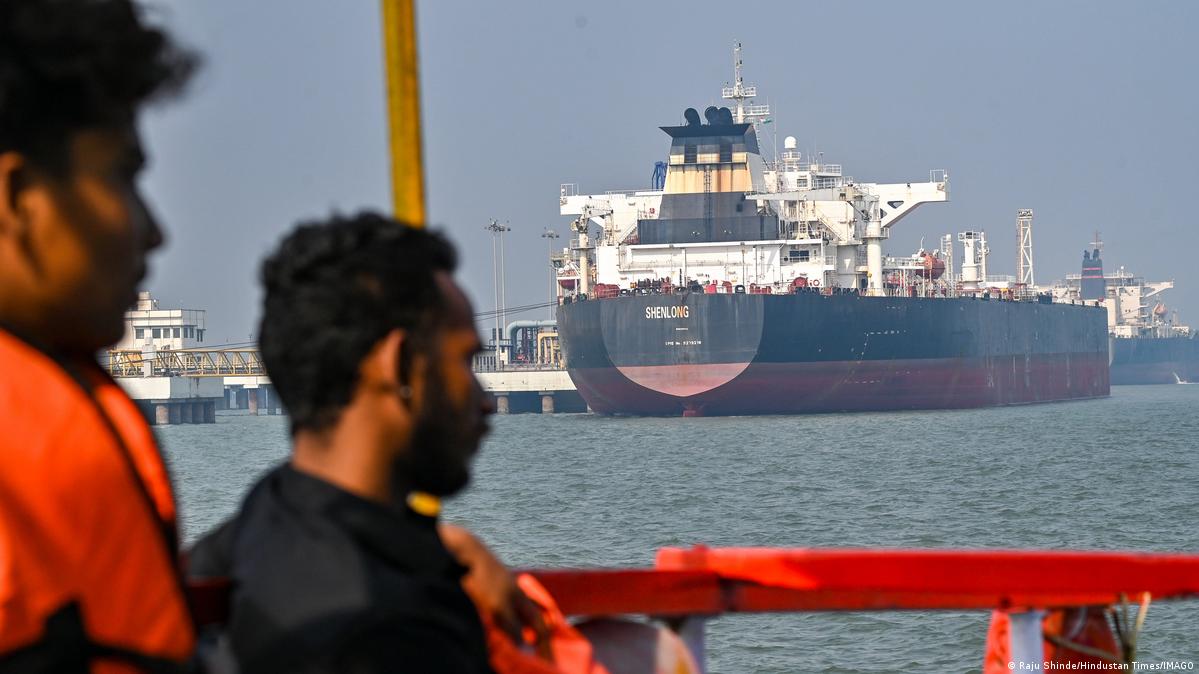
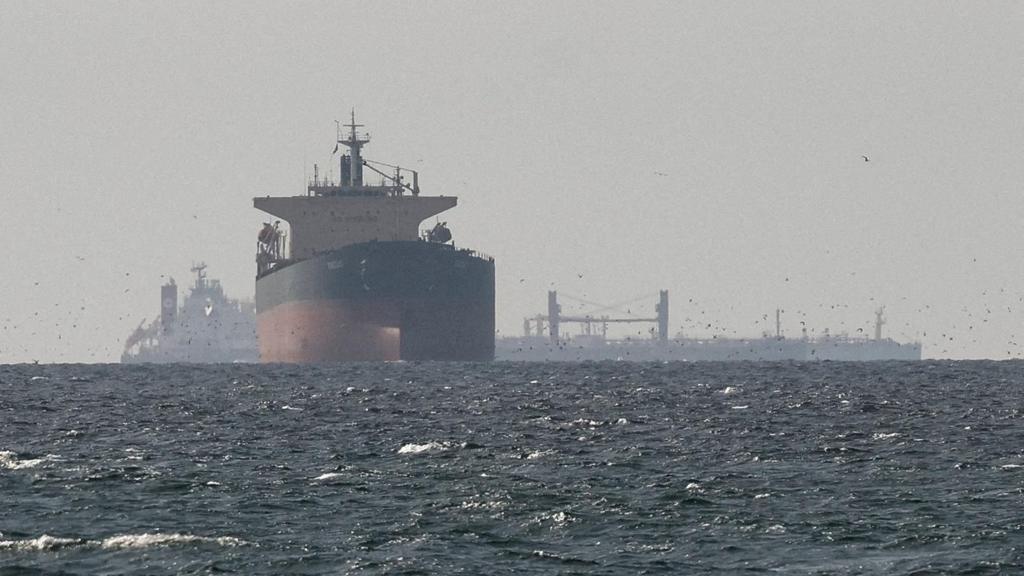
The March 2026 Iran-U.S. military escalation has created an unprecedented supply chain crisis for cross-border e-commerce sellers, with the Strait of Hormuz effectively closed since conflict onset. This critical waterway handles approximately 21% of global seaborne traded petroleum and significant containerized cargo volumes, making its disruption a direct threat to seller profitability and inventory management. Oil prices have surged to their highest levels since July 2022, with Brent crude exceeding $106 per barrel and US crude trading at $101.53, representing a 15-20% increase from pre-conflict levels. Historical precedent from 2019 tanker attacks demonstrates the severity: shipping insurance costs increased 300-400% temporarily, directly translating to 8-15% increases in freight costs for sellers relying on Asia-to-US and Middle East routes.
Immediate Operational Impact: Sellers managing just-in-time inventory models face critical delays. Shipments from the Gulf remain at a standstill due to Iranian threats against vessels transiting the strait, creating unpredictable supply chain timelines. The Trump administration's announcement of a multinational escort coalition—expected within the week—offers potential relief, but implementation timing remains uncertain pending battlefield developments. Sellers importing electronics, textiles, and consumer goods from Asia Pacific markets face 20-30% increases in freight costs, with elevated fuel surcharges affecting all shipping routes globally. Dubai International Airport, a major regional logistics hub handling nearly 90 million travelers annually, temporarily suspended operations following drone-related incidents, further constraining air freight alternatives.
Strategic Sourcing Implications: The conflict creates a 4-12 week window of supply chain vulnerability, during which sellers must reassess sourcing strategies. Products sourced from Vietnam, India, and Southeast Asia face longer transit times via alternative routes (around Africa), increasing costs by 25-35% compared to Strait of Hormuz passage. Sellers with inventory already in transit through the region face potential rerouting costs and insurance premium increases. The Trump administration's executive action to restart the California oil pipeline signals longer-term US energy independence efforts, potentially stabilizing domestic shipping costs within 6-8 weeks but offering no immediate relief. Sellers should monitor the coalition announcement details regarding operational scope, participating nations (UK, GCC members, potential US naval presence), and implementation timelines to assess supply chain impacts and adjust pricing strategies accordingly.
Questions 7
How long will the Strait of Hormuz crisis impact cross-border e-commerce sellers?
The Trump administration expects the conflict to conclude within weeks, but Israel indicated military operations will continue for at least three additional weeks (as of March 15, 2026). Supply chain normalization typically lags conflict resolution by 2-4 weeks as shipping routes reopen and insurance premiums stabilize. Expect 4-8 weeks of elevated freight costs and delivery delays from the March 2026 conflict onset. Oil prices may remain elevated for 6-12 weeks even after conflict resolution, as markets price in geopolitical risk premiums. Sellers should plan inventory replenishment cycles assuming 35-45 day transit times through alternative routes until the escort coalition becomes fully operational. Monitor daily news updates and official government announcements for coalition operational status and conflict developments.
How should sellers adjust pricing strategies during the Strait of Hormuz crisis?
Implement tiered pricing increases: 5-8% for products with 25%+ margins, 8-12% for standard margin products (15-25%), and 12-15% for low-margin categories (under 15%). Communicate transparently with customers about supply chain impacts through product listings and FAQ sections. Monitor competitor pricing on Amazon, eBay, and Shopify to avoid losing Buy Box position on Amazon FBA. For Shopify sellers, use dynamic pricing tools to adjust prices based on real-time freight costs. Consider offering expedited shipping alternatives at premium prices ($15-25 surcharge) to customers willing to pay for faster delivery via air freight. Avoid aggressive price increases that trigger customer complaints or negative reviews; instead, emphasize supply chain transparency and temporary pricing adjustments.