






College Football's Strategic Transformation: The 12-Team Playoff Revolution
- Unprecedented Playoff Expansion Reshapes Competitive Dynamics for Teams and Coaches






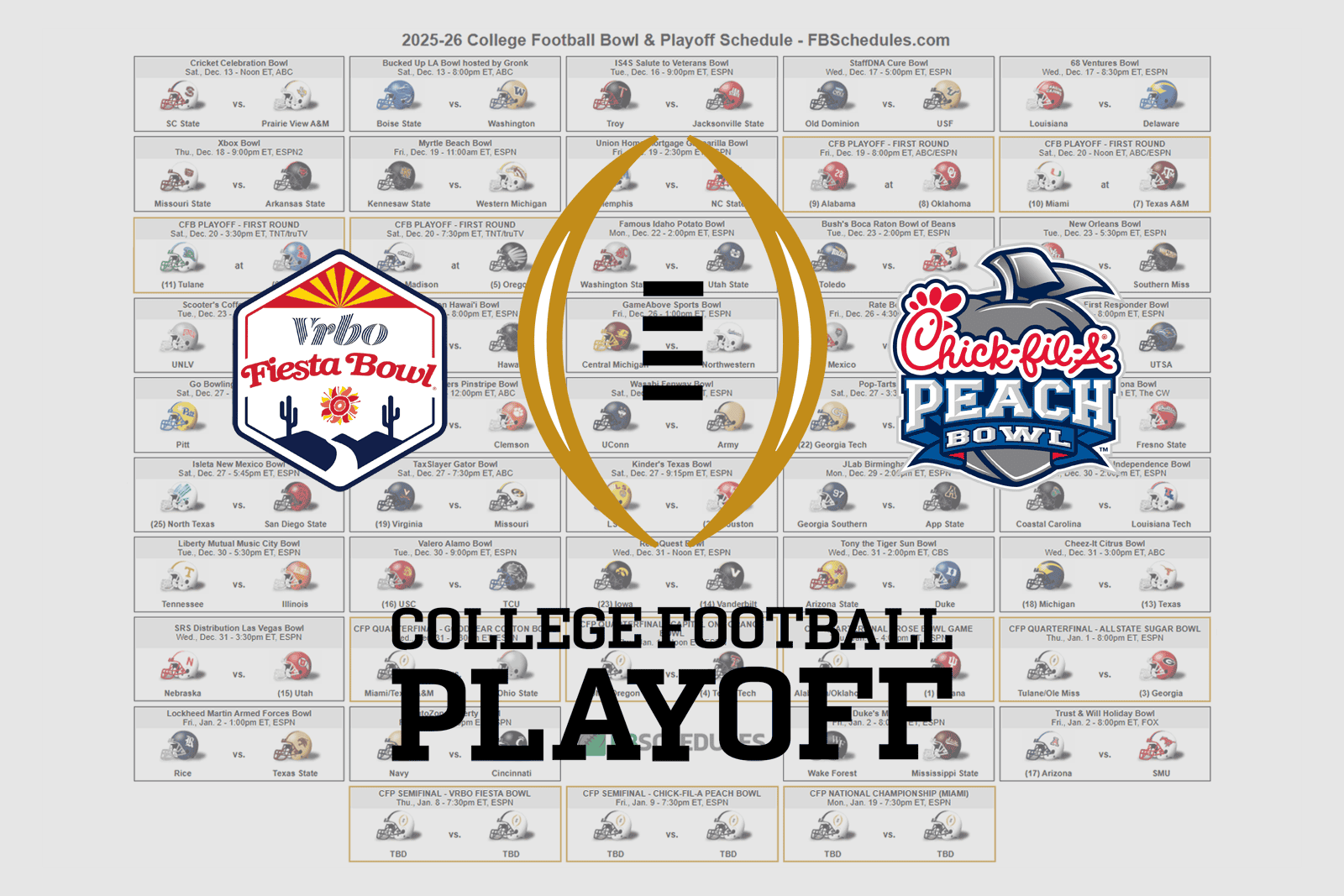









Overview
The 2025-26 College Football Playoff represents a pivotal moment of structural transformation in collegiate athletics, signaling a profound shift in competitive strategy and team dynamics. With the introduction of a 12-team playoff format, the landscape of college football is experiencing a fundamental recalibration that extends far beyond traditional tournament structures.
The new playoff system fundamentally disrupts historical selection processes by expanding opportunities for teams previously marginalized in the four-team format. Notable matchups like Alabama vs. Oklahoma and Miami vs. Texas A&M highlight the strategic complexity emerging from this expanded tournament. These first-round games are not merely competitions but complex chess matches involving coaching transitions, team momentum, and high-stakes performance under unprecedented pressure.
What makes this transformation particularly fascinating is the decentralized hosting model, where higher-seeded teams host first-round games. This approach introduces geographic and logistical variables that dramatically alter traditional playoff dynamics. Teams like Tulane and James Madison - newcomers to this expanded playoff environment - represent the democratizing potential of the new format, challenging established power structures in collegiate athletics.
The playoff's structure reveals deeper trends in competitive strategy: coaching adaptability becomes paramount, with teams like Ole Miss navigating leadership transitions and new coaches like Pete Golding making critical debut performances. The emphasis on quarterback performance, defensive strategies, and team momentum underscores a more holistic approach to team evaluation and selection.
Critically, this expansion signals a broader recognition that merit and potential matter more than historical reputation. By creating more pathways to national prominence, the 12-team format transforms the collegiate football ecosystem, offering unprecedented opportunities for emerging programs to challenge traditional powerhouses and redefine competitive narratives.
Questions 3
What are the long-term implications of this playoff expansion?
The 12-team format will likely reshape recruiting strategies, team development approaches, and how athletic programs conceptualize success. It creates more competitive opportunities, potentially redistributing talent and challenging existing power structures in collegiate football.
What strategic challenges do coaches face in this new playoff environment?
Coaches must now navigate more complex tournament dynamics, including hosting first-round games, managing team momentum across multiple high-stakes matches, and adapting strategies for a more unpredictable competitive landscape. Leadership transitions and quarterback performance become even more critical.