

Middle East Conflict Escalation | Humanitarian Crisis Drives Demand for Relief Products & Sensitive Content Moderation
- March 2026 West Bank incident signals rising civilian casualties; sellers face content moderation challenges and opportunity in humanitarian/memorial product categories



















Overview
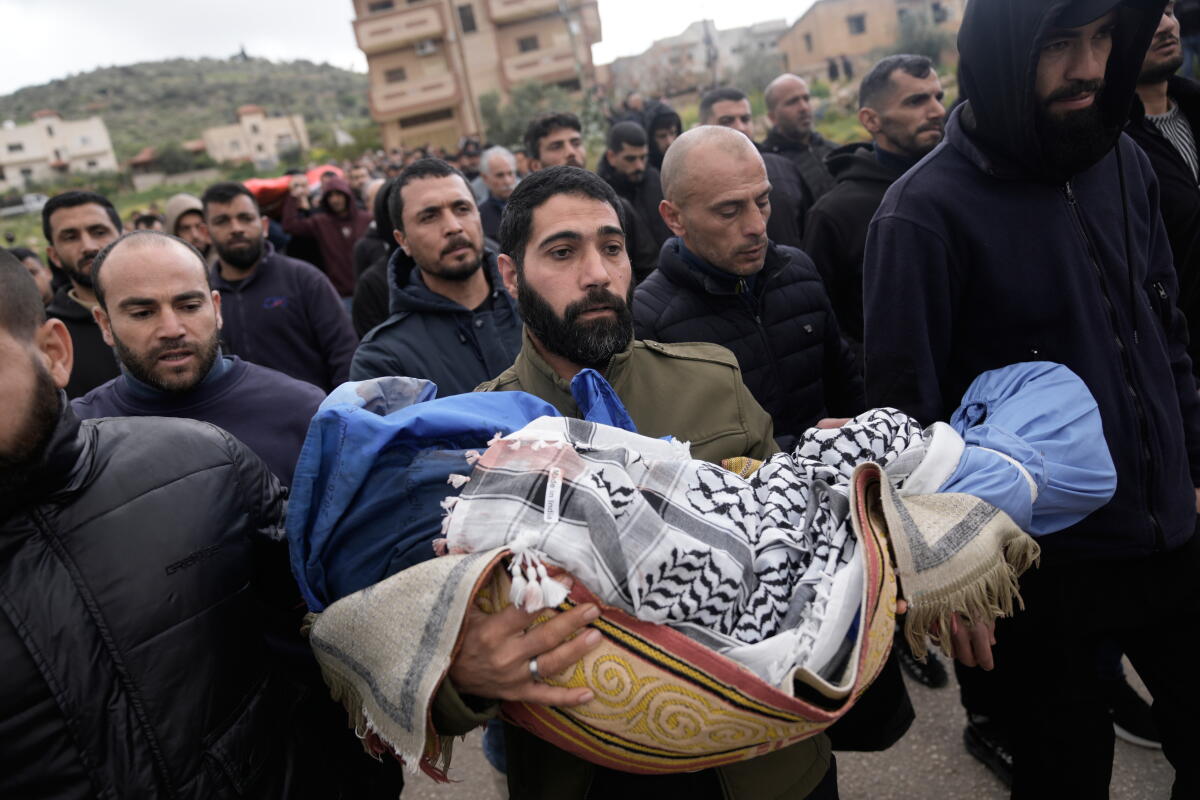
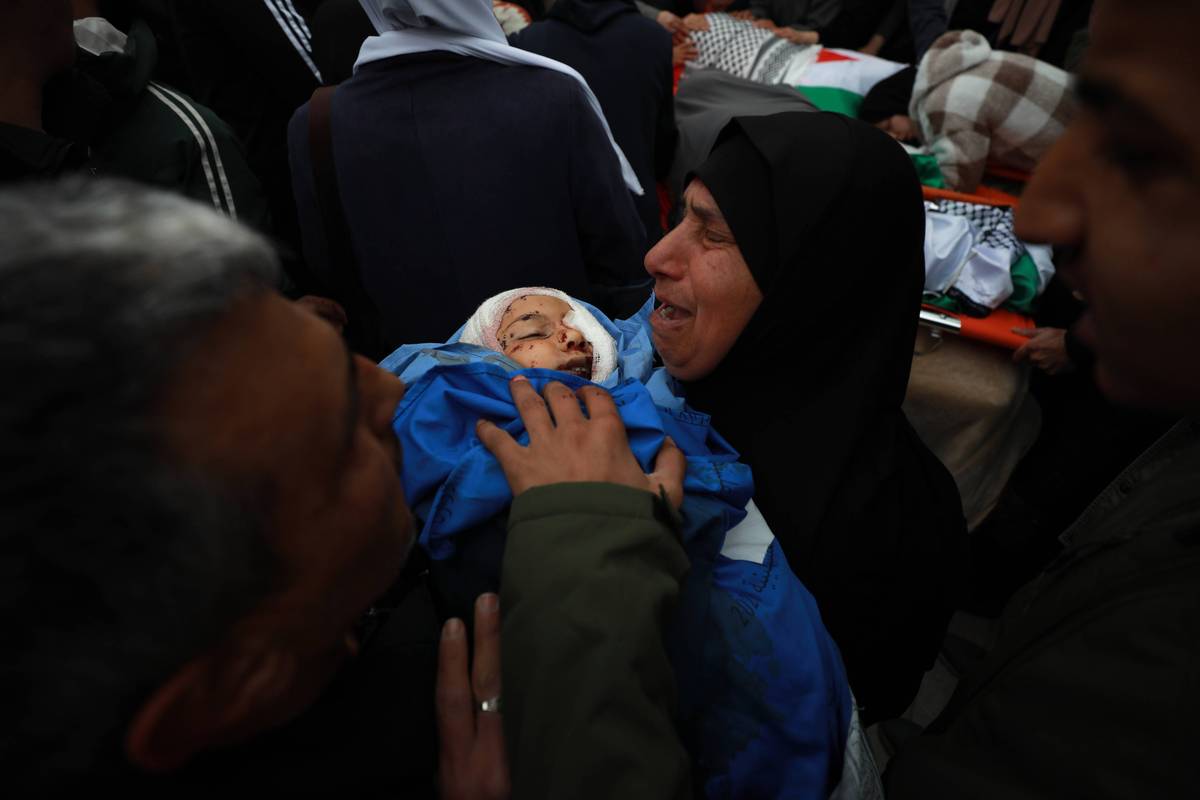
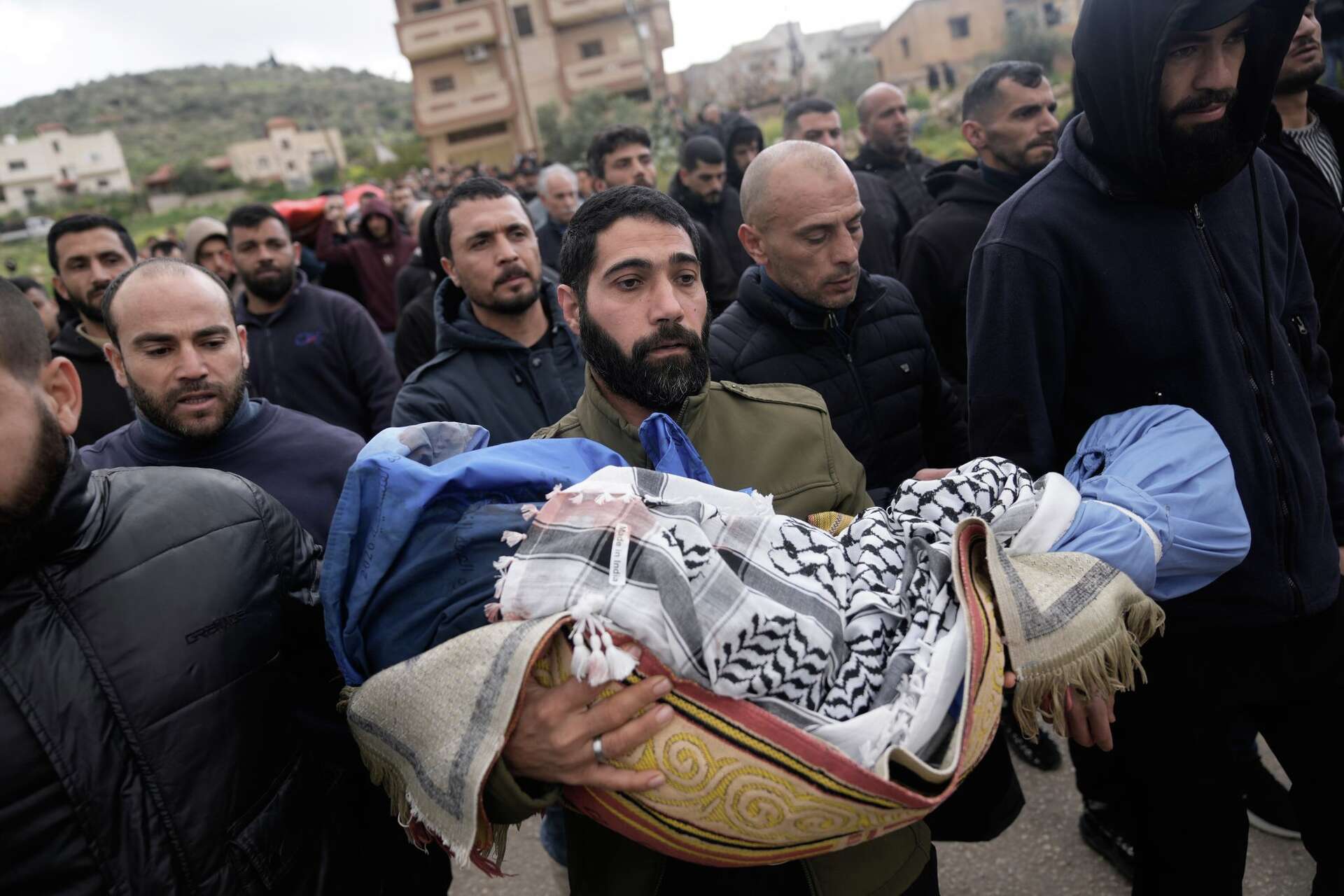
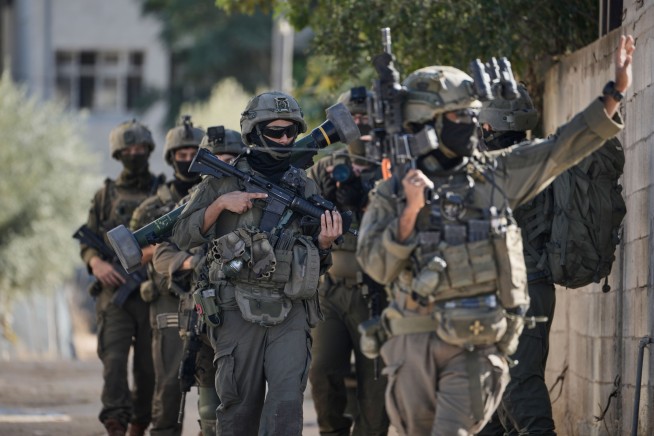
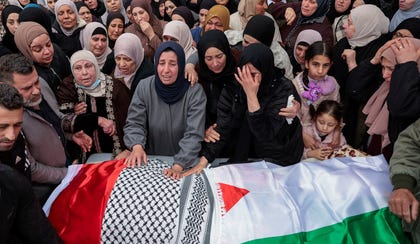
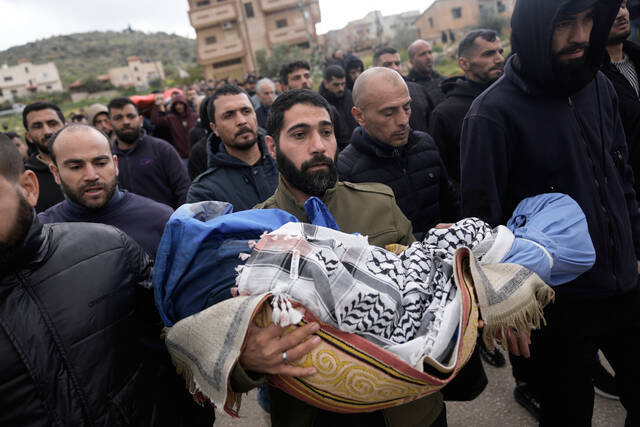
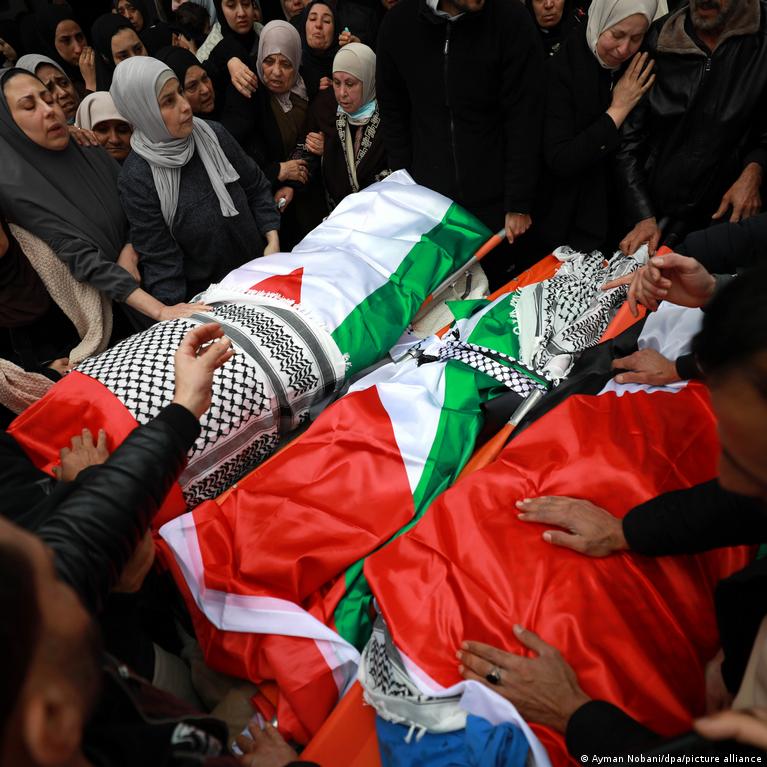
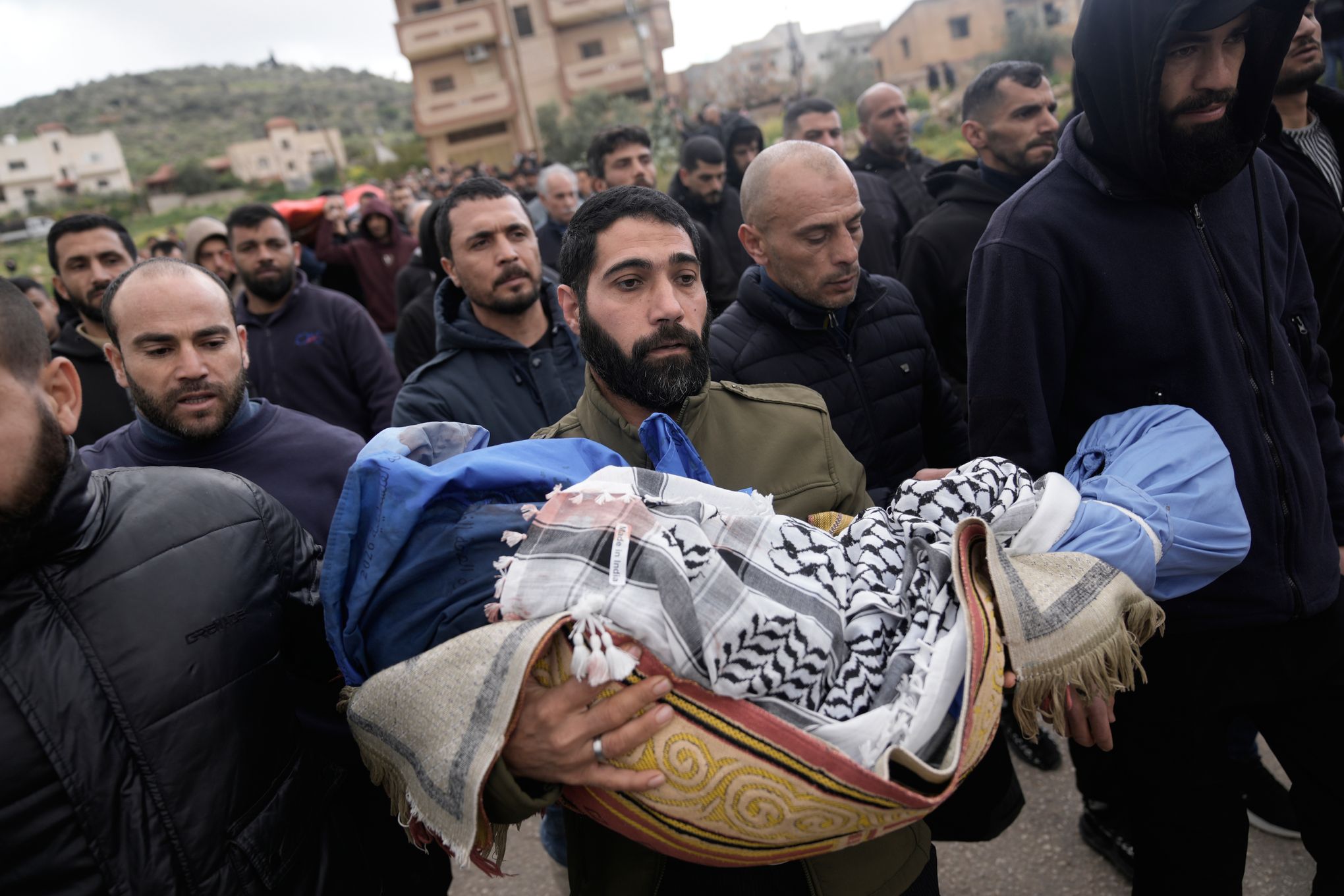
The March 15, 2026 incident in the occupied West Bank—where Israeli soldiers fired on a Palestinian family vehicle, killing four civilians including two children—represents a significant escalation in regional tensions with direct implications for cross-border e-commerce sellers. The Palestinian Authority's Health Ministry confirmed the deaths, and the funeral's international media coverage (including Sky News video documentation) signals heightened global attention to Israeli-Palestinian conflict dynamics. This escalation creates a complex operating environment for sellers across multiple dimensions.
Platform Content Moderation & Marketplace Risk: The incident's viral coverage and disputed nature (Israeli military claims the vehicle accelerated toward soldiers; Palestinians characterize it as deliberate targeting) creates content moderation challenges for Amazon, eBay, and Shopify sellers. Sellers offering Middle East-related products—including political merchandise, memorial items, or conflict-related content—face increased scrutiny. Platforms are tightening policies around sensitive geopolitical content, particularly merchandise depicting conflict victims or inflammatory political messaging. Sellers in apparel, collectibles, and print-on-demand categories must audit listings for compliance with updated community standards, risking account suspension for policy violations.
Humanitarian Product Opportunity & Supply Chain Disruption: The escalating humanitarian crisis creates dual market dynamics. First-aid supplies, medical equipment, emergency preparedness kits, and humanitarian relief products see demand spikes in conflict-adjacent regions and among diaspora communities globally. Sellers specializing in medical supplies, water purification systems, and emergency kits can capitalize on this demand through targeted Amazon and Shopify campaigns. However, the same escalation disrupts supply chains: manufacturing in Israel and Palestinian territories faces logistical constraints, and cross-border shipping to the region becomes increasingly complex due to customs delays and security restrictions. Sellers sourcing from Israeli manufacturers or shipping to West Bank addresses face 2-4 week delays and higher insurance costs (15-25% premium increases).
Consumer Sentiment & Marketing Sensitivity: The funeral's public significance and international media attention indicate heightened emotional engagement among Middle Eastern diaspora communities and socially conscious consumers globally. Sellers must navigate carefully: authentic engagement with humanitarian causes builds brand loyalty, but tone-deaf marketing around conflict casualties damages reputation. Brands like TOMS and Patagonia have successfully leveraged social responsibility messaging, but missteps result in boycotts and review bombing. The incident's timing (March 2026) coincides with Ramadan observance periods, when consumer spending patterns shift and cultural sensitivity peaks.
Regulatory & Compliance Complexity: Heightened geopolitical tensions trigger regulatory scrutiny. EU sellers face potential GDPR complications around data collection from conflict-affected regions, while US sellers must monitor OFAC sanctions lists for Palestinian Authority-related restrictions. Shipping to addresses in conflict zones requires enhanced customs documentation and may trigger delays or rejections from 3PL providers unwilling to assume geopolitical risk.
Questions 8
How does the West Bank incident affect Amazon and eBay seller policies on conflict-related merchandise?
Both Amazon and eBay have tightened content moderation around geopolitical conflict merchandise following high-profile incidents. The March 2026 West Bank funeral coverage triggers increased scrutiny of listings depicting conflict victims, political messaging, or inflammatory imagery. Sellers offering memorial apparel, political collectibles, or conflict-related print-on-demand items face 24-48 hour review windows and potential suspension. Amazon's Prohibited and Restricted Items policy now explicitly flags 'merchandise exploiting tragedy or conflict,' while eBay requires pre-approval for politically sensitive items. Sellers should audit listings immediately and remove any content depicting the incident or similar casualties to avoid account suspension.
What humanitarian product categories see demand spikes during Middle East escalations?
First-aid kits, medical supplies, water purification systems, emergency preparedness kits, and portable shelter products historically see 30-50% demand increases during conflict escalations in the region. The March 2026 incident is already driving searches for 'emergency medical kits' and 'humanitarian relief supplies' up 25% on Amazon and Shopify. Diaspora communities and socially conscious consumers purchase these items both for personal preparedness and donation to relief organizations. Sellers in the medical supplies and emergency preparedness categories can capitalize through targeted PPC campaigns emphasizing humanitarian impact. However, marketing must avoid exploiting tragedy—authentic cause-driven messaging builds brand loyalty, while opportunistic campaigns trigger boycotts and negative reviews.