




Oil Price Volatility & Logistics Costs | Cross-Border Seller Impact 2026
- Shipping costs rise 8-15% as crude climbs to $96.83/barrel; SME sellers face margin compression while financing tightens amid private-credit turmoil













Overview
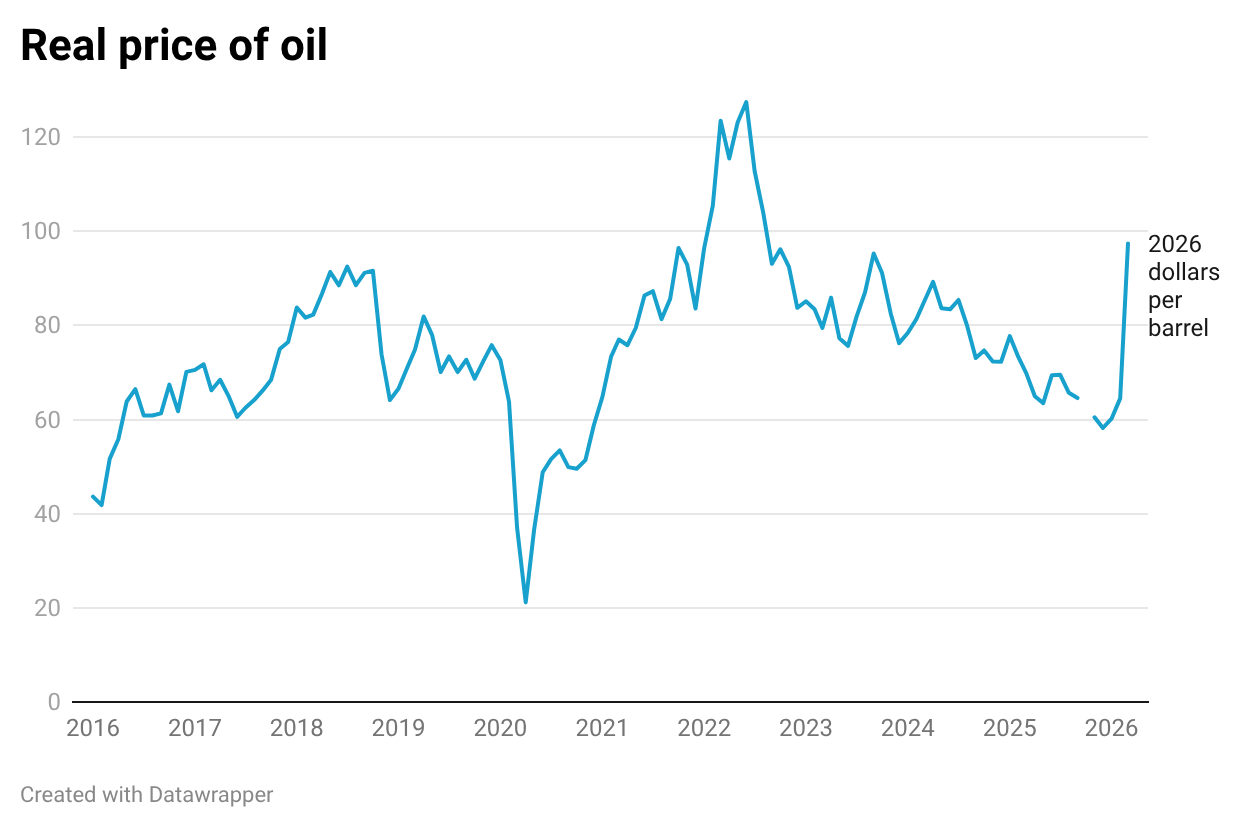
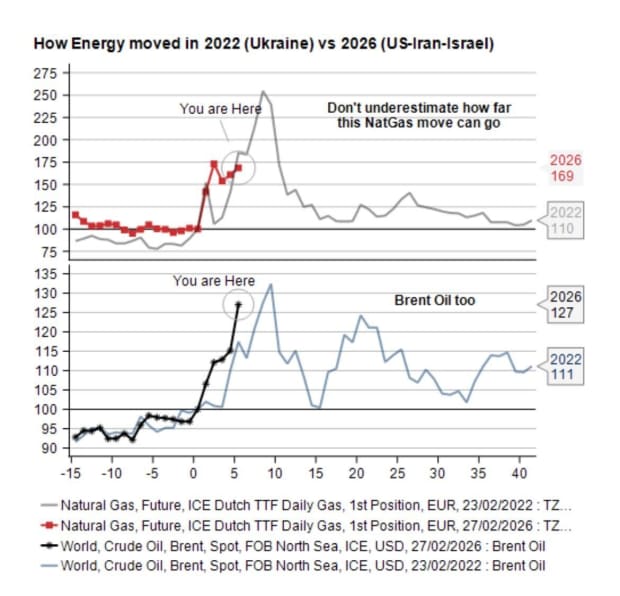
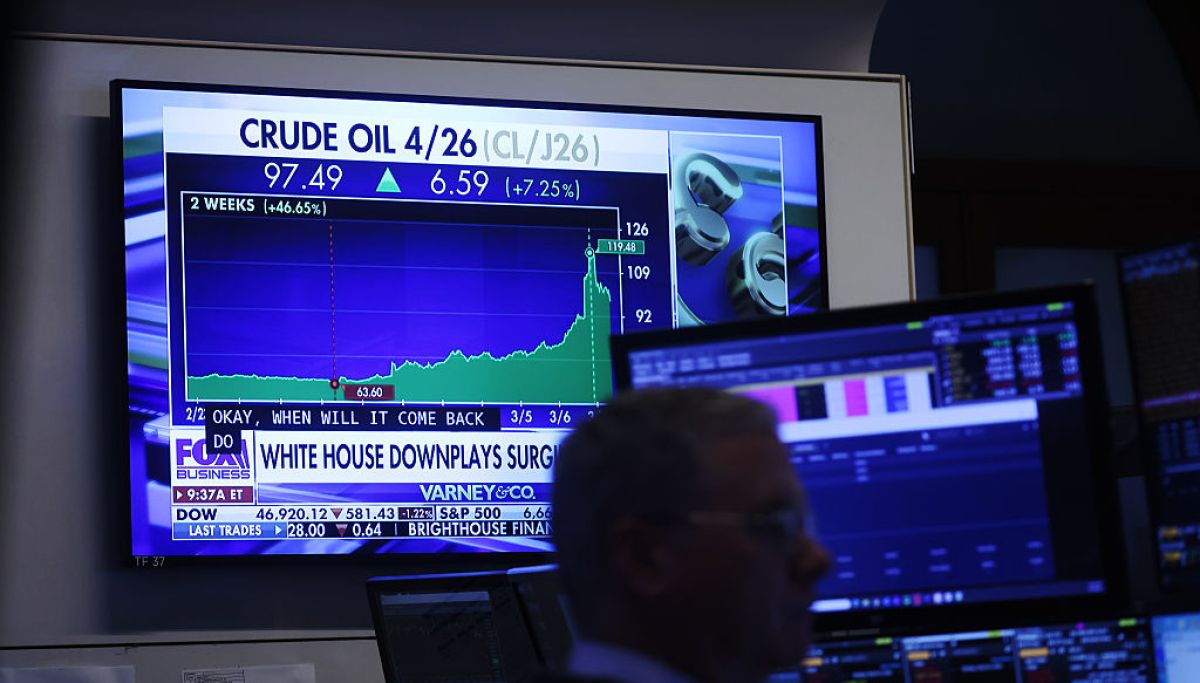
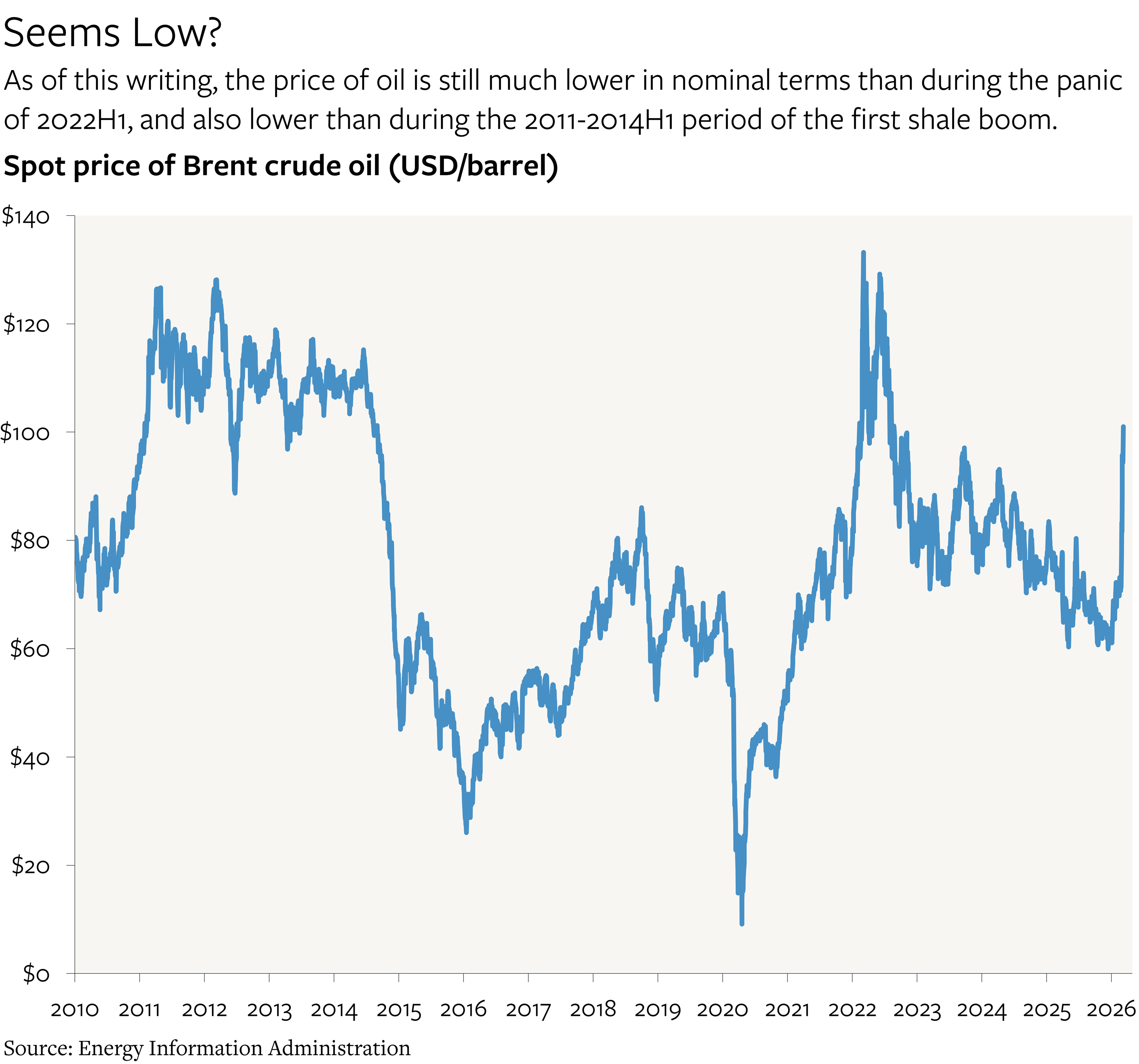
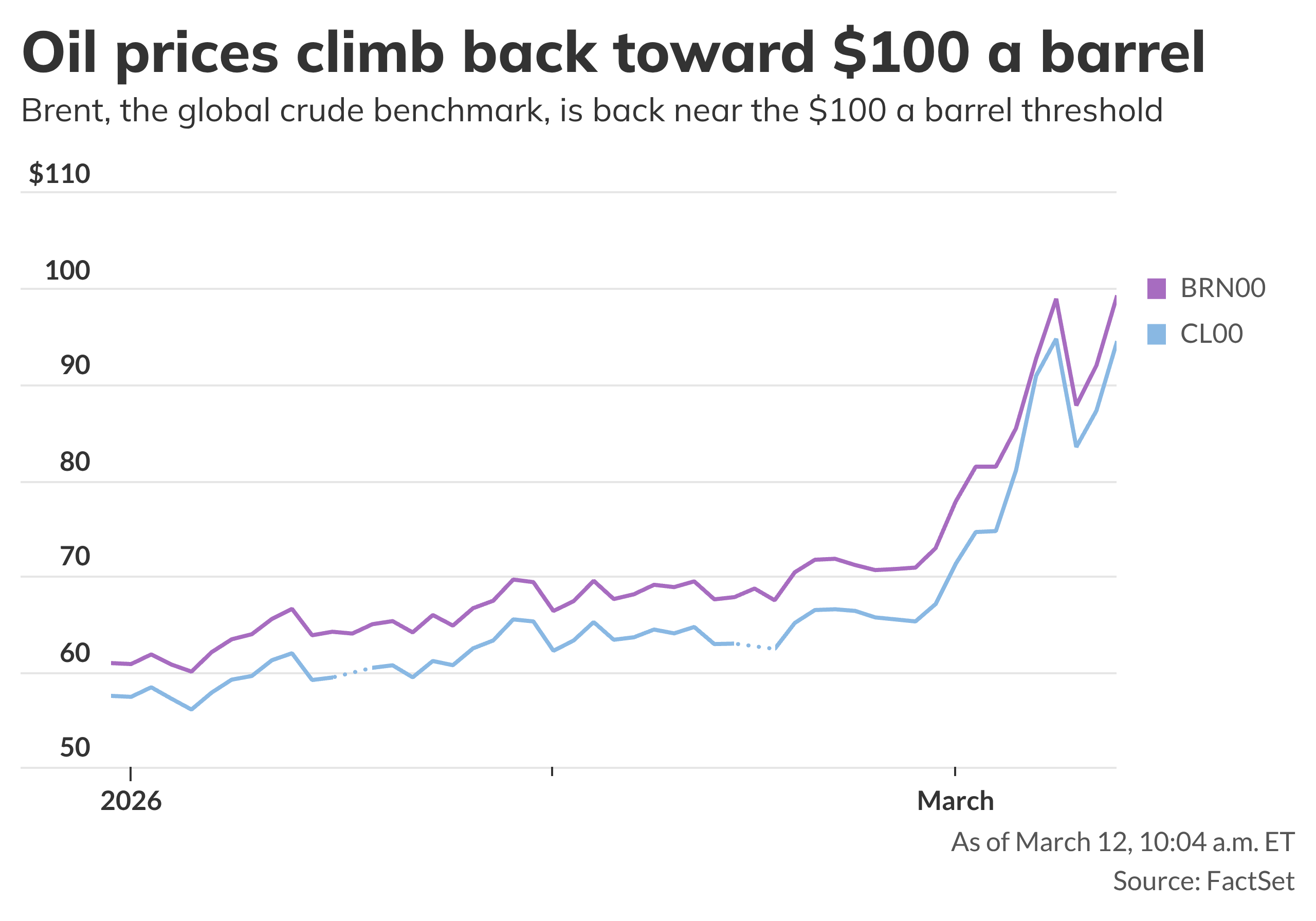
Geopolitical tensions between the U.S., Israel, and Iran have triggered significant crude oil volatility, with West Texas Intermediate crude surging from $67.02 to $96.83 per barrel (44% increase) between late February and mid-March 2026. This represents a critical operational challenge for cross-border e-commerce sellers, as shipping and logistics represent 15-25% of total fulfillment costs for most SME sellers. The International Energy Agency's release of 400 million barrels from strategic reserves signals temporary price stabilization efforts, but industry analyst Brett Arends (MarketWatch, March 14, 2026) projects oil will stabilize in the $80-95 range rather than spike to $150, suggesting sustained elevated costs rather than catastrophic pricing.
For cross-border sellers, the immediate impact manifests across three operational vectors. First, FBA shipping costs are rising 8-15% depending on weight and destination zone—a seller shipping 1,000 units monthly via FBA can expect additional costs of $400-800/month. Second, 3PL and international logistics providers are implementing fuel surcharges of 3-5%, directly compressing margins on products with <20% gross profit margins (electronics, apparel, home goods). Third, the 11.2% decline in S&P 500 financials sector and private-credit fund redemptions are constraining working capital availability for SME sellers who rely on short-term financing for inventory purchases. Sellers with existing credit lines may face higher interest rates (50-150 basis points) as lenders reduce risk exposure.
Strategic sourcing dynamics are shifting as a result of sustained fuel costs. Sellers currently sourcing from China face higher air freight premiums, making Vietnam, India, and Mexico increasingly competitive for categories like electronics accessories, textiles, and small appliances. The Trump administration's stated intention to reduce oil prices through Navy escort operations in the Strait of Hormuz and allowing Russian oil into Western markets suggests a 3-6 month window before potential price relief—creating a critical decision point for Q2 2026 inventory purchases. Sellers should evaluate whether to lock in current pricing or delay purchases betting on Q3 price normalization.
Immediate Actions (0-30 days): Audit current 3PL contracts for fuel surcharge clauses and renegotiate terms before April 2026 rate adjustments. Review FBA inventory levels and consider shifting 15-20% of fast-moving inventory to Fulfillment by Merchant (FBM) for lower-cost categories where customer expectations permit. Monitor private-credit market conditions—if your business relies on inventory financing, secure credit lines before April 2026 when lenders may tighten terms. Strategic Adjustments (1-6 months): Evaluate sourcing diversification away from China for categories where Vietnam/India offer 5-8% cost advantages. Consider dynamic pricing strategies that pass 3-5% fuel surcharge costs to customers in real-time rather than absorbing margin compression. Risk Mitigation: Track oil prices weekly via EIA data; establish trigger points for pricing adjustments (e.g., if WTI exceeds $100, implement 4% price increase). Monitor IEA strategic reserve releases—additional 200M+ barrel releases could accelerate price normalization to $75-80 range by Q3 2026.
Questions 7
What is the timeline for oil price stabilization and cost relief?
Industry analyst Brett Arends projects oil will stabilize in the $80-95 range rather than spike to $150, with the Trump administration pursuing Navy escort operations and Russian oil market access to reduce prices. The International Energy Agency's 400 million barrel strategic reserve release provides temporary stabilization. A realistic timeline for meaningful price relief is Q3 2026 (3-6 months), creating a critical decision point for Q2 inventory purchases. If you can delay purchases until June-July, you may capture 5-10% cost savings; if you need inventory now, lock in current pricing and plan for margin compression.
How can I pass fuel surcharge costs to customers without losing sales?
Implement dynamic pricing strategies that adjust prices in real-time based on fuel costs—adding 3-5% surcharges when WTI exceeds $95/barrel. Transparent communication is critical: clearly label fuel surcharges in product listings and checkout pages so customers understand the cost driver. Test price elasticity by category: electronics and apparel typically absorb 2-3% increases, while home goods and bulky items can support 4-5% increases. Use Amazon's dynamic pricing tools or third-party software (Repricing Central, SellerActive) to automate adjustments. Monitor competitor pricing to ensure you're not losing Buy Box position due to aggressive surcharges.