


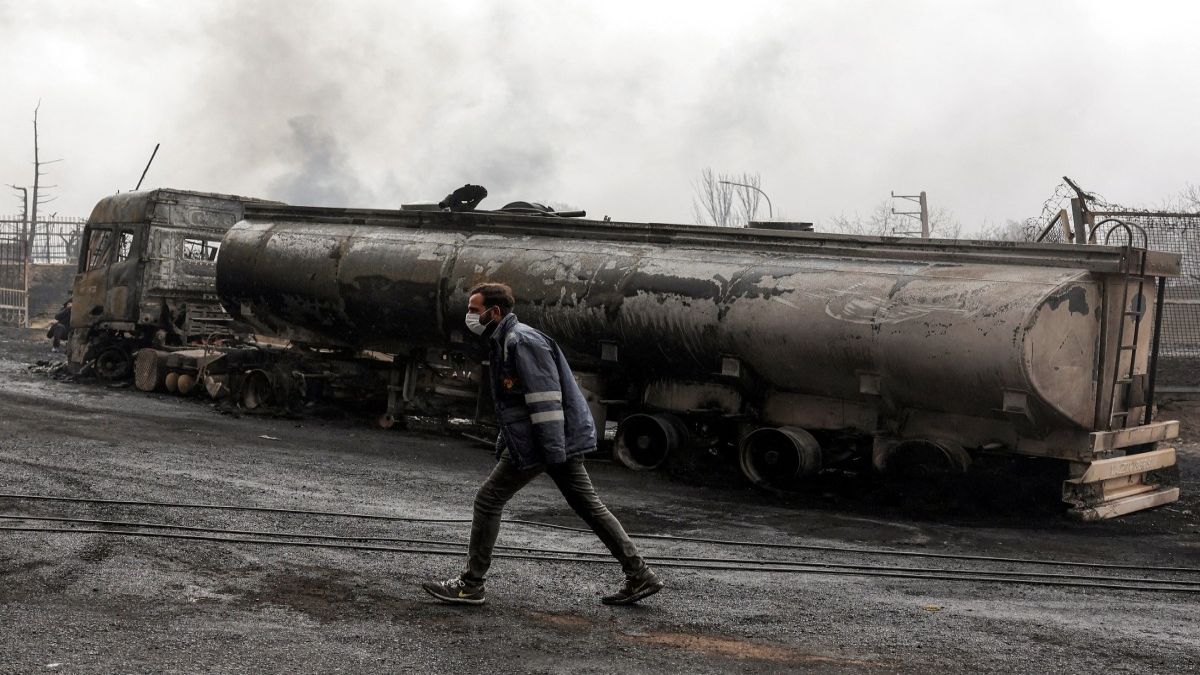
)
Strait of Hormuz Blockade Disrupts Global Supply Chains | Seller Logistics Crisis
- Shipping costs surge 15-25% for Asia-sourced inventory; 20% of global oil transit blocked; sellers face 3-6 week delays and higher insurance premiums
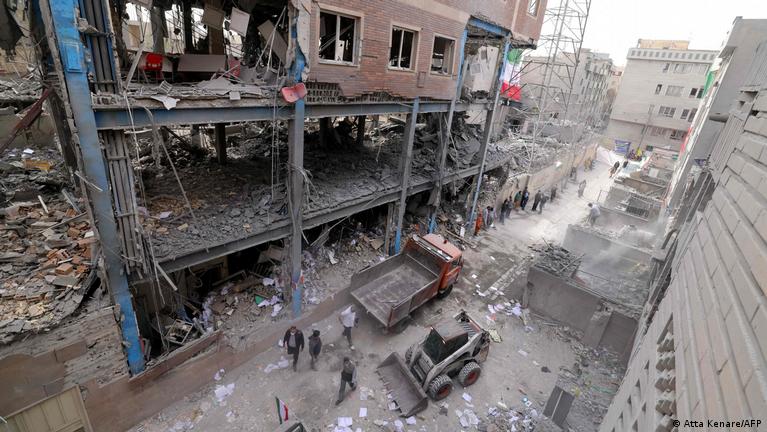




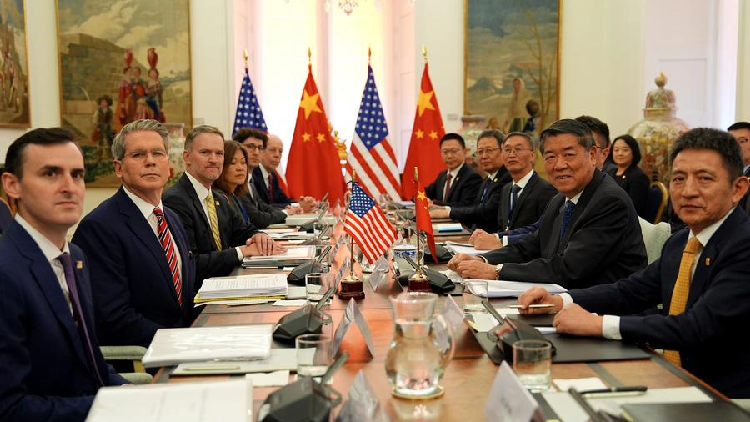
)






Overview
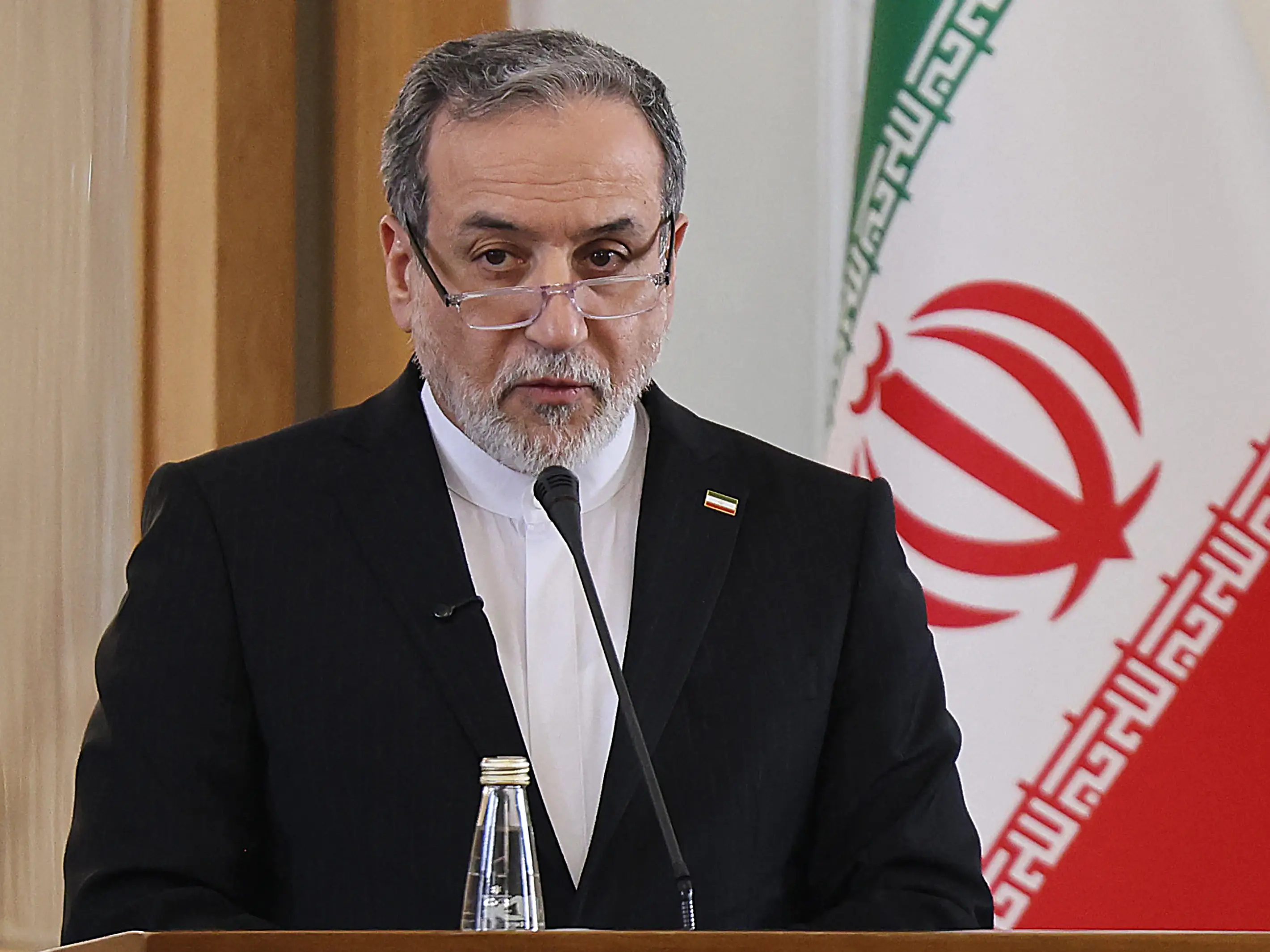
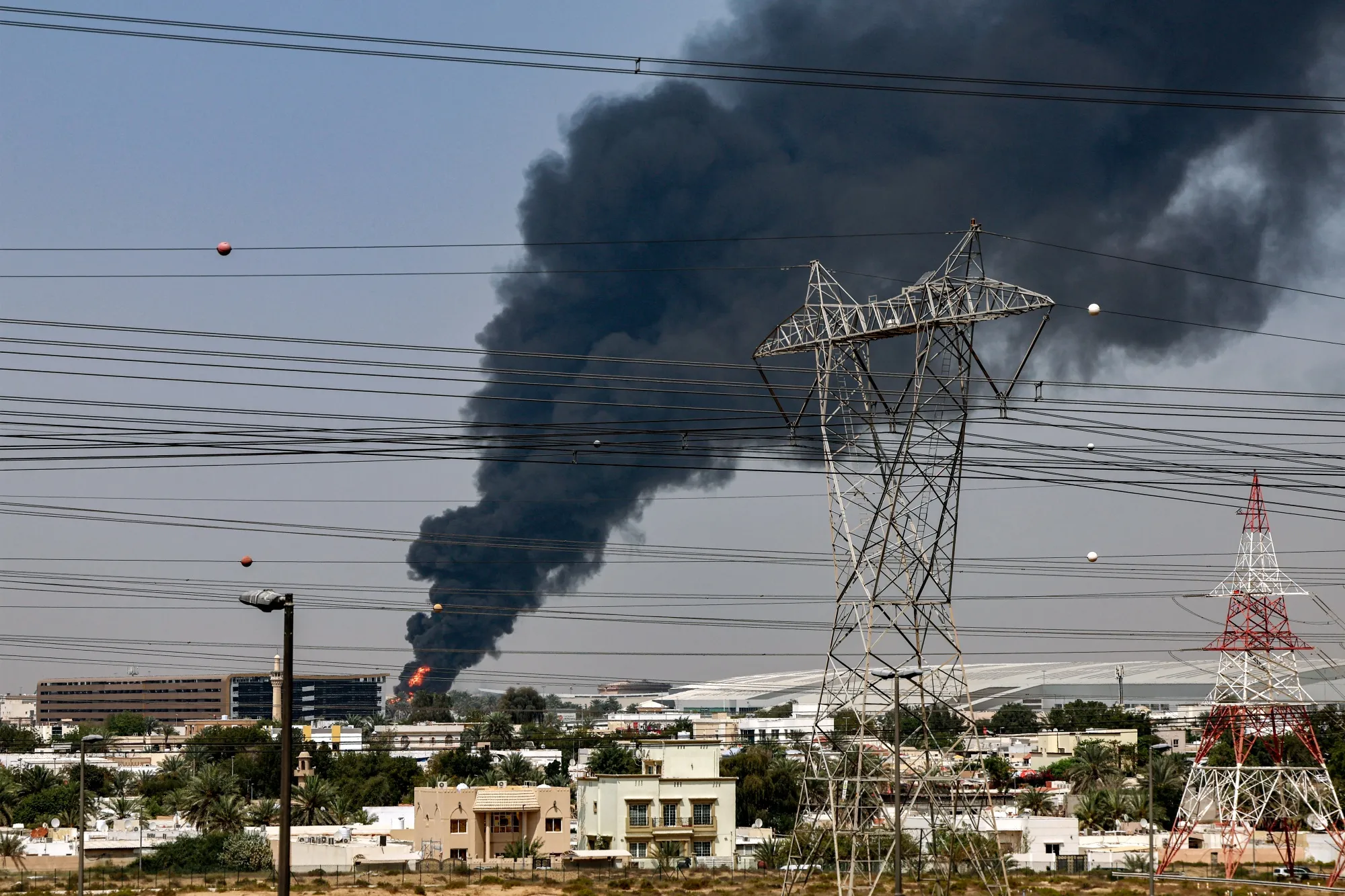
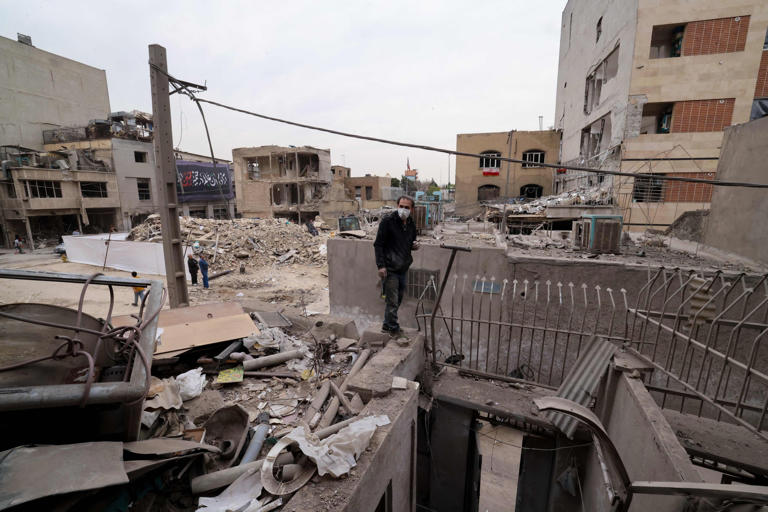
The March 2026 Iranian blockade of the Strait of Hormuz—through which 20% of global oil and one-third of maritime oil trade flows daily—represents a critical supply chain disruption for cross-border e-commerce sellers. Iran's asymmetric economic warfare strategy, targeting the chokepoint with less sophisticated weaponry while absorbing conventional military losses, has created unprecedented logistics challenges affecting sellers globally. This geopolitical tension directly impacts three core seller operational areas: freight costs, inventory replenishment timelines, and working capital requirements.
Immediate Cost Pressures: Oil price volatility from reduced Hormuz shipments translates directly into fuel surcharges on international freight. Sellers relying on air freight from Asia face 15-25% cost increases, while ocean freight through alternative routes (around Africa) adds 2-4 weeks to transit times. Shipping insurance premiums typically rise 20-40% during regional conflicts, compounding logistics expenses. For a seller shipping 500 units monthly via air freight at $8-12 per unit, this represents an additional $600-1,500 monthly cost burden. Sellers dependent on just-in-time inventory models face particular vulnerability, as supply chain delays force higher inventory reserves and increased working capital requirements.
Market-Specific Impacts: Sellers sourcing from Asia (China, Vietnam, India, Bangladesh) face the most acute disruption, as products must navigate either the blocked Hormuz route or expensive alternatives. Electronics, apparel, and consumer goods categories—which generate 60% of cross-border e-commerce volume—are most affected. The blockade threatens inventory replenishment cycles for Q2-Q3 peak seasons, forcing sellers to either accept delayed inventory or absorb premium shipping costs. Additionally, economic uncertainty from potential broader regional escalation may reduce consumer spending in affected markets, particularly in Middle East and North Africa regions, impacting demand for discretionary cross-border goods.
Strategic Sourcing Implications: This crisis accelerates existing trends toward supply chain diversification. Sellers previously concentrated in China-to-US routes face competitive disadvantages versus those with established Vietnam, India, or Mexico sourcing. The blockade creates a 60-90 day window where sellers with alternative logistics networks gain significant competitive advantages. Companies with 3PL partnerships in Southeast Asia or nearshoring capabilities can capture market share from competitors facing extended lead times. The geopolitical risk premium on Hormuz-dependent routes may persist for 6-12 months, fundamentally reshaping sourcing economics.
Questions 8
Which product categories face the most supply chain disruption?
Electronics, apparel, and consumer goods categories—representing 60% of cross-border e-commerce volume—face the most acute disruption since they rely heavily on Asia sourcing. Products with long lead times (furniture, machinery, industrial goods) are particularly vulnerable to the 2-4 week delays from alternative routing. Perishable and time-sensitive categories (seasonal goods, fashion) face inventory obsolescence risks if Q2-Q3 shipments are delayed. Conversely, sellers with nearshoring capabilities (Mexico, Central America) or established Vietnam/India sourcing gain competitive advantages. Evaluate your top 20 SKUs by volume and identify which face Hormuz-dependent supply chains; prioritize diversification for high-velocity items.
Should I shift sourcing away from China due to the Hormuz blockade?
The blockade creates a 60-90 day competitive window favoring sellers with alternative sourcing networks. Vietnam, India, and Bangladesh offer 10-20% cost advantages over China for many categories and avoid Hormuz dependency, though they require 4-8 weeks to establish relationships. Mexico and Central America provide nearshoring benefits with 40-50% shorter lead times. Rather than complete China exit, consider a 30-40% reallocation to Vietnam/India for high-velocity SKUs while maintaining China for specialty items. The geopolitical risk premium on Hormuz routes may persist 6-12 months, making diversification economically justified. Evaluate your current sourcing concentration: if >70% comes from China, prioritize Vietnam/India pilots immediately.