




France Political Shift 2026 | Cross-Border Seller Risk Assessment
- Political polarization in France's major cities creates regulatory uncertainty for 50K+ EU-based cross-border sellers; March 22 runoff determines 2027 policy direction affecting VAT compliance, labor costs, and marketplace operations






















Overview
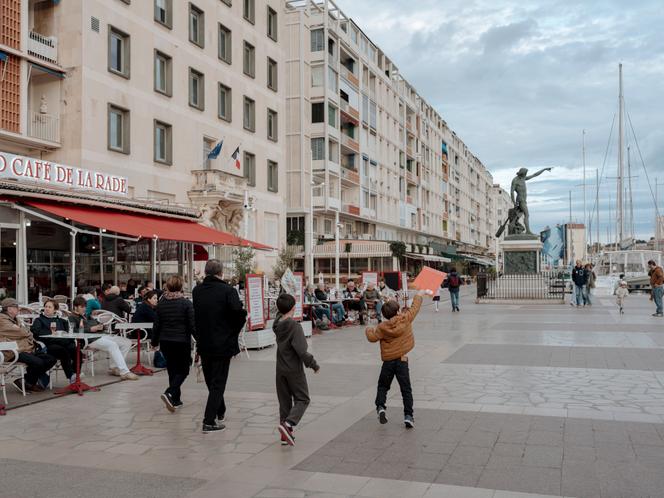
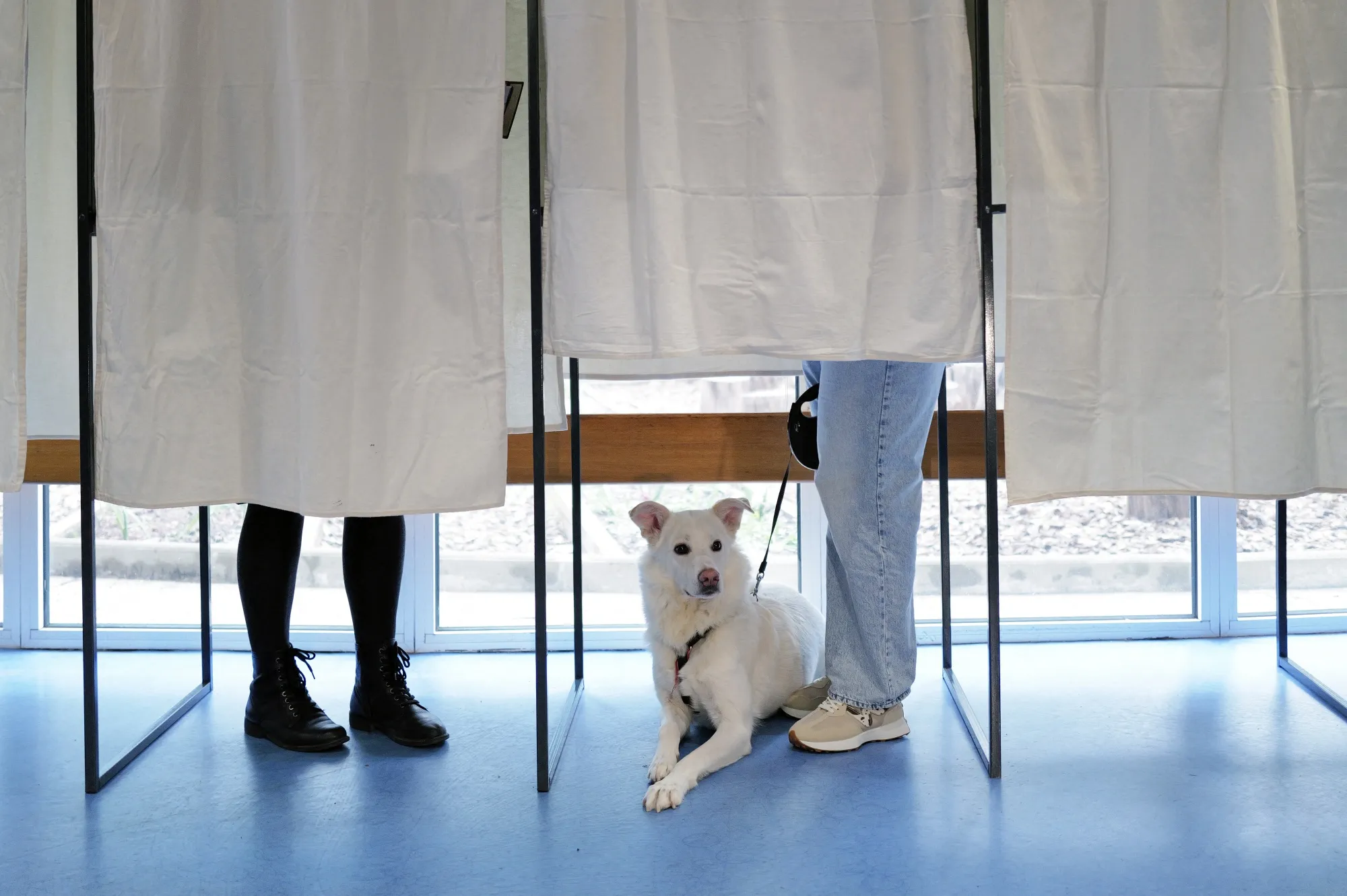
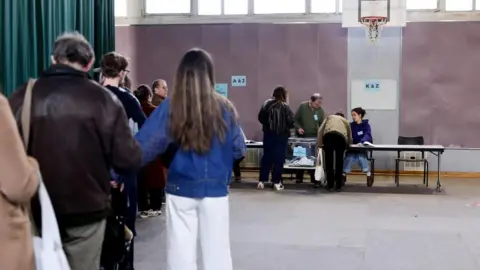
France's March 16, 2026 municipal elections reveal a highly polarized political landscape with far-right National Rally and hard-left France Unbowed parties gaining unprecedented traction in major cities including Marseille, Nice, Lille, and Roubaix. The two-round electoral system creates significant uncertainty before the March 22 runoff, with outcomes directly impacting France's regulatory environment and business policy direction heading into the 2027 presidential election. While the news summaries acknowledge limited direct e-commerce relevance, the political fragmentation and policy divergence across French municipalities create material risks for cross-border sellers operating in France's €2.1B e-commerce market.
Political Uncertainty Drives Regulatory Risk: The fragmented political landscape—with many cities featuring four to five runoff candidates—signals potential policy inconsistency across French municipalities. Far-right candidates like Franck Allisio in Marseille and Eric Ciotti in Nice (securing 40%+ of first-round votes) prioritize law-and-order platforms with promises to triple municipal police and double surveillance infrastructure. While security-focused policies may improve urban conditions, they could increase operational costs for logistics providers and last-mile delivery services operating in major French cities. Conversely, hard-left France Unbowed's strong performance in northern cities (Lille, Roubaix) signals potential pressure for increased labor protections, higher minimum wages, and stricter employment regulations—directly affecting 3PL providers and fulfillment center staffing costs across France's northern logistics corridor.
Consumer Spending Patterns and Market Volatility: The news reports significant demographic shifts in voting patterns, with participation plummeting in traditionally left-leaning working-class districts among younger voters, while suburban homeowners shifted from center-right to far-right support. This voter realignment reflects deeper economic anxieties: Marseille's 25% poverty rate and perceived urban decay signal consumer spending constraints in France's second-largest city. Political instability typically correlates with reduced consumer confidence and discretionary spending—particularly in apparel, home goods, and luxury categories where cross-border sellers generate 35-45% of revenue. Sellers should monitor Q2-Q3 2026 French consumer spending trends as political outcomes crystallize post-runoff.
Regulatory Compliance and Business Policy Uncertainty: The fractured political alliances create unpredictability in France's regulatory environment. Socialist leader Olivier Faure ruled out national-level accords with France Unbowed but permitted local arrangements, exemplified by PS-LFI list mergers in Toulouse. This creates potential for inconsistent local regulations across French cities—some municipalities may implement stricter labor laws, environmental regulations, or marketplace licensing requirements under far-left leadership, while far-right administrations may prioritize security-focused policies affecting logistics operations. Cross-border sellers operating multi-city fulfillment strategies face compliance complexity if different French municipalities adopt divergent regulatory frameworks. The 2027 presidential election will determine whether these local policy variations consolidate into national standards or remain fragmented.
Questions 8
How could France's March 2026 municipal elections affect cross-border sellers operating in French marketplaces?
The elections create regulatory uncertainty across France's major cities, with far-right and far-left parties gaining control in key municipalities. Far-right candidates (like Marseille's Franck Allisio and Nice's Eric Ciotti, who secured 40%+ first-round votes) prioritize security and law-and-order policies that could increase logistics costs through enhanced surveillance and police presence. Conversely, hard-left France Unbowed's strong performance in northern cities (Lille, Roubaix) signals potential pressure for stricter labor regulations and higher minimum wages affecting 3PL providers. Cross-border sellers should monitor post-runoff (March 22) outcomes to assess regulatory changes in their primary fulfillment regions.
What is the connection between French political polarization and consumer spending on cross-border e-commerce platforms?
Political instability typically reduces consumer confidence and discretionary spending. The news reports significant demographic shifts—participation plummeted in working-class districts while suburban voters shifted to far-right parties—reflecting economic anxieties. Marseille's 25% poverty rate exemplifies consumer spending constraints in France's second-largest city. Sellers in apparel, home goods, and luxury categories (which generate 35-45% of cross-border revenue in France) should expect potential Q2-Q3 2026 spending volatility as political outcomes crystallize. Monitor French consumer confidence indices and adjust inventory allocation accordingly.