



Middle East Conflict Disrupts Global Supply Chains | Shipping Costs Surge 24% for Cross-Border Sellers
- Brent crude exceeds $106/barrel; Strait of Hormuz shipping halted; 3-6 month cost impact expected for Asia-to-US/EU sellers













Overview
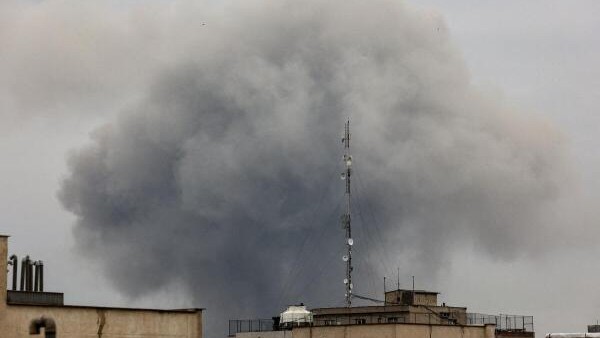
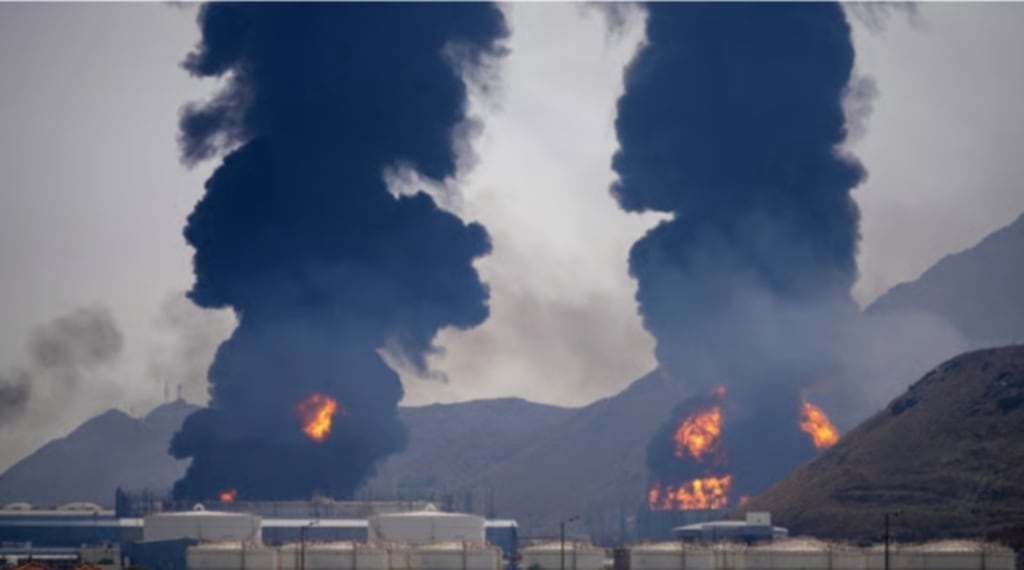
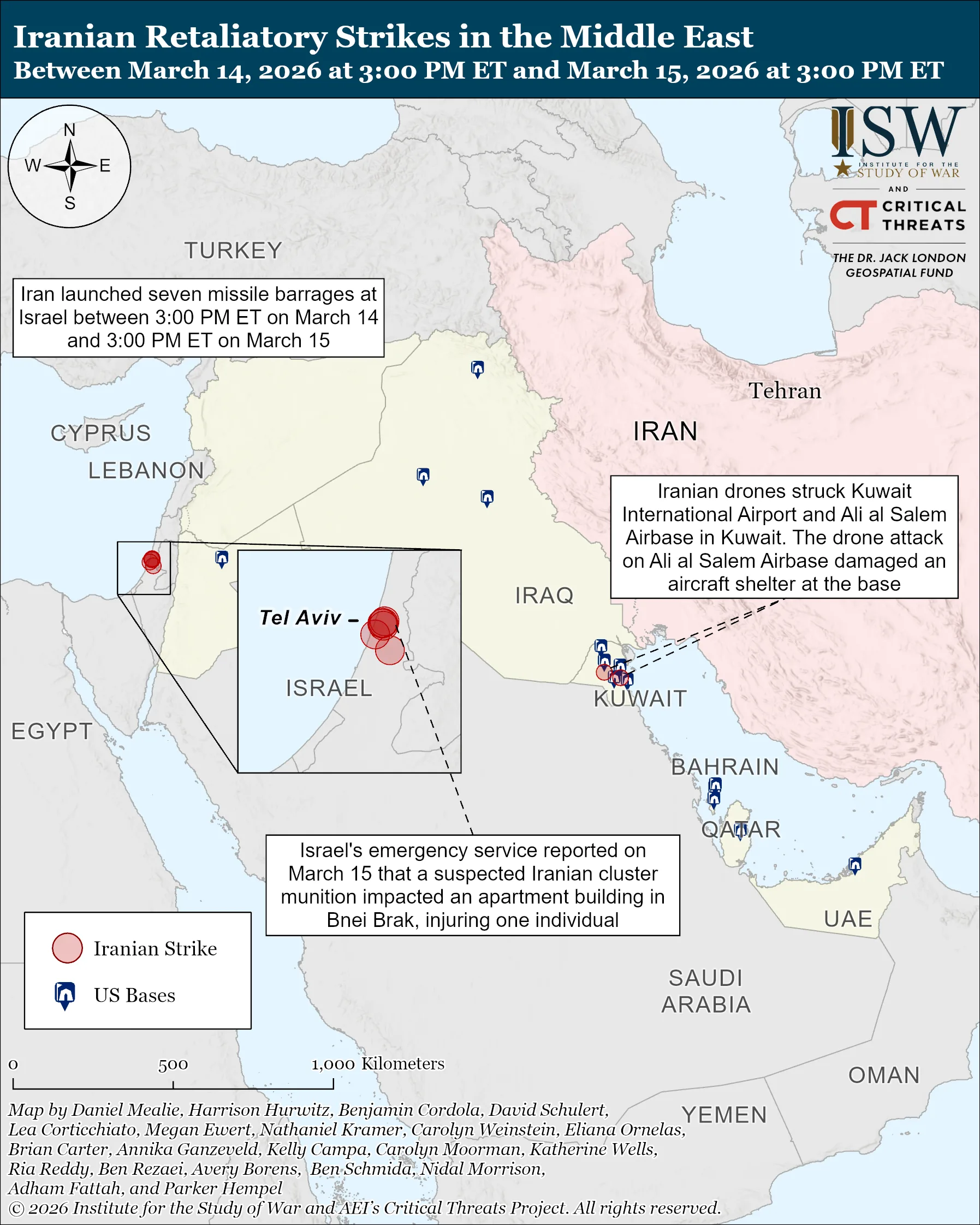
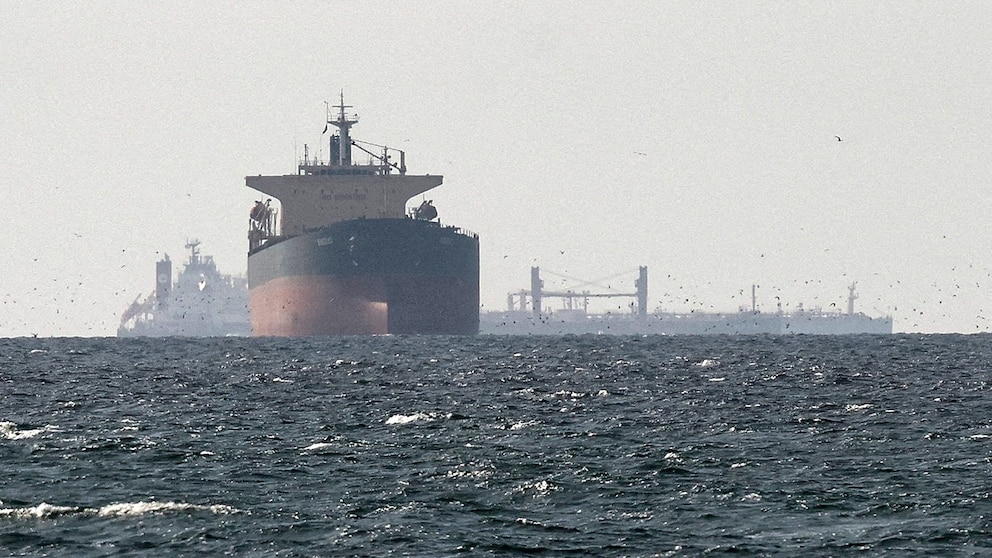
The escalating US-Israel-Iran conflict (February 28 - March 16, 2026) has created unprecedented disruptions to global e-commerce logistics and operational costs. As of day 17, the conflict has directly impacted the Strait of Hormuz—a critical chokepoint handling approximately 20% of global oil shipments—with tanker traffic nearly halted due to Iranian threats and selective blockades. This geopolitical crisis translates directly into measurable financial pressure on cross-border sellers: Brent crude oil has surged to $106.12 per barrel (highest since July 2022), while US gasoline prices increased 24% to $3.70/gallon since hostilities began. These energy price spikes cascade through e-commerce supply chains via multiple mechanisms: increased air freight costs (particularly critical for time-sensitive inventory), elevated ocean shipping rates through alternative routes, and higher last-mile delivery expenses across all major platforms.
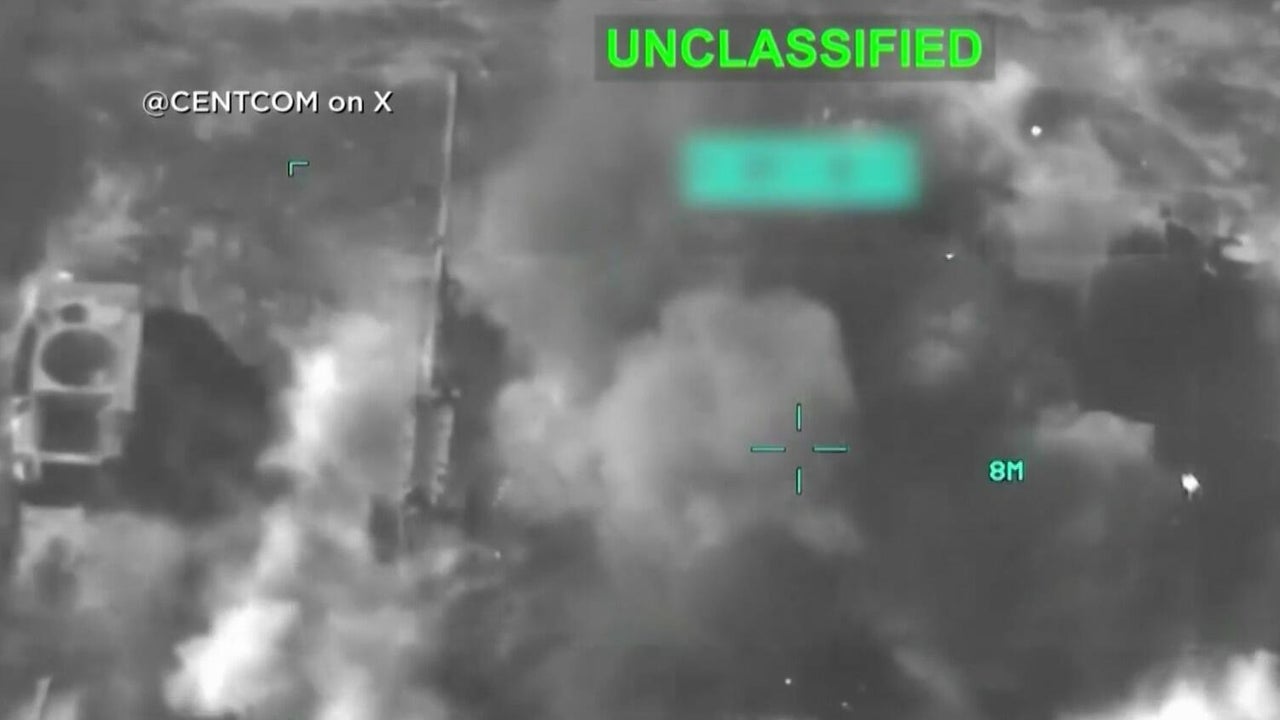
Operational Impact by Seller Segment: Sellers importing goods from Asia face the most acute pressure, as the Strait of Hormuz disruption forces rerouting through longer maritime passages (adding 2-4 weeks to transit times and 15-25% to shipping costs). Amazon FBA sellers shipping from China or Southeast Asia should expect fulfillment cost increases of $200-400 monthly for standard shipments of 1,000+ units. Sellers reliant on air freight for perishables, electronics, or time-sensitive inventory face even steeper penalties—air freight rates have historically increased 30-50% during regional conflicts. Middle Eastern market sellers (particularly those serving UAE, Saudi Arabia, and Israel) face additional uncertainty: Dubai International Airport experienced temporary flight suspensions following drone incidents, and Fujairah port sustained strikes, disrupting both inbound inventory and outbound fulfillment operations.
Platform Fee Implications: Treasury Secretary Scott Bessent's indication that Russian oil sanctions may be reimposed post-conflict suggests prolonged energy volatility extending 3-6 months minimum. This extended timeline means Amazon, eBay, Shopify, and Walmart will likely absorb rising logistics costs and pass increases to sellers through higher FBA fees, storage surcharges, and fulfillment rate adjustments. Historical precedent from 2022 energy crises shows platforms typically implement 5-12% fee increases within 4-6 weeks of sustained commodity price spikes. Sellers should anticipate platform communications regarding fee adjustments by early April 2026. Additionally, the conflict's impact on international sporting events (Formula 1 cancellations in Bahrain and Saudi Arabia scheduled for April) eliminates seasonal merchandise opportunities in motorsports collectibles and apparel categories that typically generate $50-150K in cross-border sales during Grand Prix events.
Strategic Considerations: The conflict's multi-front nature (Iran, Lebanon, Israel, UAE) and lack of diplomatic resolution pathway create sustained uncertainty. Iran's selective blockade strategy (allowing China-bound oil while blocking others) signals potential trade fragmentation, where sellers with China-based supply chains may gain temporary advantages while US/EU-based importers face extended delays. Inventory replenishment timelines have extended from standard 30-45 days to 50-70 days for Asia-sourced goods, requiring sellers to increase safety stock by 20-30% or risk stockouts during peak selling periods.
Questions 8
How much will my Amazon FBA shipping costs increase due to the Middle East conflict?
Amazon FBA sellers shipping from Asia should expect fulfillment cost increases of $200-400 monthly for standard shipments of 1,000+ units, based on current Brent crude pricing at $106/barrel (up from $85/barrel pre-conflict). The Strait of Hormuz disruption forces rerouting through longer maritime passages, adding 2-4 weeks to transit times and 15-25% to per-unit shipping costs. For air freight shipments, expect 30-50% rate increases. These costs typically flow to sellers within 4-6 weeks as Amazon adjusts FBA fulfillment fees. Monitor your Seller Central dashboard for fee change notifications by early April 2026.
Should I increase inventory safety stock due to shipping delays?
Yes, inventory replenishment timelines have extended from standard 30-45 days to 50-70 days for Asia-sourced goods due to Strait of Hormuz disruptions and rerouting. Industry data shows regional conflicts typically impact shipping costs for 3-6 months minimum, suggesting this disruption will persist through June 2026. Sellers should increase safety stock by 20-30% to avoid stockouts during peak selling periods, particularly for fast-moving categories (electronics, apparel, home goods). Calculate additional carrying costs against stockout risk—for most sellers, the stockout penalty exceeds incremental storage fees.