


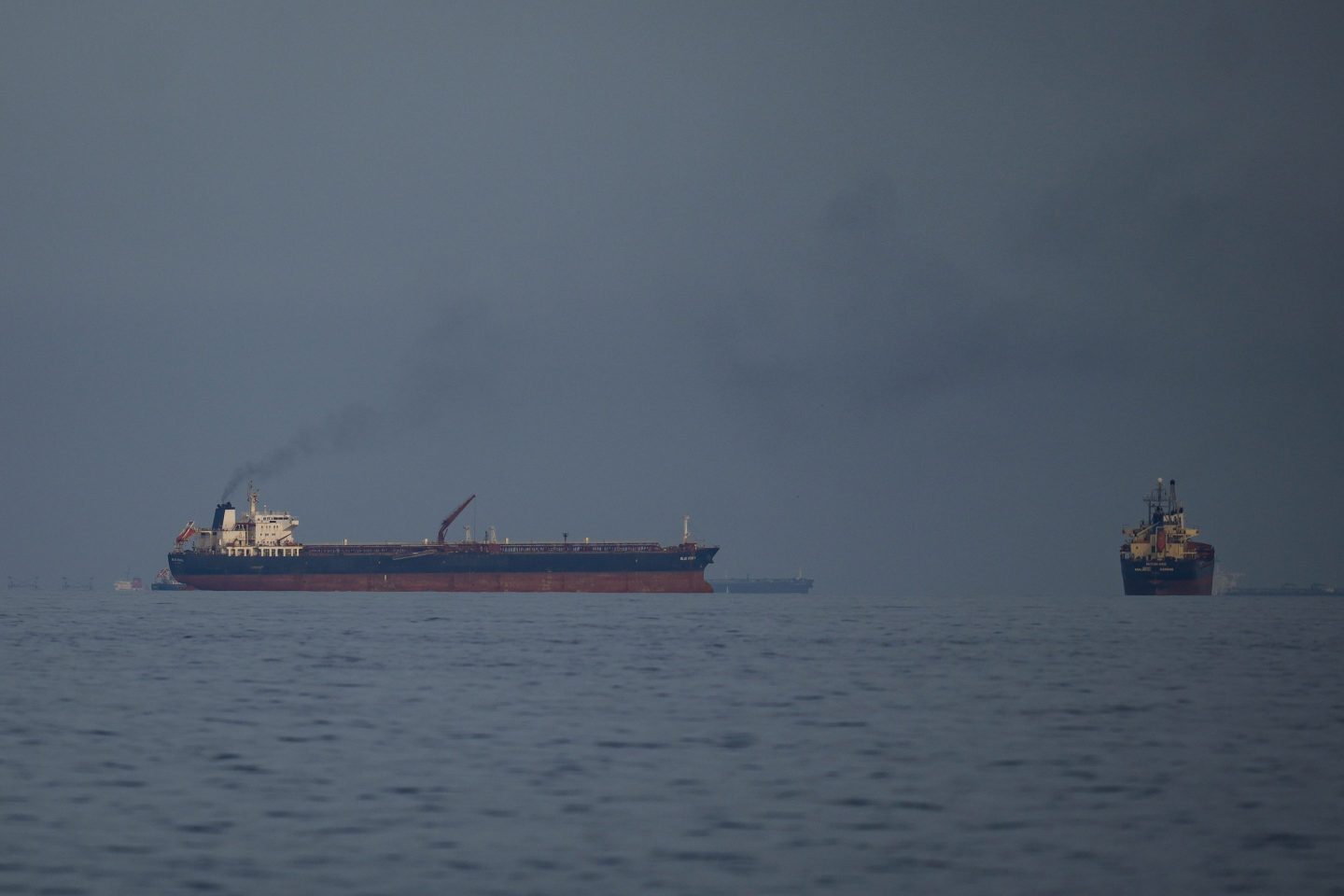

Strait of Hormuz Shipping Crisis | Sellers Face 8-15% Logistics Cost Surge
- Oil prices exceed $106/barrel; Brent crude at highest since July 2022; shipping delays through critical waterway handling 33% of global maritime trade












)




Overview
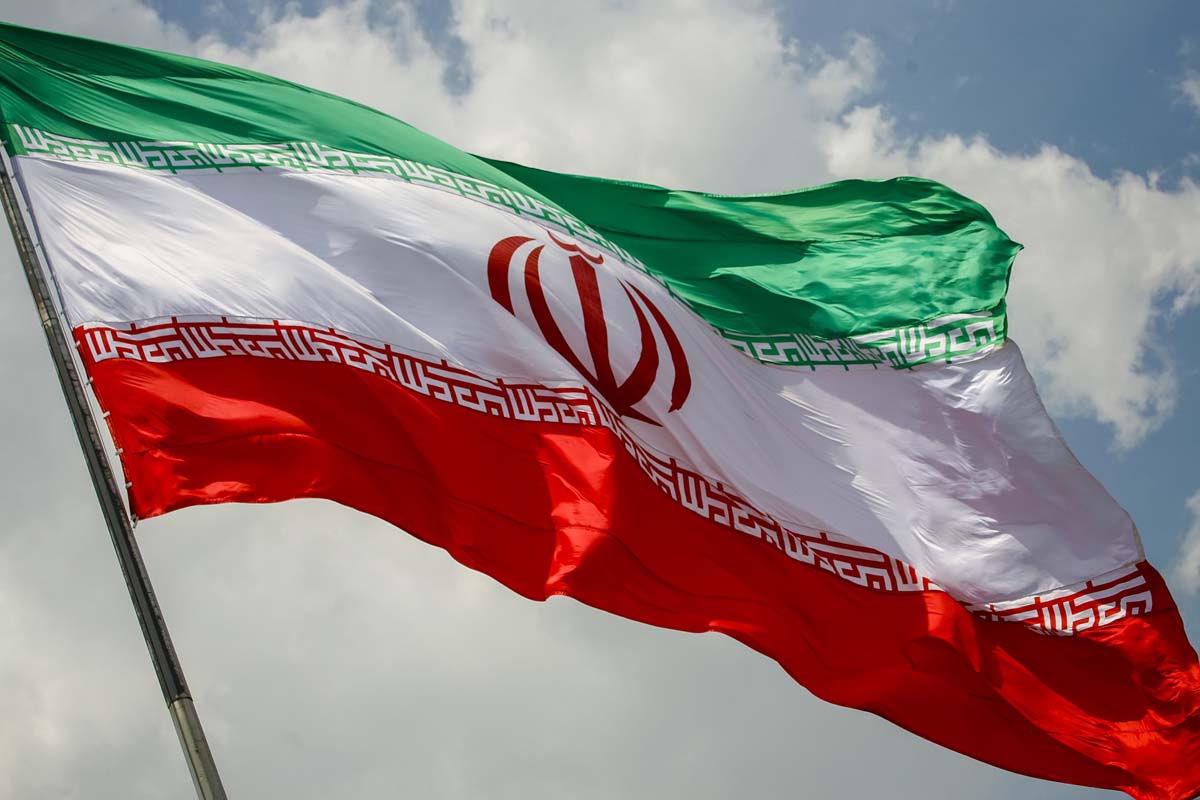
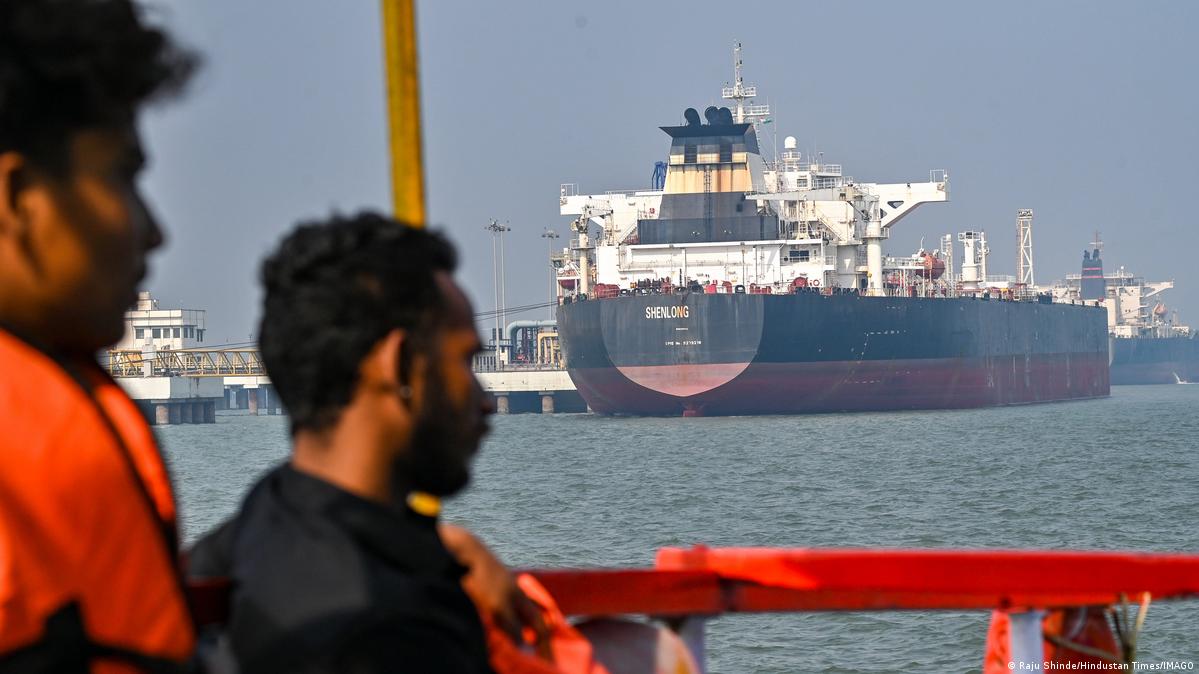
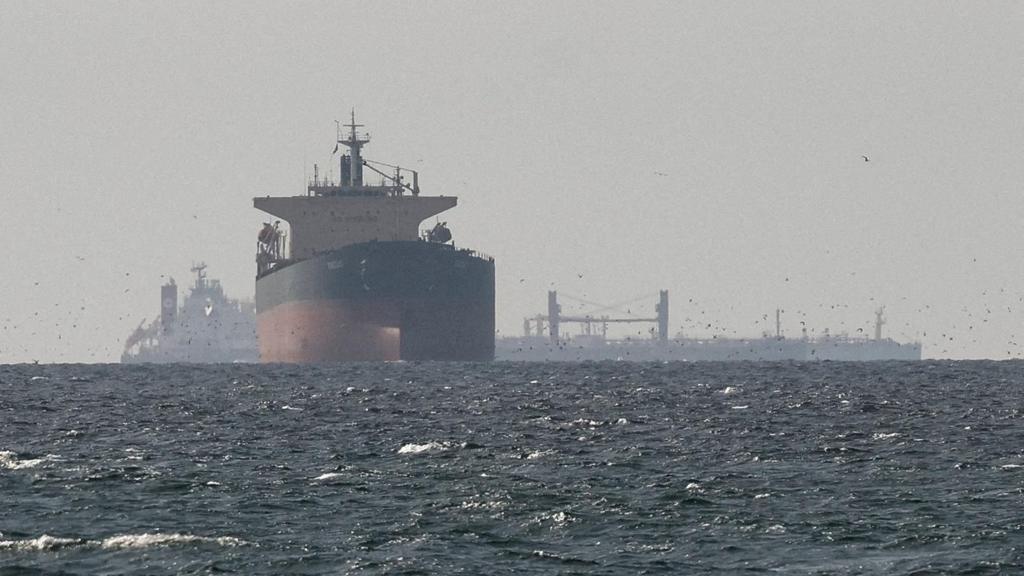
The escalating geopolitical crisis in the Middle East has created a critical supply chain emergency for cross-border e-commerce sellers, with the Strait of Hormuz effectively closed due to Iranian threats against commercial vessels. This waterway handles approximately one-third of global maritime trade and serves as the primary passage for containerized goods, electronics, textiles, and manufactured items destined for Asian, Middle Eastern, and European markets. Oil prices have surged to their highest levels since July 2022, with Brent crude exceeding $106 per barrel and US crude trading at $101.53, representing a 1% daily increase despite record reserve releases by the International Energy Agency.
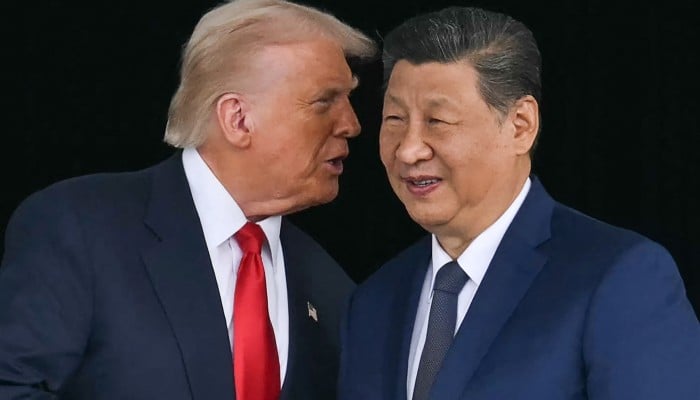
For e-commerce sellers, the immediate impact manifests through three critical operational challenges. First, shipping cost escalation: Elevated fuel surcharges are increasing freight costs by 8-15% for sellers relying on Asia-to-Europe, Asia-to-Middle East, and intra-Asian trade corridors. Sellers importing electronics from China, Vietnam, or India to Middle Eastern markets face standstill conditions, with shipments from the Gulf region completely halted due to Iranian threats. Second, delivery timeline uncertainty: Trump administration officials expect the conflict to conclude within weeks, though Israel indicated military operations will continue for at least three additional weeks, creating unpredictability for inventory planning. Dubai International Airport, handling nearly 90 million travelers annually, temporarily suspended flights following a drone-related incident, disrupting air freight operations for time-sensitive categories like fashion, electronics, and perishables.
Third, insurance premium increases: Maritime insurance costs are rising as underwriters price in heightened risk for vessels transiting the Strait. The Trump administration plans to announce a multinational coalition for escorting commercial vessels through the waterway within the week, which could eventually stabilize maritime traffic and reduce insurance costs through coordinated security. However, many nations—including Japan, Australia, and EU members—have expressed reluctance to participate until active hostilities cease, creating uncertainty about implementation timelines. Sellers with significant inventory movements through Asian, Middle Eastern, or European markets must immediately assess alternative routing options (longer routes via Suez Canal alternatives or southern passages) and budget for premium shipping costs during the transition period. The strategic sourcing implications are substantial: sellers currently dependent on Gulf-based suppliers or Middle Eastern distribution hubs should evaluate temporary sourcing shifts to Vietnam, India, or Southeast Asian alternatives to avoid the Strait disruption entirely.
Questions 7
How much will shipping costs increase for sellers using Strait of Hormuz routes?
Sellers can expect 8-15% cost increases on freight through the Strait of Hormuz corridor, driven by elevated fuel surcharges (Brent crude at $106+/barrel) and maritime insurance premiums. For a seller shipping 500 containers monthly from Asia to Middle East, this translates to $40,000-75,000 in additional monthly logistics costs. The International Energy Agency's record reserve releases have had limited impact, with analysts noting minimal effect if tensions persist beyond several weeks. Sellers should immediately contact 3PL providers for updated rate quotes and explore alternative routing through longer southern passages or Suez Canal alternatives, which may add 5-10 days to transit times but could reduce overall costs if fuel surcharges stabilize.
Which product categories face the greatest shipping disruption risk?
High-volume, time-sensitive categories face maximum disruption: electronics (smartphones, laptops, components), fashion/apparel (seasonal inventory), perishables, and automotive parts. These categories typically rely on just-in-time inventory from Asian suppliers and Middle Eastern distribution hubs. Dubai International Airport's temporary suspension affected air freight for premium goods. Sellers in these categories should prioritize alternative sourcing from Vietnam, India, or Southeast Asia to bypass the Strait entirely. Lower-urgency categories like home goods and furniture can absorb longer transit times via alternative routes, making them less critical for immediate action.