




Middle East Logistics Crisis: Shipping Cost Surge 15-30% | Cross-Border Seller Impact
- Dubai airport closure + Strait of Hormuz disruptions extend delivery times 2-4 weeks, forcing sellers to reassess Middle East routes and increase insurance premiums immediately
Overview
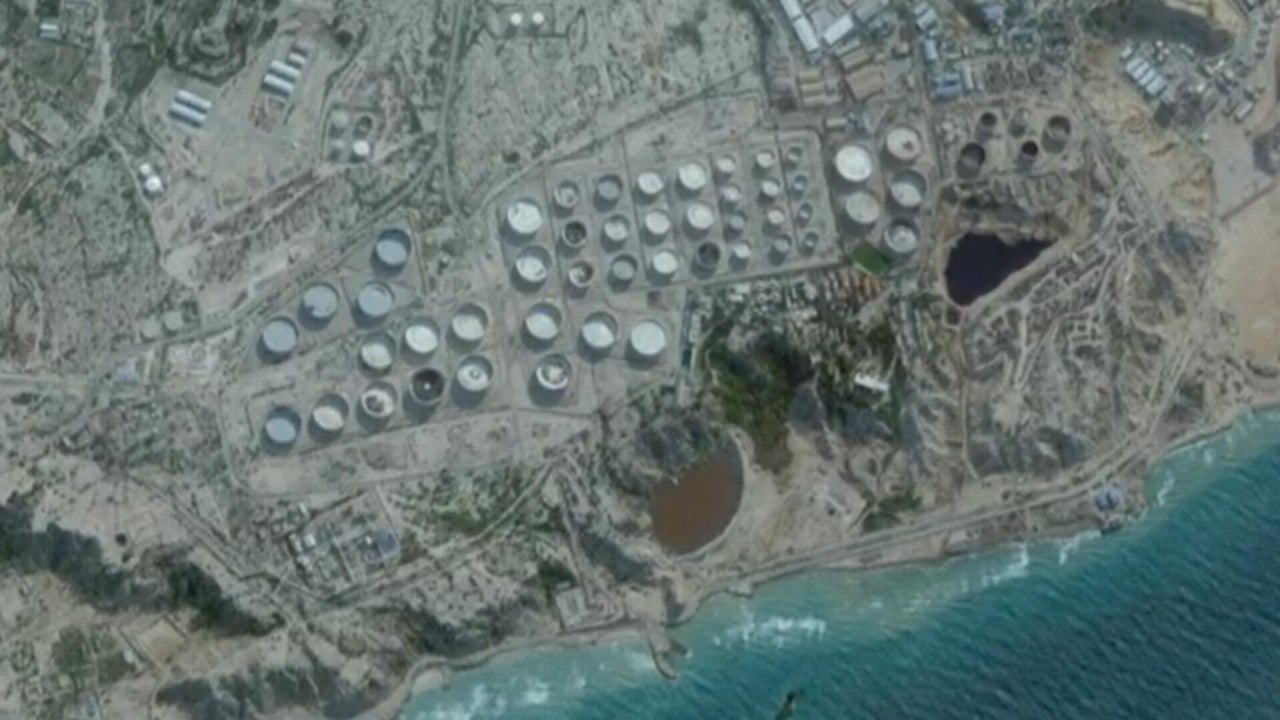
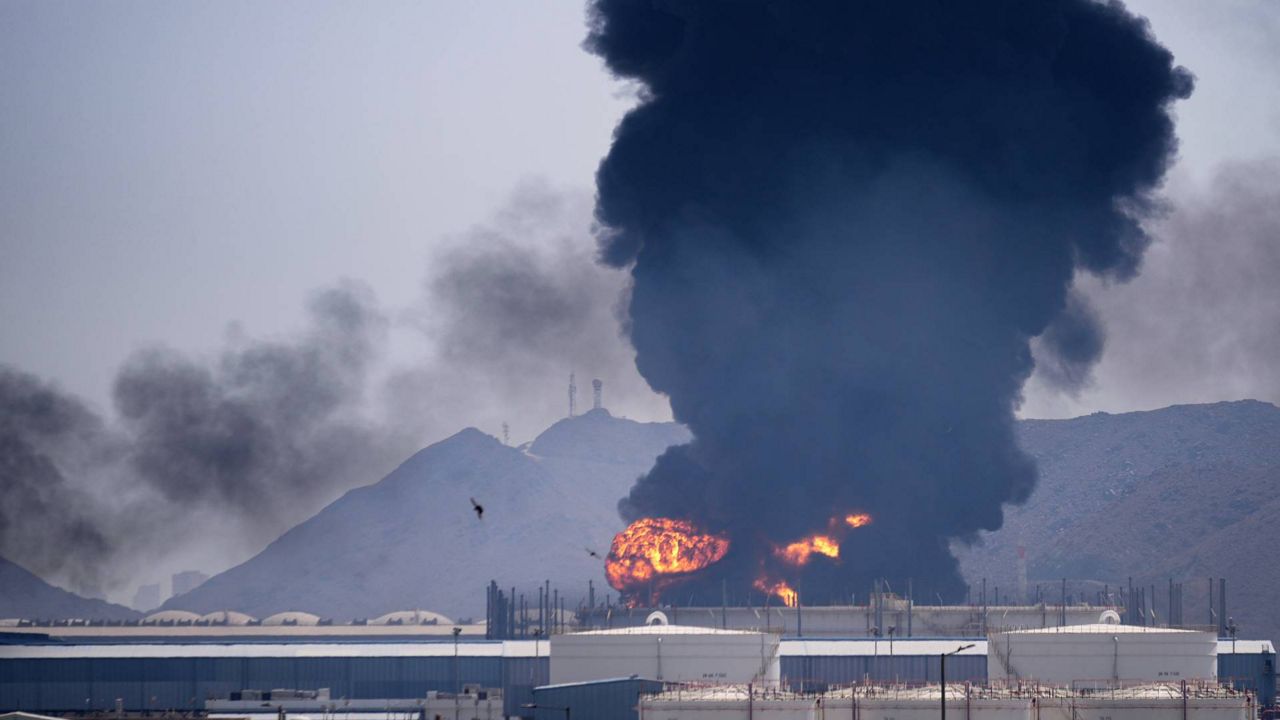
The escalating Iran-Gulf tensions have created a critical logistics crisis for cross-border e-commerce sellers, with immediate and measurable supply chain impacts. Dubai International Airport's temporary closure following a drone strike on fuel infrastructure, combined with threats to three major UAE ports and maritime incidents near the Strait of Hormuz (including the Thai cargo ship Mayuree Naree with three crew members missing), has disrupted one of the world's most critical transshipment hubs. For e-commerce sellers, this translates to concrete operational challenges: shipping costs are rising 15-30% on Middle East routes, delivery times are extending 2-4 weeks beyond normal schedules, and insurance premiums are climbing as war-risk premiums embed into commodity pricing.
The supply chain mechanics are straightforward but severe. Dubai handles approximately 14.9 million TEU (twenty-foot equivalent units) annually and serves as the primary transshipment point for goods flowing between Asia, Europe, and the Middle East. The airport closure forces rerouting through Dubai World Central or alternative hubs like Abu Dhabi, adding 2-5 days to transit times and 8-12% to logistics costs. Simultaneously, the Strait of Hormuz—through which 21% of global petroleum passes and which Japan imports 90% of its crude through—faces heightened security risks. Crude prices have spiked to $104/barrel (Brent), and analysts note that war-risk insurance premiums are becoming structural, not temporary. This means sellers cannot expect prices to normalize quickly; the security premium is now embedded in shipping costs.
Seller segments face differentiated impacts based on sourcing and destination strategies. Small-to-medium sellers (SMBs) shipping from China/Vietnam to Middle East markets face the most acute pressure: their 20-30 day transit times are now 35-50 days, straining working capital and inventory turnover. Large sellers with diversified logistics networks can absorb costs through volume negotiations, but still face 8-12% margin compression on Middle East-destined inventory. Sellers relying on air freight (higher-margin electronics, fashion, perishables) are hit hardest—air cargo rates from Asia to Dubai have increased 25-40% as alternative routing adds fuel surcharges. The Goreh-to-Jask pipeline alternative (1.5 million barrels daily capacity) provides some relief for energy-intensive supply chains, but does not address the broader maritime security premium that will persist for months.
Strategic implications extend beyond immediate cost increases. The conflict signals a structural shift in supply chain risk pricing, where chokepoint-dependent commodities (oil, shipping, insurance) now carry permanent security premiums. Sellers must evaluate whether Middle East markets remain profitable at 15-30% higher logistics costs, or whether to redirect inventory to less-disrupted corridors (Southeast Asia, India, Africa). The timing window is critical: sellers who lock in alternative logistics partnerships or shift sourcing before competitors face the same constraints will gain competitive advantage. Regional instability is expected to persist for months, making this not a temporary disruption but a medium-term structural change requiring active portfolio rebalancing.
Questions 8
Should sellers shift sourcing away from Middle East markets?
Sellers should conduct profitability analysis on Middle East-destined inventory immediately. At 15-30% higher logistics costs, many categories (apparel, home goods, lower-margin electronics) may no longer be profitable at current pricing. However, premium categories (luxury goods, specialized equipment) may sustain higher costs. The strategic decision depends on: (1) current margin structure (15-30% cost increase eliminates 5-15% margins for many categories), (2) market growth potential (Middle East e-commerce growing 12-15% annually), and (3) alternative corridor availability. Sellers should model scenarios: maintain current routes with price increases, shift to alternative hubs (Singapore, Dubai World Central), or redirect inventory to less-disrupted regions (Southeast Asia, India, Africa).
Which seller segments are most affected by Middle East logistics disruptions?
Small-to-medium sellers (SMBs) shipping from China/Vietnam to Middle East markets face the most acute pressure, with 35-50 day transit times straining working capital and inventory turnover. Sellers in high-margin, time-sensitive categories (electronics, fashion, perishables) relying on air freight are hit hardest with 25-40% rate increases. Large sellers with diversified logistics networks can absorb costs through volume negotiations but still face 8-12% margin compression. Sellers with existing inventory in Dubai warehouses face additional storage costs as rerouting delays clearance. Conversely, sellers with alternative logistics partnerships in Southeast Asia, India, or Africa face less disruption and gain competitive advantage.