


Japan's 80M Barrel Oil Release | Logistics Cost Surge for Cross-Border Sellers
- Brent crude surges to $100+/barrel; Japan gasoline hits 161.8 yen/liter; shipping costs rise 8-15% for sellers using Japan-based fulfillment and suppliers
















Overview
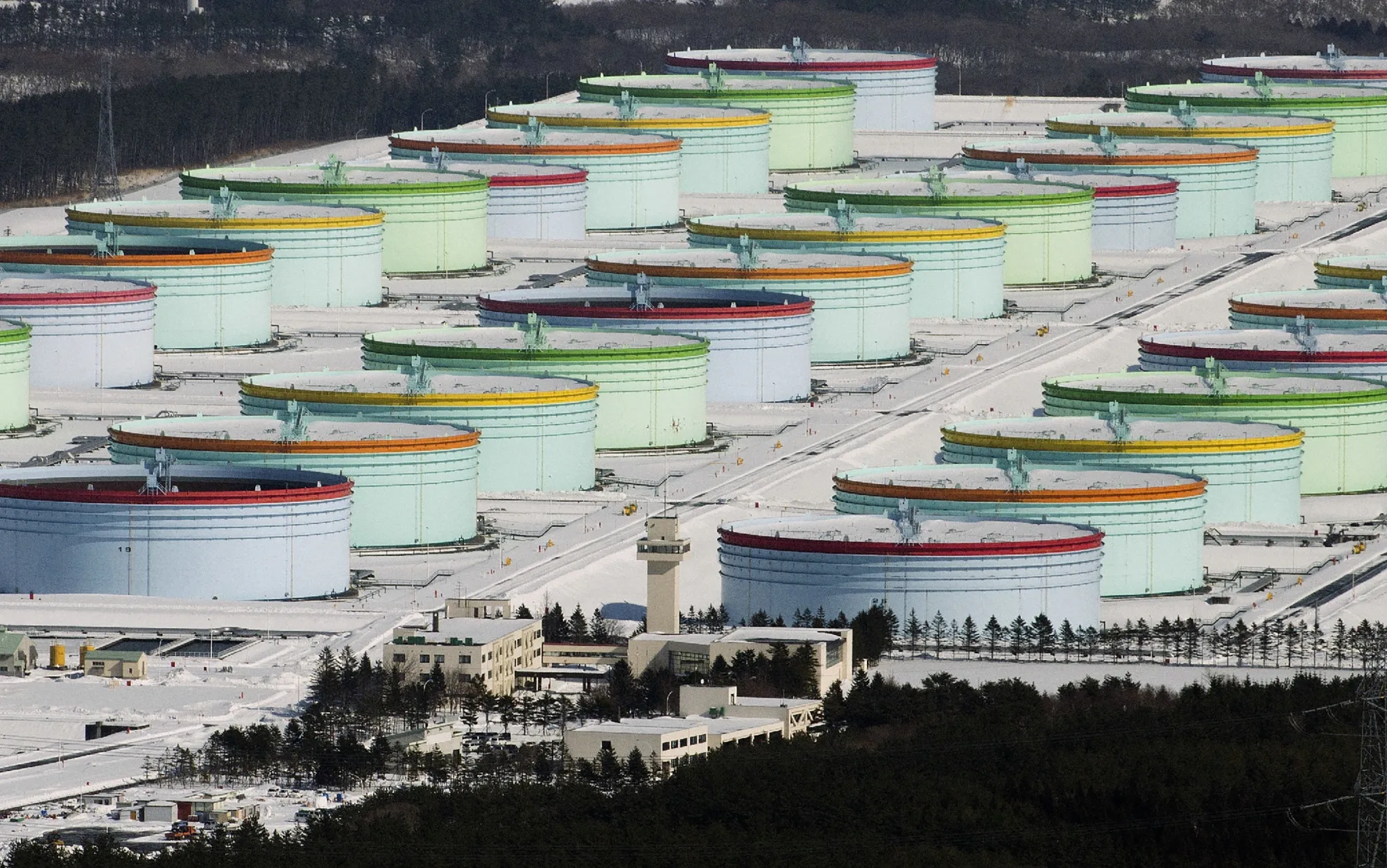
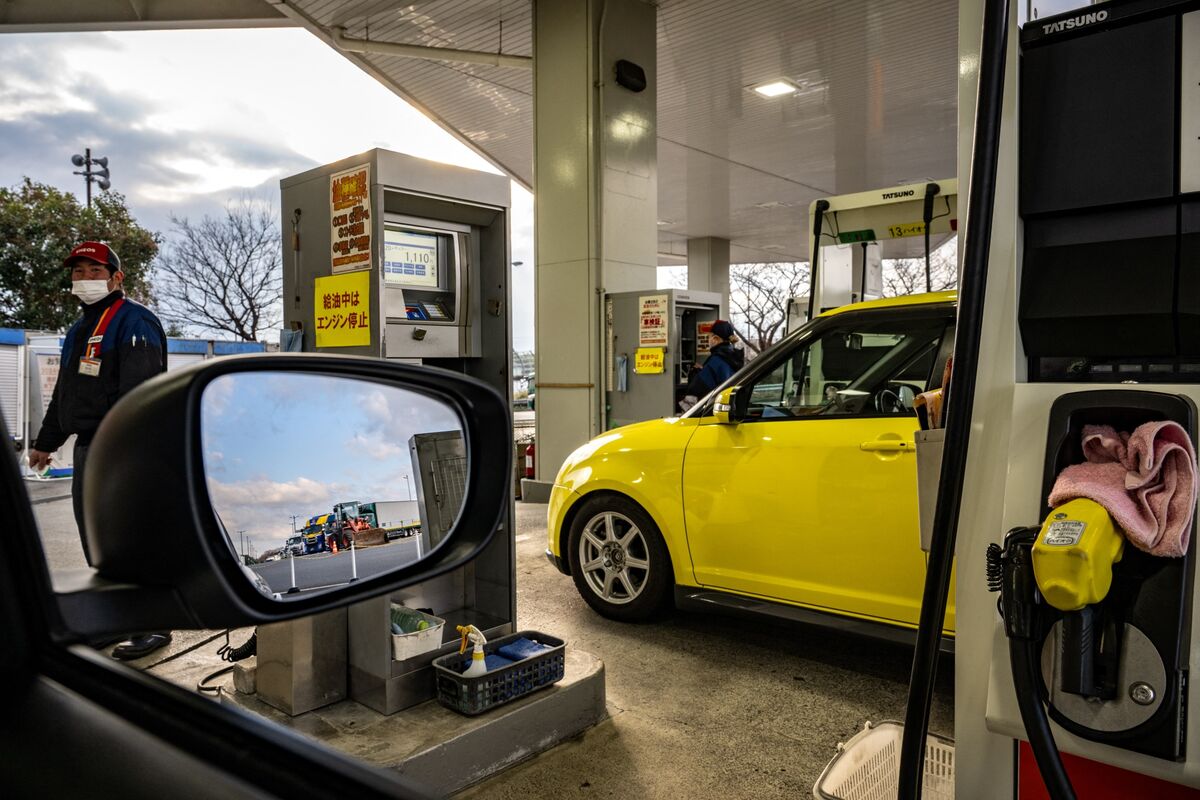
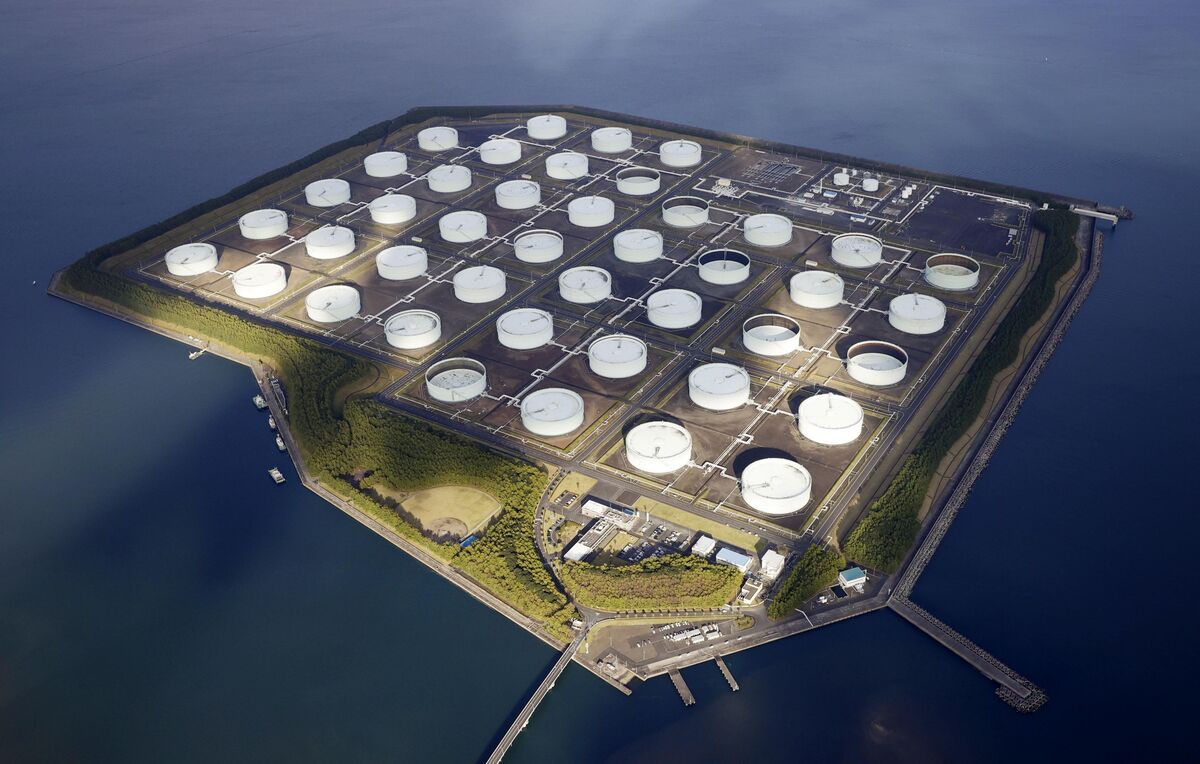
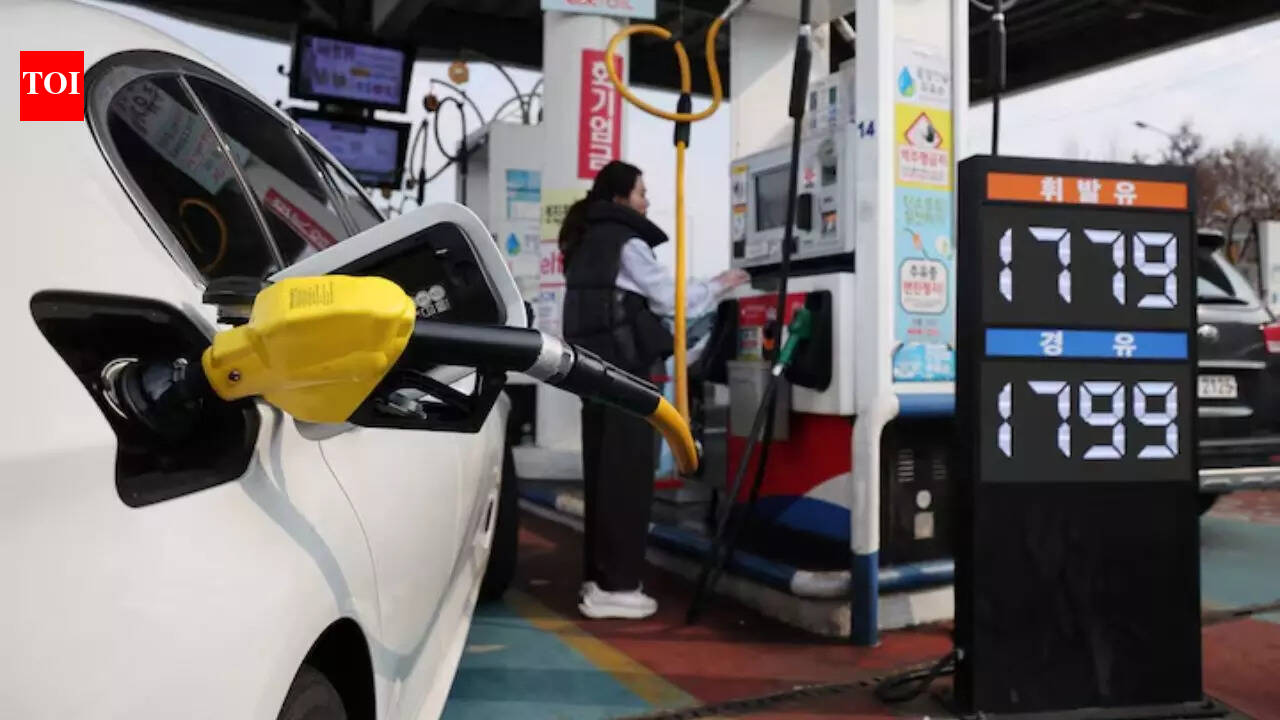
Japan's unprecedented 80-million-barrel strategic oil reserve release (March 16-April 15, 2026) signals sustained energy price volatility that directly threatens cross-border e-commerce logistics profitability. The International Energy Agency's coordinated 400-million-barrel intervention from 32 member countries failed to stabilize markets—Brent crude surged to $100+ per barrel (up from $90), while Japan's gasoline prices breached 161.8 yen per liter for the first time in three months. This geopolitical crisis, triggered by February 28 U.S.-Israeli military operations killing Iranian Supreme Leader Ayatollah Ali Khamenei and subsequent Strait of Hormuz disruptions, creates a critical 45-day window (March 16-April 30) where energy costs remain elevated despite government intervention.
For cross-border sellers, the operational impact is immediate and quantifiable. Sellers relying on Japan-based fulfillment centers, Japanese suppliers, or temperature-controlled logistics (pharmaceuticals, perishables, electronics) face 8-15% shipping cost increases. A seller shipping 1,000 units monthly from Japan to North America typically pays $3,000-5,000 in fuel surcharges; this crisis could add $240-750 per month. Japan's government reinstated fuel price subsidies capping gasoline at ~170 yen/liter, providing temporary relief through April 15, but underlying supply disruptions persist. The Strait of Hormuz closure—through which 70% of Japan-bound oil passes—signals crude import declines expected from late March onward, extending cost pressures beyond the reserve release window.
Strategic sourcing dynamics shift dramatically in sellers' favor. China's more diversified energy portfolio (coal and renewables dominating power generation) positions Chinese manufacturers and exporters to better absorb price volatility. Sellers currently sourcing from Japan face margin compression; those pivoting to Vietnam, India, or China-based suppliers gain 5-8% cost advantages. However, China's concurrent export controls on strategic materials and dual-use items (following diplomatic tensions with Japan) create sourcing complexity. The competitive advantage window favors sellers who can rapidly diversify supplier bases away from Japan-dependent supply chains. Small-to-medium sellers (SMBs) with single-source Japanese suppliers face the highest risk; larger sellers with multi-country sourcing networks can arbitrage cost differentials. The 45-day intervention period (March 16-April 15) represents a critical decision window before energy costs potentially stabilize or escalate further based on Middle East developments.
Questions 8
How much will Japan's oil crisis increase shipping costs for cross-border sellers?
Shipping costs from Japan are rising 8-15% due to Brent crude surging to $100+/barrel and Japan's gasoline hitting 161.8 yen/liter. A seller shipping 1,000 units monthly from Japan to North America typically pays $3,000-5,000 in fuel surcharges; this crisis adds $240-750 monthly through April 15, 2026. Government fuel subsidies capping gasoline at ~170 yen/liter provide temporary relief, but the Strait of Hormuz closure—blocking 70% of Japan's oil imports—signals sustained cost pressure beyond the 45-day intervention window. Sellers should immediately audit Japan-based fulfillment and supplier relationships to quantify exposure.
How does China's energy advantage create competitive opportunities for sellers?
China's diversified energy portfolio (coal and renewables dominating power generation) positions Chinese manufacturers to absorb price volatility better than Japan-dependent suppliers. Chinese exporters gain 5-8% cost advantages, enabling price competition against Japan-sourced products. However, China's concurrent export controls on strategic materials and dual-use items complicate sourcing. Sellers should: (1) evaluate China-based suppliers for non-restricted categories (consumer goods, apparel, electronics); (2) avoid restricted materials (semiconductors, rare earths, advanced manufacturing equipment); (3) monitor China-Japan diplomatic tensions for escalating restrictions. Higher oil prices may boost China's renewable energy sector competitiveness, creating opportunities for sellers of solar panels, wind equipment, and energy-efficient products.