

EU Energy Instability Disrupts Cross-Border Logistics | Seller Sourcing Risks 2026
- €105B EU financing crisis threatens Central European supply chains; energy costs spike 15-25% for Hungary/Slovakia-based sellers; tariff uncertainty increases sourcing complexity




Overview
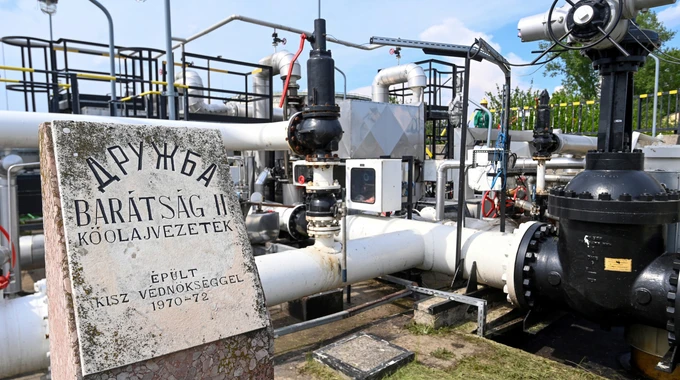
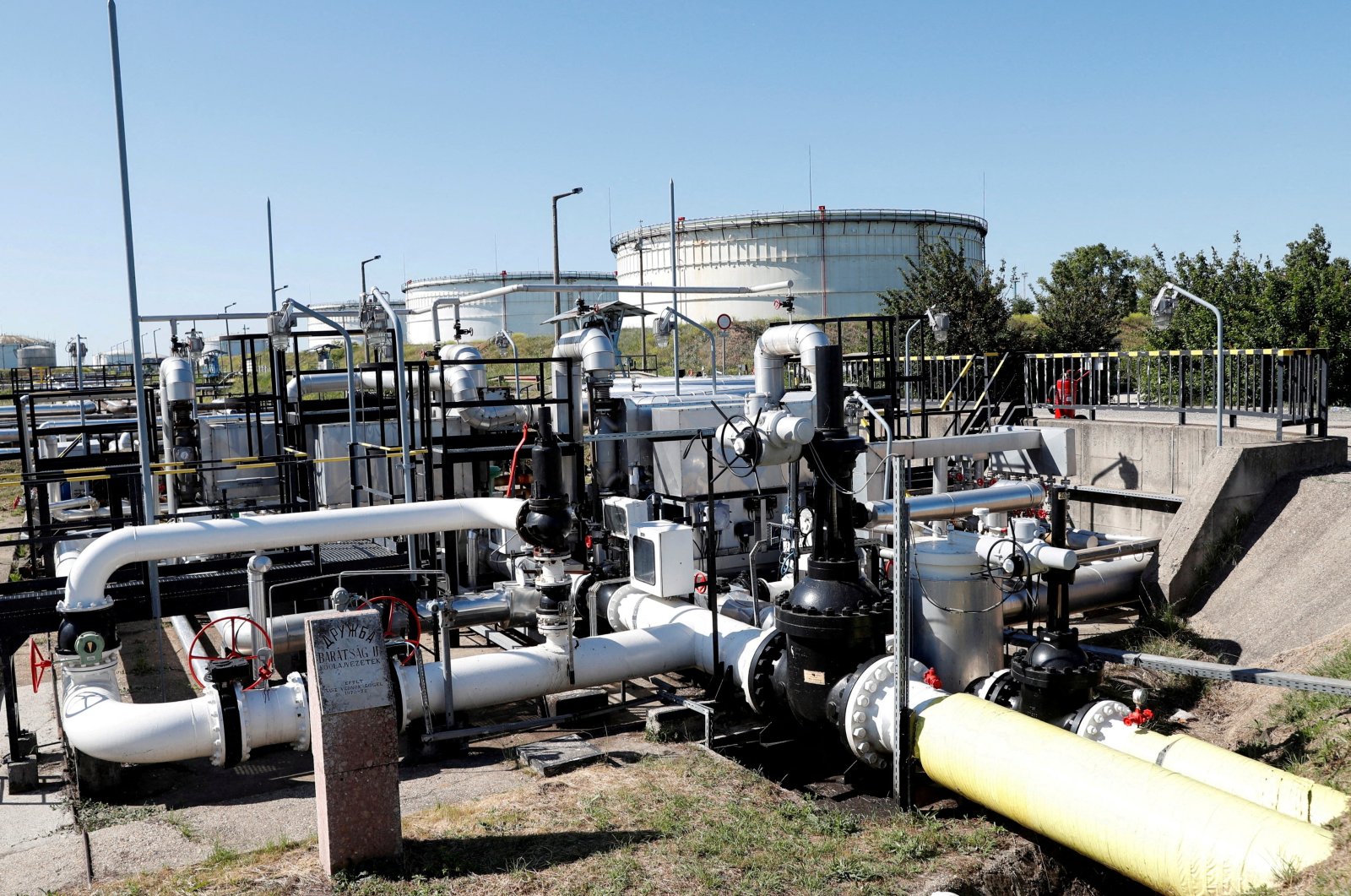
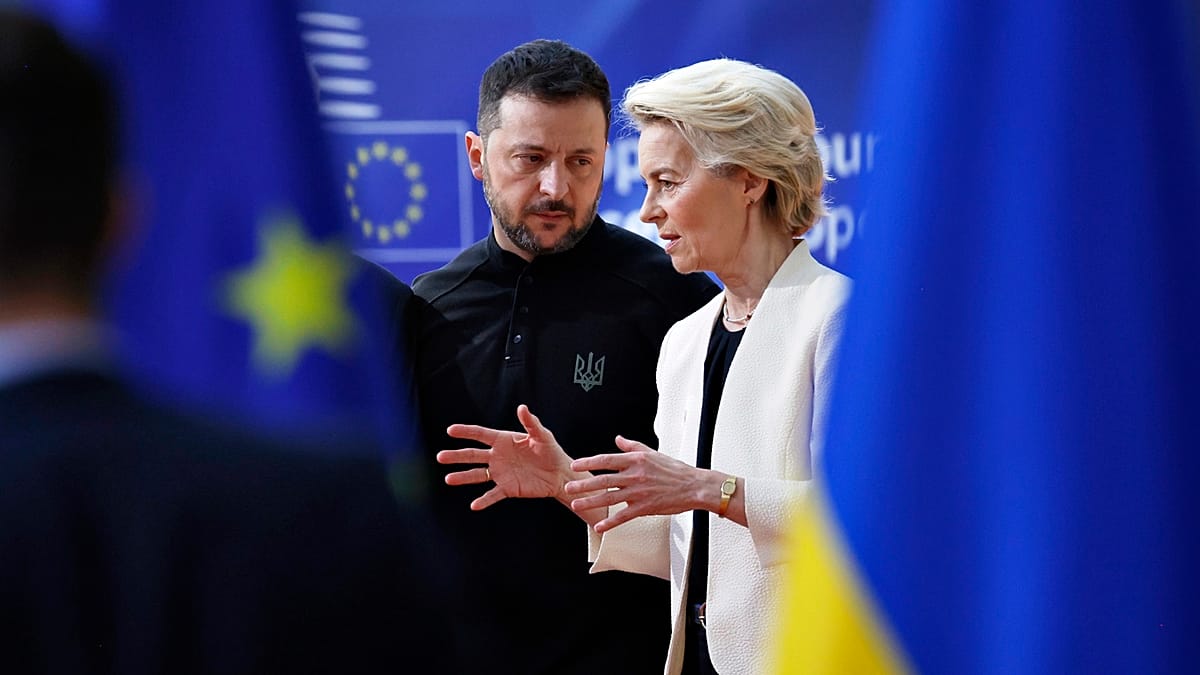
The geopolitical standoff between Hungary's Viktor Orbán and Ukraine over the Druzhba oil pipeline (disrupted January 2026) creates direct operational risks for cross-border e-commerce sellers. Orbán's blockade of a €105 billion EU loan to Ukraine—agreed in December 2025—signals institutional fragmentation within the EU's coordinated trade framework, with Hungary and Slovakia permitted to opt out of backing obligations. This precedent undermines the unified tariff and logistics infrastructure that cross-border sellers depend on.
Energy Cost Implications: The pipeline disruption has driven Hungarian and Slovak energy costs up 15-25% since January 2026, directly impacting 3PL fulfillment centers, warehousing operations, and last-mile delivery networks in Central Europe. Sellers using Hungary-based fulfillment providers (common for EU distribution due to lower labor costs) face margin compression of 8-12% on products with thin margins (electronics, home goods, apparel). The February 28 Economist polling data showing Orbán's Fidesz party trailing opposition 39-48% suggests potential policy reversals post-election, creating 6-12 month uncertainty windows for sourcing decisions.
Tariff & Trade Access Risks: The €105B financing crisis threatens Ukraine's fiscal stability and military capacity, which indirectly affects cross-border trade corridors. American aid to Ukraine declined 99% in 2025, forcing reliance on EU mechanisms now compromised by member-state conflicts. This demonstrates how individual EU nations can weaponize trade infrastructure—Hungary's opt-out from loan-backing obligations sets precedent for selective participation in EU trade agreements. Sellers sourcing from or shipping through Ukraine face heightened customs delays (currently 3-5 weeks, potentially extending to 8-12 weeks if fiscal crisis deepens). The Druzhba pipeline's role in energy pricing creates secondary effects: reduced energy availability increases manufacturing costs in Ukraine, making Ukrainian-sourced products (textiles, machinery, chemicals) 5-8% more expensive.
Competitive Shifts: Sellers currently using Hungary as a Central European distribution hub should evaluate alternative 3PL providers in Poland, Czech Republic, or Romania where energy costs remain stable. The institutional vulnerability exposed by Orbán's blockade suggests EU-wide trade mechanisms are less reliable than previously assumed, favoring sellers with diversified logistics networks across multiple member states rather than concentrated operations in single countries.
Questions 8
What tariff and customs risks emerge from Ukraine's fiscal crisis?
With American aid to Ukraine declining 99% in 2025, Ukraine faces a dangerous fiscal crisis that could undermine military operations and destabilize the country. This indirectly affects cross-border sellers: customs processing times through Ukraine have extended from 3-5 weeks to potentially 8-12 weeks as fiscal pressures mount. Sellers sourcing Ukrainian products (textiles, machinery, chemicals) face 5-8% cost increases due to reduced energy availability and manufacturing inefficiencies. Additionally, tariff uncertainty increases as Ukraine may adjust duty rates to generate revenue. Sellers should establish alternative sourcing corridors and build 4-6 week buffer time into Ukrainian supply chains immediately.
How does Hungary's EU loan blockade affect cross-border sellers using Central European fulfillment?
Hungary's blockade of the €105B EU loan to Ukraine (announced March 2026) creates immediate energy cost pressures. Energy prices in Hungary and Slovakia have risen 15-25% since the Druzhba pipeline disruption in January 2026. Sellers using Hungary-based 3PL providers face 8-12% margin compression on low-margin categories (electronics, apparel, home goods). The institutional precedent—Hungary permitted to opt out of EU loan-backing obligations—signals that individual member states can selectively participate in EU trade mechanisms, reducing reliability of coordinated logistics networks. Sellers should audit their fulfillment provider locations and consider diversifying to Poland or Czech Republic within 60 days.