


The Silent Health Crisis: How Misinformation is Undermining Newborn Vitamin K Protection
- Emerging Trend of Parental Vaccine Skepticism Threatens Infant Health Safeguards




Overview
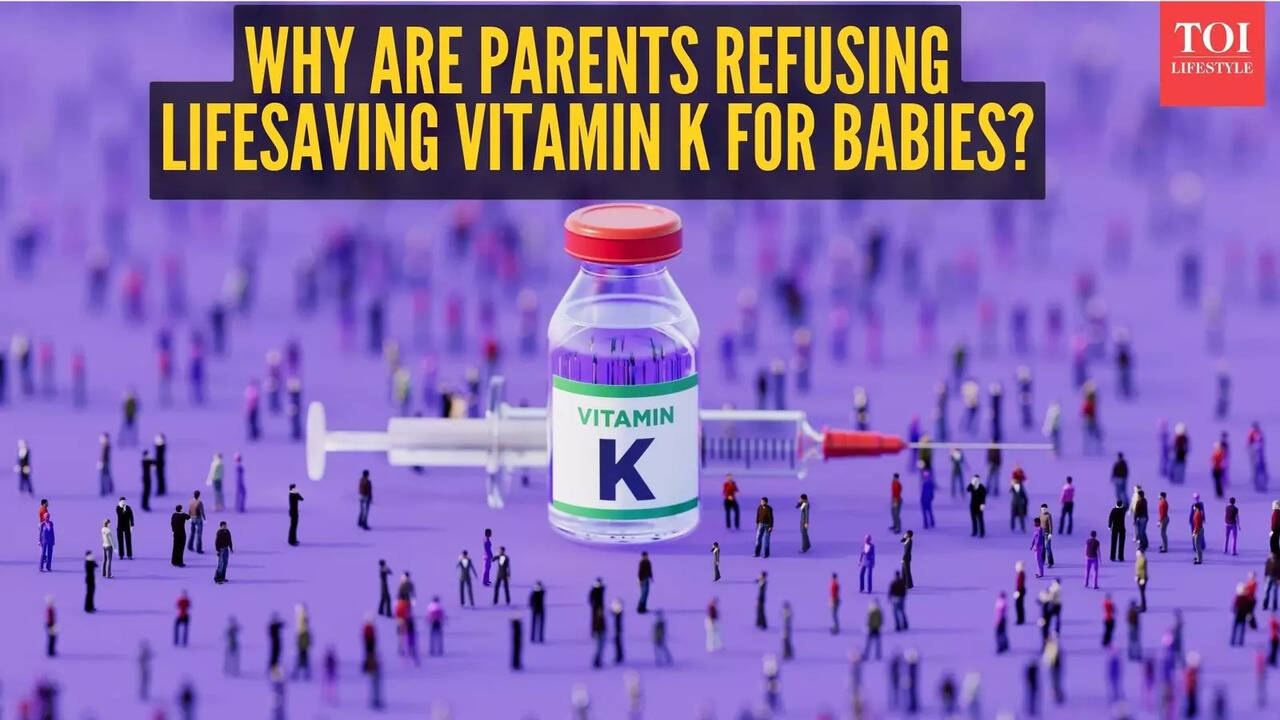
Regulatory compliance and public health are facing an unprecedented challenge as a disturbing trend emerges in newborn medical care: parents are increasingly refusing critical vitamin K shots that prevent potentially fatal bleeding disorders. Multiple studies reveal a dramatic surge in non-vaccination rates, rising from 2.92% in 2017 to 5.18% in 2024—representing approximately 200,000 infants at significant medical risk.
The core of this emerging public health challenge lies not in medical science, but in communication and trust erosion. Researchers like Dr. Kristan Scott from the Children's Hospital of Philadelphia have identified key drivers behind this trend: widespread social media misinformation and growing vaccine skepticism. Critically, parents are mistakenly conflating vitamin K injections—a plant-derived supplement essential for blood clotting—with traditional vaccines.
The consequences of this misunderstanding are profound. Infants without vitamin K shots are 81 times more likely to experience severe bleeding, with late-onset vitamin K deficiency bleeding carrying a mortality rate between 20% to 50%. The trend is particularly pronounced among non-Hispanic White families, suggesting targeted educational interventions may be necessary.
This phenomenon represents more than a medical statistic—it's a systemic breakdown in science communication. Online influencers challenging medical interventions by questioning ingredient origins and promoting "natural" alternatives are undermining decades of established medical practice. The American Academy of Pediatrics has recommended vitamin K supplements since 1961, yet current communication strategies appear insufficient to combat emerging skepticism.
The implications extend beyond individual medical decisions. This trend signals a broader erosion of public trust in healthcare institutions, potentially setting dangerous precedents for future preventive medical interventions. Medical professionals are now confronting not just a health risk, but a complex communication challenge that requires nuanced, evidence-based strategies to rebuild trust and protect vulnerable newborns.
Questions 4
How significant is the increase in vitamin K shot refusals?
The refusal rate has nearly doubled from 2.92% in 2017 to 5.18% in 2024, representing approximately 200,000 infants. The trend is most pronounced among non-Hispanic White families and appears to have accelerated during and after the COVID-19 pandemic.
What strategies can address this growing trend?
Healthcare professionals need comprehensive communication strategies that: 1) Clearly distinguish vitamin K supplements from vaccines, 2) Provide transparent, evidence-based information about risks and benefits, 3) Engage with social media platforms to combat misinformation, and 4) Develop targeted educational interventions for demographic groups with higher refusal rates.