



Dubai Airport Disruption Triggers Air Freight Rerouting | Sellers Face 15-25% Cost Surge
- Iranian drone strike on March 16, 2026 halts flights at critical Middle East hub; air cargo costs spike 15-25% as sellers redirect shipments through alternative routes














Overview
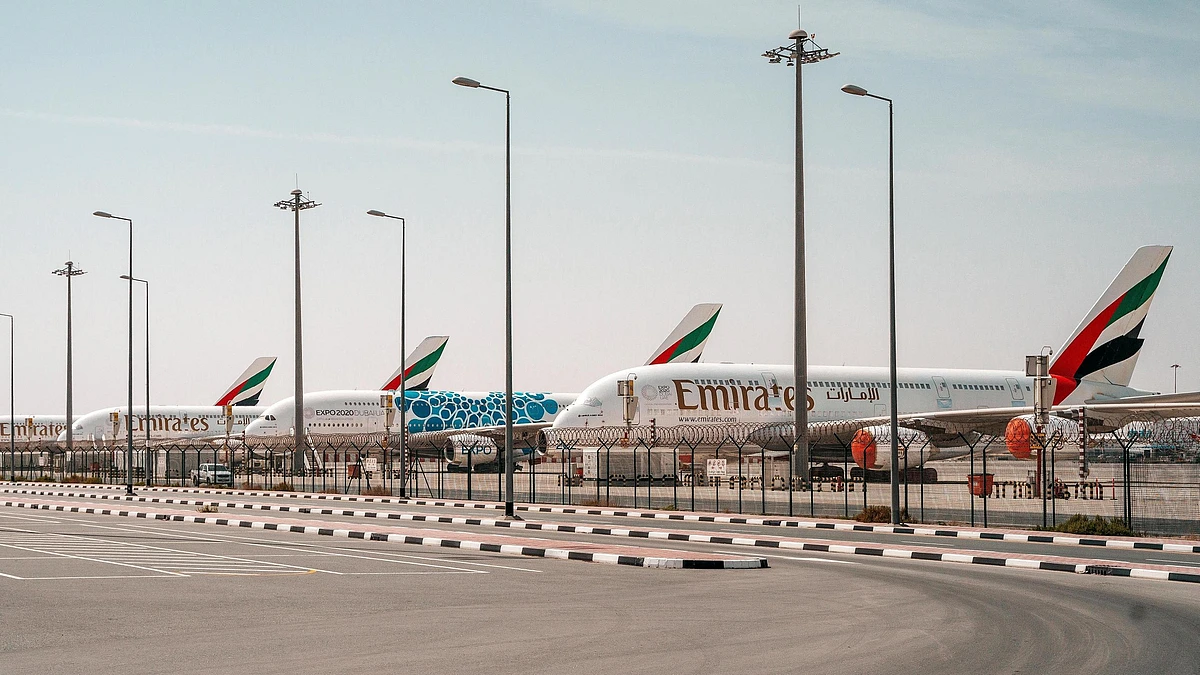
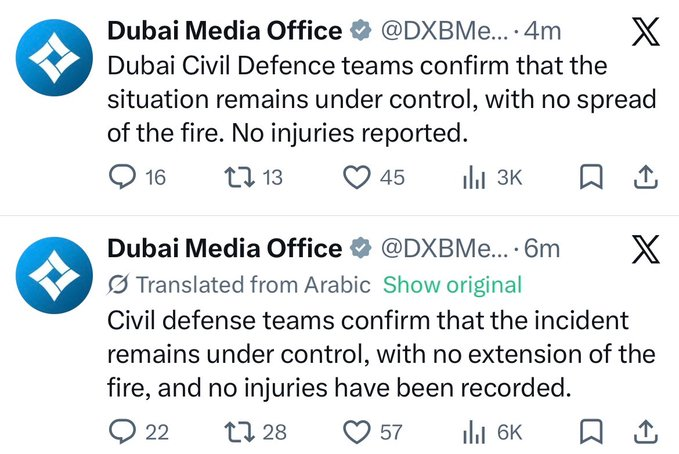
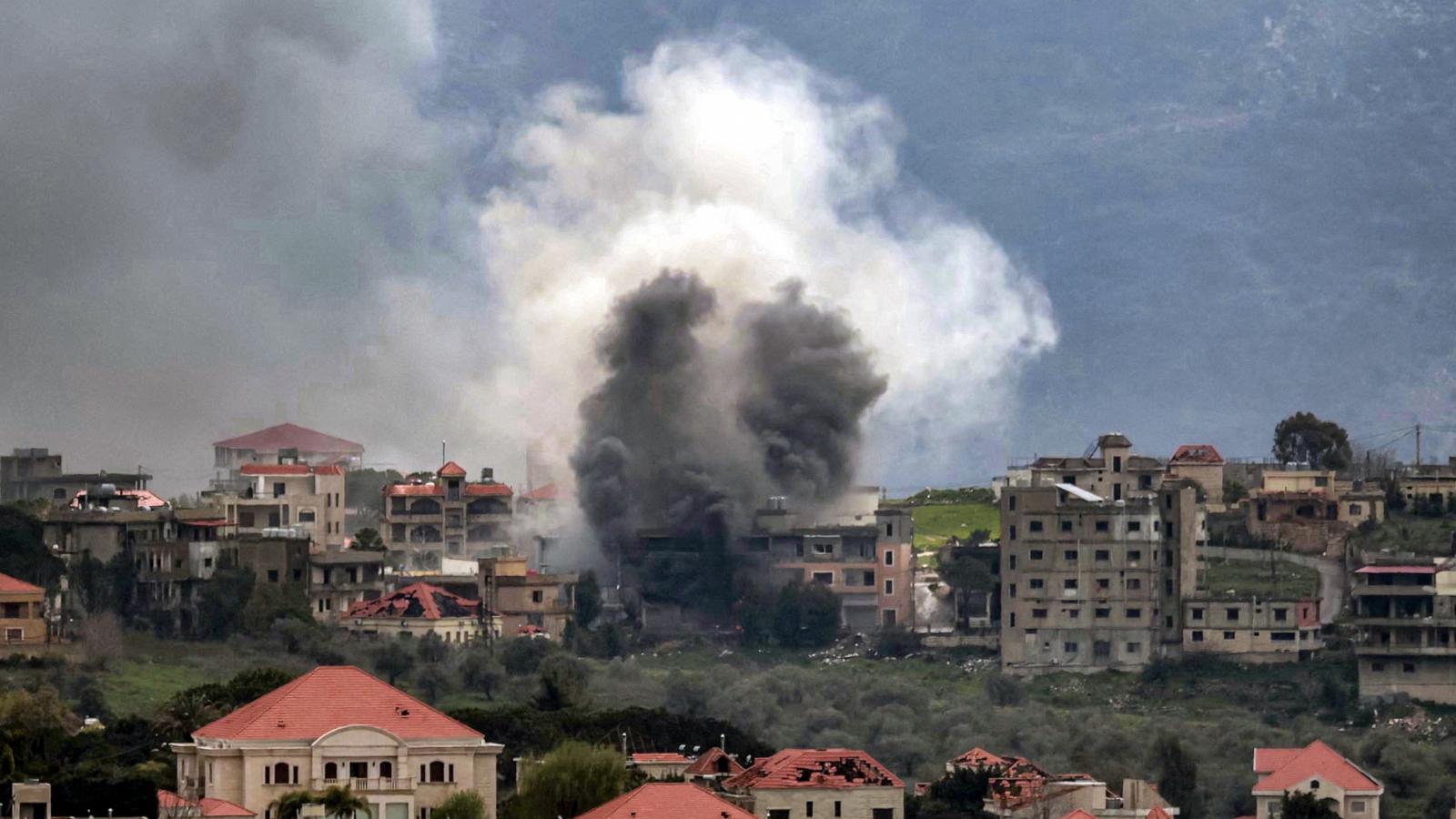
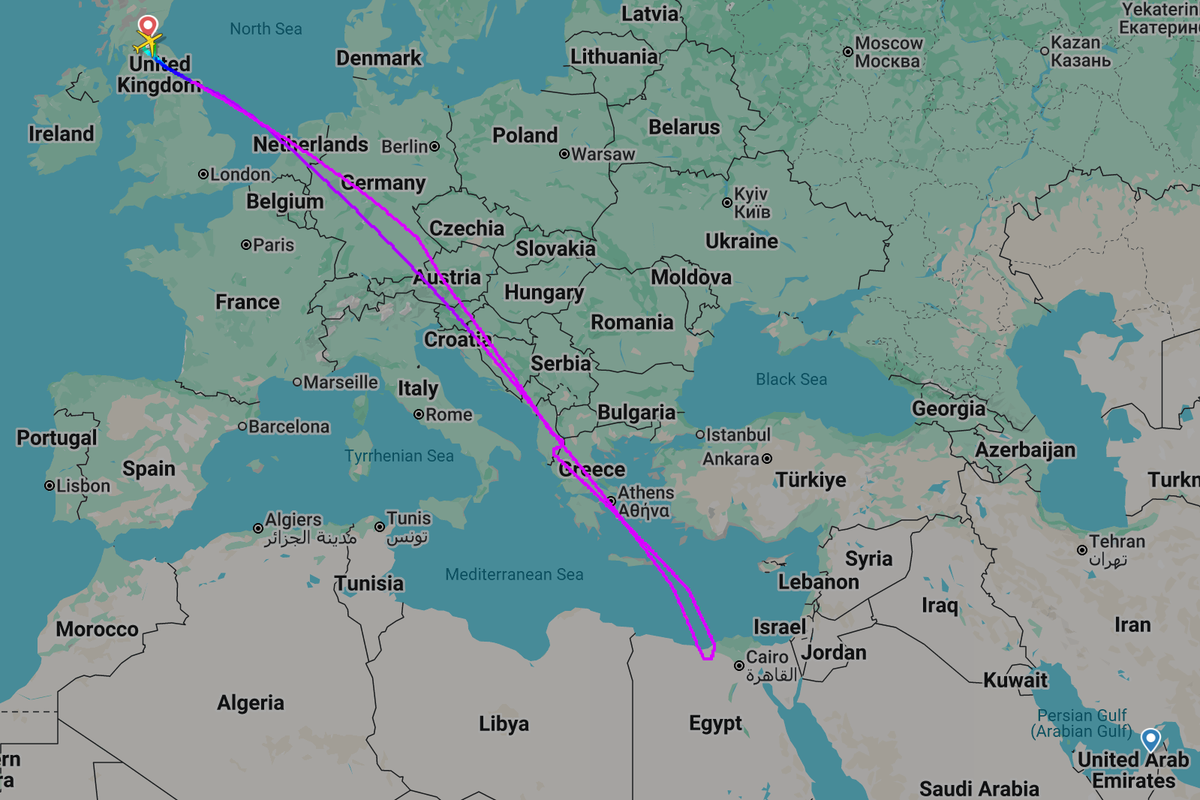
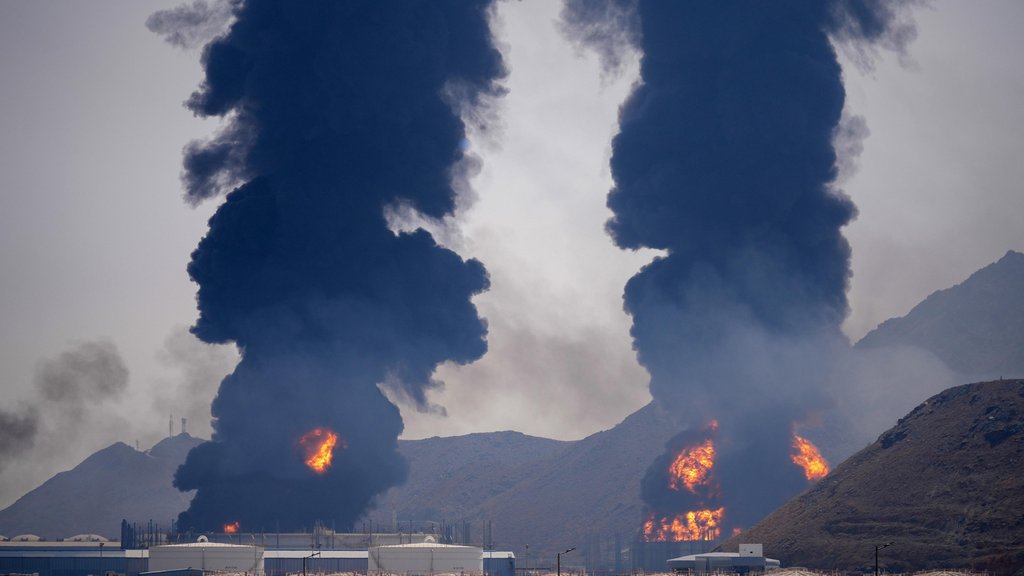
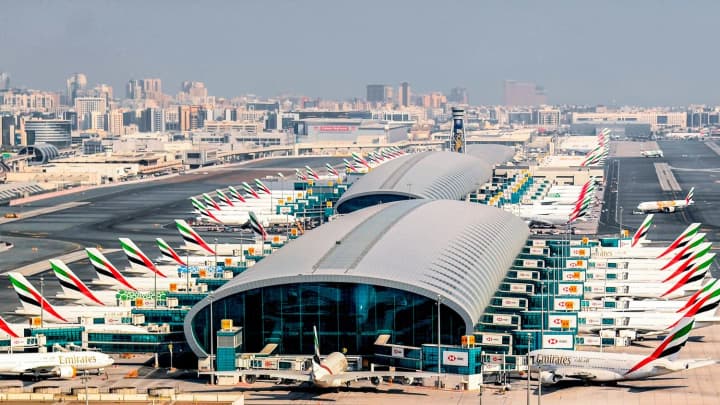
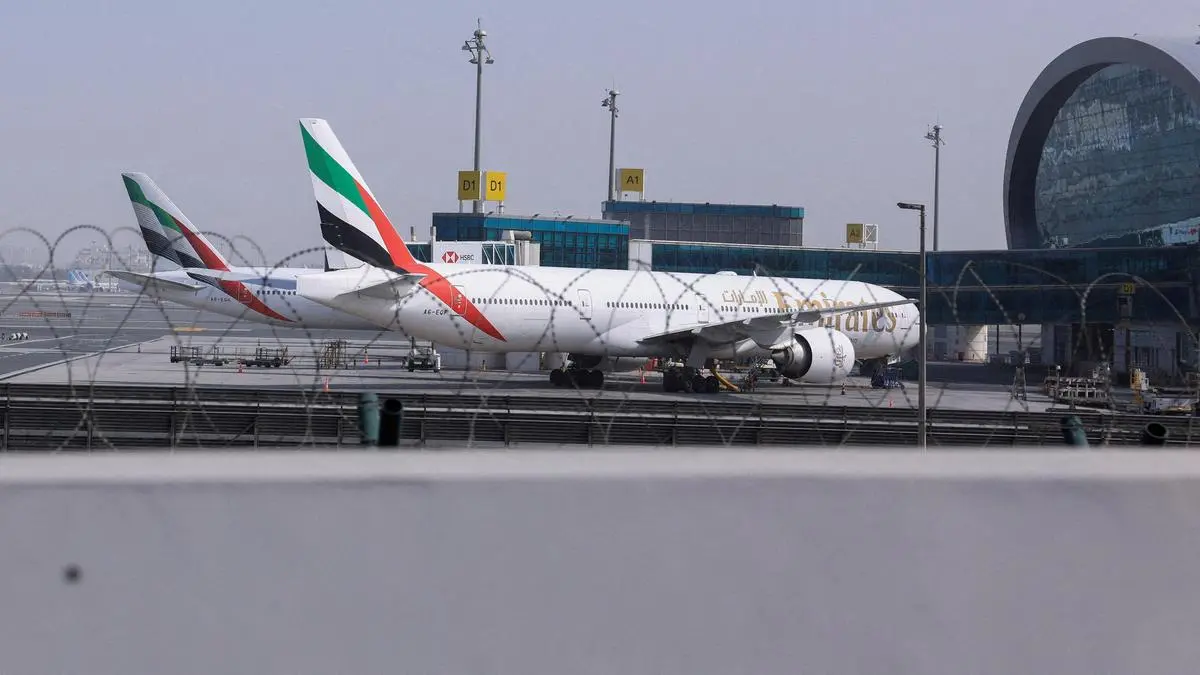
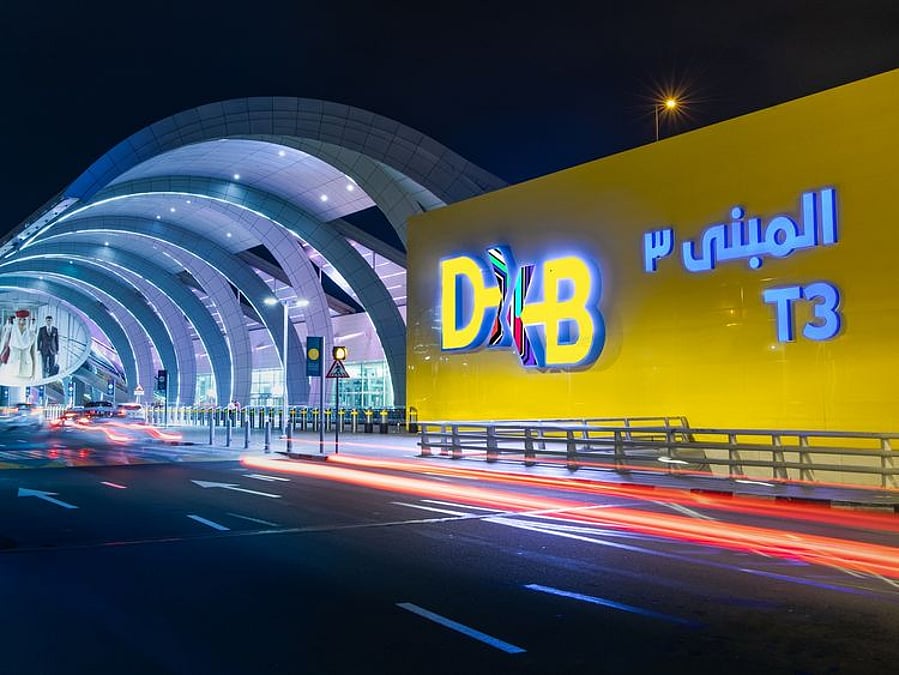
The March 16, 2026 Iranian drone strike on Dubai International Airport represents a critical logistics disruption for cross-border sellers relying on Middle Eastern air freight corridors. This marks the third attack since February 28, 2026, forcing temporary flight suspensions and creating immediate supply chain vulnerabilities for e-commerce operations. Dubai International Airport handles approximately 90 million passengers annually and serves as a critical transshipment hub connecting Asia, Europe, and Africa—making it essential infrastructure for time-sensitive e-commerce shipments.
Immediate Air Freight Cost Impact: Sellers currently routing air cargo through Dubai face 15-25% cost increases as carriers divert shipments to alternative hubs. Standard air freight from Shanghai to London via Dubai typically costs $3.50-4.20/kg; rerouting through Istanbul, Doha, or Abu Dhabi adds $0.80-1.50/kg premium. For a typical 500kg shipment (electronics, apparel, small goods), this represents an additional $400-750 per shipment. Sellers shipping 50+ units weekly via air freight face cumulative monthly cost increases of $8,000-15,000.
Strategic Sourcing Implications: The disruption accelerates a shift toward alternative Middle Eastern logistics hubs. Abu Dhabi International Airport (AUH) and Hamad International Airport in Doha (DOH) are experiencing 30-40% capacity increases as carriers redirect operations. Sellers sourcing from India, Pakistan, and Bangladesh should prioritize air freight through these alternative hubs rather than Dubai. Electronics, fashion accessories, and time-sensitive components benefit most from air freight; sellers should evaluate shifting 20-30% of air shipments to sea freight with 3-4 week lead times to offset air cost premiums.
Inventory Positioning Strategy: Sellers with existing inventory in Dubai warehouses face potential access delays and increased storage costs ($0.15-0.25/kg/month). Immediate action: liquidate 40-50% of non-perishable inventory in Dubai 3PL facilities within 14 days before storage costs compound. Simultaneously, redirect new inventory allocations to Singapore, Hong Kong, and Rotterdam fulfillment centers—these hubs offer 8-12% lower storage costs and maintain reliable air/sea connectivity. For sellers serving Middle East markets (UAE, Saudi Arabia, Qatar), consider pre-positioning inventory in Abu Dhabi or Doha warehouses to maintain regional delivery speeds while avoiding Dubai disruption.
Warehouse Network Optimization: The disruption creates a 60-90 day window to reposition fulfillment infrastructure. Sellers currently using Dubai as a primary transshipment point should activate backup 3PL contracts in Abu Dhabi (DHL Supply Chain, Agility), Doha (Doha Port Authority partners), and Istanbul (Borusan Logistics). Estimated activation costs: $2,000-5,000 per facility plus 15-20% higher monthly storage fees during transition. However, this investment protects against future disruptions and reduces single-point-of-failure risk. For FBA sellers, Amazon's Middle East fulfillment centers in Saudi Arabia and UAE remain operational; prioritize FBA shipments to these locations over 3PL alternatives where possible.
Questions 8
What geopolitical risks should sellers monitor for future supply chain disruptions?
The March 2026 Dubai strikes represent escalating Middle East tensions with ongoing military operations. Sellers should monitor: (1) Iranian military activity targeting Gulf infrastructure, (2) Israeli-Iranian military escalation, (3) US military involvement in the region. Historical patterns show similar conflicts create 60-120 day disruptions. Immediate risk mitigation: diversify logistics hubs (avoid single-point-of-failure), maintain 30-45 day inventory buffers in multiple regions, activate backup 3PL contracts in non-conflict zones, and monitor geopolitical news daily. Consider supply chain insurance ($500-2,000 annually) covering logistics disruptions. For sellers with significant Middle East exposure (>20% revenue), evaluate shifting sourcing to Southeast Asia or Eastern Europe to reduce regional concentration risk.
Which product categories are most affected by Dubai air freight disruptions?
Time-sensitive categories face highest impact: electronics (smartphones, laptops, accessories), fashion (seasonal apparel, trending items), and perishables (food, cosmetics). These categories typically rely on air freight for 2-3 week delivery windows. Affected sellers should expect 15-25% margin compression from air freight cost increases. Lower-margin categories (home goods, furniture, bulk items) should shift to sea freight immediately—the 3-4 week lead time is acceptable for these products. High-velocity SKUs (top 100 products by sales) warrant air freight despite cost increases; slower-moving inventory should consolidate into sea freight shipments. Estimated impact: electronics sellers lose $500-2,000 per shipment; fashion sellers lose $300-1,000 per shipment; home goods sellers can save $1,000-3,000 by switching to sea freight.