



Strait of Hormuz Blockade Crisis | Shipping Costs Surge 15-25% for Cross-Border Sellers
- Iran's 2-week blockade disrupts 21% of global petroleum trade; multinational coalition announced; sellers face immediate logistics cost increases and supply chain delays


-69b7183fc1ff2.jpg)
















Overview
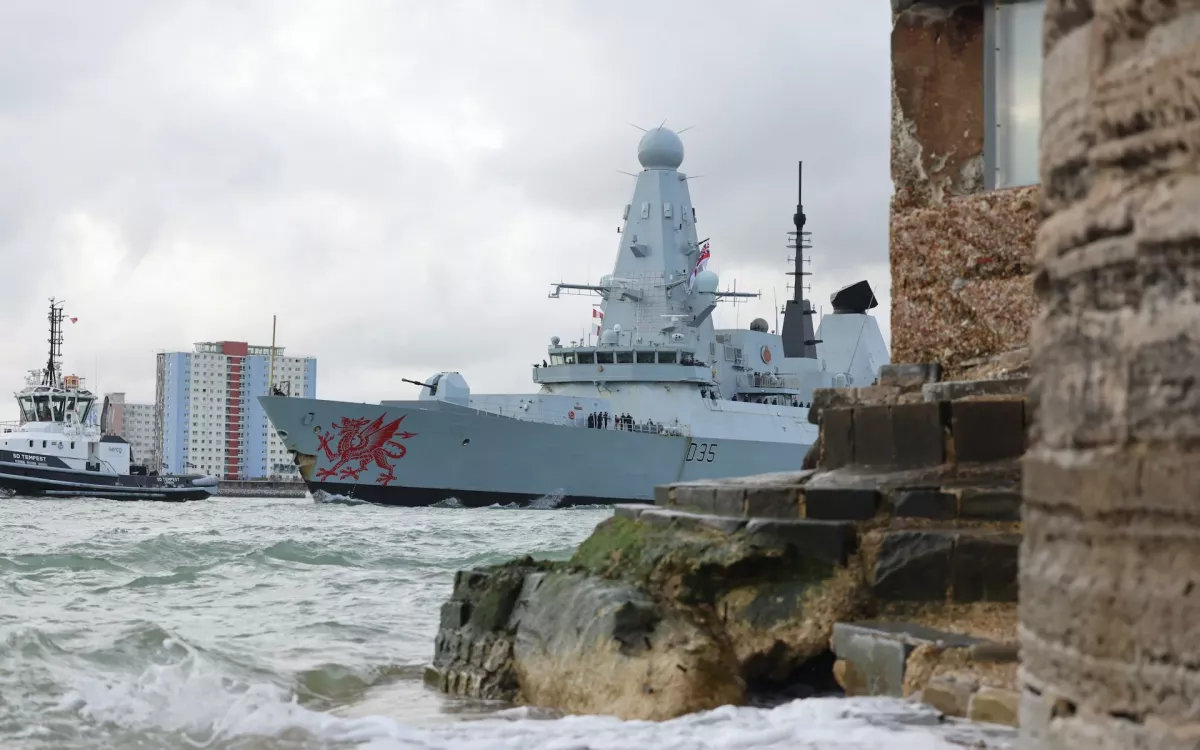
The Strait of Hormuz blockade represents a critical supply chain disruption affecting cross-border e-commerce sellers globally. Iran has effectively blocked the strait for two weeks, disrupting approximately 21% of global petroleum trade and triggering immediate energy price volatility. The Trump administration is announcing a multinational coalition for maritime escort operations, with the UK resisting direct warship deployment but offering mine-hunting drones instead. This geopolitical crisis directly impacts e-commerce logistics costs, shipping timelines, and supply chain planning for sellers sourcing from Asia or exporting to Middle Eastern markets.
For cross-border sellers, the immediate impact manifests through three critical channels: energy cost inflation, shipping route uncertainty, and compliance complexity. The blockade drives up global energy prices, which directly increases air freight costs (typically 15-25% of total logistics spend for time-sensitive shipments) and ocean freight premiums due to insurance and security surcharges. Sellers relying on air freight for perishables, electronics, or fast-moving consumer goods face margin compression of 8-15% depending on product category and current markup. The Strait of Hormuz handles containerized goods, raw materials, and manufactured products destined for global markets—meaning any disruption affects inventory replenishment cycles. Naval experts warn that escort operations could restore only 10% of pre-blockade traffic, suggesting prolonged supply chain stress. The US Navy's capacity constraints (only 50 of 73 Arleigh Burke-class destroyers are combat-ready globally) indicate escort operations may take weeks to establish, creating a critical window of 2-4 weeks where sellers face severe shipping delays and route alternatives.
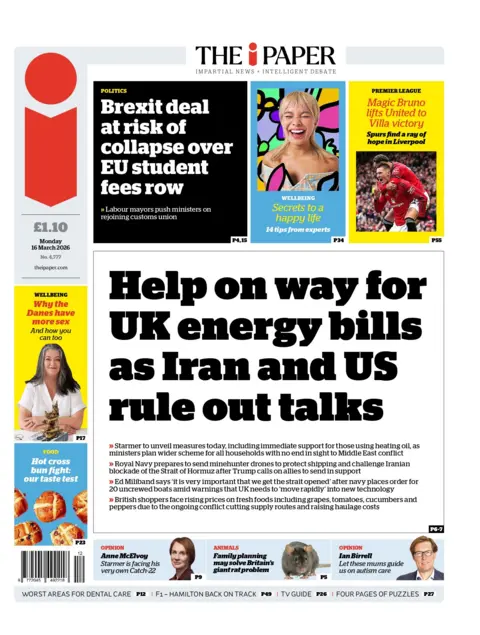
Strategic sourcing shifts are already underway as sellers evaluate alternative logistics corridors. The blockade incentivizes sellers to explore non-Hormuz routes (via Suez Canal or around Africa), which add 10-15 days to transit times and 8-12% to shipping costs. Sellers with inventory in Southeast Asia (Vietnam, Thailand, Indonesia) face particular pressure, as these regions typically route 40-50% of exports through the Strait. The UK's energy bill subsidy announcement signals consumer purchasing power constraints in the UK market, potentially reducing demand for discretionary goods while increasing demand for energy-efficient products. India's successful negotiation of safe passage for two gas tankers demonstrates that bilateral diplomatic coordination can create temporary corridors—sellers with established relationships in India or GCC nations (Saudi Arabia, UAE, Kuwait, Qatar, Bahrain, Oman) may gain competitive advantages through alternative routing partnerships. The Trump administration's criticism of NATO allies and emphasis on trade reciprocity signals potential tariff policy shifts that could compound logistics cost increases with additional import duties, particularly for US-based sellers importing goods through affected corridors.
Questions 8
How should sellers adjust inventory planning for supply chain delays?
The 2-4 week window for escort operation establishment creates acute supply chain risk. Sellers should increase safety stock by 15-20% for products with 4-8 week lead times from Asia. The blockade disrupts containerized goods, raw materials, and manufactured products—affecting virtually all cross-border sellers. Sellers should implement dual-sourcing strategies: maintain 30-40% of inventory from non-Hormuz regions (India, Vietnam, Mexico) to ensure supply continuity. Monitor the Trump administration's coalition announcement (expected within one week) for implementation timeline clarity. If escort operations commence immediately, supply chains normalize within 3-4 weeks; if delayed, sellers face 6-8 week disruptions. Contingency planning should include 3PL provider diversification and alternative fulfillment center activation in key markets (EU, Middle East, Asia Pacific).
What tariff policy risks emerge from Trump's NATO criticism?
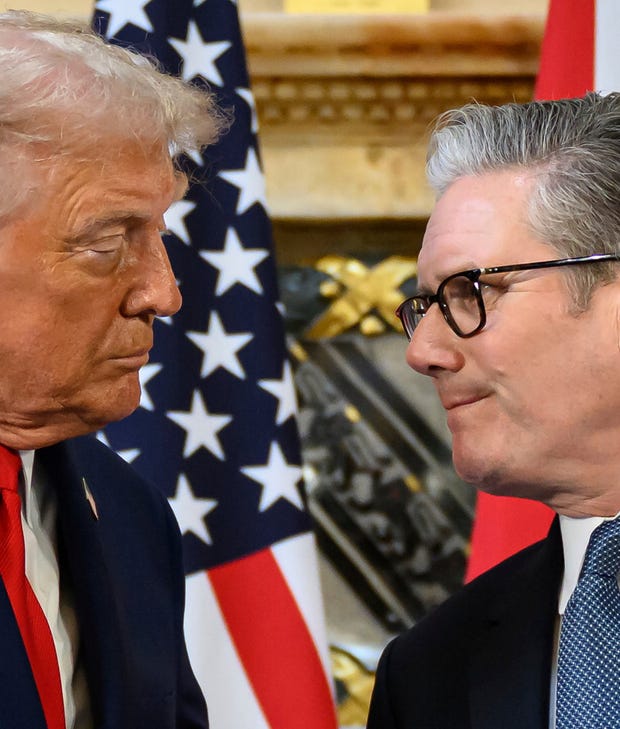
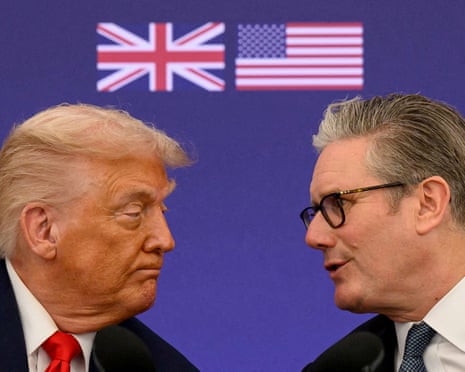
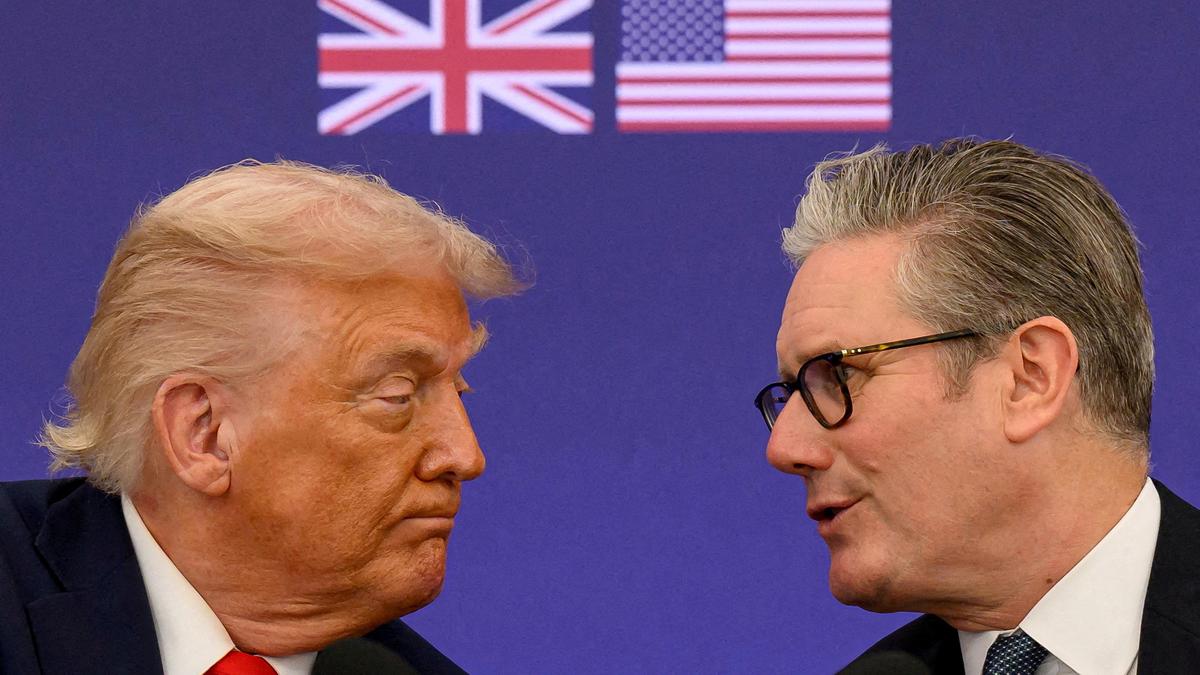
Trump warned NATO would face 'a very bad future' if allies don't support US operations, signaling potential trade policy retaliation. Trump's criticism of UK Prime Minister Starmer for resisting warship deployment suggests transatlantic trade tensions could escalate. Historically, Trump administration trade disputes result in 10-25% tariff increases on affected categories. US-based sellers importing goods from EU or UK suppliers should monitor tariff announcements closely, as retaliatory tariffs could increase import costs by 10-25% by Q2 2025. Sellers should consider tariff hedging strategies: accelerating imports before potential tariff increases, diversifying sourcing away from EU/UK suppliers, or shifting manufacturing to tariff-advantaged regions (Mexico, Vietnam, India). The coalition announcement timing (within one week) suggests policy clarity may emerge by early March 2025.