



Middle East Conflict Disrupts Global Supply Chains | Sellers Face 8-12% Shipping Cost Surge
- Strait of Hormuz closure drives oil prices above $105/barrel, impacting fulfillment costs for cross-border sellers shipping to Asia-Pacific and Middle East regions through Q2 2026
















Overview
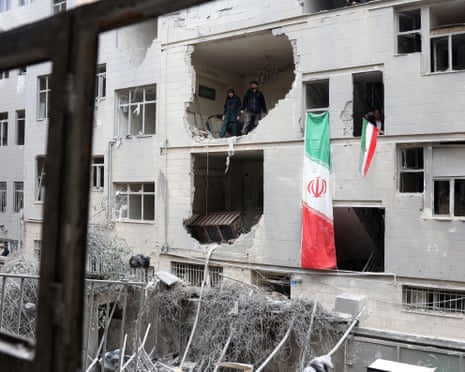
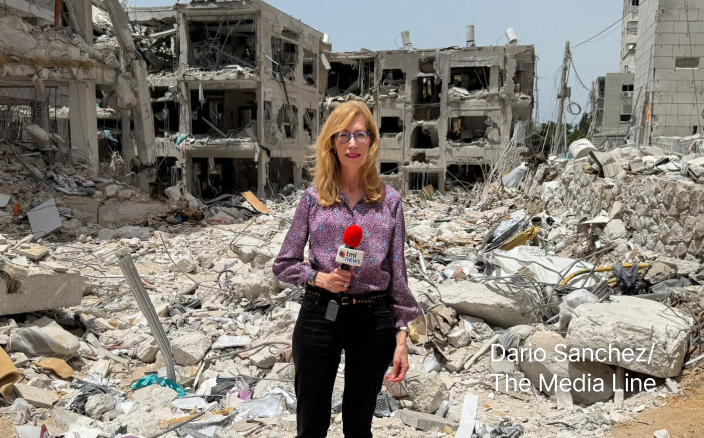
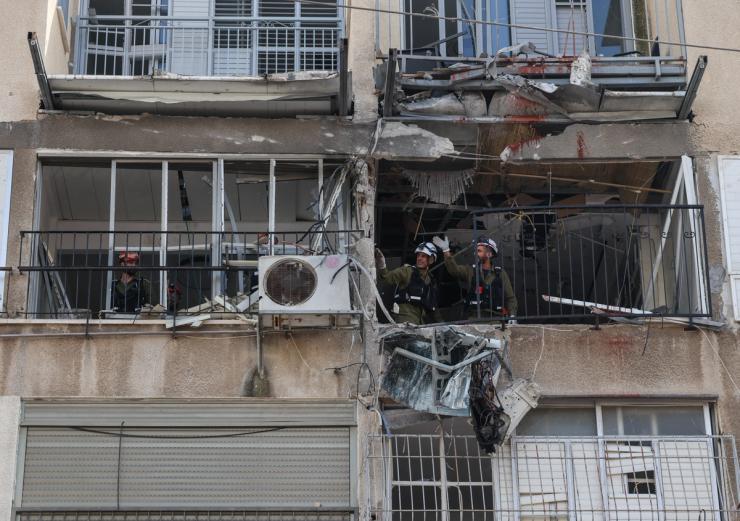
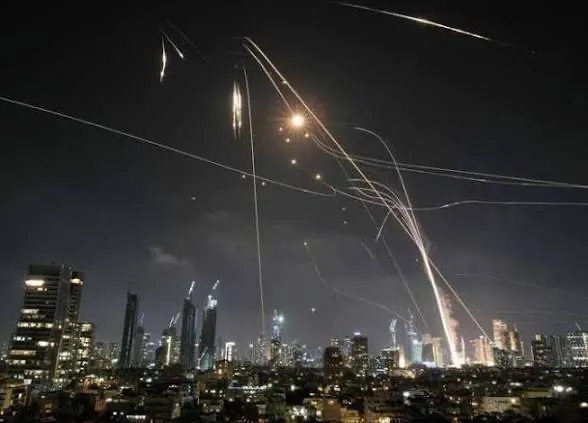
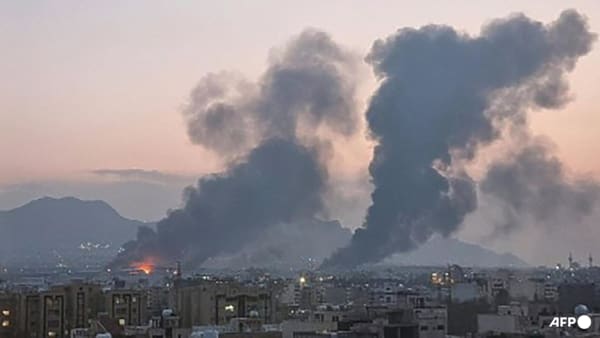
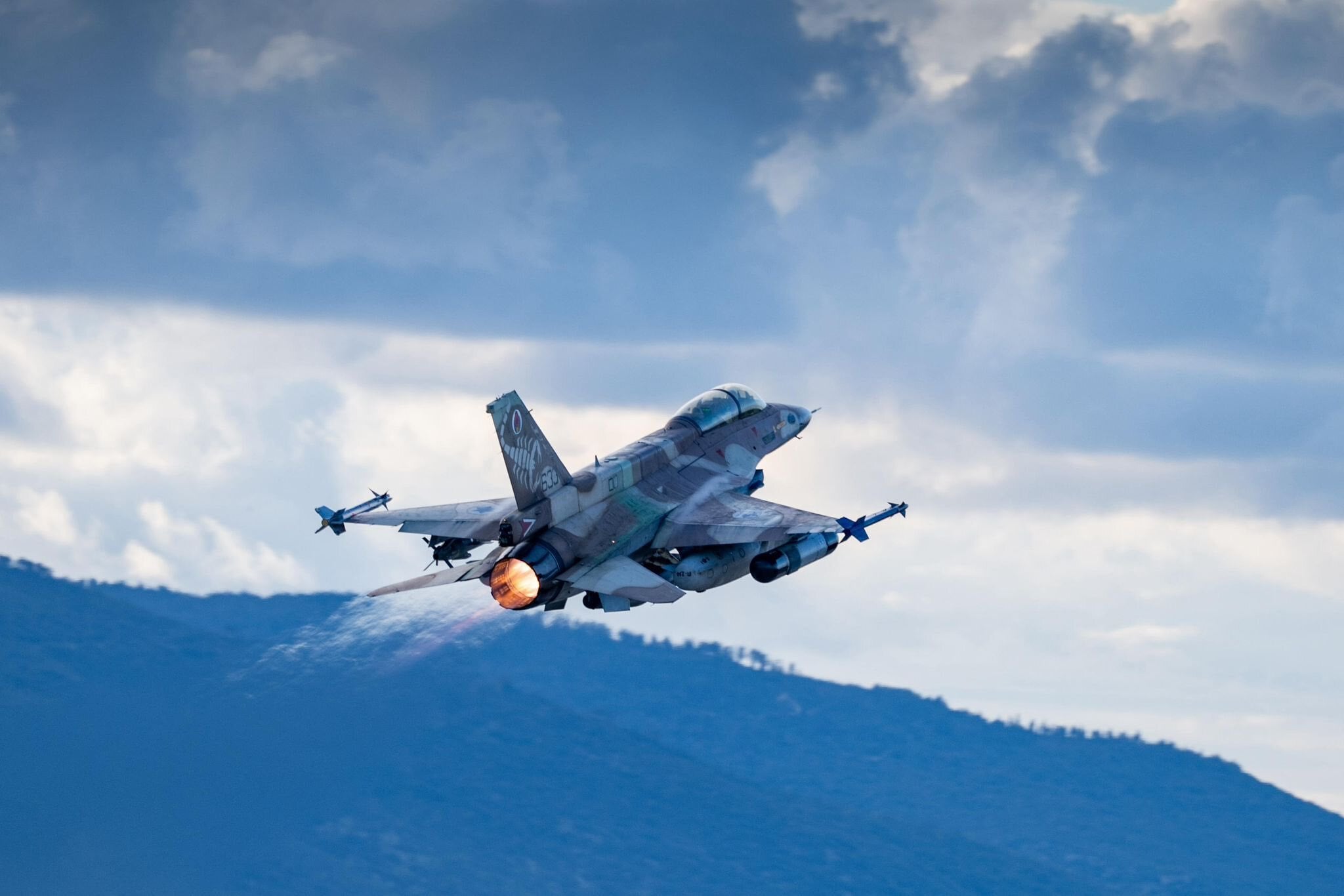
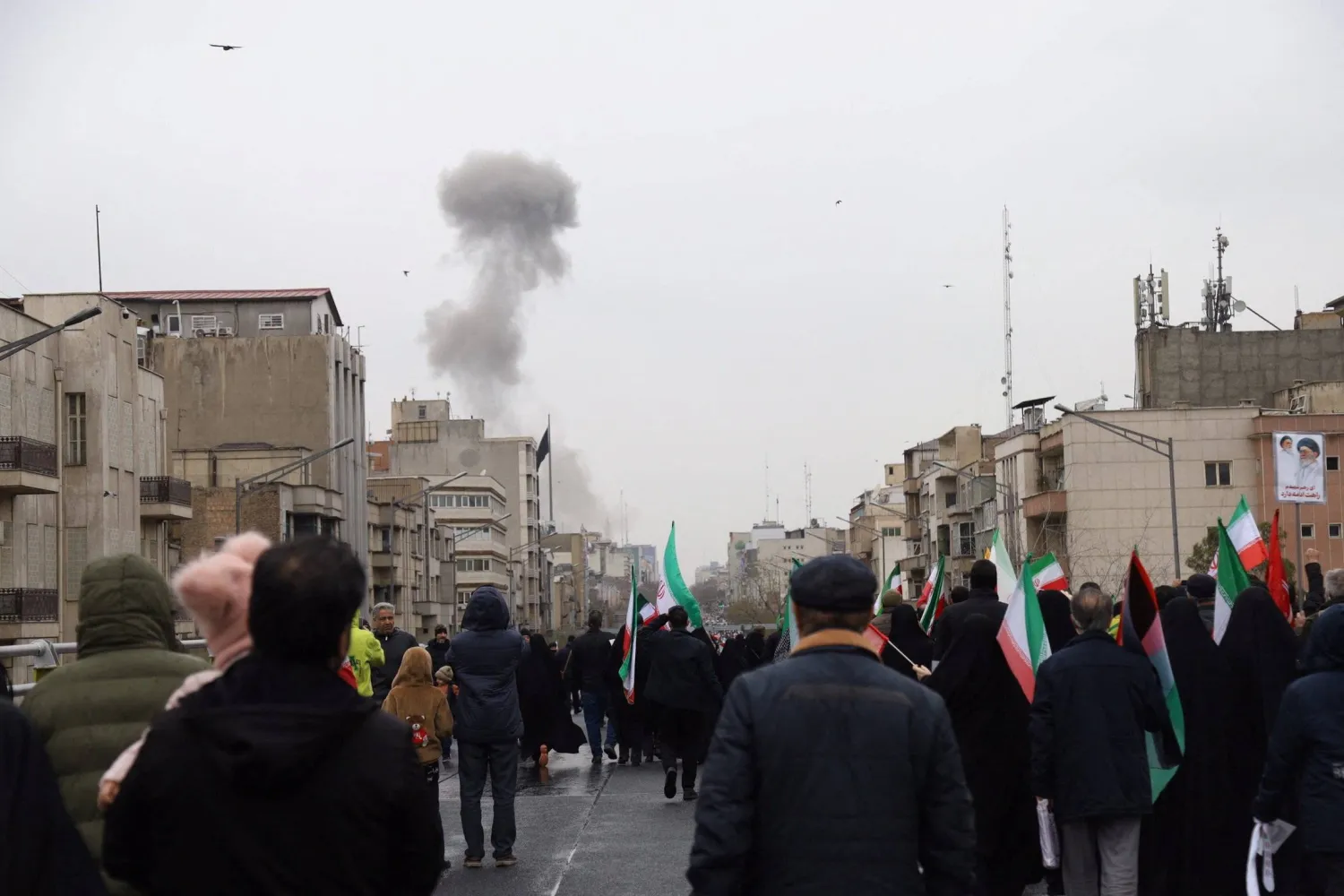
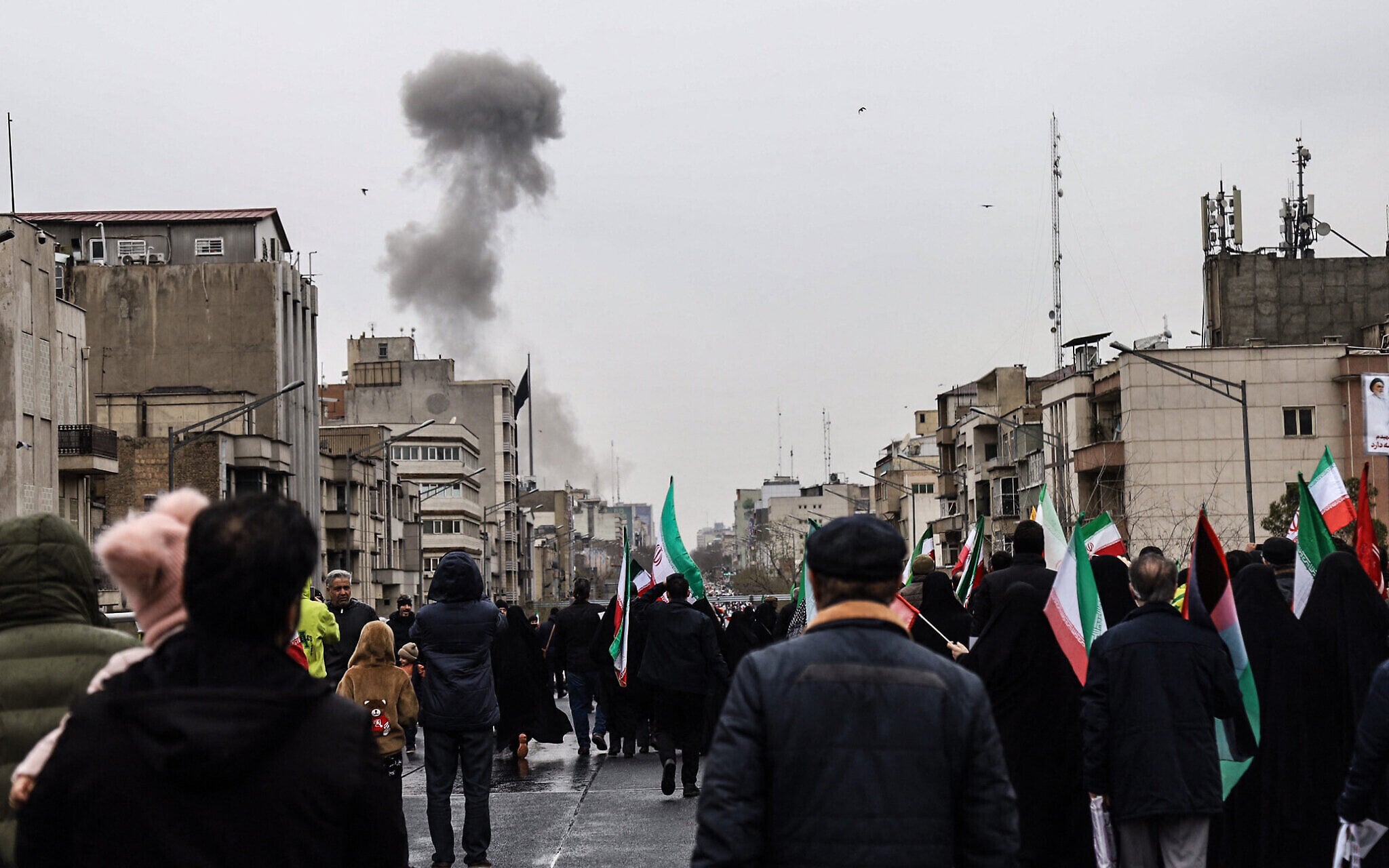
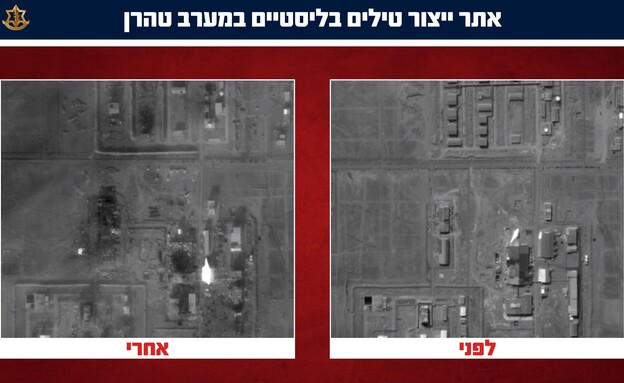
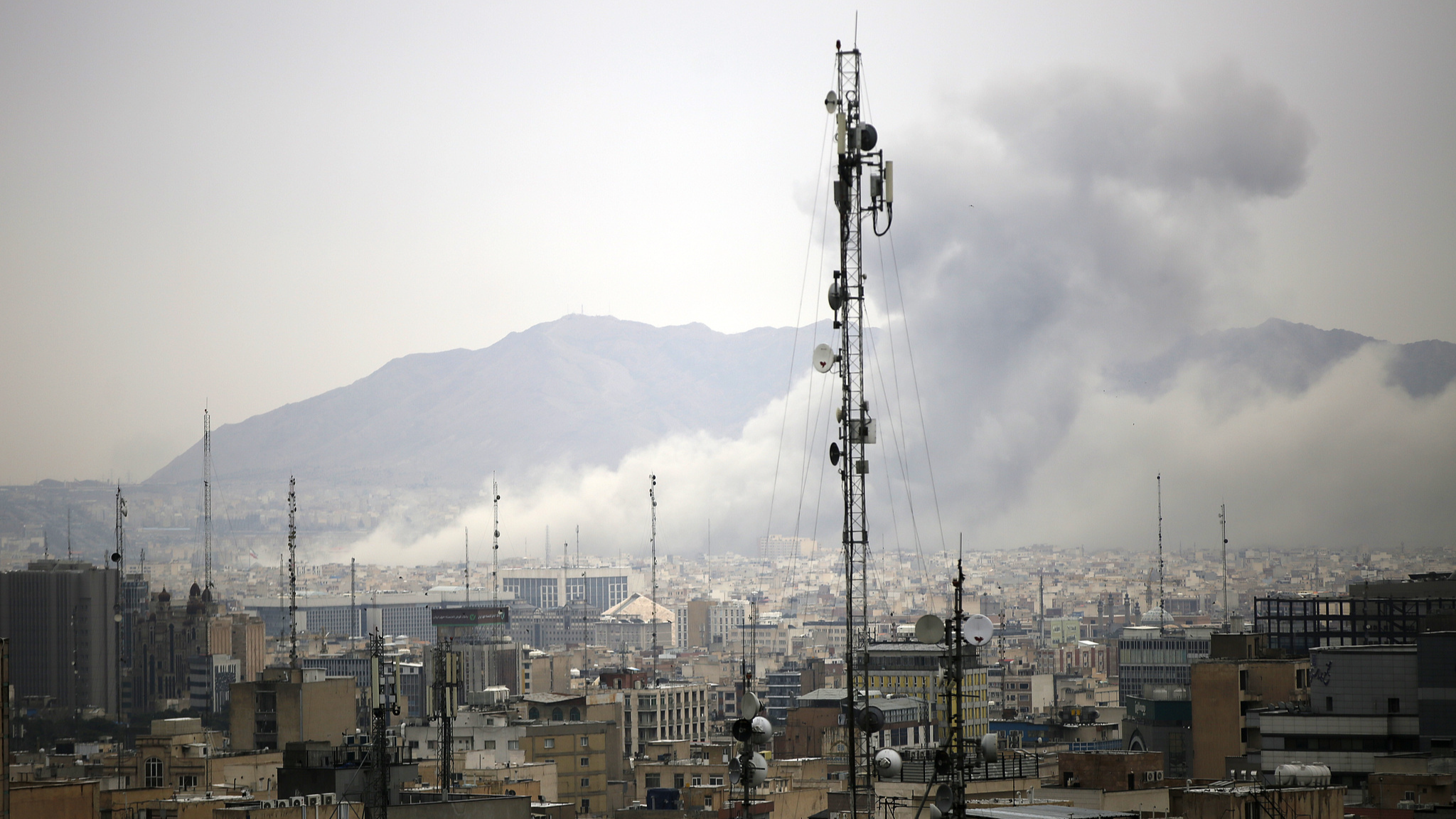
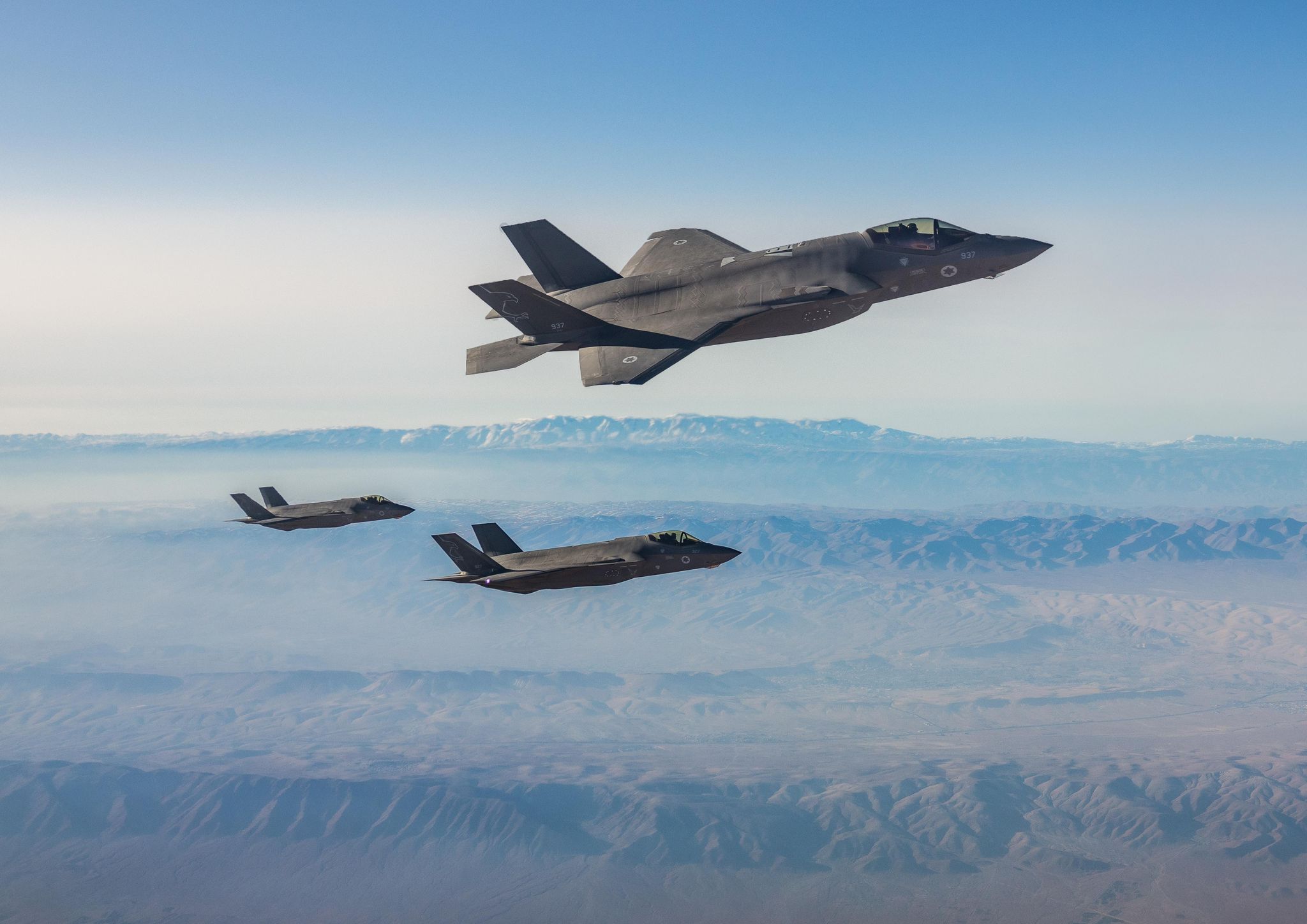
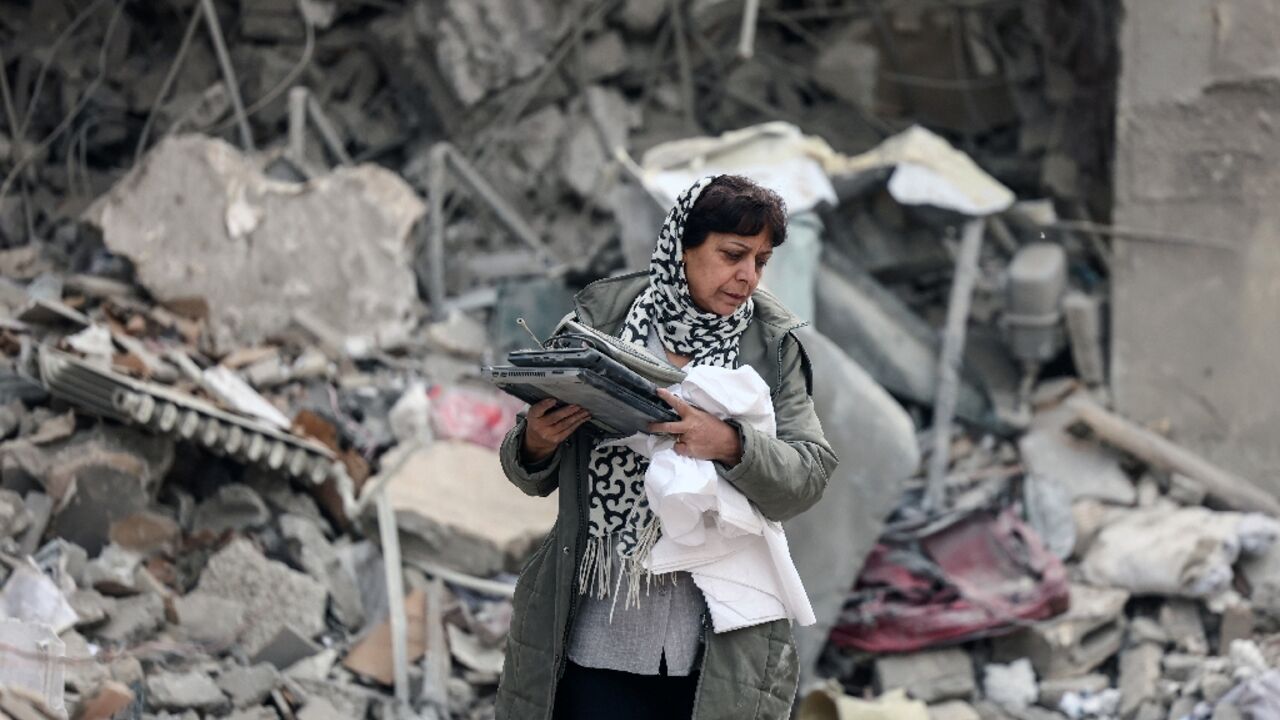
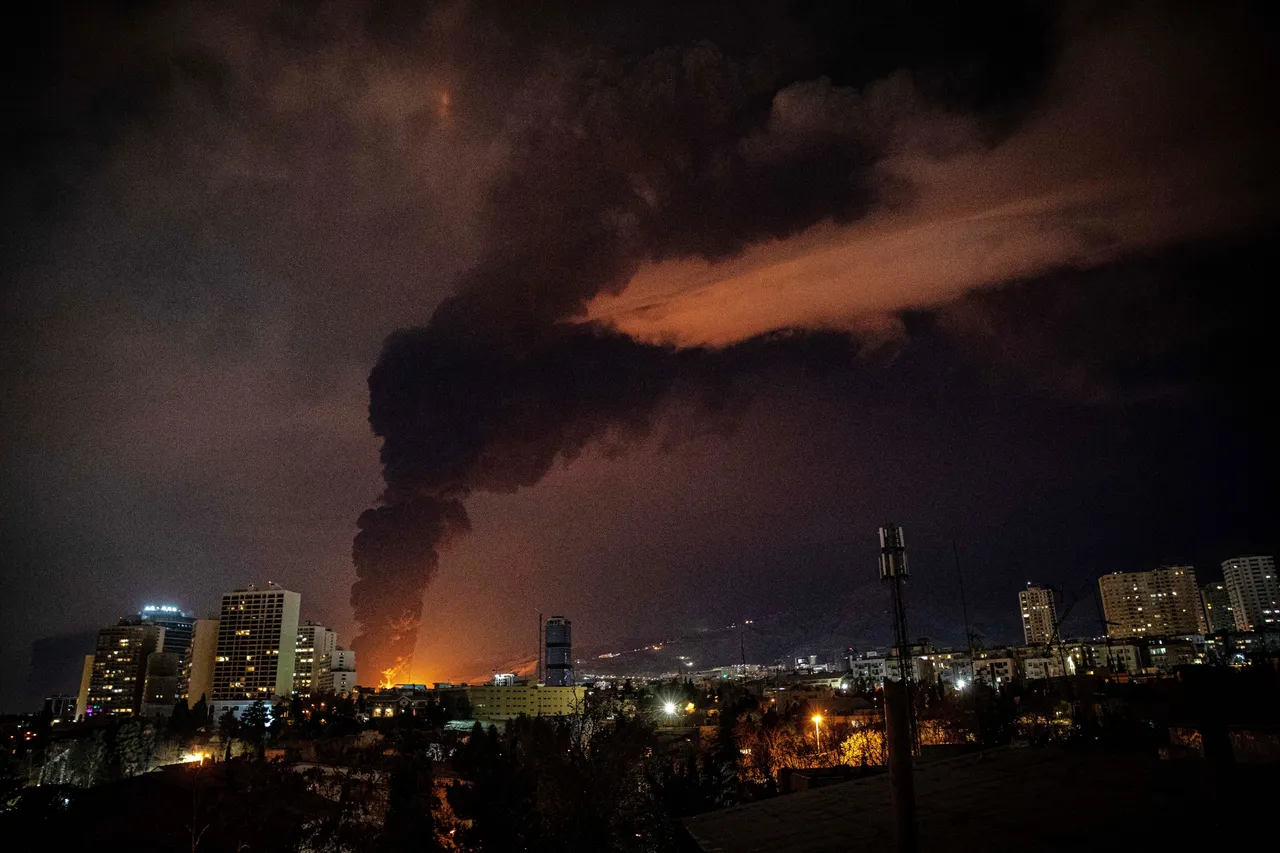
The escalating Israel-Iran conflict beginning March 15-16, 2026, has created a critical supply chain disruption affecting cross-border e-commerce sellers globally. Brent crude oil prices have surged above $104.50-$105 per barrel—the highest level since July 2022—driven by Strait of Hormuz closure, through which approximately 20% of global oil supply flows. This geopolitical crisis directly impacts seller economics through elevated logistics costs, extended shipping timelines, and regional market volatility that will persist for at least 3-6 weeks based on military projections.
Immediate Cost Impact for Sellers: The oil price spike translates to 8-12% increases in fulfillment expenses for sellers using FBA, 3PL providers, and international shipping services. Sellers shipping to India, Southeast Asia, and Middle East markets face the highest vulnerability due to regional dependence on Middle Eastern oil and gas imports. Dubai International Airport experienced temporary closures following drone strikes, disrupting air freight operations for time-sensitive categories (electronics, fashion, perishables). The 22 Indian-flagged vessels with 611 seafarers remain stranded west of the Strait, signaling extended delays for sellers relying on ocean freight from Asia to Europe/US markets.
Regional Market Dynamics: The conflict creates divergent seller opportunities by geography. South Asian sellers (India, Bangladesh) face 12-15% margin compression on fulfillment costs, making price-sensitive categories (apparel, home goods) less profitable. Conversely, sellers in energy-dependent regions may see demand spikes for alternative energy products, portable power solutions, and emergency preparedness items. Trump administration officials expect resolution within weeks, but Israel projects operations continuing for at least 3 additional weeks beyond March 15, suggesting supply chain disruption through early-to-mid April 2026. Sellers should anticipate extended lead times (5-7 additional days for ocean freight, 2-3 days for air freight) and implement dynamic pricing strategies to maintain margins amid rising logistics costs.
Strategic Seller Actions: Monitor fuel surcharges from FBA and 3PL providers (typically 3-5% of base shipping fees during oil price spikes), adjust inventory positioning to reduce long-haul shipments, and consider temporary price increases of 5-8% in affected categories. Sellers with inventory in UAE warehouses should expedite shipments before further regional disruptions. Track Strait of Hormuz status daily through shipping industry alerts and adjust fulfillment strategies based on 3-week operational windows announced by military sources.
Questions 8
How should I communicate shipping delays to my Amazon and Shopify customers?
Update your customer-facing messaging immediately: (1) On Amazon, increase your handling time by 5-7 days in Seller Central settings, (2) On Shopify, update shipping policy to reflect extended timelines with specific language: 'Due to Middle East supply chain disruptions, orders may experience 5-7 day delays,' (3) Send proactive emails to customers with pending orders explaining delays and offering 10-15% discounts on future purchases as goodwill. Transparency reduces negative reviews—customers expect delays during geopolitical crises if informed early. Monitor your A-to-Z guarantee claim rates; expect 2-3% increases due to late deliveries. Plan to revert messaging once Strait of Hormuz operations stabilize and shipping normalizes.
Are there product opportunities created by the Middle East conflict?
Yes, demand spikes are emerging in three categories: (1) Alternative energy products (solar chargers, power banks, portable generators) typically see 15-25% demand increases during supply disruptions, (2) Emergency preparedness items (first aid kits, water filters, backup supplies) see 10-20% increases, (3) Fuel-efficient products (LED lighting, energy-saving appliances) see 8-12% increases. These categories typically maintain 20-30% higher margins than standard products. If you have inventory in these categories, increase PPC budgets by 20-30% to capitalize on elevated search volume. However, avoid over-investing in new inventory—supply chain uncertainty may reverse demand within 4-6 weeks once the conflict resolves.