




Strait of Hormuz Naval Protection | Asia-Europe Shipping Costs & Timeline Impact
- EU extends military mission to secure 20-21% of global oil trade; sellers face 8-15% freight volatility and insurance premium increases through 2025





























Overview
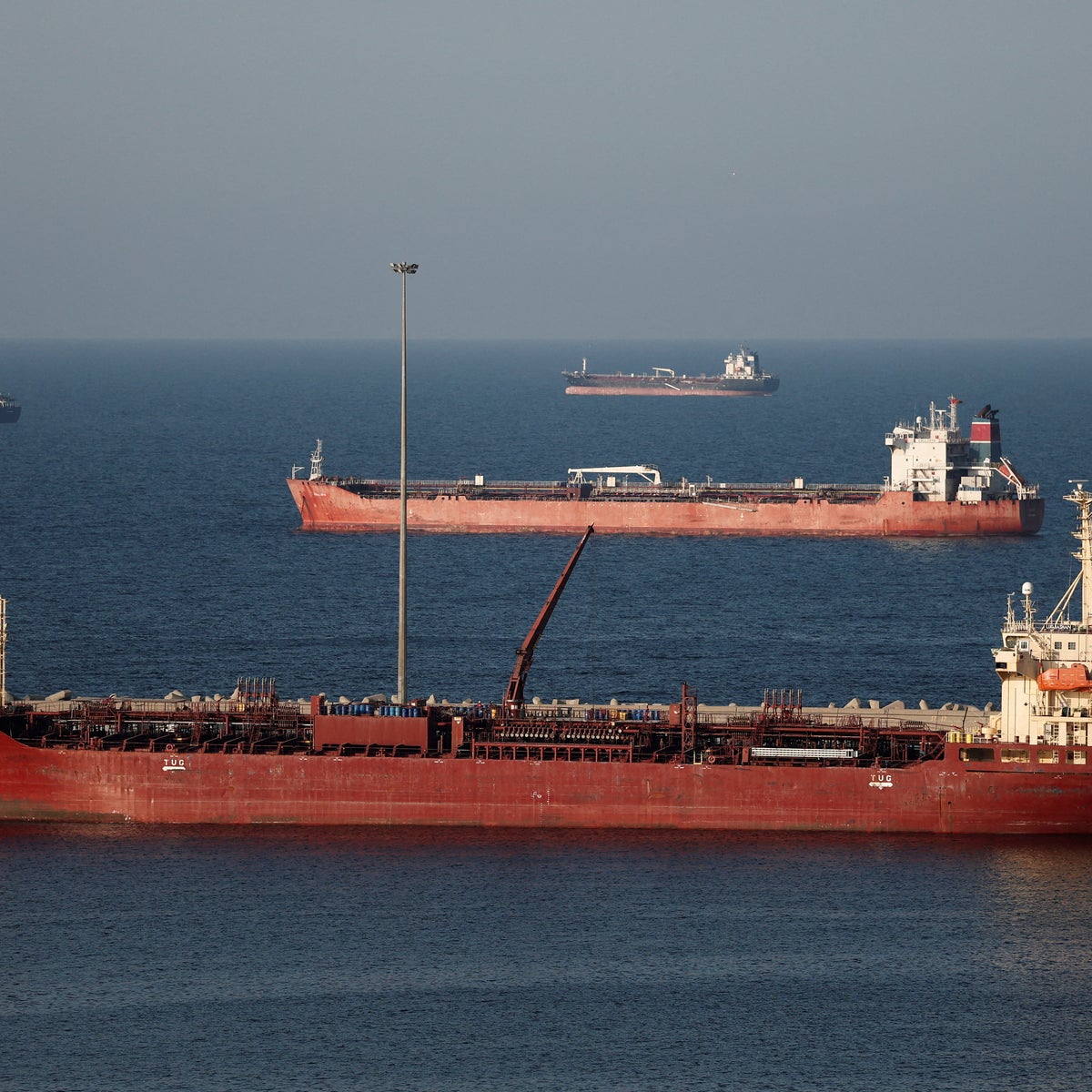
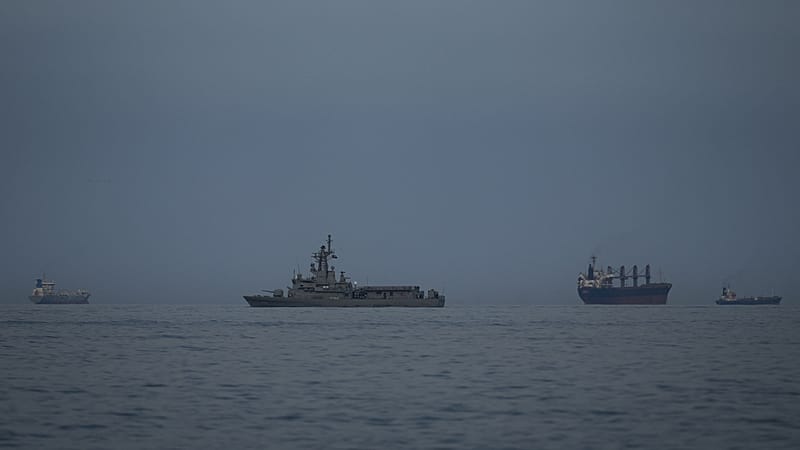
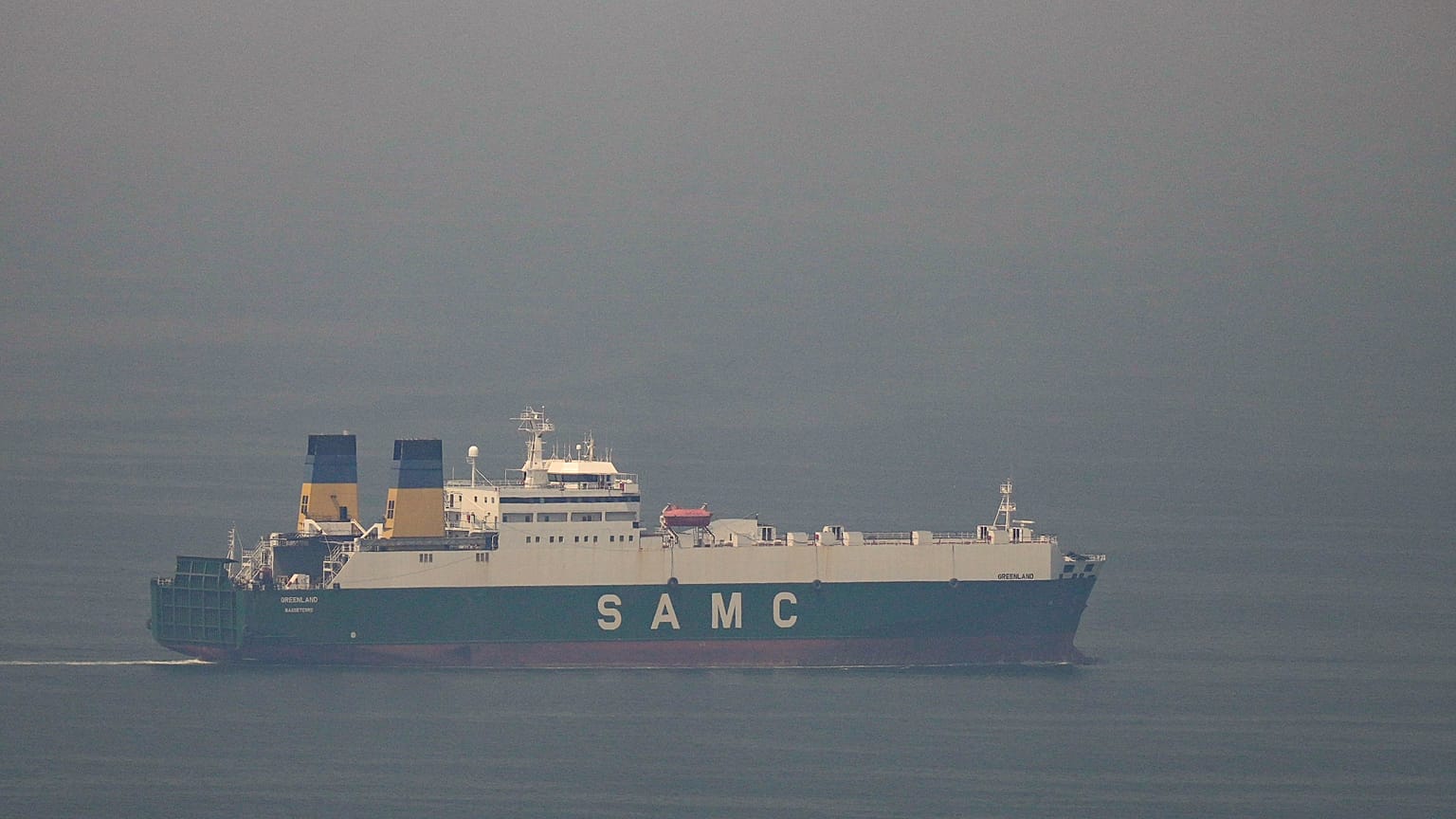
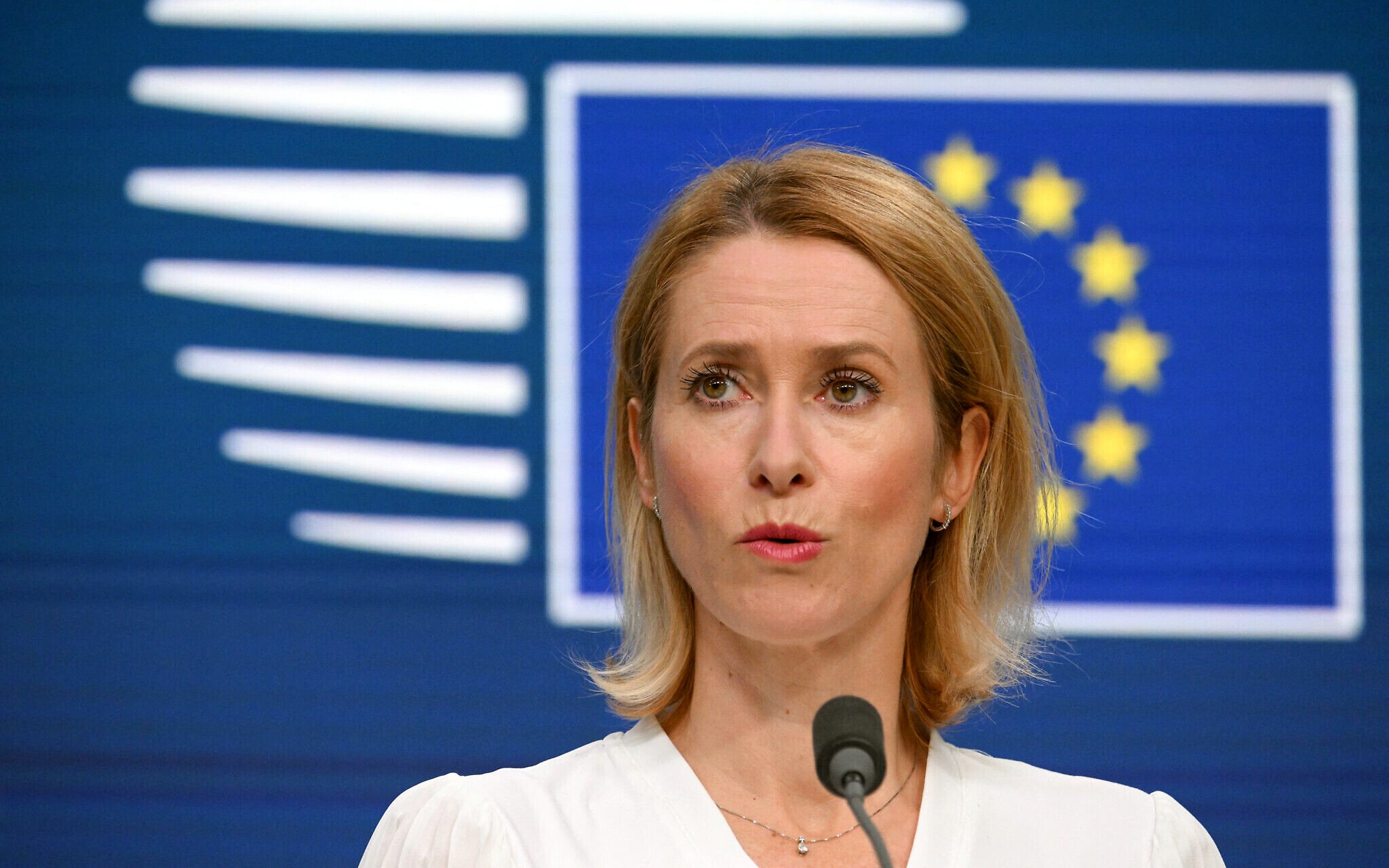
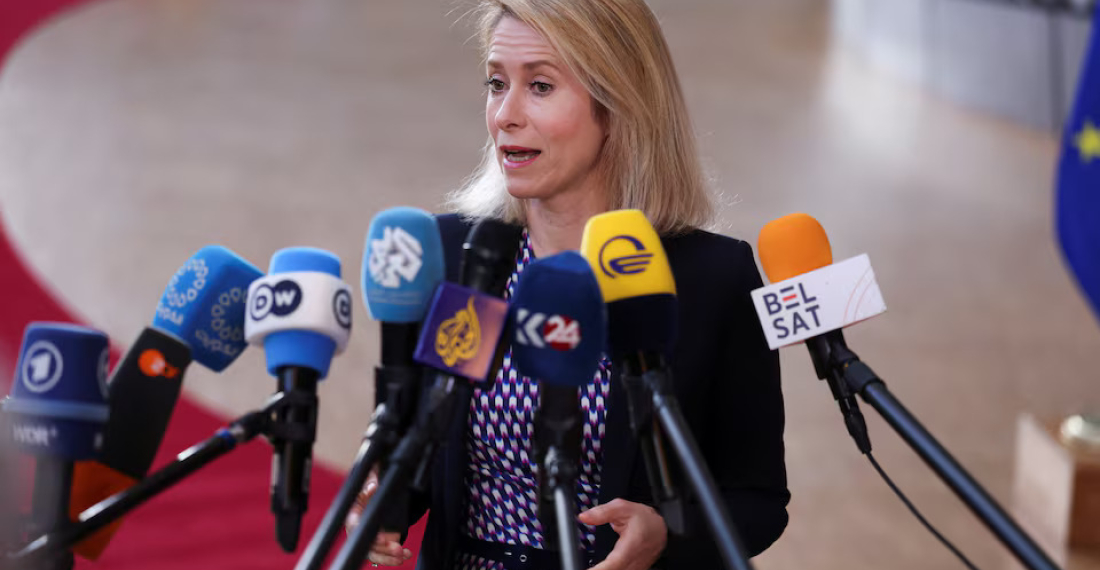
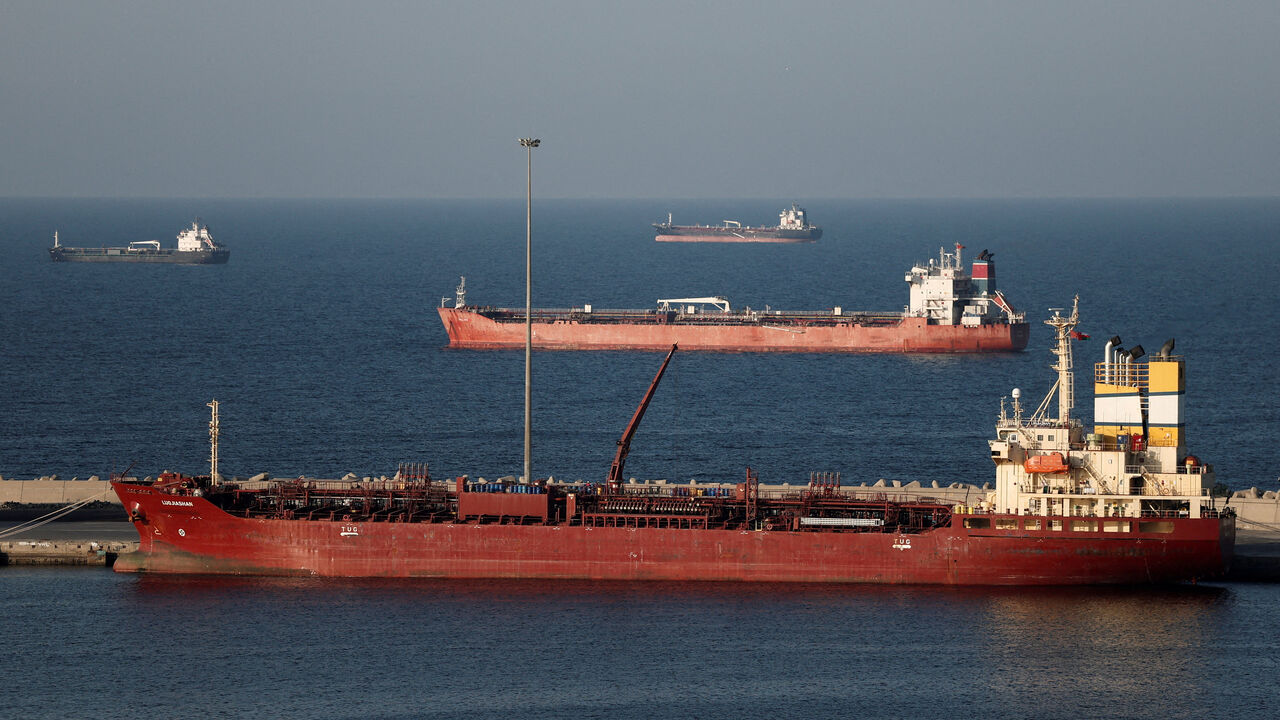
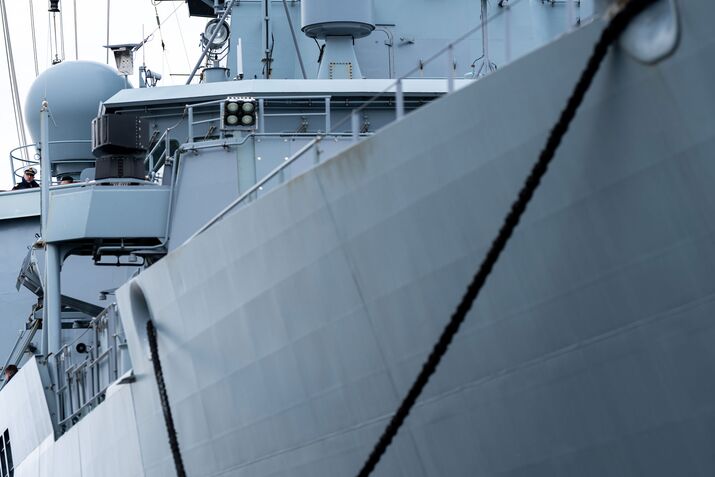
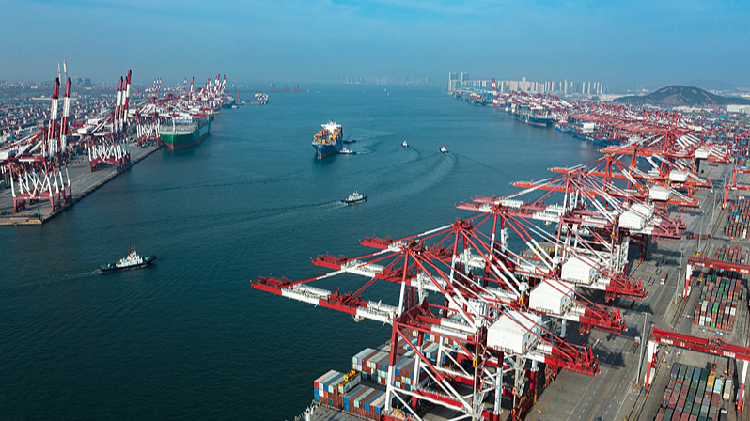
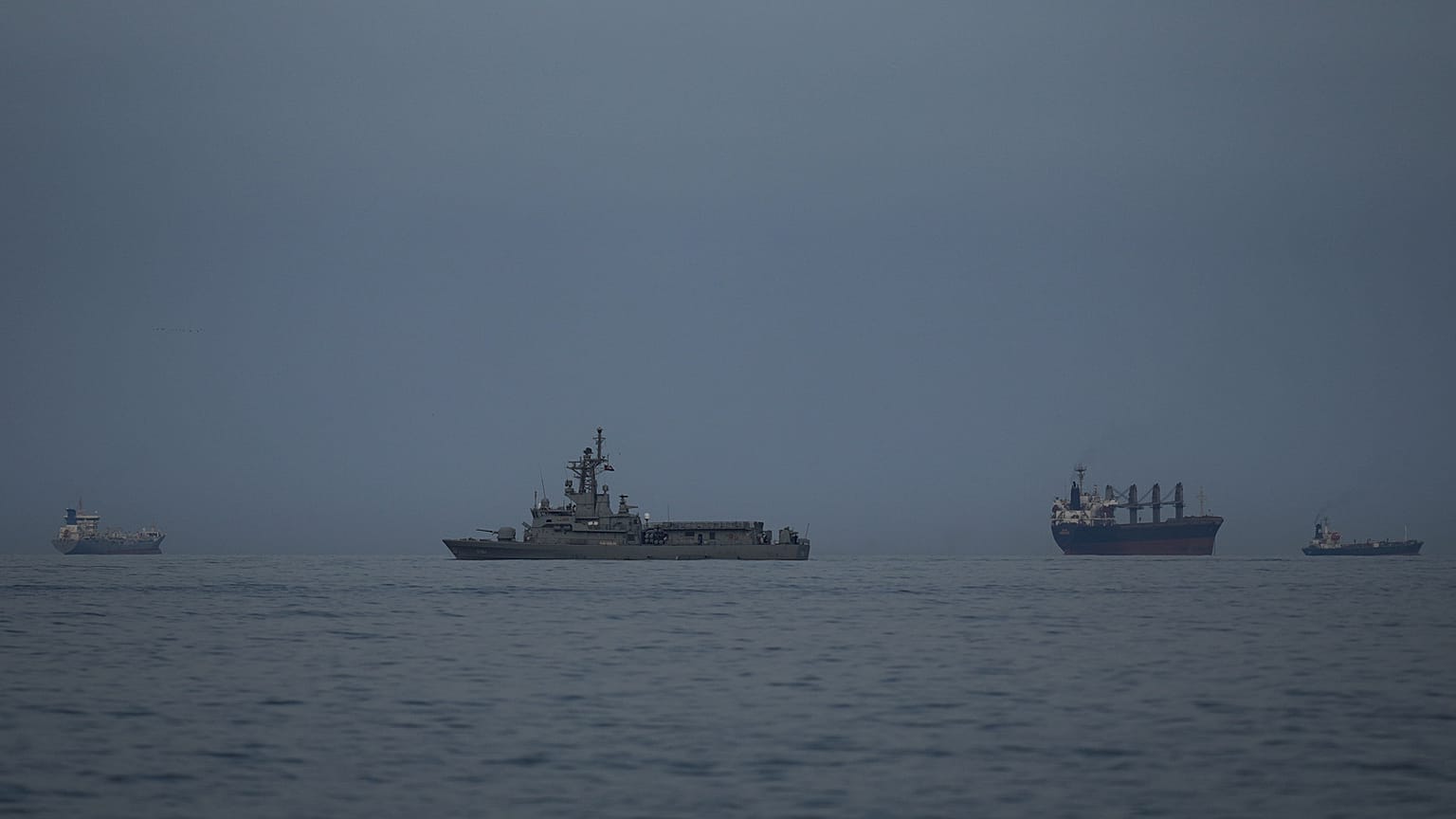
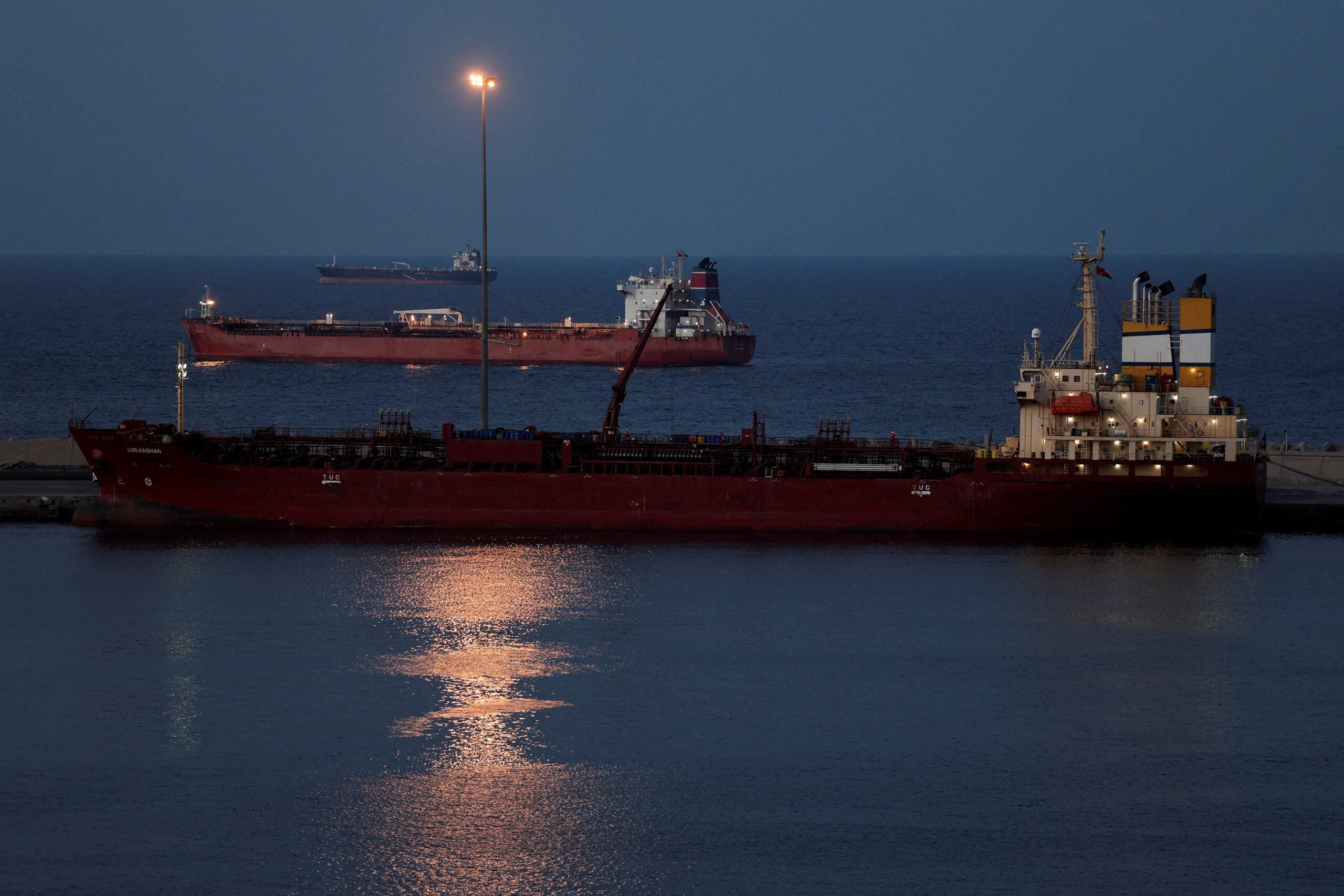
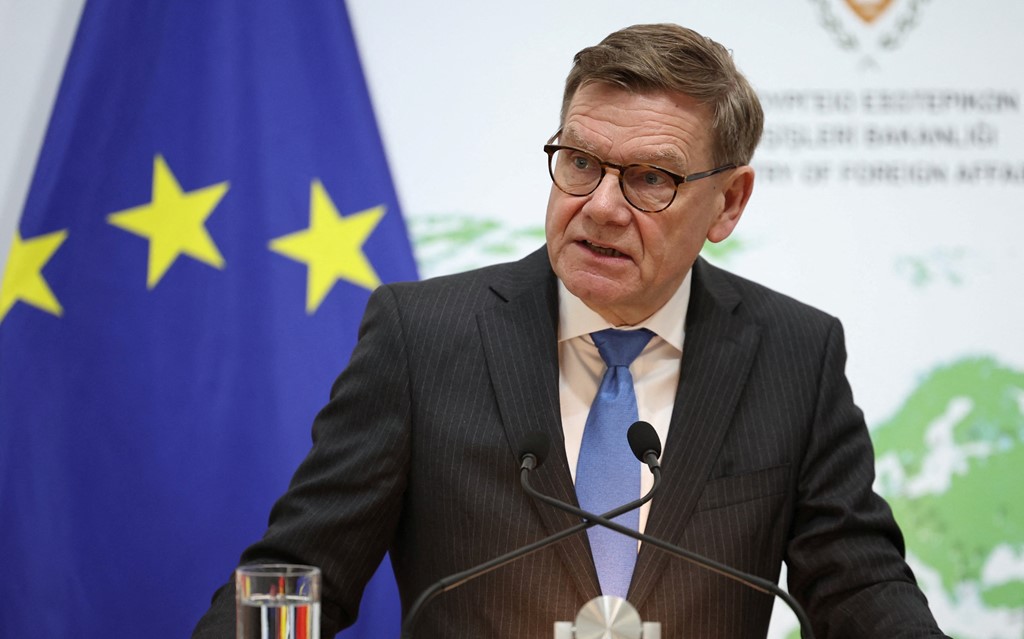
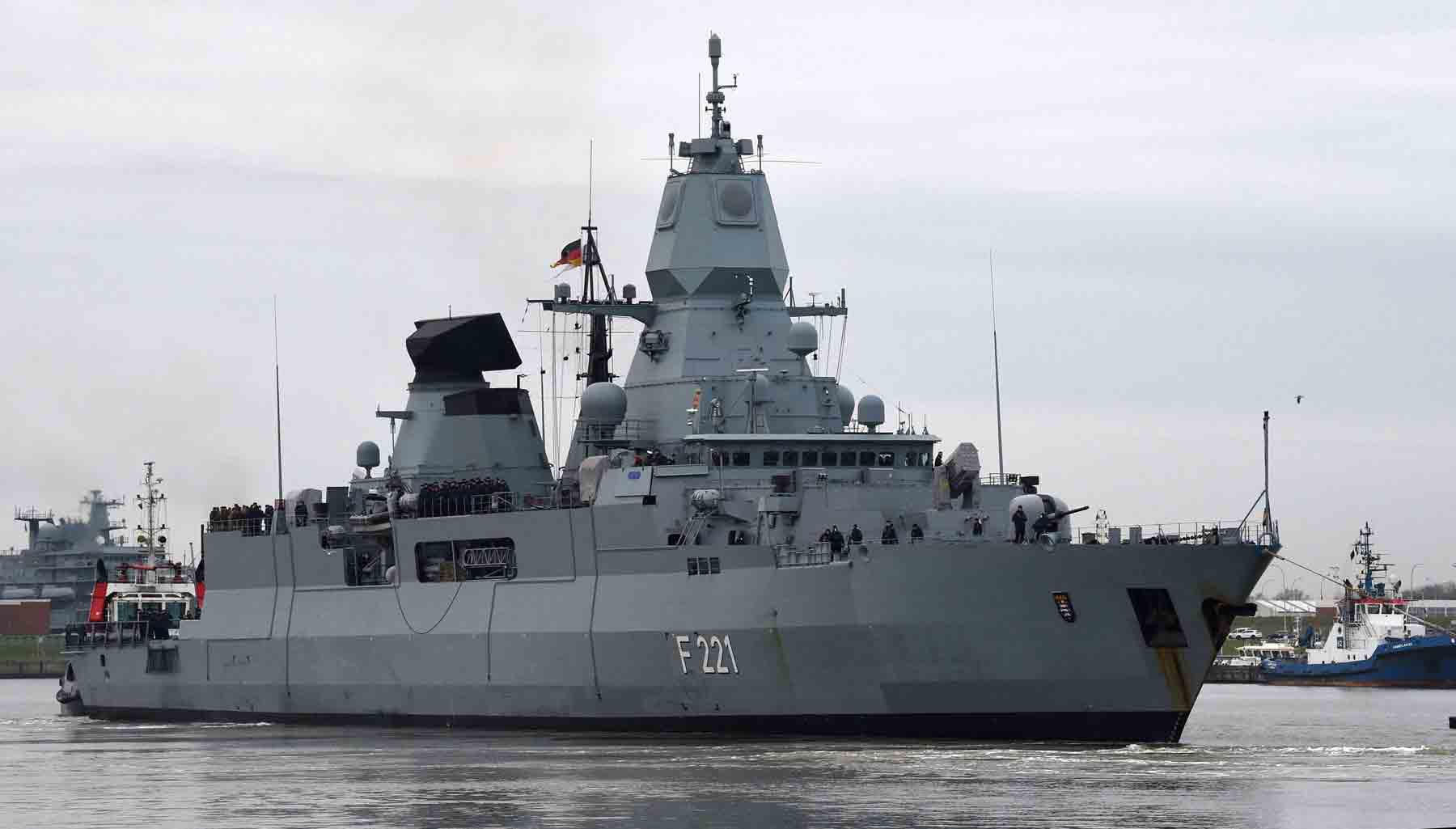
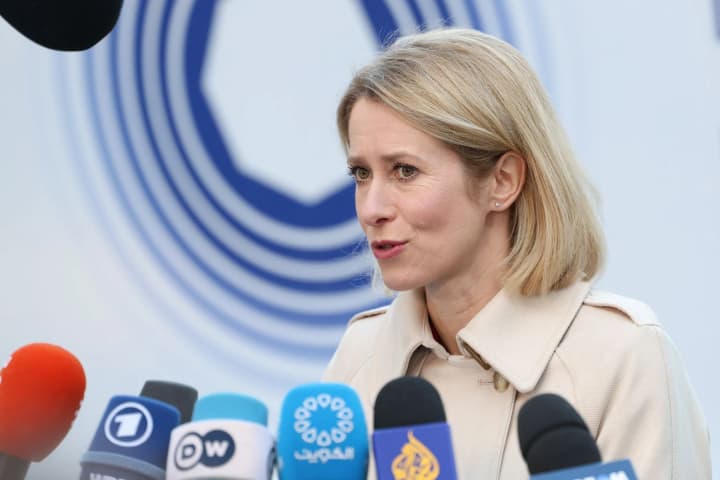
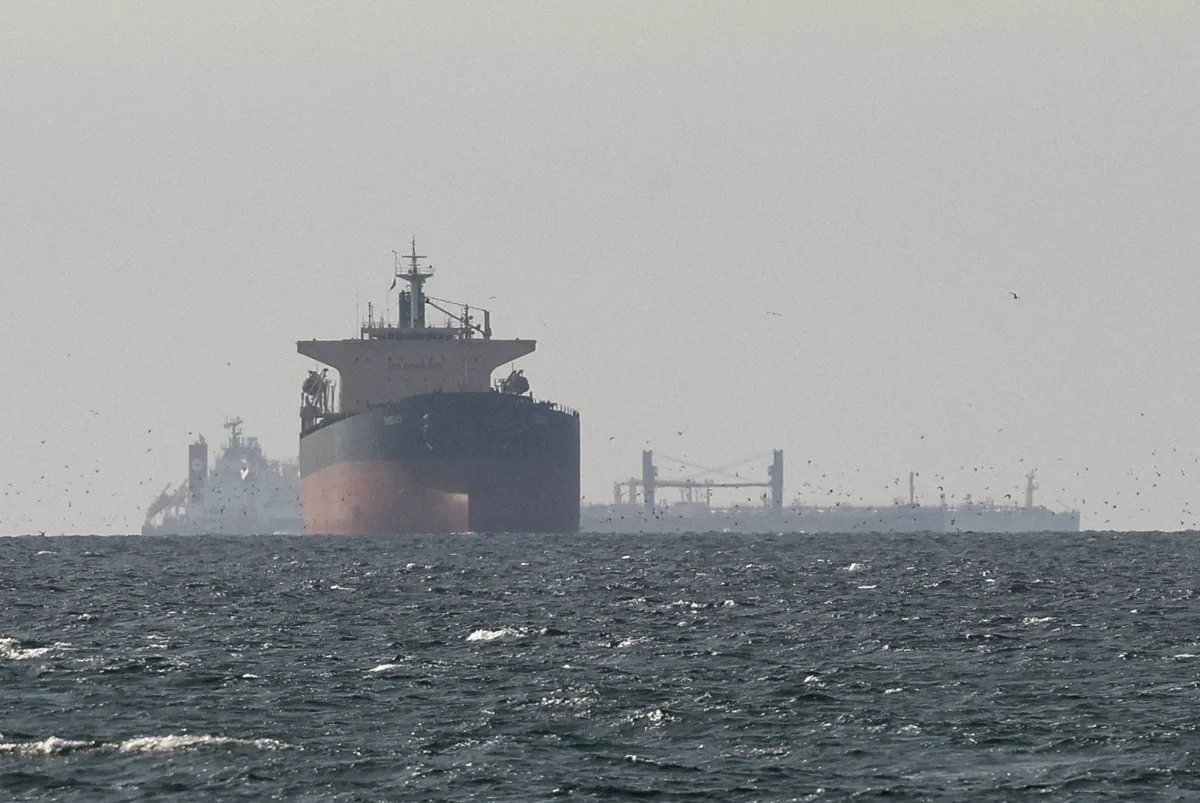
The European Union is expanding naval protection operations to the Strait of Hormuz, a critical maritime chokepoint handling 20-21% of global petroleum trade and essential Asia-Europe shipping corridors. EU foreign ministers, led by diplomat Kaja Kallas, are discussing extending Operations Aspides and Atalanta beyond the Red Sea to secure the Strait against Iranian threats. This geopolitical shift directly impacts cross-border e-commerce sellers shipping inventory from Asia to European markets, affecting freight rates, delivery timelines, and supply chain insurance costs.
For sellers dependent on Asia-Europe maritime routes, the naval expansion creates both opportunities and risks. Stabilized corridor security could reduce insurance premiums by 5-12% for goods transiting the Strait, particularly benefiting high-value electronics, apparel, and consumer goods categories that represent 60%+ of cross-border e-commerce volume. However, the EU's fragmented response—with Luxembourg rejecting military participation and Italy deploying only limited assets—signals ongoing uncertainty about corridor protection levels. This unpredictability creates a 6-12 month window where freight rates may fluctuate 8-15% as shipping companies adjust risk premiums based on actual security deployment.
The competitive dynamics favor sellers with flexible sourcing strategies and established 3PL partnerships. Small sellers (under $500K annual revenue) relying on direct Asia-to-Europe shipments face the highest exposure, as they lack negotiating power with freight forwarders to lock in rates. Mid-market sellers ($500K-$5M) can leverage this uncertainty by negotiating multi-month freight contracts before rates stabilize, potentially saving 3-8% on logistics costs. Large sellers ($5M+) with established supply chains in Vietnam, India, and Southeast Asia benefit from reduced geopolitical risk to their inventory in transit. The Trump administration's simultaneous lifting of Russian oil sanctions complicates EU unity, creating potential for alternative routing strategies through non-sanctioned corridors—a tactical advantage for sellers with diversified sourcing.
Implementation timeline remains critical for operational planning. The EU decision on mission extension is expected within 4-8 weeks, with actual naval deployment taking 8-12 weeks thereafter. Sellers should monitor shipping cost indices weekly and consider locking in freight rates for Q2-Q3 2025 shipments before the security situation stabilizes. The divergence between EU member states creates opportunities for sellers to negotiate better rates with freight forwarders uncertain about corridor security levels—a temporary arbitrage window closing once military presence is confirmed.
Questions 8
What compliance or regulatory changes should sellers expect from EU naval expansion?
The EU naval expansion itself creates no new seller compliance requirements, but increased military presence may trigger enhanced customs documentation and cargo verification procedures at European ports. Sellers should ensure all shipments include complete HS codes, origin certificates, and commercial invoices to avoid delays during heightened security screening. Monitor EU Customs Union announcements for any temporary documentation requirements related to Strait transit. The expansion also signals EU commitment to trade corridor protection, potentially reducing future tariff uncertainty—a positive long-term signal for sellers planning 2025-2026 inventory investments in European markets.
Which product categories see the biggest shipping cost impact from this security situation?
High-value, time-sensitive categories face the greatest shipping cost volatility: electronics (HS 8471-8517), apparel (HS 6204-6206), and consumer goods (HS 9401-9406) represent 60%+ of cross-border e-commerce volume and carry higher insurance premiums. These categories typically see 8-15% freight rate swings during geopolitical uncertainty, translating to $200-800 per 40-foot container cost variations. Lower-value bulk categories like textiles and raw materials see smaller percentage impacts but larger absolute volumes. Sellers in electronics and apparel should prioritize freight rate locking, while bulk sellers can absorb volatility through margin adjustments.