



Nvidia AI Dominance Drives Cloud Infrastructure Costs | E-Commerce Seller Impact 2026-2030
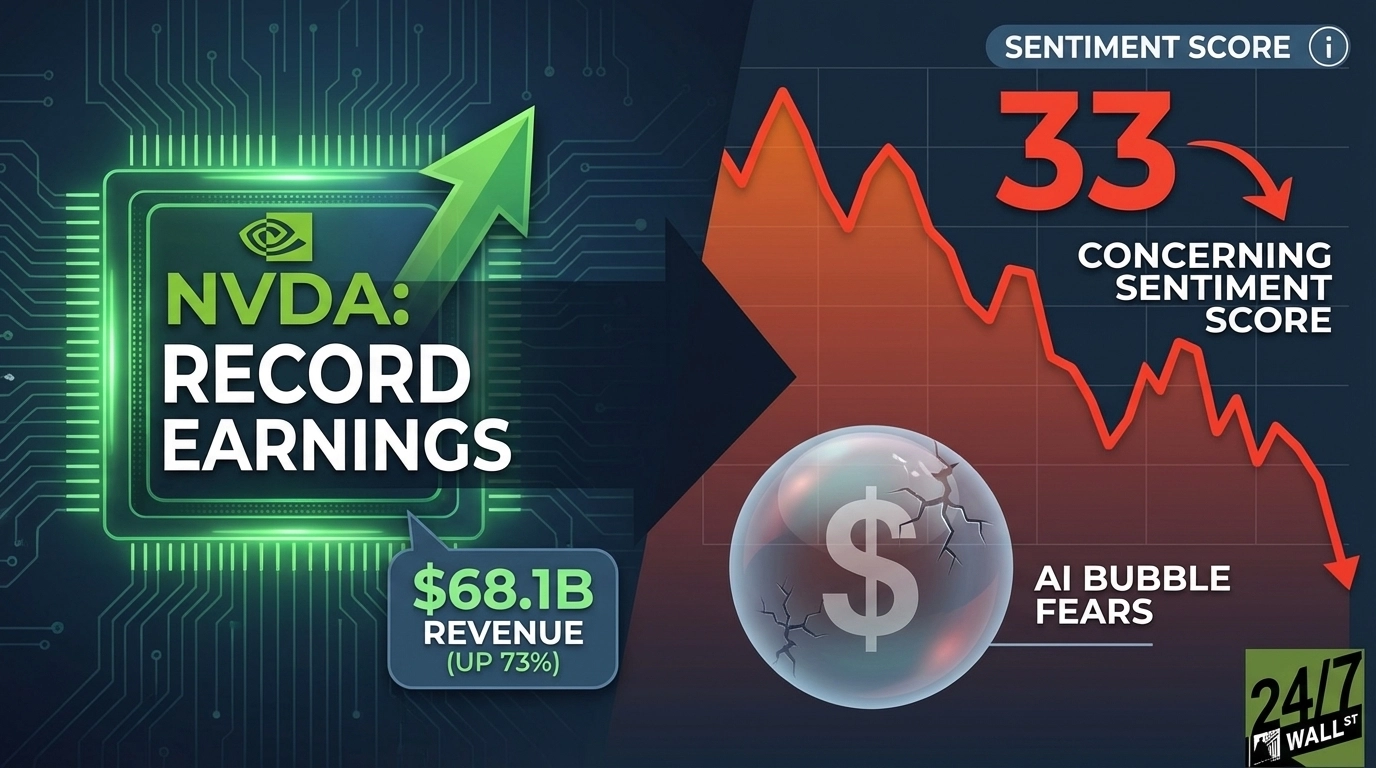
- Nvidia's $68.1B revenue (73% YoY growth) signals sustained $3-4T data center capex through 2030, directly affecting cloud costs for AI-powered seller tools, inventory management, and logistics automation














Overview
Nvidia's extraordinary market position creates a critical inflection point for e-commerce sellers relying on cloud infrastructure and AI-powered operational tools. The semiconductor giant reported $68.1 billion in revenue with 73% year-over-year growth and maintains 75% gross margins, with Q1 FY2027 projections reaching approximately $78 billion. This growth trajectory reflects fundamental shifts in how e-commerce platforms, logistics providers, and seller-facing SaaS tools are architected—all increasingly dependent on Nvidia's GPU infrastructure and CUDA software ecosystem.
The direct seller impact manifests through three operational channels: First, cloud infrastructure costs for Amazon Web Services, Google Cloud, and Microsoft Azure—which power Amazon Seller Central, Shopify admin dashboards, and third-party logistics platforms—are directly influenced by Nvidia GPU availability and pricing. As data center capital expenditures reach $3-4 trillion by 2030 (per Nvidia projections, with McKinsey estimating $7 trillion cumulative AI spending), cloud providers will pass through infrastructure cost pressures to sellers through higher storage fees, compute charges, and API pricing. Sellers using AI-powered inventory management tools (like Helium 10, Jungle Scout, or native Amazon tools) face potential 8-15% cost increases annually if Nvidia's pricing power persists.
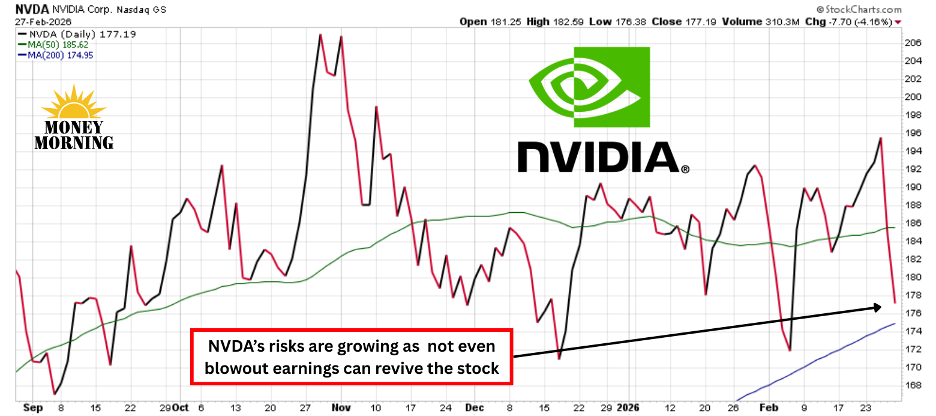
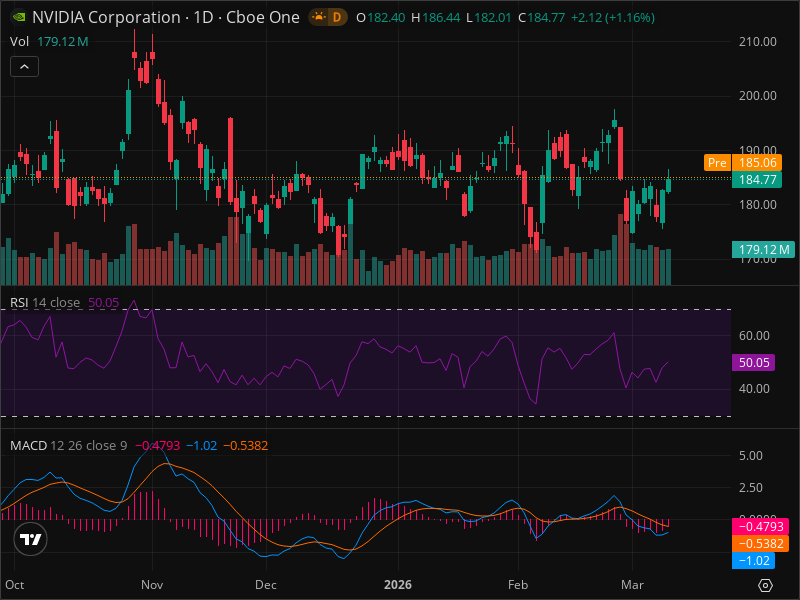
Second, demand diversification beyond hyperscalers creates opportunity windows. Nvidia reports that sovereign AI spending tripled to $30 billion during FY2026, while enterprises and model developers independently build inference infrastructure. This signals that smaller cloud providers, regional data centers, and specialized AI infrastructure companies are entering the market—potentially offering more competitive pricing to mid-market sellers than AWS/Azure. Sellers should monitor emerging alternatives like CoreWeave, Lambda Labs, and regional cloud providers offering Nvidia-powered infrastructure at 20-30% discounts to hyperscaler rates. Third, competitive positioning uncertainty creates risk. While bearish analyst Oriental Trader notes Nvidia's stock has remained flat for eight months despite 50% hyperscaler capex growth expectations, suggesting valuations are fully priced, the underlying infrastructure investments continue. However, if Big Tech AI capital expenditure deteriorates (as cited concerns about private credit market turmoil and geopolitical instability suggest), cloud infrastructure costs could stabilize or decline—benefiting sellers' operational margins.
The strategic implication for sellers: Nvidia's integrated stack (hardware + CUDA software + networking) creates a 5-7 year moat in AI infrastructure, meaning sellers cannot expect significant cost relief from competitive GPU alternatives before 2031-2033. Sellers should budget for 5-10% annual increases in cloud-based tool costs through 2028, then potential stabilization as competition emerges. The diversification of demand sources (sovereign AI, enterprises, model developers) suggests that sellers willing to migrate from hyperscaler-dependent tools to specialized AI infrastructure providers could achieve 15-25% cost savings, though with integration complexity and reduced feature parity.
Questions 7
Which e-commerce categories benefit most from Nvidia's AI infrastructure expansion?
Nvidia's $3-4 trillion data center capex through 2030 enables AI-powered features that benefit specific seller categories: (1) Electronics & Tech (highest AI adoption): dynamic pricing, demand forecasting, competitor monitoring—sellers see 15-25% margin improvement with AI tools, (2) Fashion & Apparel: visual search, size prediction, trend forecasting—AI tools reduce returns 8-12%, (3) Home & Garden: inventory optimization, seasonal forecasting—reduces stockouts 20-30%, (4) Health & Beauty: personalized recommendations, supply chain optimization—increases conversion 10-18%. Sellers in these categories should invest in AI-powered tools now (Helium 10, Jungle Scout, Repricing) before cloud costs increase 5-10% annually. Sellers in low-AI categories (commodities, bulk goods) should focus on cost optimization rather than feature expansion, as cloud cost inflation will compress margins faster than AI tools can improve performance.
How should I adjust my pricing strategy given Nvidia-driven cloud cost inflation?
Nvidia's 73% revenue growth and sustained demand through 2030 signal that cloud infrastructure costs will increase 5-10% annually through 2028. Sellers should implement dynamic pricing strategies that account for this cost inflation: (1) Review your product margins quarterly and adjust prices 2-4% annually to offset cloud cost increases, (2) Prioritize high-margin categories (electronics, software, digital goods) that benefit from AI-powered recommendations and can absorb cost increases, (3) Reduce reliance on low-margin bulk categories where cloud costs consume 15%+ of profit, (4) Use AI-powered pricing tools (Repricing, Keepa, Helium 10) to optimize prices in real-time, but budget for 8-15% annual cost increases in these tools. Sellers who delay pricing adjustments until 2028 will face margin compression of 3-7%; those who adjust proactively in 2026-2027 can maintain margins while competitors struggle.