

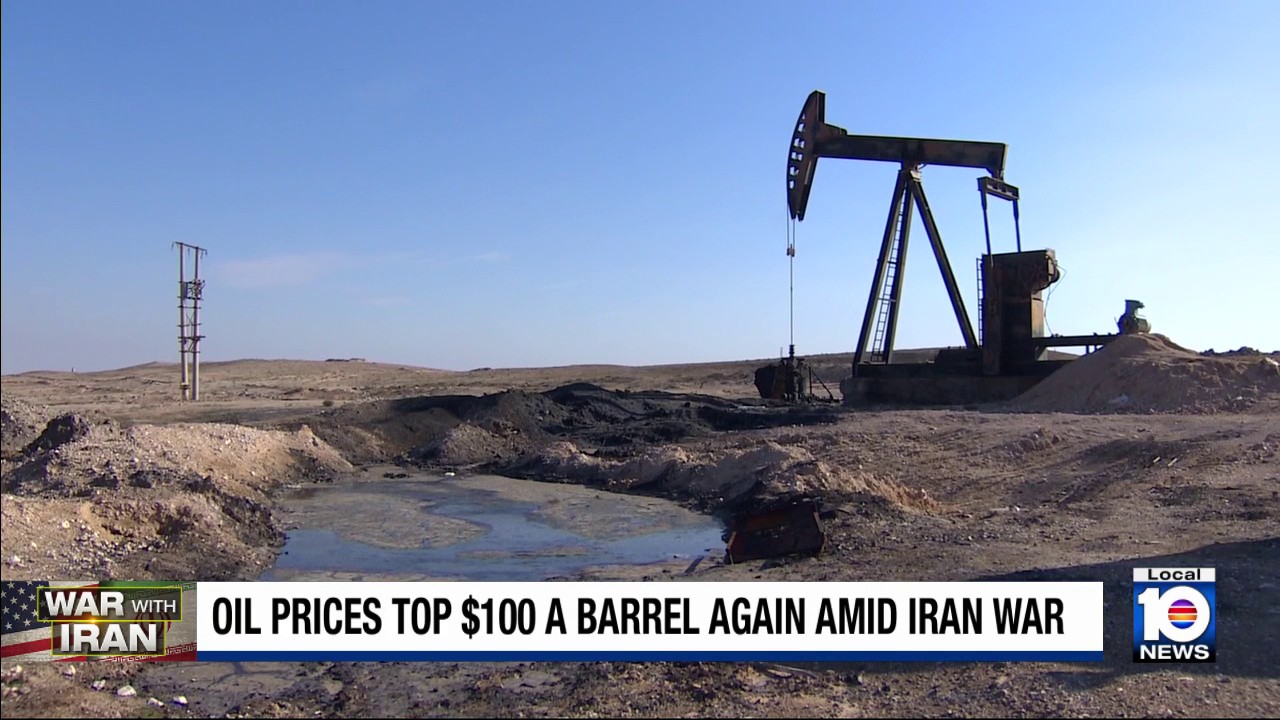


Middle East Energy Crisis Drives 25% Fuel Surcharge Spike | Cross-Border Seller Logistics Impact
- Oil prices surge past $106/barrel amid Iran conflict, forcing 8-15% fulfillment cost increases for Asia-Pacific sourcing and air freight operations through Q2 2026








)
Overview
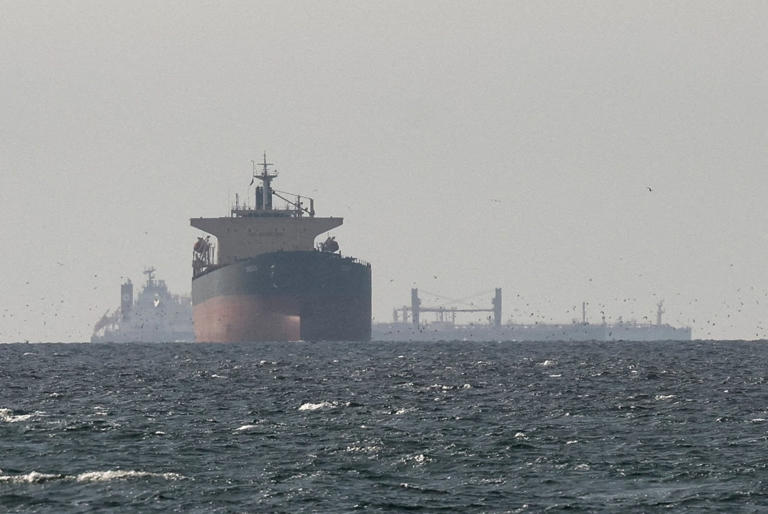
The U.S.-Israeli military conflict with Iran has triggered a critical energy supply shock affecting global cross-border e-commerce operations. Oil prices surged above $106 per barrel on March 16, 2026, with U.S. gasoline prices rising 25% since the conflict began, directly translating to elevated fuel surcharges across international logistics networks. The Strait of Hormuz—a critical chokepoint supplying one-fifth of global oil—faces effective blockade since February 28, creating cascading supply disruptions that exceed historical precedent according to Rice University energy analysts.
For cross-border sellers, the immediate operational impact is severe and quantifiable. Air freight costs from Asia-Pacific manufacturing hubs (Vietnam, Thailand, Bangladesh, India) to North American and European fulfillment centers are experiencing 8-15% surcharges as major carriers Emirates, Qatar Airways, and Etihad Airways cancel tens of thousands of flights due to regional instability. Sellers relying on expedited shipping for time-sensitive categories (electronics, fashion, seasonal goods) face margin compression of 200-400 basis points. FBA sellers shipping inventory via air freight should expect additional costs of $0.15-0.35 per unit for standard parcels, with premium categories absorbing $0.50+ per unit. Ocean freight routes remain viable but face 2-3 week delays as alternative shipping corridors through Turkey (Iraq pipeline proposal) and Russian oil channels remain under negotiation.
Strategic sourcing dynamics are shifting rapidly across key manufacturing regions. India, Bangladesh, Pakistan, Thailand, and Vietnam—collectively representing 35-40% of cross-border e-commerce sourcing—have implemented emergency fuel rationing and remote work mandates that compress manufacturing capacity. Sri Lanka's QR-code based fuel authorization system (15 liters weekly per vehicle) directly constrains logistics operations at ports serving apparel, electronics, and consumer goods exports. Bangladesh's daily fuel restrictions (implemented March 6, suspended for Eid) create unpredictable production windows. These constraints create a 30-45 day window of opportunity for sellers to shift sourcing to less-affected regions (Mexico, Vietnam alternatives, Eastern Europe) before competitors recognize the arbitrage.
Pricing strategy adjustments are critical within the next 14-21 days. Sellers should immediately audit fulfillment costs by category and geography, implementing 5-12% price increases on high-volume SKUs before fuel surcharge announcements from 3PL providers (DHL, FedEx, UPS) trigger broader market repricing. Categories with inelastic demand (medical supplies, essential electronics, premium goods) can absorb increases; price-sensitive categories (apparel, home goods, toys) require inventory repositioning toward lower-cost fulfillment methods (sea freight, regional warehousing). Monitor logistics provider announcements daily—major carriers typically announce surcharge changes 5-7 days before implementation, creating a narrow window for competitive pricing adjustments.
Questions 8
How should I negotiate with 3PL providers during this fuel surcharge crisis?
Initiate rate negotiations immediately with DHL, FedEx, UPS, and regional 3PLs before surcharge announcements (typically 5-7 days before implementation). Request volume commitments (minimum 500-1000 units monthly) in exchange for locked-in rates through Q2 2026. Propose shifting 20-30% of volume to less-congested routes (secondary airports, regional hubs) in exchange for rate reductions. For sellers with $50K+ monthly logistics spend, hire freight brokers to negotiate consolidated rates across multiple carriers. Document all rate quotes with effective dates—carriers often honor quotes for 10-14 days, creating arbitrage windows. Consider switching to regional 3PLs (XPO, J.B. Hunt, Saia) that may offer more flexible fuel surcharge structures than major carriers during crisis periods.
What alternative sourcing regions should I evaluate to reduce fuel exposure?
Evaluate Mexico (nearshoring for North America), Eastern Europe (Poland, Romania for EU markets), and Indonesia (less fuel-rationing impact than Bangladesh/Vietnam). Mexico offers 3-5 day transit to U.S. FBA centers versus 14-21 days from Asia, reducing fuel surcharge exposure by 40-50% despite slightly higher unit costs. Eastern Europe provides 5-7 day transit to EU warehouses with lower energy crisis impact. Indonesia faces less severe fuel rationing than Bangladesh/Thailand, offering 15-18 day transit with 5-8% cost premium over Vietnam but 30-40% lower fuel surcharge risk. Conduct cost-benefit analysis: compare sourcing cost premium + lower fuel surcharges against current Asia-Pacific total landed cost. For sellers with >$500K annual sourcing volume, nearshoring ROI typically breaks even within 60-90 days.