



Strait of Hormuz Conflict Threatens Global Shipping | Seller Supply Chain Risk Alert
- Disrupts 1/3 of global maritime oil trade; freight costs rising 8-15% for Asia-sourcing sellers; insurance premiums surge on contested waters




Overview
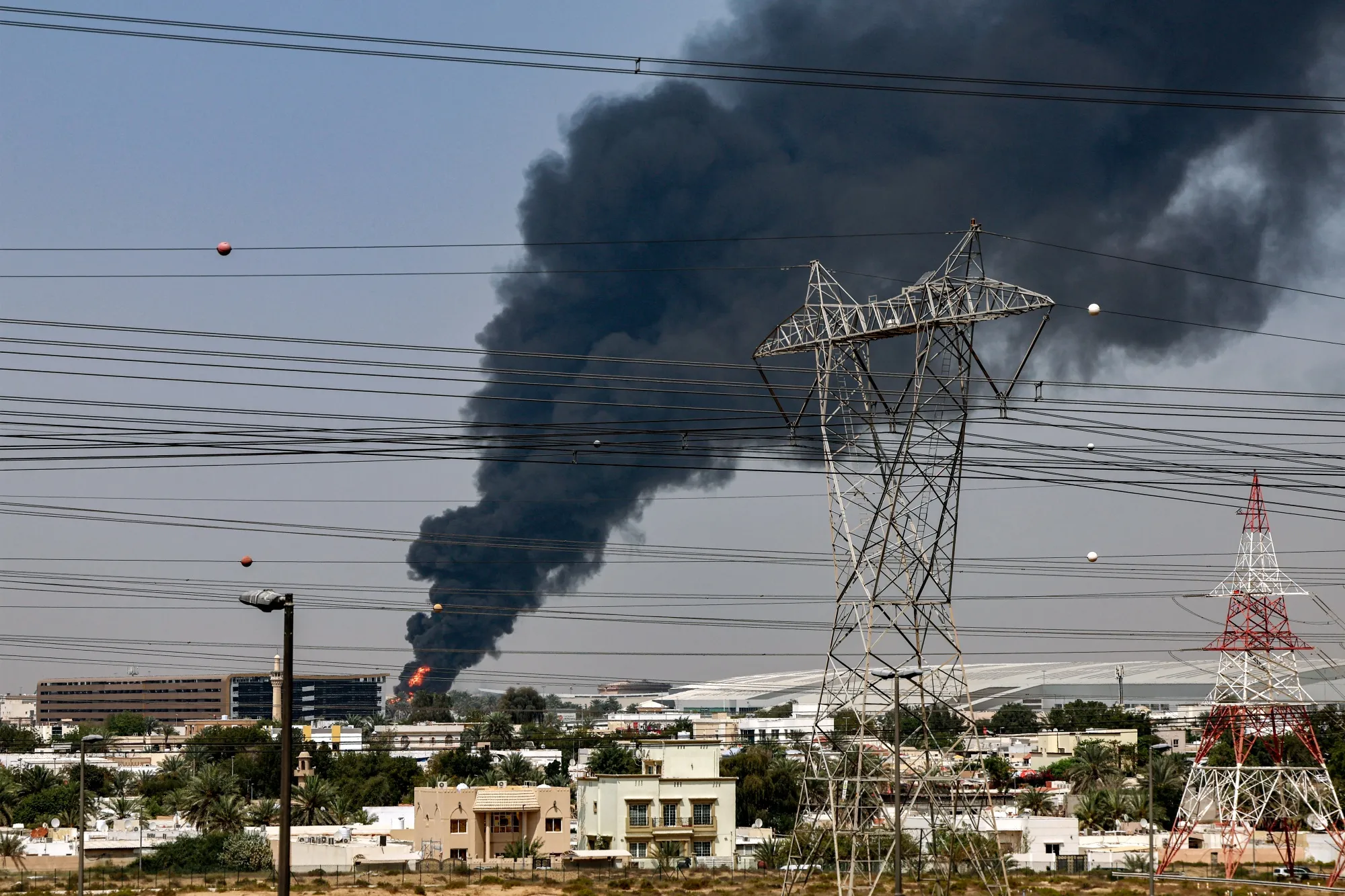
The March 2026 geopolitical escalation in the Persian Gulf represents a critical supply chain inflection point for cross-border e-commerce sellers. Iran's strategic shift from direct military confrontation to controlling the Strait of Hormuz—which handles approximately one-third of global maritime oil trade—creates immediate operational and financial risks for sellers dependent on international logistics networks. This asymmetric economic warfare tactic directly impacts the three core cost drivers for e-commerce operations: fuel surcharges on ocean freight, air freight premiums for expedited shipments, and maritime insurance rates for vessels transiting contested waters.
Freight Cost Escalation Across Seller Segments: For sellers sourcing from Asia (China, Vietnam, India, Bangladesh), the Strait of Hormuz disruption creates a 8-15% cost increase on ocean freight rates, with air freight premiums potentially doubling during peak conflict periods. A typical seller shipping 500 units monthly from China to US/EU markets faces $2,000-4,500 additional monthly freight costs. Sellers relying on expedited shipping for time-sensitive categories (electronics, fashion, seasonal goods) experience the most acute margin compression. Insurance premiums for maritime shipping through contested waters have historically increased 20-40% during similar geopolitical tensions, adding $300-800 monthly to operational costs for mid-sized sellers. The conflict particularly threatens inventory replenishment cycles for sellers with 30-45 day lead times from Asia, creating stockout risks if supply chains are disrupted.
Market-Specific Vulnerabilities and Sourcing Shifts: Sellers sourcing from Middle East suppliers (textiles from UAE, electronics components from Iran-adjacent regions, petrochemical-based products) face dual risks: direct supply disruption and potential economic sanctions affecting market access. The conflict creates immediate arbitrage opportunities for sellers who can shift sourcing to alternative countries (Vietnam, Thailand, Indonesia for manufacturing; India for textiles and components) before competitors recognize the supply chain vulnerability. Sellers in energy-intensive categories (plastics, chemicals, metals) face margin compression from rising input costs, while sellers in lightweight, high-value categories (electronics, jewelry, collectibles) can better absorb freight cost increases. The policy uncertainty window—typically 30-90 days before markets fully price in geopolitical risk—represents a critical timing advantage for sellers who proactively adjust sourcing and pricing strategies.
Compliance and Risk Mitigation Imperatives: Potential economic sanctions or trade restrictions could affect sellers' ability to source materials or access certain markets, requiring immediate review of supplier locations and payment methods. Sellers should audit their supply chains for Iran-connected suppliers or payment processors and establish alternative sourcing relationships. The conflict creates opportunities for sellers offering supply chain diversification services, logistics optimization tools, and alternative sourcing consulting to other e-commerce operators.
Questions 8
What sourcing countries should sellers consider as alternatives to reduce supply chain risk?
Vietnam, Thailand, Indonesia, and India represent the most viable alternatives for shifting sourcing away from China and Middle East suppliers. Vietnam offers competitive manufacturing for electronics and textiles with 25-30 day lead times. India provides strong alternatives for textiles, components, and chemicals with established export infrastructure. Thailand specializes in electronics and automotive components with reliable supply chains. Indonesia offers competitive pricing for textiles and basic manufacturing. Sellers should begin supplier audits immediately to identify alternative sourcing options before competitors recognize the opportunity. The 30-90 day policy uncertainty window represents a critical timing advantage for sellers who proactively diversify sourcing before freight costs fully stabilize at elevated levels.
Which product categories face the highest margin compression from this geopolitical conflict?
Energy-intensive categories (plastics, chemicals, metals, petrochemical-based products) face the most acute margin compression due to rising input costs combined with freight increases. Electronics, fashion, and seasonal goods relying on expedited shipping experience severe profitability pressure when air freight premiums double. Lightweight, high-value categories (jewelry, collectibles, electronics components) can better absorb freight cost increases because freight represents a smaller percentage of product value. Sellers in low-margin categories (apparel, home goods, basic electronics) with 10-20% gross margins face potential losses if freight costs increase 8-15%. Sellers should prioritize shifting inventory toward higher-margin categories or renegotiating supplier prices to offset logistics cost increases.