



China's 7nm Chip Breakthrough | Supply Chain Reshaping for E-Commerce Sellers
- Hua Hong's 7nm production targets thousands of wafers monthly by year-end, reducing TSMC dependency and stabilizing component costs for electronics sellers sourcing from China








Overview
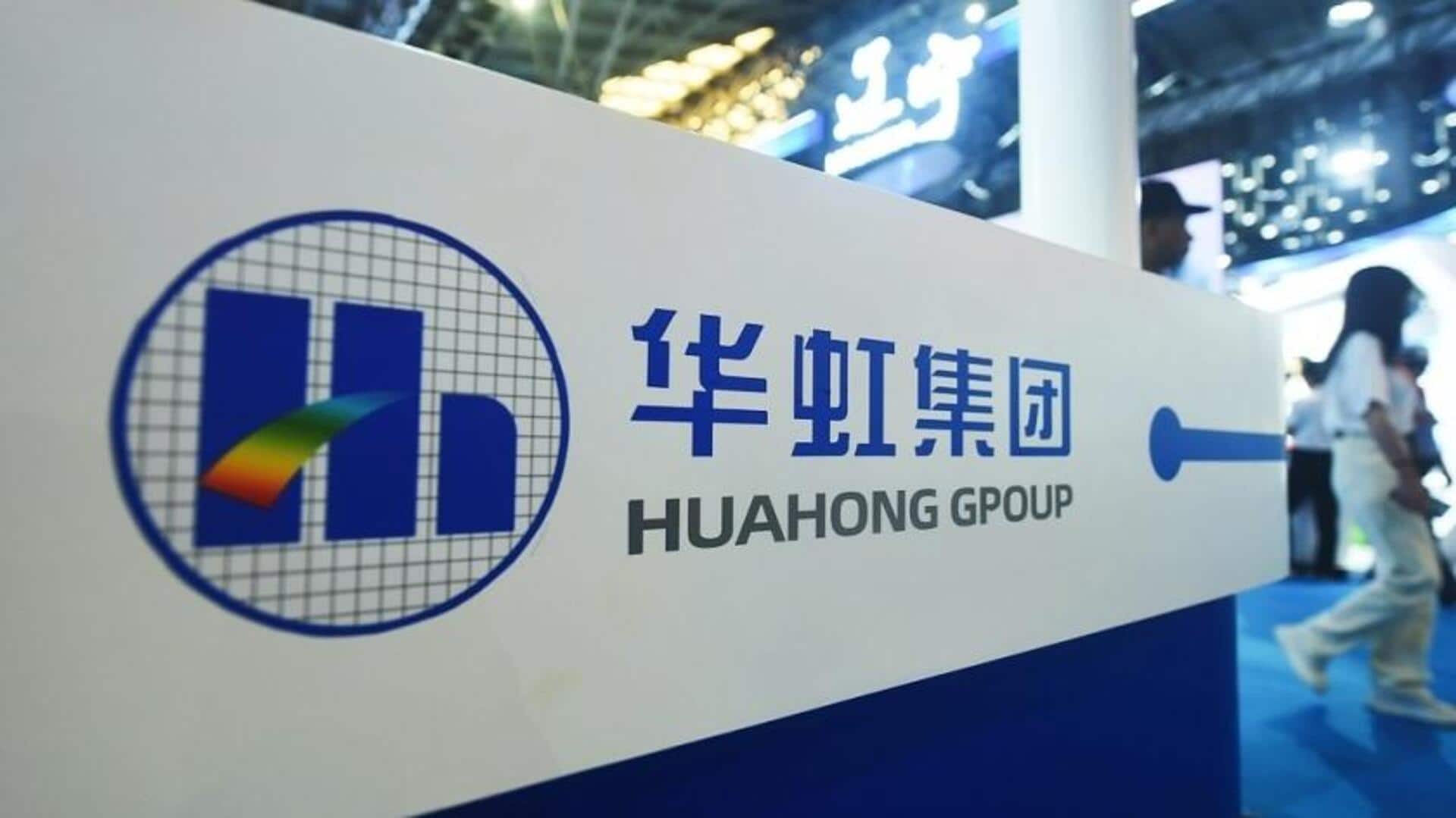
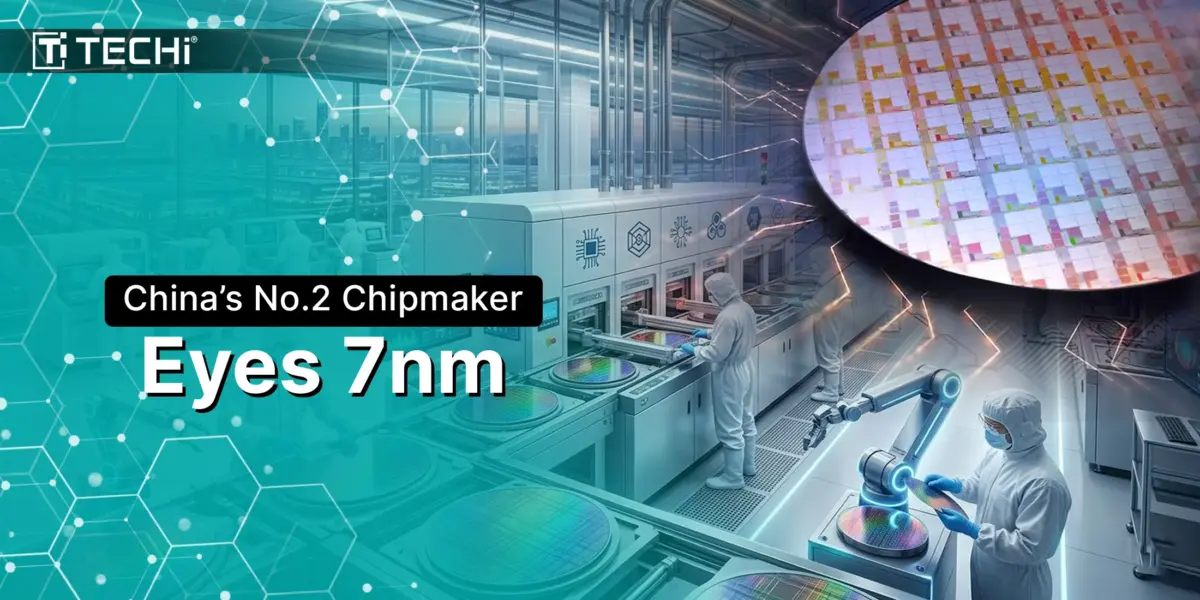
China's semiconductor self-sufficiency initiative is fundamentally reshaping global supply chains, with direct implications for cross-border e-commerce sellers sourcing electronics and AI-enabled devices. Hua Hong Group's subsidiary, Huali Microelectronics, is preparing to launch 7-nanometer chip production at its Shanghai facility, targeting initial capacity of several thousand wafers monthly by year-end. This positions Hua Hong as only the second Chinese foundry capable of 7nm production alongside SMIC, representing a watershed moment in Beijing's "Made in China 2025" strategy. The development is validated by real-world partnerships: Huawei collaborates on the 7nm project while Chinese GPU designer Biren has already conducted tape-out testing on Huali's production line, demonstrating commercial viability.
For electronics sellers, this creates immediate supply chain advantages. The advancement of domestic Chinese semiconductor manufacturing directly reduces reliance on Taiwan Semiconductor Manufacturing Company (TSMC) and other foreign suppliers, stabilizing component costs that have been volatile since 2021 semiconductor shortages. Sellers dealing in AI-enabled devices, smart electronics, IoT products, and technology accessories can expect improved availability and potentially 8-15% cost reductions on domestically-sourced chips within 12-18 months. The dual-track market dynamic—where Chinese manufacturers increasingly compete with international suppliers—creates sourcing optionality that sellers can leverage for margin improvement. Specifically, sellers sourcing smart home devices, AI-powered cameras, edge computing products, and industrial IoT equipment from Chinese OEMs will benefit from lower component costs as Hua Hong's capacity scales.
The geopolitical context amplifies opportunity windows. Ongoing US export controls on advanced semiconductor technology to China have prompted aggressive domestic development, yet some restrictions have eased (Nvidia now sells certain AI chips to China). This creates a narrow window where sellers can capitalize on Chinese manufacturers' transition from TSMC to domestic suppliers—typically 6-12 months before competitors recognize the cost advantage. Sellers should immediately audit their supply chains to identify which products contain 7nm-class chips (AI accelerators, advanced processors, high-end GPUs) and establish relationships with Chinese OEMs planning Hua Hong sourcing. The "Made in China 2025" framework signals government support for semiconductor independence, meaning subsidies and preferential policies will likely favor Hua Hong customers, creating cost advantages unavailable to competitors still relying on TSMC.
Questions 7
Which product categories benefit most from China's domestic chip production?
AI-enabled devices, smart electronics, IoT products, and advanced consumer electronics see the greatest benefits. Specifically: AI-powered security cameras, smart home hubs, edge AI processors, industrial IoT sensors, autonomous robotics, and high-end consumer drones all rely on 7nm-class chips. Sellers in these categories can expect 12-24 month windows to capitalize on cost advantages before competitors recognize the shift. Products requiring advanced GPUs, AI accelerators, or custom processors manufactured by Huawei, Biren, or other Hua Hong partners offer the highest margin improvement potential.
How does Hua Hong's 7nm production affect component costs for electronics sellers?
Hua Hong's 7nm capability directly reduces TSMC dependency, creating sourcing alternatives that typically lower component costs 8-15% within 12-18 months as production scales. The foundry targets several thousand wafers monthly by year-end, providing sufficient capacity for mid-tier Chinese OEMs. Sellers sourcing smart home devices, AI cameras, and edge computing products from Chinese manufacturers will see immediate cost benefits as OEMs transition from TSMC to domestic suppliers. The competitive pressure between Hua Hong and TSMC also drives pricing improvements across the market, benefiting all electronics sellers regardless of sourcing location.